How to Tell When Pasta Is Done Cooking With Visual Clues

Pasta waits for no one. Miss the moment, and you’re stuck with limp noodles or a chewy rebellion that ruins the whole dish. Timing isn’t guesswork; it’s a tiny window of perfection. Nail it, and everything tastes restaurant-level. Blow it, and even great sauce can’t save you. Let’s fix that.

How to Tell When Pasta Is Done (Without Tasting)

Pasta is sneaky—it looks calm on the outside while its center is either chalky rebellion or silky perfection. Luckily, you can read its doneness signals without fishing a strand out. Think of this as decoding a tiny edible timeline.

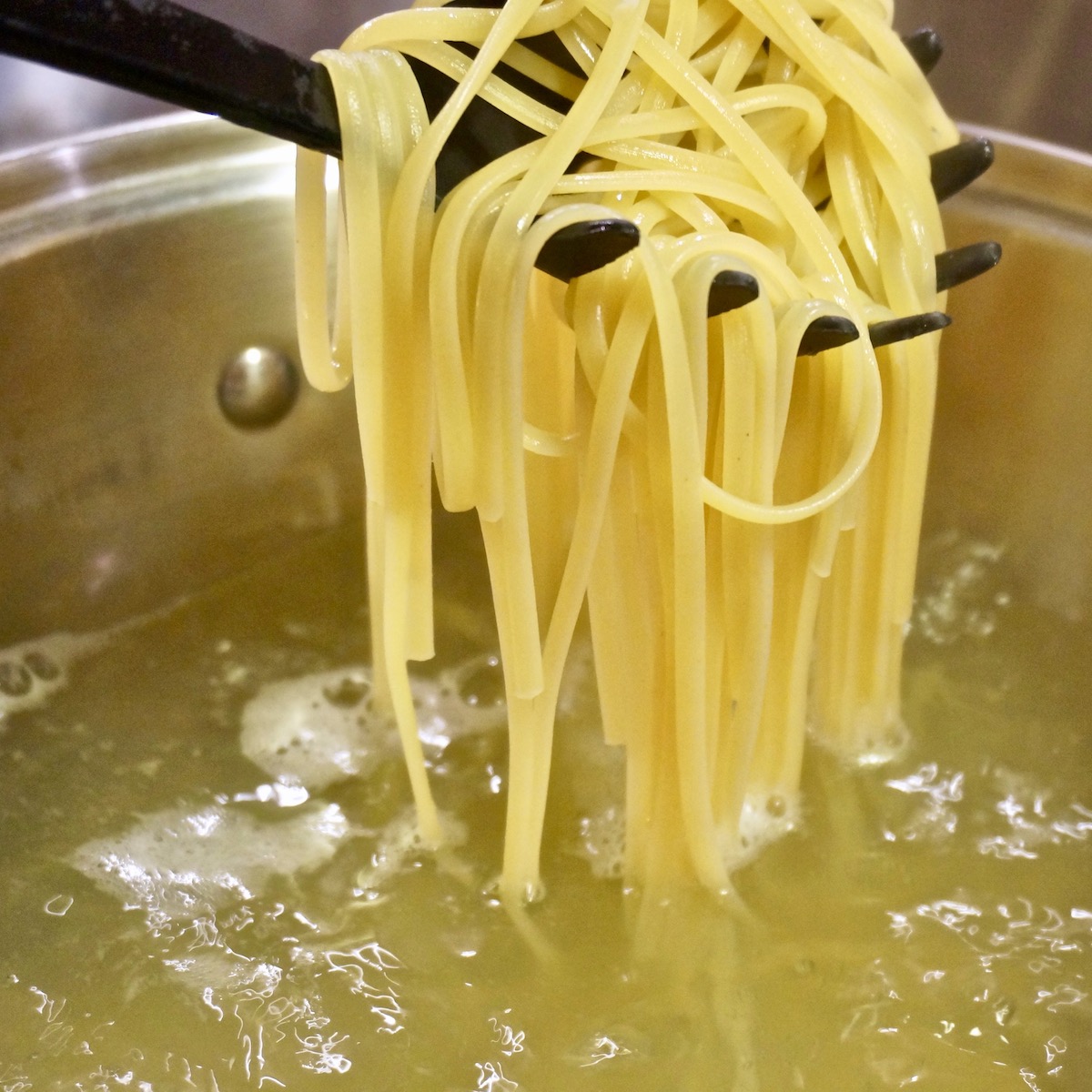
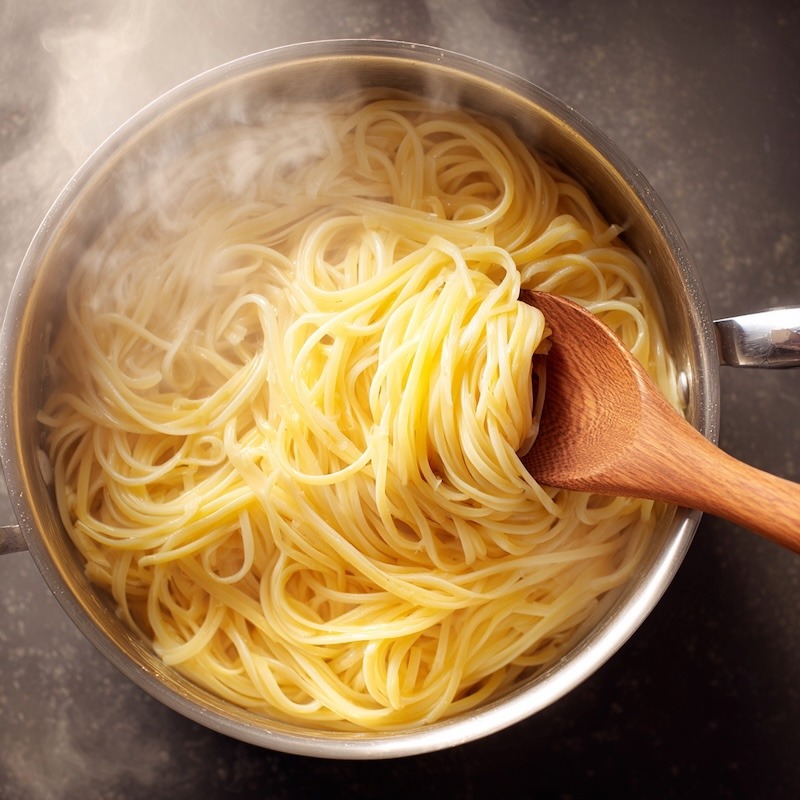
  • 🍝 Soft-but-Not-Sad Bend: Strands should bend easily and swirl with tongs, but still hold their shape. If it droops lifelessly, you’ve gone too far.
  • 🌊 Foam Shift: The boil calms slightly and the water turns silkier from released starch. Not exact—but a helpful clue.
  • 🎨 Color Change: Pasta loses its chalky look and becomes more uniform and matte. A pale core means it’s not ready yet.
  • 🍴 Fork Glide: It should wrap easily around a fork without resistance, but not collapse into mush.
  • 👃 Smell Shift: The raw flour scent fades and becomes a warm, subtle wheat aroma.

What Does Perfectly Cooked Pasta Taste Like?

Visual cues get you close—but taste is the final confirmation. Perfectly cooked pasta (al dente) should feel balanced, not soft or crunchy. Here’s what your mouth should notice:

  • 🦷 Slight Bite: There should be a gentle resistance when you bite through it—not hard, not mushy.
  • 🍝 Tender Outside: The outer layer should be fully cooked and smooth, never chalky or grainy.
  • ⚖️ Even Texture: No crunchy core, no overly soft edges—just a consistent, balanced feel throughout.
  • 🌾 Clean Wheat Flavor: It should taste subtly nutty and warm, not raw or floury.
  • 🥣 Holds Sauce Well: The surface should grip sauce lightly instead of letting it slide off.

When You’ve Gone Too Far (Overcooked Signs)

Pasta doesn’t scream when it’s overcooked—it quietly gives up. If you spot these signs, you’ve slipped past al dente and into the danger zone.

  • 🍝 Limp & Lifeless: The pasta droops with zero structure and won’t hold its shape when lifted.
  • 💔 Mushy Texture: It feels soft all the way through with no slight firmness left in the center.
  • 🌀 Falling Apart: Edges may fray or break, especially with thinner noodles or delicate shapes.
  • 🥣 Sauce Slip-Off: Instead of clinging, sauce slides off like it’s avoiding commitment.
  • 🌫️ Cloudy, Heavy Water: Excess starch release turns the water thick and murky—your pasta has been in too long.

Can You Fix Overcooked Pasta?

You can’t un-cook pasta—but you can absolutely recover it. With the right moves, you can turn soft noodles into something that still feels intentional and delicious.

  • ❄️ Quick Chill: Drain and briefly rinse with cool water to stop the cooking immediately. This prevents it from getting any softer.
  • 🔥 Reheat with Purpose: Toss it in a hot pan with sauce to tighten it back up slightly and reintroduce structure.
  • 🧀 Add Texture: Bring in contrast—grated cheese, toasted breadcrumbs, or crisp vegetables can distract from softness.
  • 🍳 Change the Game: Turn it into a baked dish, frittata, or pasta pie where softer texture actually works in your favor.
  • 💧 Sauce Smarter: Use thicker, clingy sauces instead of thin ones so the pasta doesn’t feel waterlogged.

Pasta Cooking FAQ

Can you overcook pasta by 1 minute?
Yes—especially with thinner pasta. That extra minute can push it from perfectly al dente to soft and slightly mushy. Pasta cooks fast at the end, so small timing mistakes make a noticeable difference.

Why is my pasta mushy?
Mushy pasta usually means it was cooked too long or left sitting in hot water after draining. Excess starch breakdown softens the structure, causing it to lose its bite and shape.

Should you rinse pasta after cooking?
No—unless you’re making a cold dish like pasta salad. Rinsing removes the starch that helps sauce cling to the pasta, which can make your final dish less flavorful.

How do you fix undercooked pasta?
Simply return it to boiling water for another 1–2 minutes, then check again. You can also finish cooking it directly in your sauce with a splash of water to help it soften and absorb flavor.
Pasta mastered? Good. Now it’s time to level up. See how the same visual, texture, and aroma clues work across every food in How to Tell When Food Is Done Cooking and turn your kitchen instincts into a real skillset.

Leave a Reply

Your email address will not be published. Required fields are marked *

This site uses Akismet to reduce spam. Learn how your comment data is processed.