Authentic Italian Pomodoro Sauce: Recipe and Tips
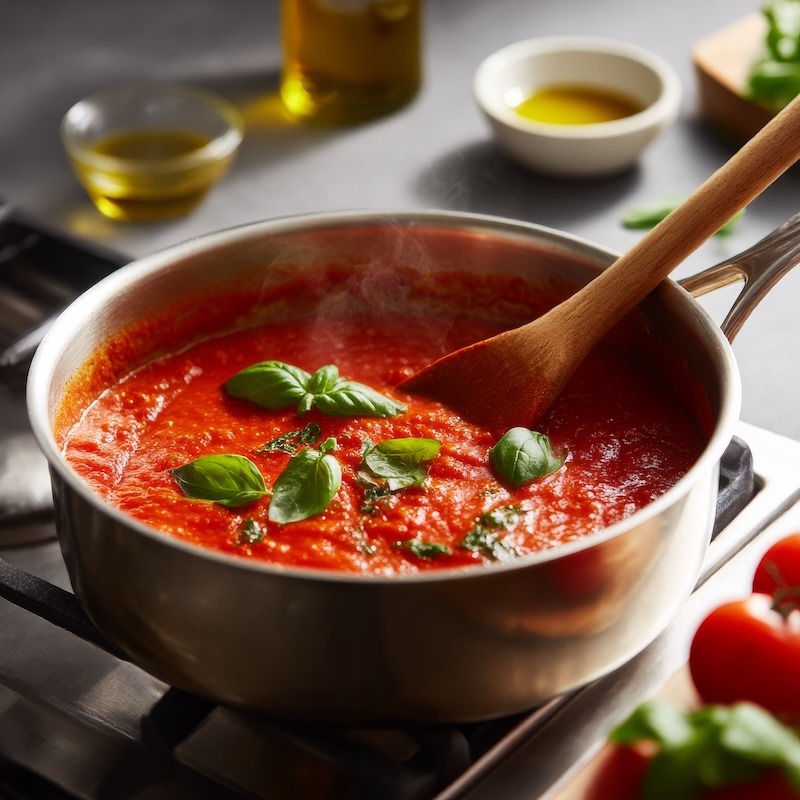
Pomodoro sauce is a classic Italian tomato sauce that belongs in every home cook’s repertoire. It is simple, fresh, and full of flavor.
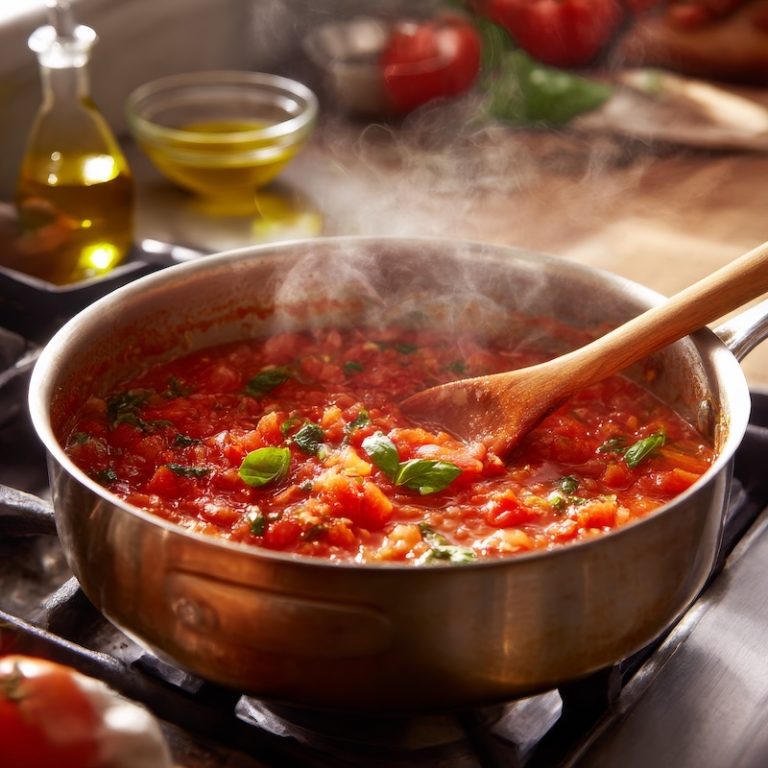
With just a few ingredients—tomatoes, garlic, onion, olive oil, and basil—you can create a sauce that tastes like it has been simmering in an Italian kitchen for hours. The key is using fresh, high-quality ingredients and letting the flavors develop slowly.
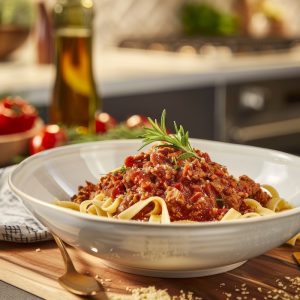
This sauce is incredibly versatile. Toss it with spaghetti, penne, or your favorite pasta. Use it as a base for pizza, lasagna, or baked vegetables. You can keep it smooth or leave it rustic with chunks of tomato. Either way, it delivers vibrant, balanced flavors.
Making Pomodoro sauce is also surprisingly quick. In about 30 minutes, you can transform fresh ingredients into a simmering pot of rich, tomato goodness. Cooking it yourself gives you control over seasoning, sweetness, and texture. You can adjust it to your taste, whether you like a touch of heat or extra basil aroma.
Once you master this sauce, it becomes a foundation for countless dishes. Homemade Pomodoro sauce turns simple meals into something special. It proves that classic, simple cooking can be both easy and extraordinary.
What's the Difference Between Pomodoro & Marinara Sauce
Pomodoro sauce and marinara sauce are both classic Italian favorites, but they have their differences. Pomodoro sauce is made with fresh, high-quality tomatoes, olive oil, garlic, onion, and fresh basil. Some recipes add a pinch of sugar or tomato paste, but the goal is always to let the tomato flavor shine.
Marinara sauce uses similar ingredients, but it often includes extra herbs like oregano, a hint of chili, or even a splash of wine, adding a bit more seasoning. Pomodoro sauce simmers slowly for 20–30 minutes, creating a smooth, velvety texture that can be left rustic or blended.
Marinara cooks faster, typically in 15–20 minutes, maintaining bright flavors and a thinner, chunkier sauce. Pomodoro works beautifully as a pasta sauce, a base for pizza, or in lasagna and braises.
At the same time, marinara shines as a quick pasta sauce, a versatile dipping sauce, or a simple accompaniment for seafood. Both sauces are versatile, but pomodoro leans toward slow-cooked, rich tomato flavor, while marinara offers a lighter, quicker option for everyday meals. Knowing the difference helps you pick the right sauce for the dish you want to create.
Pomodoro Sauce
Ingredients
- 2 tablespoons olive oil extra virgin
- 1 small onion finely chopped
- 3 cloves garlic minced
- 1 28 ounce can whole peeled tomatoes
- 1 teaspoon salt adjust to taste
- ½ teaspoon black pepper
- 1 teaspoon sugar optional, balances acidity
- 8 basil leaves
- pince red pepper flakes optional
- 2 tablespoons tomato paste optional, for richer flavor
Instructions
Heat the Oil
- In a medium saucepan, heat 2 tablespoons of olive oil over medium heat for 1–2 minutes.
Saute the Aromatics
- Add the finely chopped onion and cook, stirring occasionally, until soft and translucent, about 5–6 minutes.
- Add minced garlic and cook for an additional 1 minute, until fragrant. Avoid browning the garlic.
Add the Tomatoes
- Crush the canned tomatoes by hand or with a spoon. Add them (including juice) to the pan.
- Stir in salt, pepper, and sugar if using.
Simmer
- Reduce heat to low and let the sauce simmer gently for 20–25 minutes. Stir occasionally. The sauce should thicken slightly.
Add the Basil and Seasoinings
- Tear the basil leaves and stir them into the sauce.
- Add red pepper flakes if desired. Simmer for another 2–3 minutes.
Optional Blending
- For a smoother sauce, use an immersion blender to blend until the desired consistency. For a chunkier, rustic texture, leave as is
Taste and Adjust
- Taste and adjust salt, pepper, or sweetness. Remove from heat.
Serve
- Toss with your favorite pasta, or use as a base for pizza or lasagna.
Notes
Pomodoro or Marinara Sauce
| Dish | Sauce | Description | Why This Sauce Works |
|---|---|---|---|
| Spaghetti Marinara | Marinara | Simple pasta tossed with a bright, slightly chunky tomato sauce. | Marinara cooks quickly, keeping the sauce light and tangy, perfect for coating pasta without overpowering it. |
| Meatball Subs | Marinara | Sandwiches filled with meatballs and a quick tomato sauce. | The lighter, flavorful sauce complements the rich meatballs and keeps the sandwich from getting too heavy. |
| Fried Mozzarella Sticks | Marinara | Crispy fried cheese served with tomato sauce for dipping. | Marinara's tangy, fresh flavor balances the richness of fried cheese and adds a vibrant contrast. |
| Seafood Pasta | Marinara | Pasta tossed with shrimp, clams, or mussels in tomato sauce. | Marinara’s light texture enhances delicate seafood without overpowering its flavor. |
| Classic Lasagna | Pomodoro | Layered pasta with ricotta, mozzarella, and tomato sauce baked in the oven. | Pomodoro’s slow-cooked, rich flavor builds depth in baked dishes and complements cheese and meat layers. |
| Spaghetti Pomodoro | Pomodoro | Pasta tossed with a smooth, rich tomato and basil sauce. | Pomodoro’s thicker, velvety consistency clings beautifully to pasta, creating a comforting dish. |
| Chicken Parmesan | Pomodoro | Breaded chicken baked with cheese and tomato sauce. | The rich, slowly simmered sauce melds with cheese and chicken, enhancing flavor and moisture. |
| Eggplant Parmesan | Pomodoro | Layered fried eggplant with cheese and tomato sauce, baked until bubbly. | Pomodoro provides depth and smoothness, balancing the fried eggplant and melted cheese. |