
Fast Answer
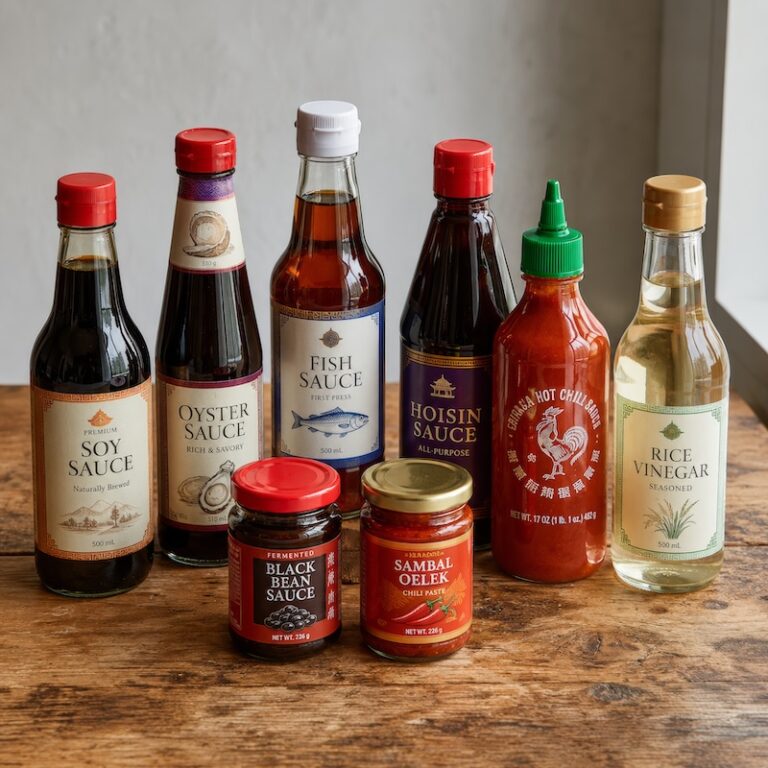
Asian pantry sauces are not interchangeable. Soy sauce seasons and adds salt. Oyster sauce adds sweetness and depth. Fish sauce adds fermented umami without fishiness. Hoisin glazes and marinates. Black bean sauce builds savory base flavor. Each one does a specific job — knowing which job is the whole skill.
Asian Sauces Guide: What Each One Does and When to Use It
The most useful thing you can know about Asian sauces is what each one is actually doing in the dish — not just what it tastes like on its own. Soy sauce is a seasoning. Fish sauce is a depth-builder. Hoisin is a glaze. Oyster sauce bridges sweet and savory. Black bean sauce is a flavor foundation.
This guide covers the eight most useful Asian pantry sauces, explains what each one does, when to reach for it, and what happens when you substitute one for another.
Start Here: How to Think About Asian Pantry Sauces
- These are not the same category of ingredient. Some are seasonings (soy sauce, fish sauce). Some are glazes (hoisin, duck sauce). Some are cooking bases (black bean sauce, oyster sauce). Understanding which category a sauce belongs to tells you how and when to use it.
- Fermentation is the common thread. Most of the major Asian sauces — soy, fish, oyster, black bean — are fermented products. That's where the deep umami flavor comes from. Fermentation develops complexity that fresh ingredients alone can't produce.
- They're not just for Asian cooking. Fish sauce makes a better Caesar dressing. Soy sauce improves a braise. Hoisin glazes ribs. Once you understand what these sauces do, they become useful far outside the stir-fry context most people associate them with.
- Which ones to keep stocked: Soy sauce, oyster sauce, and fish sauce cover the widest range of applications. Add hoisin if you cook Chinese dishes regularly. Sriracha and sambal if you want adjustable heat. Black bean sauce for specific Chinese applications.
Flavor & Function: What Each Sauce Actually Does
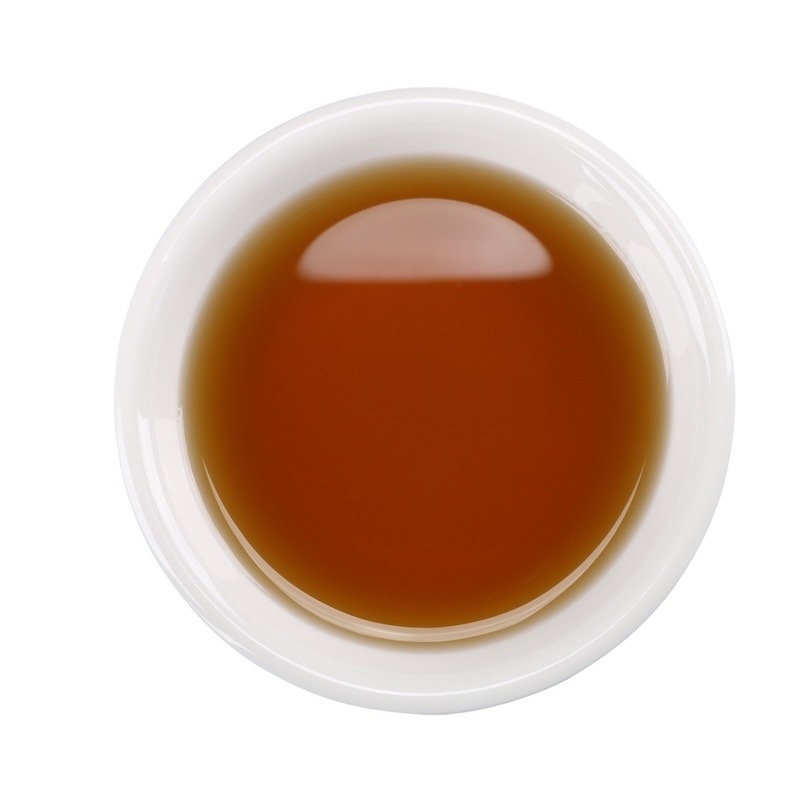
- Soy sauce — flavor profile: Salty, savory, deeply umami, with a slight caramel note in darker versions. Saltiness mellows with heat and cooking time; raw soy sauce is sharper than cooked.
- Soy sauce — role: Seasons and adds salt. Also provides umami depth and color. The foundational seasoning of most East and Southeast Asian cooking.
- Oyster sauce — flavor profile: Thick, sweet-savory, with a subtle briny depth. Less salty than soy sauce, more complex than hoisin. Heat reduces the sweetness slightly and concentrates the umami.
- Oyster sauce — role: Adds body, color, and a rounded savory-sweet depth to stir-fries, braises, and vegetable dishes. Does not taste like oysters in a finished dish.
- Fish sauce — flavor profile: Pungent and funky straight from the bottle; deeply savory and almost invisible when incorporated into a dish. The fishiness disappears with heat — what remains is pure umami.
- Fish sauce — role: Depth-builder and seasoning. Adds a layer of fermented complexity that soy sauce doesn't provide. Works in non-Asian applications — soups, braises, salad dressings — anywhere you want more savory depth without identifying the source.
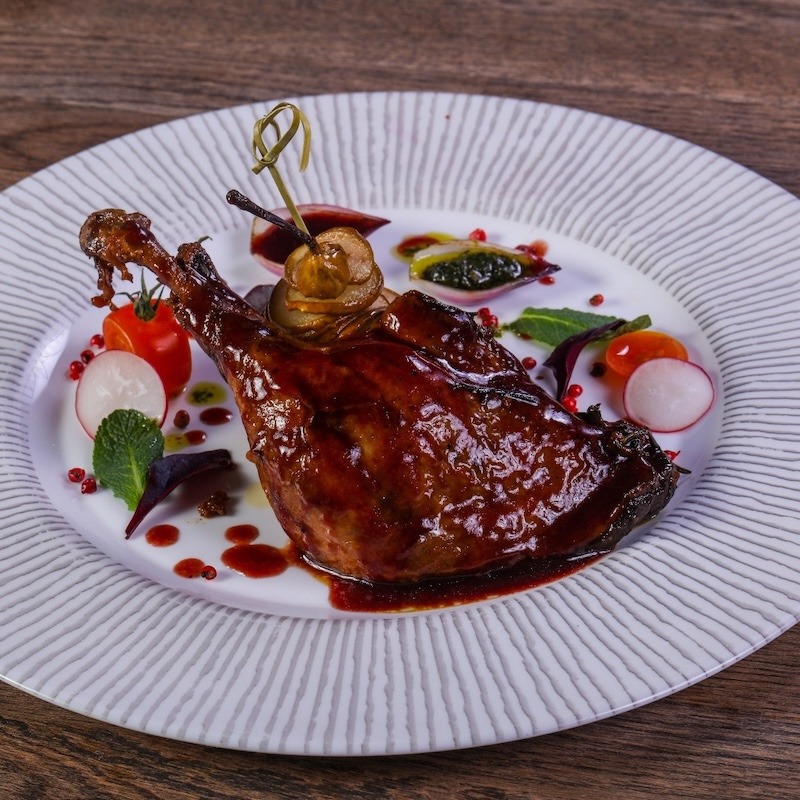
- Hoisin sauce — flavor profile: Sweet, thick, slightly spicy, with a fermented soybean base. Closer to barbecue sauce in function than to soy sauce. Doesn't change dramatically with heat — caramelizes into a glaze.
- Hoisin sauce — role: Glazing, marinating, and finishing. Not a cooking sauce in the way soy or oyster sauce is — it's applied to surfaces or used as a dipping sauce. At high heat it caramelizes quickly.
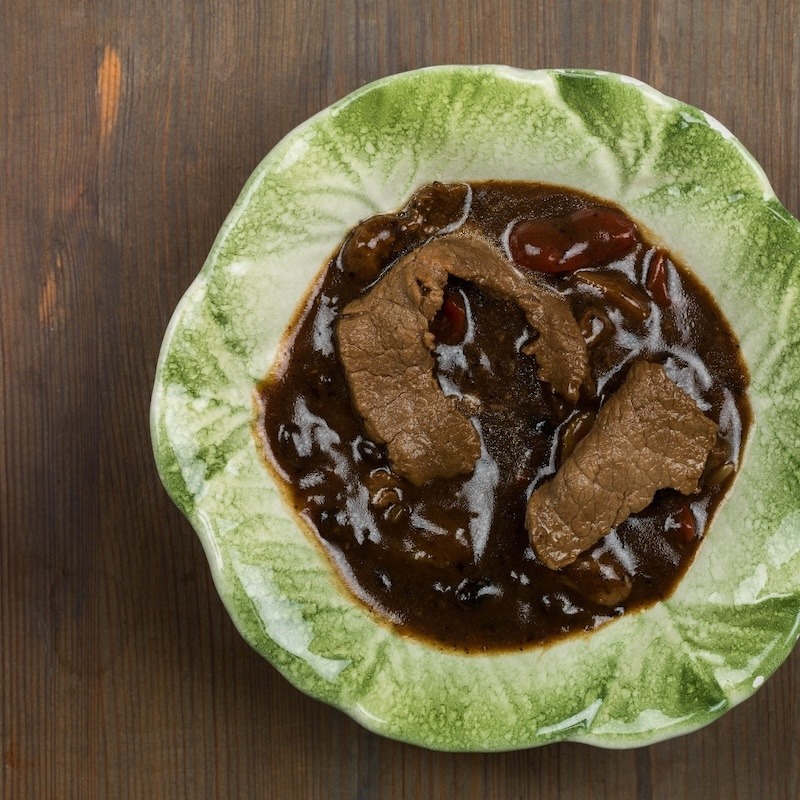
- Black bean sauce — flavor profile: Intensely savory, salty, slightly funky from fermentation, with a depth that's harder to describe than soy sauce. The fermented black soybeans provide a flavor baseline nothing else replicates.
- Black bean sauce — role: Flavor foundation for stir-fries and braises. Added early, it builds the base flavor of the dish. Not a finishing sauce — it needs heat and time to integrate.
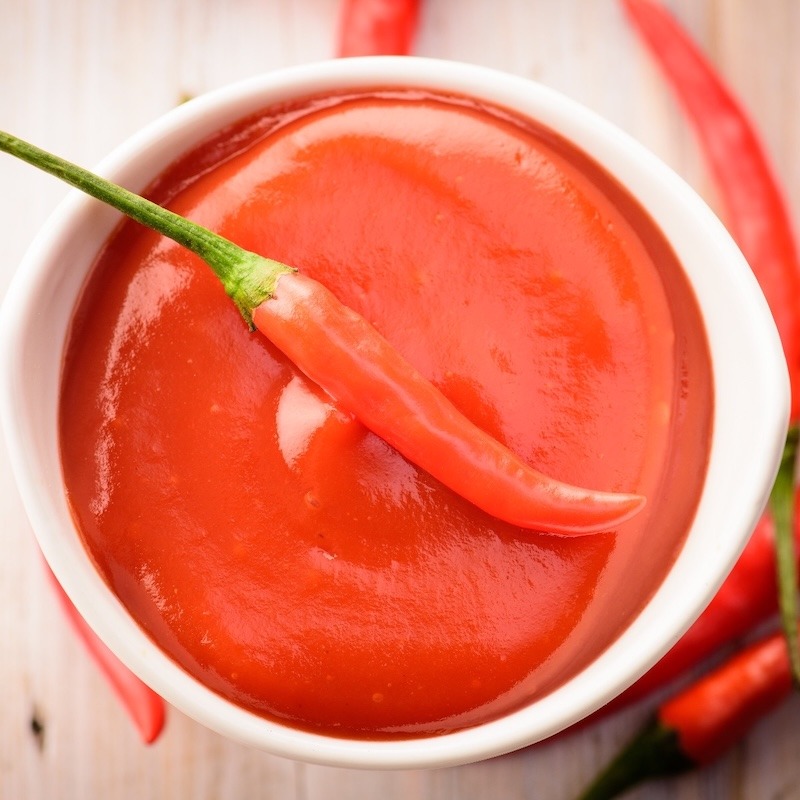
- Sriracha — flavor profile: Bright, garlicky, moderately hot, with a slight sweetness and vinegar tang. The heat is front-loaded — it arrives quickly and fades.
- Sambal — flavor profile: More complex than sriracha — deeper chile flavor, less vinegar, often with shrimp paste or other fermented elements depending on the variety. The heat is more persistent.
Asian pantry sauces guide - season, build, and finish categories with flavor profiles and cooking functions
Asian pantry sauces
Every sauce has one job. Know the job, and you know when to reach for it.
Soy + oyster + fish sauce covers 80% of what you need
Using soy sauce as a substitute for every other Asian sauce
Build sauces early - season mid-cook - finish at the end
Fish sauce first -- Red Boat 40N over any budget brand
Think Like a Cook: Season, Build, or Finish?
- The most useful mental model for Asian sauces: every sauce is doing one of three jobs — seasoning, building base flavor, or finishing.
- Seasoning sauces (soy sauce, fish sauce) go in during or after cooking to add salt and depth. They're adjustable — taste and add more.
- Base-building sauces (black bean sauce, oyster sauce) go in early and need heat and time to integrate. They're the backbone of the dish, not the accent.
- Finishing sauces (hoisin, duck sauce, sriracha, sambal) are applied at the end or used as condiments. They sit on top of the dish rather than becoming part of it.
- Most home cooks use all of these as condiments or finishing sauces — drizzled on at the end — and wonder why the dish tastes one-dimensional. The base-building sauces only do their job when they go in early.
How to Choose Asian Sauces at the Store
- Soy sauce — read the ingredient list. Quality soy sauce contains soybeans, wheat, water, and salt — nothing else. Avoid anything with caramel color, artificial flavors, or hydrolyzed vegetable protein. Kikkoman is a reliable everyday standard. San-J tamari is the best widely available wheat-free option.
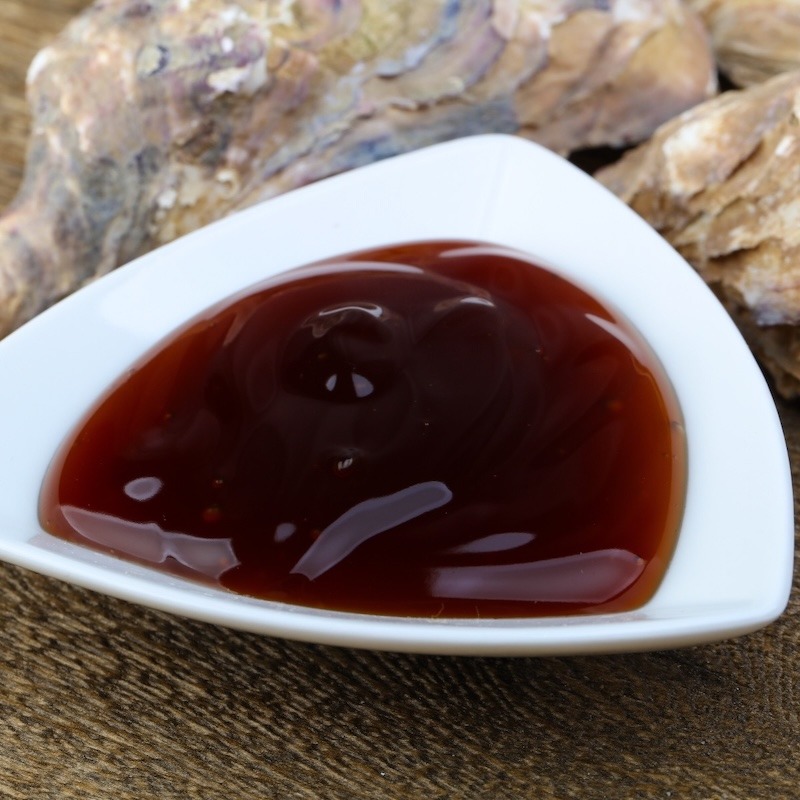
- Oyster sauce — check for actual oyster extract. Cheaper versions use oyster flavoring rather than real oyster extract. Lee Kum Kee Premium Oyster Sauce (the green label, not the panda label) is the benchmark most Chinese restaurant kitchens use.
- Fish sauce — the fewer the ingredients the better. Good fish sauce contains fish and salt, full stop. Red Boat 40°N is the premium standard — noticeably cleaner and less harsh than budget options. Tiparos and Megachef are solid mid-range choices.
- Hoisin sauce — brand matters here. Lee Kum Kee is the most consistent widely available option. Some brands are noticeably sweeter or thinner — try a few if you use it regularly.
- Black bean sauce — look for fermented, not just flavored. The ingredient list should feature actual fermented black beans near the top, not "black bean flavoring." Lee Kum Kee Black Bean Garlic Sauce is the easiest to find and genuinely good.
- Sriracha — Huy Fong vs. everything else. The rooster bottle (Huy Fong) is the reference point most people know. It went through availability problems a few years ago and alternatives emerged — Shark brand is popular in Southeast Asia and worth trying. The flavor profiles differ more than you'd expect.
Types and Variations Worth Knowing
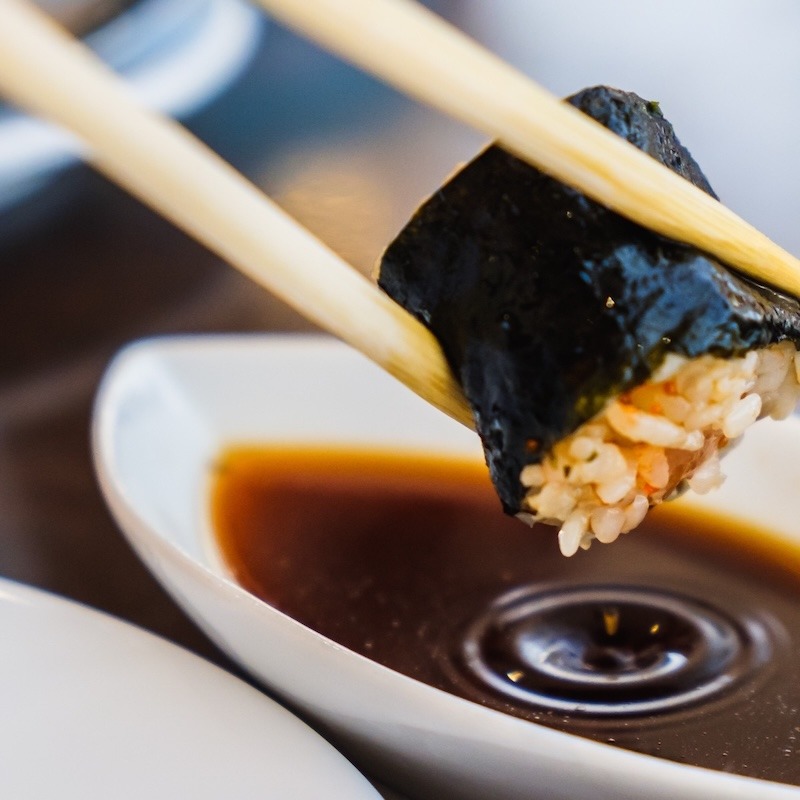
- Soy sauce — light vs. dark: Light soy sauce (thin, saltier) is for seasoning and dipping. Dark soy sauce (thicker, sweeter, less salty) adds color and a molasses-like depth to braises and fried rice. They are not interchangeable — using dark where light is called for over-colors and over-sweetens the dish.
- Soy sauce — tamari: Japanese soy sauce made with little or no wheat. Richer and slightly less salty than regular soy sauce. The right choice for gluten-free cooking and for dipping sauces where you want a cleaner, rounder flavor.
- Soy sauce — coconut aminos: Soy-free, made from coconut sap. Noticeably sweeter and less salty than soy sauce. A reasonable substitute for people avoiding soy — adjust salt separately.
- Fish sauce — regional variations: Thai fish sauce (nam pla) is the most widely available. Vietnamese fish sauce (nuoc mam) tends to be slightly lighter and less pungent. Filipino patis is stronger and saltier. They're interchangeable in most applications.
- Sambal — oelek vs. terasi vs. matah: Sambal oelek is the purest — just ground chiles and salt, no additional flavoring. Sambal terasi includes shrimp paste for deeper fermented flavor. Sambal matah is a raw Balinese version with lemongrass and lime. Sambal oelek is the most versatile and widely available.
- Hoisin — not the same as duck sauce: They're often confused and sometimes used interchangeably as dipping sauces in American Chinese restaurants, but they're different products. Hoisin is fermented soybean-based, savory and complex. Duck sauce is fruit-based (plum or apricot), simpler and sweeter.
- Rice vinegar — the sauce-adjacent pantry staple: Not a sauce but worth including here — it bridges most of these sauces in dressings and marinades. Rice vinegar and rice wine vinegar are the same thing, despite the labeling confusion. Mirin is different — it's sweetened and contains residual alcohol. Not interchangeable with plain rice vinegar.

What Most Cooks Get Wrong About Asian Sauces
- Adding fish sauce at the end and tasting it straight. Fish sauce smells and tastes harsh directly from the bottle. In a finished dish it becomes invisible — just savory depth. If you're tasting a drop and wincing, that's not how it works. Add it during cooking and taste the dish, not the sauce.
- Using soy sauce as a substitute for every other Asian sauce. Soy sauce is a seasoning. Oyster sauce is a base. Hoisin is a glaze. They are not the same ingredient in different bottles. Substituting soy sauce for oyster sauce in a stir-fry produces a saltier, thinner, less complex dish.
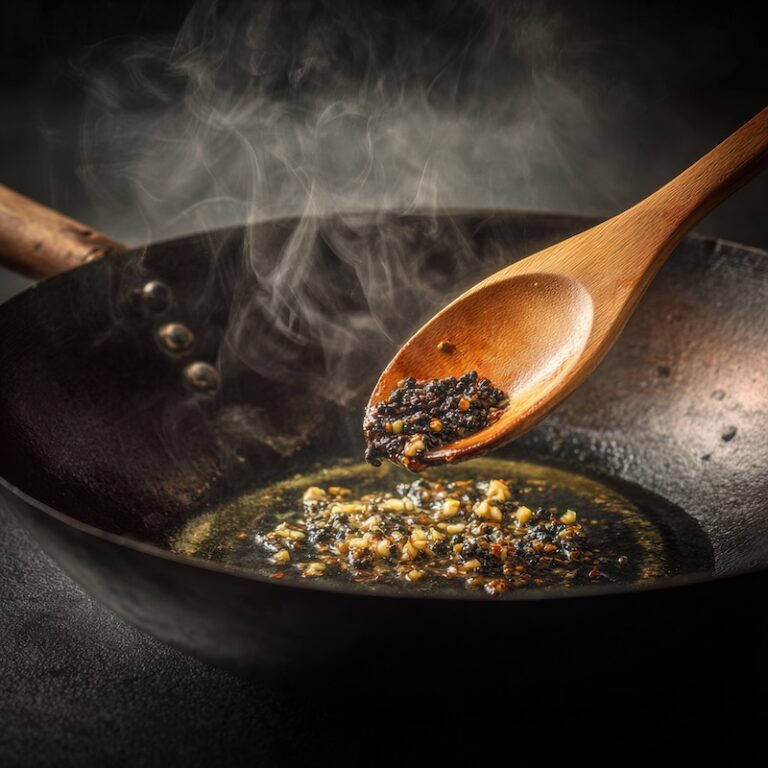
- Adding black bean sauce at the end. Black bean sauce needs heat and time to bloom. Added at the end of cooking it tastes raw and harsh. Add it early — cook it in oil with garlic and ginger for 30–60 seconds before adding anything else.
- Treating hoisin as a cooking sauce. Hoisin caramelizes quickly at high heat and burns easily. It belongs on surfaces (marinades, glazes) or at the table, not in a hot wok for an extended cook.
- Confusing rice vinegar and mirin. Rice vinegar is acidic and clean. Mirin is sweet, slightly alcoholic, and less acidic. Using mirin where rice vinegar is called for makes a dish sweeter and muddier. They each have a specific job. — A point worth flagging because it came up in the comments here and Chef Mark got it wrong initially before correcting himself, which is worth acknowledging.
- Buying the cheapest fish sauce. Budget fish sauce has additives that create a harsh, unpleasant flavor that doesn't cook out. It's the ingredient most worth spending an extra dollar or two on. The difference between Red Boat and a bargain-bin fish sauce is dramatic.
Quick Diagnosis: When Your Asian-Inspired Dish Isn't Working
- Dish tastes flat and one-dimensional → missing a fermented base element → add a small amount of fish sauce or oyster sauce and stir in; let cook 1–2 minutes
- Stir-fry tastes too salty → too much soy sauce added too early, or low-quality soy sauce with additives → balance with a pinch of sugar or a splash of rice vinegar; use less soy next time and taste as you go
- Dish smells too fishy → fish sauce added at the end instead of during cooking → add earlier next time; the fishiness cooks off completely with heat
- Hoisin glaze burned → heat too high or applied too early → hoisin caramelizes fast; apply in the last 2–3 minutes of cooking only, over medium rather than high heat
- Black bean sauce tastes harsh and raw → added too late → next time cook it in oil first for 30–60 seconds before adding other ingredients
- Dish too sweet → too much hoisin or duck sauce, or mirin used instead of rice vinegar → balance with a few drops of rice vinegar or a splash of soy sauce
Substitutions That Actually Work
- Fish sauce → soy sauce + a squeeze of lime: Gets close to the salty-sour balance but lacks the fermented depth. Works in a pinch for dressings and dipping sauces. Not ideal for long-cooked dishes where fish sauce's complexity matters.
- Oyster sauce → hoisin sauce + a splash of soy sauce: Hoisin is sweeter and thicker — thin it slightly and reduce the sweetness with soy. Reasonable substitute for stir-fries. The fermented oyster depth is missing but the dish still works.
- Soy sauce → tamari (1:1): Nearly identical in most applications. Tamari is slightly richer and less salty. Best direct substitute for gluten-free cooking.
- Soy sauce → coconut aminos: Noticeably sweeter and less salty. Add a pinch of salt separately. Works well in dressings and marinades where the sweetness doesn't create problems.
- Sriracha → sambal oelek + a pinch of sugar + small amount of garlic: Gets you most of the way there. Sambal is less sweet and more complex — the result will be slightly different but works in most applications.
- Hoisin → plum sauce: Sweeter and fruitier, less savory. Works as a dipping sauce substitute. Not ideal for glazing — the fruit sugars burn faster than hoisin's soybean-based sweetness.
- Black bean sauce → miso paste + soy sauce: Different fermented base — Japanese rather than Chinese. The flavor profile shifts but the depth remains. Use white or yellow miso for the closest result.
How to Use Asian Sauces Well
- Soy sauce — timing: Add during cooking for depth and color, or at the table for brightness. Don't add all your soy sauce at the start of a stir-fry — it reduces, concentrates, and can make the dish too salty before anything else has a chance to develop.
- Fish sauce — quantity: Start with less than you think you need. A teaspoon in a dish for four people is usually enough to add depth without announcing itself. Build up from there.
- Oyster sauce — use it where you'd use butter: In vegetable stir-fries particularly, a tablespoon of oyster sauce stirred in at the end adds a rounded richness that makes the dish feel finished rather than just cooked.
- Black bean sauce — always cook it first: Heat a tablespoon of oil, add the black bean sauce, cook for 30–60 seconds until fragrant before adding any other ingredient. This is non-negotiable — it blooms the flavor and removes the raw edge.
- Hoisin — use it thin: For marinades, thin hoisin with a little soy sauce and rice vinegar before applying. Pure hoisin straight from the jar is too thick and sweet to penetrate meat — thinned slightly it distributes better and caramelizes more evenly.
- Fish sauce in non-Asian cooking: A small amount of fish sauce in a tomato-based braise, a Caesar dressing, or a Worcestershire-forward dish adds depth without anyone being able to identify it. This is not a gimmick — it's the same fermented umami logic that makes Worcestershire and anchovies work. Drew, in our comments from 2010, was right — fish sauce works in Caesar if you don't have anchovies.
What Asian Pantry Sauces Pair Well With
- Soy sauce: ginger, garlic, sesame oil, rice vinegar, honey, citrus, pork, chicken, tofu, mushrooms, bok choy, noodles
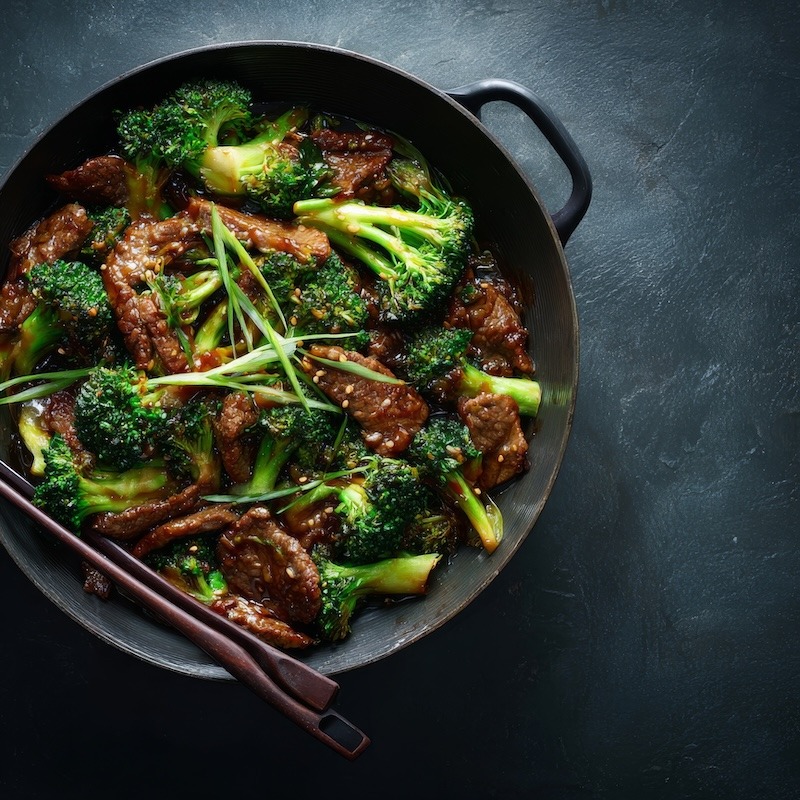
- Oyster sauce: beef, broccoli, snap peas, mushrooms, Chinese broccoli (gai lan), garlic, ginger — any stir-fry vegetable that needs a savory-sweet finish
- Fish sauce: lime, chili, garlic, shallots, fresh herbs (mint, cilantro, basil), ground pork, shrimp, green papaya, cucumber — classic Southeast Asian flavor profile
- Hoisin sauce: five-spice, sesame, scallions, pork belly, duck, char siu, rice paper (Vietnamese spring rolls), bao buns
- Black bean sauce: garlic, ginger, pork, clams, tofu, eggplant, bell peppers — particularly good with ingredients that can stand up to its intensity
- Sriracha: eggs, avocado, noodles, fried rice, tacos, grilled proteins — works across cuisines as a clean heat source
- Sambal oelek: coconut milk (cuts the sweetness), shrimp, grilled meats, fried rice, noodle soups — more complex than sriracha for dishes where you want the chile to be a flavor, not just heat
- Across all of them: rice, noodles, sesame oil (finishing), scallions, fresh lime — the building blocks that make these sauces feel at home
Rice Vinegar vs. Rice Wine Vinegar: Are They the Same?
- Short answer: yes, they're the same thing. The labels are inconsistent but the product is identical. Rice is fermented into an alcoholic beverage first, then that is fermented into vinegar. "Rice wine vinegar" just describes the process; "rice vinegar" is the simpler name for the same result.
- Why the confusion exists: Some manufacturers use one term, some use the other. Asian market brands often say "rice vinegar." American brands often say "rice wine vinegar." Both are fine. I got this wrong in the original version of this post and a reader named Rob kept pushing back until I called the manufacturer to verify. He was right to push.
- Mirin is different. Mirin is sweetened rice wine with residual alcohol — it's not a vinegar at all. It's used in Japanese cooking for glazing and seasoning. If a recipe calls for rice vinegar and you use mirin, the dish will be sweeter and less acidic. They're not interchangeable.
- Seasoned rice vinegar: Has added sugar and salt. Fine for dressings and quick pickles. Not right for applications where you want plain acidity. Check the label.
Storage & Shelf Life
- Soy sauce: Indefinite shelf life unopened. Once opened, store in the refrigerator — quality declines faster at room temperature, particularly for lighter soy sauces. A year in the fridge is fine; two years and the flavor starts to flatten.
- Fish sauce: Keeps for up to 2 years refrigerated after opening. A slight darkening over time is normal. If it develops a rancid or off smell beyond the usual pungency, discard it.
- Oyster sauce: Refrigerate after opening. Keeps for 6 months to a year. Darkening and thickening is normal. Discard if it smells sour.
- Hoisin sauce: Refrigerate after opening. Keeps for 1–2 years. Thickens in the cold — let it come to room temperature before using if you need it to spread.
- Black bean sauce: Refrigerate after opening. Keeps for 6–12 months. The surface may darken — stir before using. As long as it smells right it's fine.
- Sriracha: Technically shelf-stable but stays fresher refrigerated. The color will darken noticeably at room temperature over time — this is a quality issue, not a safety one. Refrigerated, it keeps for 1–2 years.
- General rule: If it smells off, discard it. Most of these sauces are heavily preserved by salt and fermentation — spoilage is rare but not impossible.
Worth the Upgrade?
- Worth it — fish sauce: Red Boat 40°N costs about twice what budget fish sauce costs and the difference is dramatic. Budget fish sauce has a harsh chemical edge that doesn't cook out. Red Boat is clean, rich, and actually improves dishes rather than just adding salt. If you only upgrade one sauce, upgrade this one.
- Worth it — soy sauce: Kikkoman or San-J over store-brand or ultra-cheap options. The difference in flavor is real and the price gap is small.
- Worth it — oyster sauce: Lee Kum Kee Premium (green label) over the cheaper panda label. Real oyster extract versus oyster flavoring — you can taste the difference in a simple vegetable stir-fry.
- Not worth it — hoisin sauce: Most major brands are comparable. Lee Kum Kee is reliable but not dramatically better than similar-priced alternatives. Not the place to spend more.
- Not worth it — sriracha: Unless you're very particular about brand, the flavor differences between major brands are minor in cooked applications. Save your money here.
Explore More on This Topic
- How to Grind Your Own Spices — Why freshly ground spices — including five-spice — make a noticeable difference in dishes that use hoisin and Chinese marinades — the technique behind getting more out of the spices these sauces are built on.
- Everything You Need to Know About Dim Sum — The context for where hoisin, duck sauce, and chili oil do their best work as dipping sauces and condiments — history, culture, popular dishes, and why Sunday dim sum is a ritual worth understanding.
- The Home Cook's Guide to Popular Eating Fish — The connection between fermented fish products and the seafood they come from — useful background for anyone who wants to understand why fish sauce tastes the way it does.
- White Pepper: The Spice You've Been Ignoring — Why white pepper is the finishing spice in Chinese stir-fries where black pepper would look wrong and taste different — the pepper these sauces were designed to work alongside.
- What Is Worcestershire Sauce? — How Worcestershire and fish sauce work on the same fermented umami logic — just from different culinary traditions — understanding one helps you understand the other.
Frequently Asked Questions
What is the difference between hoisin sauce and oyster sauce? Hoisin is a thick, sweet-savory sauce made from fermented soybeans, sugar, and spices — it’s used primarily as a glaze, marinade, or dipping sauce. Oyster sauce is made from oyster extract and is savory with a subtle sweetness — it’s a cooking sauce added during stir-frying or braising to build depth. They’re doing different jobs and aren’t interchangeable, though you can approximate one with the other in a pinch.
Does fish sauce taste fishy in a finished dish? No — not if used correctly. The fishiness is volatile and cooks off with heat. What remains is pure umami depth. The only time a dish tastes fishy from fish sauce is when it’s added at the very end without cooking. Add it during cooking and it becomes invisible. This is why it works in non-Asian dishes like Caesar dressing and tomato braises.
What’s the difference between sriracha and sambal? Sriracha is smooth, bright, garlicky, and moderately hot with a vinegar tang. Sambal is chunkier, deeper, and more complex — often made with shrimp paste or other fermented ingredients depending on the variety. Sriracha is more consistent and predictable; sambal has more character. Sambal oelek (just chiles and salt) is the most versatile and widely available sambal variety.
Is rice vinegar the same as rice wine vinegar? Yes — the labels are inconsistent but the product is the same. Rice is fermented into an alcoholic liquid first, then that liquid is fermented into vinegar. Both names describe the same process and the same product. Mirin is different — it’s sweetened, contains residual alcohol, and is not a substitute for rice vinegar.
Can I substitute soy sauce for oyster sauce? In a pinch, yes — but the dish will be saltier, thinner, and less rounded. Oyster sauce has a sweetness and body that soy sauce doesn’t provide. If you’re substituting, use slightly less soy sauce and consider adding a small pinch of sugar and a few drops of sesame oil to approximate the depth.
What Asian sauces should every home cook keep stocked? Three covers most situations: soy sauce, oyster sauce, and fish sauce. Add hoisin if you cook Chinese dishes regularly, and sriracha or sambal if you want adjustable heat. Rice vinegar and sesame oil aren’t technically sauces but belong in the same conversation — they complete most of the flavor combinations these sauces are used in.
What is black bean sauce used for? Primarily as a flavor base in Chinese stir-fries and braises — dishes like beef with black bean sauce or clams in black bean sauce. It’s added at the beginning of cooking, cooked in oil with garlic and ginger, and forms the savory foundation the other ingredients build on. It’s not a finishing sauce or a condiment.
Why does my stir-fry always taste flat compared to a restaurant? Usually one of three things: not enough heat (home burners are weaker than restaurant woks), insufficient seasoning base (black bean sauce or oyster sauce going in too late), or missing the finishing elements (a few drops of sesame oil and a splash of rice vinegar off the heat). Restaurant wok cooking also benefits from wok hei — the charred flavor from extremely high heat — which is hard to replicate at home but high heat and a dry wok help.
22 Responses
Fish sauce — also sometimes called “nam pla”, if labeled for the immigrant market — is also great for making Caesar salad, if you don’t have any anchovies. Just a little be added to the dressing and you’re good.
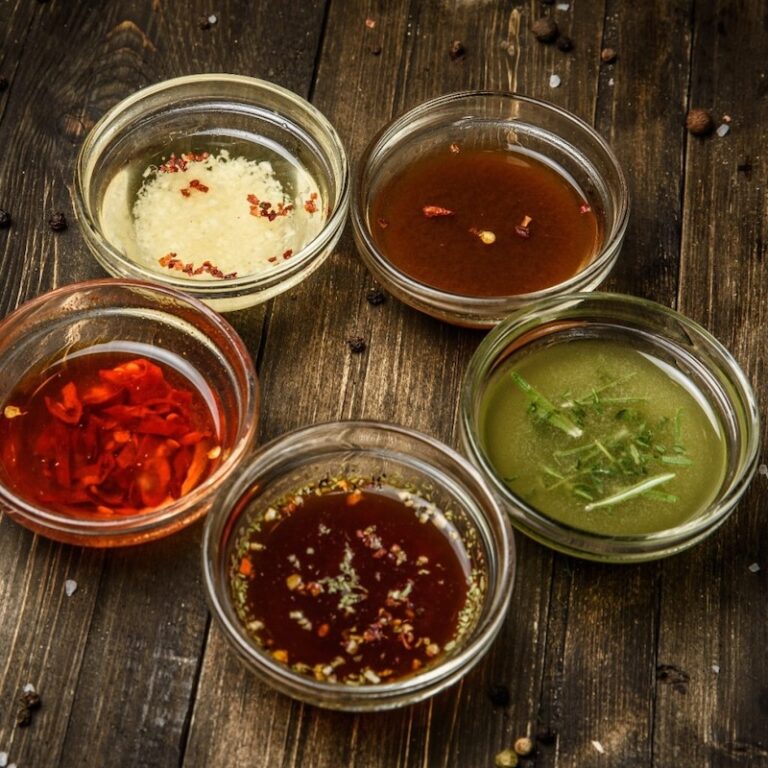
Hey, I just happen to have acquired that little shaker of Japanese chili powder you have in the picture. Got any great recipes or ideas on what to do with hit?
Hey Scott, just think about all the great dishes you could bring to life with your Japanese chili powder? It really depends on what style of cooking you like but I’m sure you can bring heat to just about anything you cook with it.
Hi Mark ~
Any simple ideas how to prepare authentic Asian garlic noodles? Can any pasta be used? Long noodles seem to be more fun. Drooling at the thought! Thanks for helping.
Marcee:
I don’t have a prepared recipe for that specific dish but I can tell you how I would generally approach it. I would start by stir-frying a generous amount of garlic in vegetable or light sesame oil. Be careful not to burn the garlic. Then I would go one of two ways. You could add black bean sauce and then cooked asian egg noodles, (I prefer the egg), or instead of the black bean sauce add soy sauce and sambal to the garlic, and then add the cooked noodles. A squirt or two of rice vinegar wouldn’t hurt either.
Scott:
The sky is truly the limit for your chile powder. I have a number of chile powders in my pantry at any point in time. I always have a store-bought cayenne powder, but I also make my own from other types of hot peppers, especially habanero. The possibilities are endless: meat, sauces, marinades, soups, salsas, deviled eggs, tortilla dough, taco meat, quesadillas, chile oil, fried chicken wings, etc. etc. etc.
Chef Mark:
What is the difference between “Rice Vinegar” and “Rice Wine Vinegar” ? I find Rice Vinegar at my local Asian market, but cannot find the Rice Wine Vinegar. Thanks in advance for your answer – I appreciate it!
They’re the same. In order to make vinegar you first have to ferment the sugar in something into alcohol (i.e. make rice wine) and then ferment the alcohol into acetic acid (i.e. vinegar). “Seasoned Rice Wine vinegar” is also known as “mirin” or “seasoned rice vinegar” and will add a touch of sweetness. It is most often used in Japanese cooking in combination with plain rice vinegar. And any Japanese chef will beg you not to interchange them, as their flavor profiles are different (mirin is sweet and less acidic). So, if you only keep mirin around, be sure to adjust the added sugar accordingly. But honestly, for the best outcome, I recommend using rice vinegar when the recipe calls for it. For example, the vinegared rice in sushi is made using a combination of Rice Vinegar, Mirin and Sugar. If the RV was omitted, it just wouldn’t taste good. I also use RV whenever white vinegar is needed. It makes great cole slaw and salad dressings! Since I discovered it, I haven’t used white vinegar in cooking! I will also use Mirin in place of apple cider vinegar, simply because I really don’t like acv.
Thanks ChannonD for your detailed explanation to Rob. Great information and I really appreciate your sharing it with us.
Rob:
Thank you for your query. Rice vinegar is made from fermented rice. Rice wine vinegar from wine made from the rice. Both have many different recipes and styles. I have never used rice vinegar. I always use rice wine vinegar. Rice wine vinegar is usually seasoned, and a little sugar added. It’s tasty and I love it in dressings, especially any kind of Asian salad or dressing. It’s also used to season sushi rice.
Chef Mark: About a month ago I wrote you asking about the difference between Rice Vinegar and Rice Wine Vinegar. You said there was a difference and that you used Rice Wine Vinegar. I cannot find Rice Wine Vinegar…only Rice Vinegar, even in my local Asian markets –and– they tell me they are one and the same. Even a lot of Internet articles say they are the same. However, I’m inclined to believe they are not, as your told me. I was even told by one market to “mix” Rice Vinegar and Rice Cooking Wine (not Sake). Can you point me in the right direction and tell me how I might obtain Rice Wine Vinegar without buying it over the Internet? Also, is there anything you can tell me about Mirin? Thanks!
Rob:
I was wrong! I have come across published sources and even other culinary people who espoused what I originally said: That there was a difference between rice vinegar and rice wine vinegar. But in response to your query I called Marukan Vinegar Inc. one of the foremost authorities on rice vinegar. Their website is http://www.marukan-usa.com/ and their phone # is 562-630-6060. I spoke to John, (ext. 125), one of their representatives who was quite informed on this issue and addresses it regularly.
He said that rice vinegar and rice wine vinegar are one in the same. They are trying to get away from the term “rice wine” and just use “rice” vinegar. The deal is, that rice is fermented into an alcoholic beverage, (which technically is NOT wine. He said it would be better classified as a whiskey since rice is a grain). This resulting alcoholic beverage is then made into vinegar.
Mirin is Japanese rice vinegar which is usually sweeter than typical rice vinegar and also has some residual alcohol left in it.
I am sorry about my earlier misinformation and I am indeed indebted to you for being persistent and following up. Otherwise I would have remained wallowing in my misnomers. Thank you very much.
Chef Mark
Thanks Mark for doing the research and helping us understand more about this subject. – RG
Chef Mark and RG . . . Thank you so much for all the hard work/research regarding my questions. I really appreciate both of you.
I thought General’s Tso’s chicken was made with Hunan sauce? Is Hunan sauce a variation of duck sauce?
Not sure Michael so I’ll ask Chef Vogel to respond. – RG
My understanding is that “hunan sauce” is a generic term as opposed to a specific recipe. I googled hunan sauce and came across a number of different recipes. Hunan sauce however, is not duck sauce, which is a plum sauce. But since the term “hunan sauce” is used rather liberally, I wouldn’t be surprised if there are duck sauces, or duck-type sauces out there that have been referred to as hunan sauce.
Thank’s for clearing that up. Can you tell me what sauce is used for Mandarin Chicken and also Sesame Chicken? Or can provide recipes?
General Tso’s chicken is not made with Hunan sauce — it’s typically coated in a sauce built from soy sauce, rice vinegar, sugar, garlic, ginger, and dried chilies, which gives it that glossy, sweet-spicy finish. “Hunan sauce” is more of a loose regional description than a specific recipe — it generally means a spicier, garlic-forward sauce from Hunan province, and it has nothing to do with duck sauce, which is a fruit-based condiment made from plums or apricots.
I have never specifically made “hunan” chicken or sesame chicken. I suspect the “hunan” chicken is again, a general term and I’m sure recipes vary from restaurant to restaurant and from chef to chef. In fact I googled it and could not find any two alike.
Even dishes that have a somewhat more clearly defined recipe can vary from chef to chef. For example, I love beef chow mein but every place I have it has a slightly different spin.
I am actually glad to read this web site posts which includes tons of helpful information, thanks for providing such data.
My question is, is it possible to dehydrate all these sauces?
I know you can dehydrate sriacha. Thanx
es, most of these sauces can be dehydrated — spread thinly on a silicone mat in a dehydrator or low oven and they’ll dry into a powder or brittle sheet you can crumble into seasoning. Soy sauce, hoisin, and fish sauce all dehydrate well, though fish sauce will smell intense during the process — do it with good ventilation.
I’ve got to do a dinner for 75 to 100 people for a church group. We have some frozen Swai or Basa fish and I was thinking of baking the fish with some commercial “Asian Spice” sprinkled over the fish before baking. Can you recommend a good simple sauce or reduction that would give the fish a deeper flavor profile?
Thanks,
Chris
For a simple sauce that works beautifully with mild white fish like Swai or Basa, try a quick reduction of soy sauce, a splash of rice vinegar, a small spoonful of honey, and a little fresh ginger — simmer it for two or three minutes until slightly syrupy and spoon it over the fish in the last few minutes of baking. If you want more depth, a tablespoon of oyster sauce stirred into that same base will give you a glossy, savory glaze that plays well with most commercial Asian spice blends.