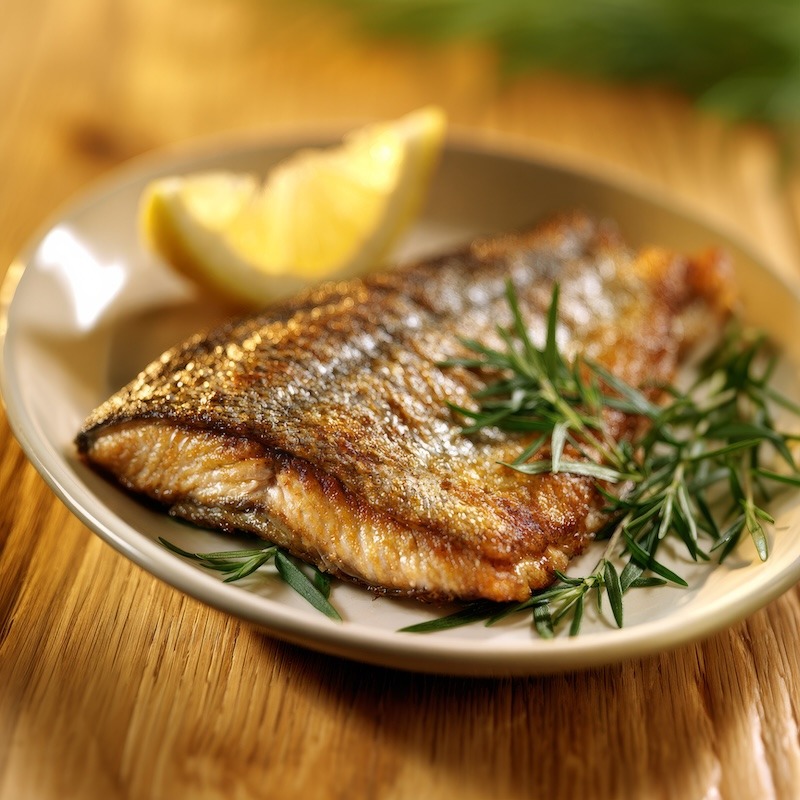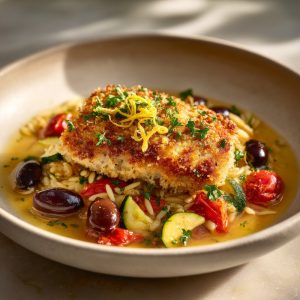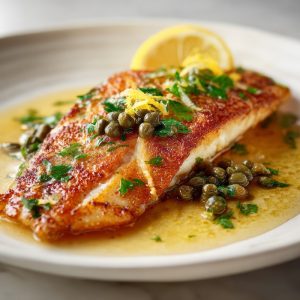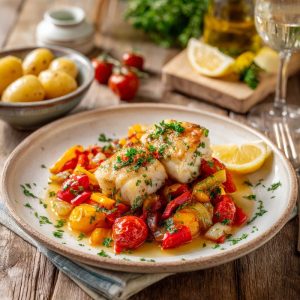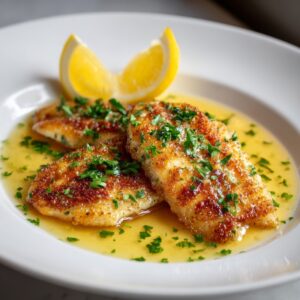
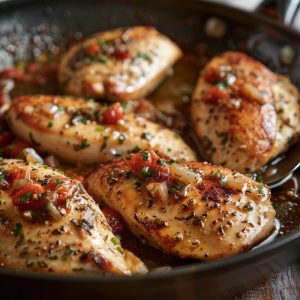
Pan-Seared Rainbow Trout Filets Recipe

Pan Fried trout Recipe

The Reluctant Gourmet Newsletter Is Back!

Yes, I'm starting up a new newsletter with step-by-step recipes, helpful cooking tips, and my latest funny cooking cartoons. Would love to have you on board.

Rainbow trout is one of the most underrated fish at the seafood counter. It cooks quickly, costs less than salmon, and has enough flavor to feel interesting without tasting aggressively “fishy.” The problem is that trout gives you a very small window between silky and dry. Miss it, and dinner starts tasting like a well-intentioned apology.

Fast Answer

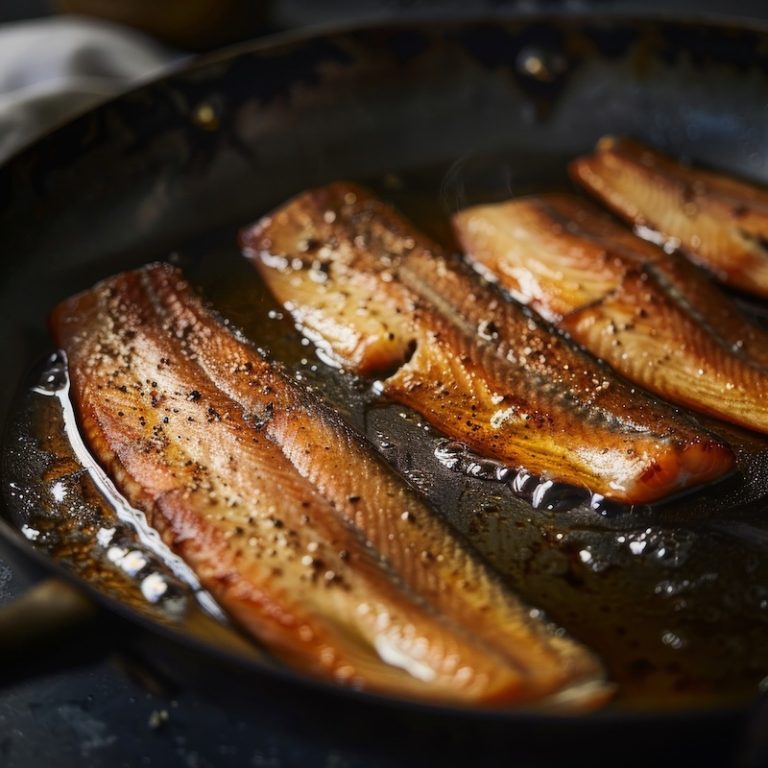
Rainbow trout filets cook best in a hot skillet with the skin side down first. Cook until the skin turns crisp and the flesh flakes easily but still looks slightly translucent in the center.

How to Cook Rainbow Trout Filets Perfectly

Rainbow trout rewards cooks who pay attention instead of cooks who multitask. It’s delicate, leaner than salmon, and cooks fast enough that one extra minute matters.

The good news is that trout also tells you exactly what’s happening if you know what to watch for. Crispy skin, changing color, loosening flesh, and gentle flaking all signal doneness better than blindly chasing a timer.

Start Here

  • Pat the fish dry: Moisture is the enemy of crispy skin.
  • Use a hot pan: Trout cooks quickly and needs immediate contact heat for good texture.
  • Start skin-side down: Most of the cooking happens on the skin side.
  • Don’t move it too early: The skin releases naturally once it crisps.
  • Pull it slightly early: Carryover heat finishes delicate fish gently.

Why This Recipe Works

  • High heat crisps the skin: Proper pan heat creates texture before the flesh overcooks.
  • Skin protects the fish: The skin acts like insulation during cooking.
  • Minimal flipping reduces breakage: Trout is delicate and benefits from less handling.
  • Lemon balances richness: Acid sharpens the flavor without overpowering the fish.
  • Fast cooking preserves moisture: Trout dries out quickly if overcooked.
    Do you cook trout skin-on or skinless? Pan-seared, grilled, smoked, or roasted? Share your favorite approach in the comments below because trout cooks tend to become very loyal to their method.

How To Cook Rainbow Trout Filets

Rainbow trout cooks quickly and beautifully when you use high heat, dry skin, and enough restraint to pull the fish before it dries out.
Prep Time10 minutes
Cook Time20 minutes
Total Time30 minutes
Course: Main Course
Cuisine: American
Keyword: trout
Servings: 6 servings

Equipment

  • Skillet

Ingredients

Instructions

Dry the Fish Thoroughly

  • Pat the trout filets dry with paper towels, especially the skin side.
    Dry skin creates direct contact with the pan, which is what produces a crisp texture rather than steaming.

Season Simply

  • Season both sides with salt and pepper just before cooking.
    Trout has a mild flavor, so heavy seasoning can quickly bury it quickly.

Heat the Pan Properly

  • Heat a skillet over medium-high heat until the oil shimmers but does not smoke aggressively.
    A properly heated pan prevents sticking and starts crisping immediately.

Cook Skin-Side Down First

  • Place the trout skin-side down and gently press with a fish spatula for 15–20 seconds if the skin curls. Leave the fish mostly untouched while the skin crisps.

Watch the Color Change

  • As the trout cooks, the flesh changes from translucent to opaque from the bottom upward. When the color change reaches about three-quarters of the way along the filet, the fish is ready to flip.

Flop Briefly

  • Turn the fish carefully and cook the second side for only 30–60 seconds.
    Trout finishes quickly and continues cooking from residual heat.

Finish With Butter & Lemon

  • Add butter, lemon juice, or herbs near the end of cooking. Spoon the butter over the fish until the sauce smells nutty and lightly coats the filet.

Rest Briefly Before Serving

  • Let the trout rest for about 1 minute before serving, so the juices settle slightly rather than running onto the plate immediately.
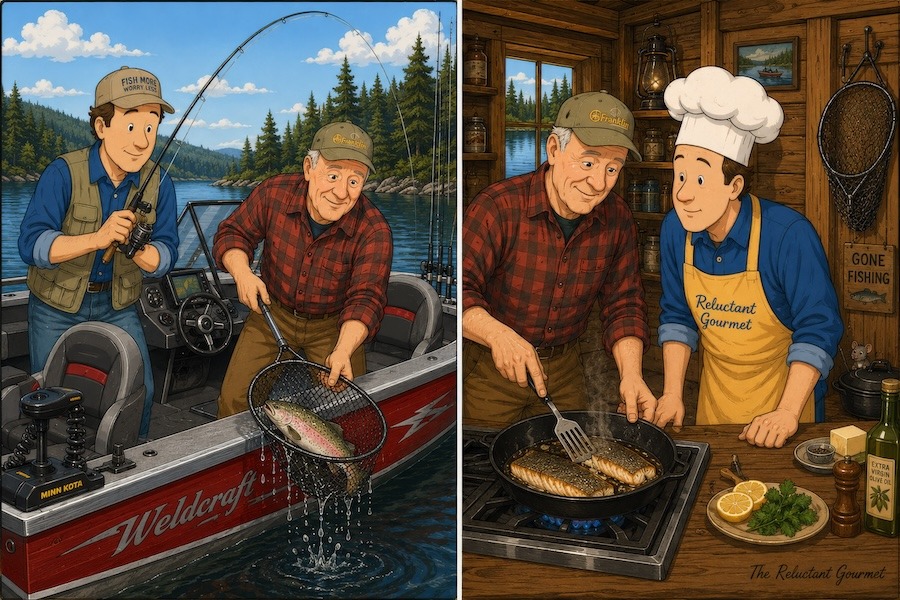
Frustrated cook making common mistakes.

What Most Cooks Get Wrong

  • Using low heat: The fish steams instead of searing and the skin turns limp.
  • Overcooking: Trout has less fat than salmon and dries out faster.
  • Flipping repeatedly: Delicate flesh breaks apart easily.
  • Crowding the pan: Too many filets lower the pan temperature immediately.
  • Skipping the drying step: Wet fish skin cannot crisp properly.

Quick Fixes & Pro Tips

  • Skin curling? Press the filet gently with a spatula for the first 20 seconds.
  • Want restaurant-style skin? Use a fish spatula and avoid touching the fish while it sears.
  • Butter timing matters: Add butter near the end so it browns instead of burns.
  • Unsure about doneness? Look for flesh that flakes easily but still glistens slightly inside.
  • Need extra texture? Finish with toasted almonds or crispy capers.
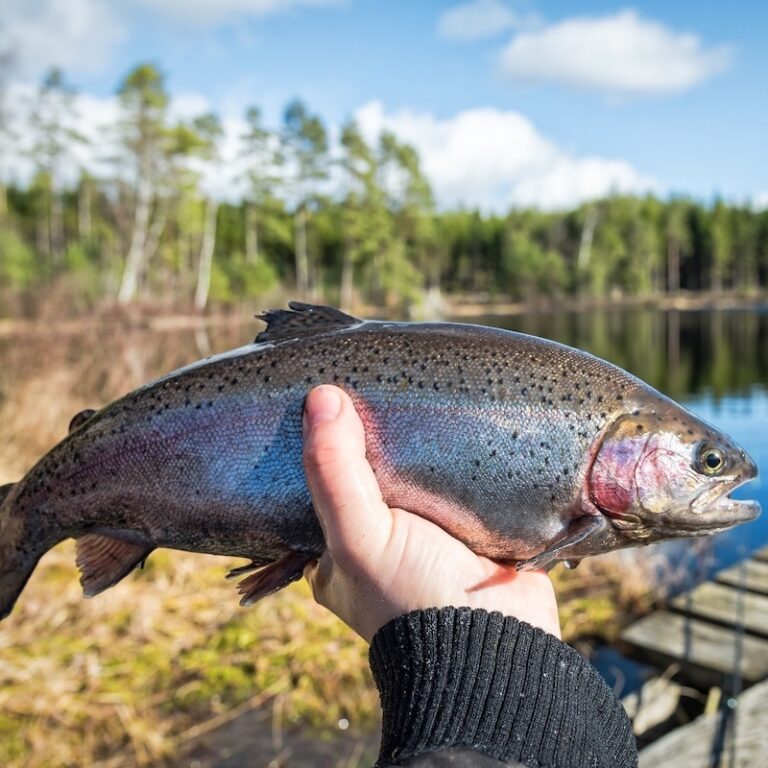
A hand holding up a just-caught rainbow trout

Quick Fixes & Pro Tips

  • Skin curling? Press the filet gently with a spatula for the first 20 seconds.
  • Want restaurant-style skin? Use a fish spatula and avoid touching the fish while it sears.
  • Butter timing matters: Add butter near the end so it browns instead of burns.
  • Unsure about doneness? Look for flesh that flakes easily but still glistens slightly inside.
  • Need extra texture? Finish with toasted almonds or crispy capers.

What You Can Serve With This

  • Roasted potatoes: Their crisp edges contrast nicely with delicate trout.
  • Asparagus or green beans: Fresh vegetables keep the plate balanced.
  • Wild rice: Nutty grains work well with lighter fish.
  • Lemon butter pasta: A good option if you want a richer meal.
  • Simple salad: Acidic vinaigrette cuts through buttery sauces.
  • Wine pairing: Sauvignon Blanc, Pinot Grigio, dry Riesling, or Chardonnay.

Storage & Make-Ahead

  • Refrigerator: Store cooked trout up to 2 days in an airtight container.
  • Best reheating method: Warm gently in a low oven to avoid drying the fish.
  • Avoid microwaving: It quickly overcooks delicate seafood.
  • Prep ahead: Pat the fish dry and season just before cooking for best texture.

What Temperature Should You Cook It To?

Rainbow trout should be cooked to an internal temperature of 63°C (145°F). This temperature is high enough to ensure that any harmful bacteria in the fish have been destroyed but not so high that the meat becomes dry and tough.

To check the internal temperature, insert a meat thermometer into the thickest part of the fish, away from bones and cartilage. When cooking rainbow trout, it is essential to avoid overcooking as this can lead to dry, tough meat.

Seasoning Combo What It Does Best For
Lemon, Garlic & Parsley Bright acidity and fresh herbs keep the trout tasting clean instead of heavy. Classic pan-seared trout
Dill, Lemon Zest & Butter Creates a softer, more delicate flavor profile that works well with trout’s mild sweetness. Elegant dinner plates
Thyme & Shallots Adds savory depth and a gentle earthy backbone without overpowering the fish. Cold-weather meals
Paprika, Cayenne & Lemon Builds contrast through heat, smoke, and acidity while keeping the fish lively. Tacos or rice bowls
Tarragon & White Wine Tarragon’s subtle anise flavor pairs naturally with buttery sauces and delicate seafood. French-style preparations
Rosemary & Garlic Pushes the trout in a more rustic, woodsy direction with stronger savory notes. Roasted potatoes and hearty sides
Coriander & Lime Fresh citrus and warm spice brighten trout without burying its flavor. Summer meals
Chili Flakes & Honey Glaze Sweet heat creates caramelized edges and balances trout’s lean texture. High-heat skillet cooking

A Little Bit About Rainbow Trout

  • Rainbow trout has excellent PR: The name alone sounds healthier and more emotionally stable than most fish.
  • Its color is part of the appeal: Rainbow trout usually has olive-green or blue-gray skin with a pinkish stripe running along the sides that becomes more vibrant during spawning season.
  • The flavor stays approachable: Trout is mild, slightly sweet, and less aggressively “fishy” than salmon or mackerel, which is why so many people who think they dislike fish end up liking trout.
  • It’s flexible in the kitchen: Trout handles pan-searing, grilling, baking, broiling, smoking, and poaching surprisingly well for such a delicate fish.
  • The skin is worth eating: When cooked properly, trout skin turns crisp and savory instead of feeling like damp seafood wallpaper.
  • It cooks fast: Which is wonderful right up until the moment you wander off to answer a text message and accidentally create trout jerky.

6 Interesting Facts About Rainbow Trout

  • Rainbow trout did not choose subtlety: Their colorful stripe can flash pink, red, blue, and purple depending on age, habitat, and season. They look like someone designed a fish during the disco era.
  • They’ve become international travelers: Rainbow trout originally came from cold Pacific waters in North America and Asia, but humans introduced them almost everywhere people enjoy fishing. Trout have basically achieved frequent-flyer status.
  • They’re surprisingly adaptable: Rainbow trout tolerate a wider range of water conditions than many fish species, which helps explain why they’ve spread around the world so successfully.
  • They eat like opportunists: Insects, crustaceans, smaller fish… if it fits in their mouth and moves slightly slower than they do, trout will probably investigate it as dinner.
  • Anglers love them because they fight back: Rainbow trout are known for strong runs, quick turns, and dramatic leaps. For a fish that eventually ends up with lemon butter, they put up an admirable protest.
  • They’re a major aquaculture fish: Trout farms worldwide produce millions of pounds each year. Fortunately, trout remain one of the few fish that can still feel elegant on a restaurant plate while also being practical enough for weeknight dinner.

Fresh Rainbow Trout

Different trout cooking methods create completely different results. Some emphasize crispy skin. Others protect moisture or add smoke. Choosing the right method matters almost as much as the seasoning.

Cooking Method Best Quality What to Watch For Best For
Pan-Searing Crispy skin and fast cooking Overcooks quickly if the pan is too hot Weeknight cooking
Grilling Smoky flavor and char Fish can stick or break apart easily Outdoor cooking
Baking Gentle, even cooking Can become dry if overbaked Whole trout or larger filets
Broiling Quick browning and crisp edges The top can overcook before the center finishes Thin filets
Steaming Maximum moisture retention No crispy texture development Delicate preparations
Sous Vide Extremely even doneness Needs a finishing sear for texture Precision cooking

These are some of the most common cooking methods for rainbow trout, but the fish can also be used in various recipes, including soups, stews, and curries.

Grilled Rainbow Trout

Trout changes personality depending on how you cook it. Some preparations lean bright and citrusy. Others move into buttery French territory or smoky appetizer mode. The trick is deciding what direction you want the fish to go before you start cooking.

Dish Flavor Direction Best Occasion Wine Pairing
Lemon Herb Grilled Trout Bright, fresh, citrus-forward Summer dinners and outdoor cooking Sauvignon Blanc or Pinot Grigio
Pan-Seared Trout with Almonds Nutty, buttery, crisp-skinned Date-night cooking Lightly oaked Chardonnay
Baked Trout with Garlic & Rosemary Rustic and aromatic Cold-weather meals Pinot Noir or Grüner Veltliner
Trout Meunière Classic French lemon-butter flavor When you want restaurant energy at home Dry Riesling or Chardonnay
Smoked Rainbow Trout Spread Smoky, creamy, savory Appetizers and gatherings Sparkling wine or dry rosé
Trout with Mustard Cream Sauce Rich with sharp acidity Comfort-food dinners Viognier or Chenin Blanc
Trout Tacos with Cilantro Lime Slaw Fresh, spicy, high-contrast Fast weeknight meals Albariño or Verdejo

Pan Seared Rainbow Trout FAQ

Is rainbow trout healthy?

Yes. Rainbow trout is high in protein and omega-3 fatty acids while generally being milder and leaner than salmon.

Do you eat the skin on rainbow trout?

Absolutely. When cooked properly, the skin becomes crisp and flavorful.

How do you know when rainbow trout is done?

The flesh flakes easily with a fork and turns opaque while still remaining moist.

Should trout be cooked skin-side down first?

Yes. Starting skin-side down protects the flesh and creates crisp texture.

What temperature should trout be cooked to?

Most cooks aim for about 135–140°F for moist trout, though FDA guidance recommends 145°F.

Why did my trout stick to the pan?

The pan likely wasn’t hot enough, or the fish was moved before the skin released naturally.

Can you bake rainbow trout filets?

Yes. Baking works well, especially with lemon, herbs, and butter.

What does rainbow trout taste like?

Rainbow trout tastes mild, clean, and slightly nutty with less richness than salmon.

5 Responses

  1. 5 stars
    Tried it sans tarragon went with garlic powder and it was magnificent. Who knew….other than you.

    Thank you very much

  2. 5 stars
    My Dad used to fish on Sunday mornings and always pan fried the brook trout in our cast iron frying pan using butter. I tried your recipe and it was truly amazing. I have to admit that after I flipped the fillets and the second side was almost done, I added about a tablespoon of butter to it. I think if I had used the cast iron rather than my non-stick pan, it would have come out better as well. But it was absolutely delish!

  3. 5 stars
    I love the way you describe things. Cooking is a joy, but instructions like yours take out the guess work and make things run smoothly.

    Thanks

Leave a Reply

Your email address will not be published. Required fields are marked *

Recipe Rating


This site uses Akismet to reduce spam. Learn how your comment data is processed.