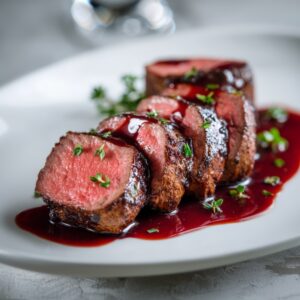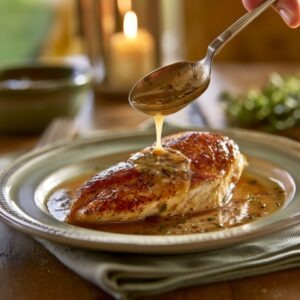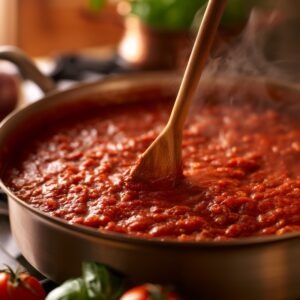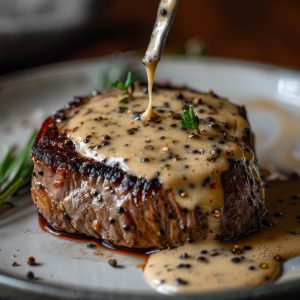
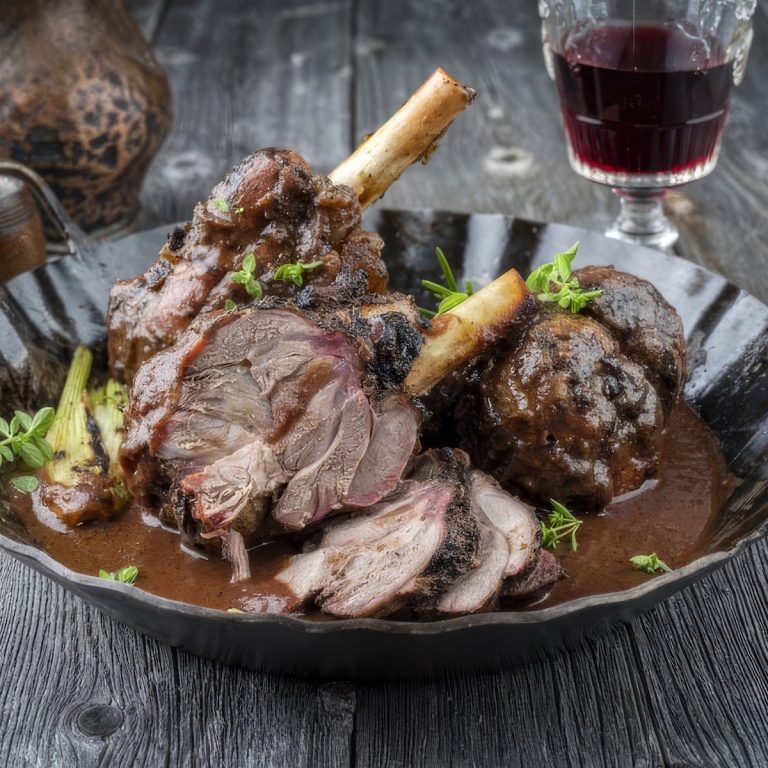



Most home cooks spend serious money on steak, pork tenderloin, or duck… then pour a flat, forgettable sauce over the top. A good port wine sauce changes the entire meal. It brings sweetness, acidity, richness, and that little “restaurant magic” people think only chefs know how to make.
Fast Answer
Port wine sauce is a rich reduction sauce made by simmering port wine with stock, shallots, and aromatics until glossy and concentrated. It pairs especially well with beef, pork, duck, and other roasted meats because the sweetness balances savory flavors beautifully.
Easy Port Wine Sauce Recipe with Deep, Velvety Flavor
A good port wine sauce delivers deep flavor without requiring complicated techniques. The secret is balance. Port adds sweetness and fruitiness, stock adds savory depth, and slow reduction creates a silky texture that coats meat beautifully.
This version keeps the process approachable while teaching you how to build a sauce that tastes polished, rich, and restaurant-worthy at home.
Start Here
- Use decent port: You do not need an expensive bottle, but avoid “cooking wine.” A ruby port works best for most home cooks.
- Reduce slowly: High heat can make the sauce harsh and syrupy instead of smooth and balanced.
- Taste as you go: The sauce should taste rich and slightly sweet, never sugary.
- Use good stock: Homemade or high-quality beef stock creates much deeper flavor.
- Finish with butter: Cold butter softens acidity and gives the sauce its glossy texture.
Why This Recipe Works
- Port brings natural sweetness: It balances savory meats without needing extra sugar.
- Reduction concentrates flavor: Simmering slowly intensifies both the wine and stock.
- Shallots add subtle depth: They create complexity without overpowering the sauce.
- Butter smooths the finish: It creates a velvety texture and rounds out sharp edges.
- Flexible pairing: This sauce works with steak, pork tenderloin, duck, lamb, and even venison.
Port Wine Sauce Recipe
Equipment
- saucepan
Ingredients
- 1 oz. butter 1/4 stick
- ¼ cup shallots finely chopped
- ¾ cup Port wine
- ¼ cup red wine
- 1 cup Demi Glace
- salt and pepper to taste
- 1 bay leaf
- 1 sprig fresh thyme ¼ tsp. dried
- ¼ cup heavy cream optional
Instructions
Cook the Shallots
- Melt butter in a saucepan over medium heat.
- Add the minced shallots and cook for 3 to 4 minutes until softened but not browned.Browning can make the finished sauce slightly bitter.
Deglaze with Port Wine
- Pour in the port wine and stir to loosen any flavorful bits from the pan. Bring to a gentle simmer.
Reduce the Wine
- Simmer until the port reduces by about half and smells rich instead of alcoholic. This usually takes 8 to 10 minutes.The sauce flavor deepens dramatically during this step.
Add Demi-Glace & Aromatics
- Stir in the demi-glace, and thyme. Simmer gently until the sauce coats the back of a spoon.
Taste & Balance
- Taste the sauce. Add salt, pepper, or a splash of vinegar if it needs brightness. Great sauces are balanced, not just rich.
Finish with Butter
- Reduce the heat to low and whisk in the cold butter, one cube at a time, until glossy and smooth.
Strain & Serve
- For an elegant restaurant-style finish, strain the sauce before serving over steak, pork, duck, or roasted meats.

What Most Cooks Get Wrong
- Boiling too aggressively: Fast boiling can make the sauce taste bitter and overly sweet at the same time.
- Using weak stock: Thin stock creates thin sauce. The stock matters as much as the wine.
- Reducing too far: The sauce thickens more as it cools. Stop slightly earlier than you think.
- Skipping acidity: A splash of vinegar or demi-glace balance prevents the sauce from tasting heavy.
- Adding warm butter: Cold butter emulsifies better and creates a smoother finish.
Quick Fixes & Pro Tips
- Too sweet? Add a splash of red wine vinegar or lemon juice.
- Too thin? Simmer a few more minutes uncovered.
- Too thick? Whisk in warm stock a tablespoon at a time.
- Want deeper flavor? Add a small spoonful of demi-glace.
- Want a smoother sauce? Strain before serving.
- Making steak? Deglaze the pan with port after searing for extra flavor.
What You Can Serve With This
- Steak: Ribeye, filet mignon, or New York strip pair beautifully with port wine sauce.
- Pork: Excellent with pork tenderloin or thick-cut chops.
- Duck: The fruitiness complements duck breast especially well.
- Side dishes: Mashed potatoes, roasted carrots, wild rice, and sautéed mushrooms work perfectly.
- Wine pairing: Cabernet Sauvignon, Syrah, Merlot, or a small glass of ruby port.
- Elegant dinner option: Serve over beef tenderloin with crispy shallots.
Storage & Make-Ahead
Port wine sauce stores surprisingly well. * Refrigerate in an airtight container for up to 4 days. * Reheat gently over low heat to avoid separating the butter. * If the sauce thickens too much in the fridge, whisk in a little warm stock while reheating. * You can make the sauce a day ahead and finish with butter just before serving for the freshest texture.
Understanding Port Wine
- What it is: Port wine is a fortified wine from Portugal’s Douro Valley, famous for its rich flavor, natural sweetness, and smooth texture.
- Why it tastes richer: During fermentation, winemakers add grape spirit to stop the process early. This leaves natural grape sugars behind while increasing the alcohol content to about 19% to 22%.
- Different styles matter: Ruby Port is bold and fruity, Tawny Port is softer and nutty, and Vintage Port offers the deepest, most complex flavor.
- Flavor profile: Depending on the style, Port can deliver notes of red berries, dried fruit, caramel, nuts, chocolate, and warm spices.
- Why cooks love it: Port adds sweetness, acidity, and depth to sauces without needing much additional sugar or cream.
- Best choice for this recipe: Ruby Port is usually the easiest and most versatile option for savory sauces because its fruitiness balances roasted meats beautifully.
Port Wine Sauce FAQ
What type of port wine is best for port wine sauce?
Ruby port is usually the best choice because it has rich fruit flavor and balances savory dishes well without becoming too delicate or expensive.
Can I make port wine sauce without alcohol?
You can substitute grape juice plus a splash of balsamic vinegar, but the flavor will be sweeter and less complex.
Is port wine sauce sweet?
It should be balanced, not sugary. The stock, shallots, and reduction process help keep the sauce savory.
Can I make this sauce ahead of time?
Yes. Prepare it a day ahead and gently reheat before serving. Finish with butter at the end for best texture.
What meats pair best with port wine sauce?
Steak, pork tenderloin, duck breast, lamb, venison, and beef tenderloin all work beautifully.
How do I thicken port wine sauce?
Reduction is the best thickener. Simmer uncovered until the sauce lightly coats the back of a spoon.
Can I freeze port wine sauce?
Yes, but freeze before adding butter for best results. Add butter after reheating.
Why did my sauce turn bitter?
The heat was probably too high during reduction, or the sauce reduced too far.
Can I use tawny port instead of ruby port?
Yes, but tawny port creates a nuttier, softer flavor profile.


2 Responses
Hi,
Am planning to make this BBQ sauce for my next outing, though I am concerned if receipe will work without the Demi Glace. Two reasons, Demi Glace Not something I would get in Bombay India, and secondly the receipe to make it is quite a difficult one 🙂
HI Tushar, I’m not sure I would call the Pork Wine Sauce a BBQ sauce but that’s ok. You could try making it with reduced beef stock with a little tomato paste added in. It will work, but not as good as with demi glace. Let me know how it works out for you.