


Fast Answer
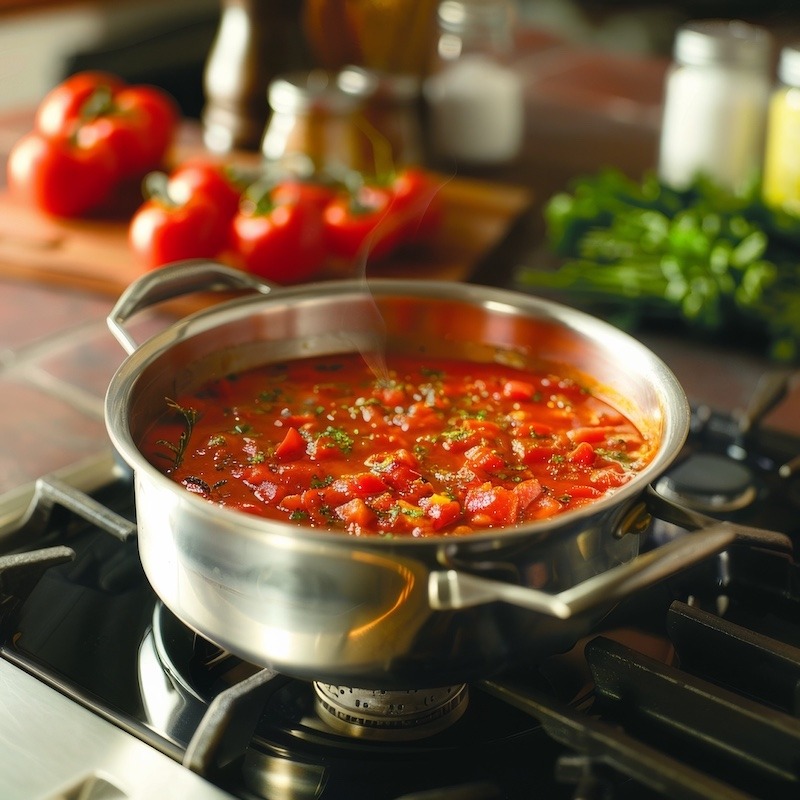
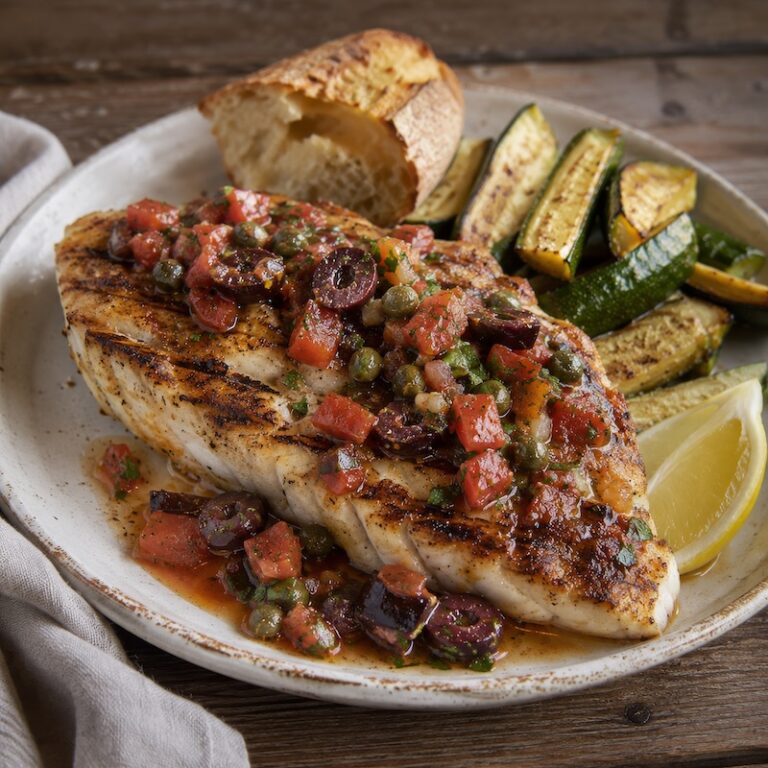
Provencale sauce is a rustic French tomato sauce made with garlic, herbs, olives, and olive oil. It’s bright, savory, and incredibly versatile with fish, chicken, pasta, and vegetables.
Easy Provencale Sauce Recipe for Fish, Chicken & Pasta
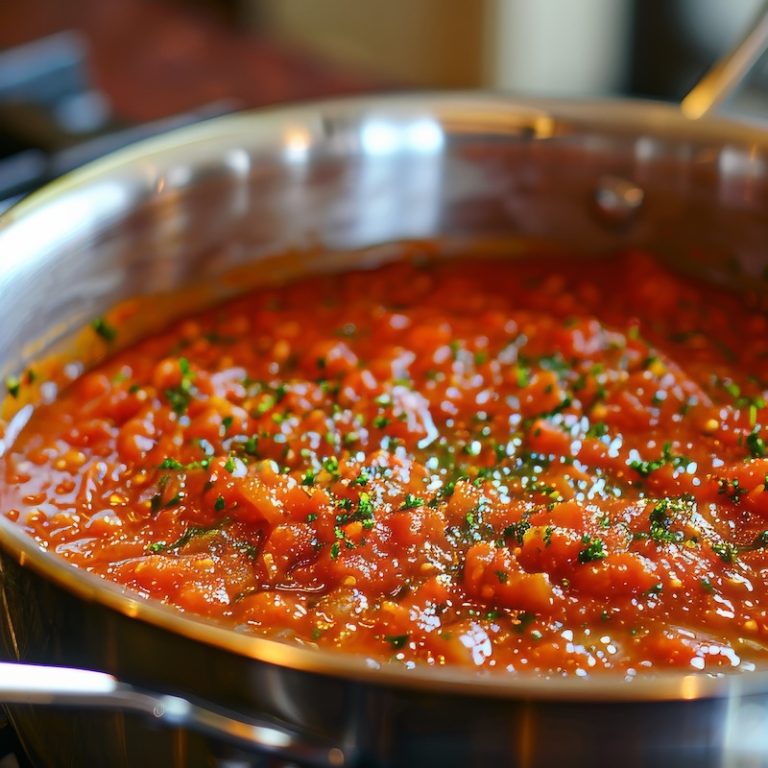
This Provencale sauce recipe combines tomatoes, garlic, olive oil, herbs, and olives into one of the easiest classic French sauces you can make at home. The flavors are bright, rustic, and deeply savory without being heavy. Serve it over fish, chicken, pasta, or roasted vegetables for a fast Mediterranean-style meal that tastes far more complicated than it really is.
Start Here
- Think fresh: Provencale sauce depends on bright ingredients, not long cooking. Use good tomatoes, fresh garlic, and quality olive oil.
- Don’t rush the garlic: Gentle heat builds sweetness. Burned garlic can ruin the entire sauce.
- Balance matters: Tomatoes bring acidity while olives and herbs add depth and saltiness.
- Best uses: Serve with white fish, shrimp, chicken, pasta, or roasted vegetables.
- Keep it rustic: This is not a silky restaurant reduction sauce. A little texture is part of its charm.
Why This Recipe Works
- Layered flavor: Garlic, olive oil, herbs, tomatoes, and olives each add a different flavor note.
- Fast cooking: The sauce stays bright and fresh instead of turning muddy from overcooking.
- Naturally versatile: The acidity works beautifully with seafood, chicken, and vegetables.
- Mediterranean balance: Salty olives and sweet tomatoes create a built-in flavor contrast.
- Beginner-friendly: The technique is forgiving and easy to master.
Provencale Sauce Recipe
Ingredients
- 2 tablespoons olive oil
- 1 yellow onion finely chopped
- salt & pepper
- 2 pounds fresh tomatoes or 1 - 35-ounce can plum tomatoes, drained, chopped
- 2 cups white wine
- ¼ cup olive oil
- 4 cloves garlic finely chopped
- 1 cup cured black olives pitted and coarsely chopped
- 1 tablespoon capers drained
- ½ cup fresh herbs including basil parsley and thyme, roughly chopped
Instructions
Saute the Garlic
- Heat olive oil in a sauté pan over medium heat.
- Add minced garlic and cook gently for 30 to 60 seconds until fragrant. If the garlic starts browning quickly, lower the heat immediately.
Add Tomatoes
- Stir in the tomatoes and break them up slightly with a spoon. Simmer for 8 to 10 minutes until the sauce thickens slightly.
Add Olives & Herbs
- Stir in olives, thyme, parsley, and any additional herbs. Simmer another 2 to 3 minutes.
Taste & Balance
- Taste the sauce and adjust with salt, pepper, or a squeeze of lemon juice if needed.The olives already add saltiness, so season carefully.
Serve Immediately
- Spoon over fish, chicken, pasta, or vegetables while warm.Finish with a drizzle of good olive oil for extra richness and aroma.
What Most Cooks Get Wrong
- Burning the garlic: Garlic turns bitter fast. Keep the heat moderate and stir constantly.
- Overcooking the sauce: Provencale sauce should taste fresh and lively, not heavy and stewed.
- Too much salt early: Olives already bring saltiness. Taste before seasoning.
- Using weak tomatoes: Bland canned tomatoes create a flat sauce. Use high-quality tomatoes if possible.
- Skipping acid balance: A tiny splash of white wine or lemon can brighten the entire sauce.
Quick Fixes & Pro Tips
- Sauce tastes flat? Add a squeeze of lemon juice or a splash of white wine.
- Too acidic? Stir in a small pat of butter to soften the edges.
- Want deeper flavor? Add anchovy paste while sautéing the garlic.
- Too chunky? Simmer a few extra minutes or lightly crush the tomatoes with a spoon.
- Fresh herb upgrade: Add basil or parsley at the very end for brighter flavor.
What You Can Serve With This
- Fish: Excellent with cod, halibut, snapper, swordfish, or salmon.
- Chicken: Spoon over grilled or pan-seared chicken breasts.
- Pasta: Toss with linguine, angel hair, or penne.
- Vegetables: Great over roasted zucchini, eggplant, or cauliflower.
- Bread: Serve with crusty French bread to soak up the sauce.
- Wine pairing: Try Sauvignon Blanc, Rosé, Pinot Grigio, or a light Côtes du Rhône.
Storage & Make-Ahead
Provencale sauce stores well in the refrigerator for up to 4 days in an airtight container. The flavor often improves overnight as the herbs and garlic settle in together. Reheat gently over low heat to keep the sauce bright and fresh tasting. You can also freeze it for up to 2 months. Thaw overnight in the refrigerator before reheating.
The Story Behind Provençale Sauce
Provençale sauce comes from Provence in southeastern France, a region famous for olive oil, garlic, tomatoes, herbs, and Mediterranean cooking. The sauce reflects the local philosophy of simple ingredients treated with care rather than heavy techniques or complicated preparation.
Ancient Mediterranean Roots
The culinary foundations of Provence were shaped by Greek and Roman influence centuries ago. Olive trees, vineyards, and garlic became essential parts of regional cooking, helping create the bright, rustic flavors still associated with Provençal cuisine today.
Tomatoes Changed the Sauce
Tomatoes did not arrive in France until the 16th century after Spanish explorers brought them from the Americas. At first, Europeans distrusted them, but cooks in southern France eventually embraced tomatoes because they thrived in the warm Mediterranean climate. Combined with olive oil, herbs, olives, and garlic, they became the foundation of many Provençal dishes.
Why Provençale Sauce Still Matters
Today, Provençale sauce remains popular because it delivers bold flavor with simple ingredients. Its balance of acidity, freshness, herbs, and olive oil works beautifully with seafood, chicken, vegetables, and pasta. More importantly, it teaches an important cooking lesson: great food often comes from restraint, balance, and letting fresh ingredients speak for themselves.
Tomato Conversion Chart
Some recipes call for fresh tomatoes, while others use canned tomatoes, and this can get confusing. For example, this recipe requires 2 pounds of fresh tomatoes, but what if tomatoes are out of season or you want to use canned?
If you check out my tomato conversion chart, you’ll see that one 35-ounce can of tomatoes equals 4 cups of tomatoes. You’ll also see that 2 cups of chopped tomatoes equals 1 pound, so a 35-ounce can should yield approximately 2 pounds of fresh tomatoes.
FAQ
What is Provencale sauce?
Provencale sauce is a classic French tomato-based sauce made with garlic, olive oil, herbs, and often olives or capers.
What does “à la Provençale” mean?
It refers to the cooking style of Provence in southern France, known for tomatoes, olive oil, garlic, herbs, and Mediterranean flavors.
Can I make Provencale sauce ahead of time?
Yes. It reheats very well and often tastes even better the next day.
Is Provencale sauce spicy?
Traditionally no, but you can add red pepper flakes for heat.
What proteins work best with Provencale sauce?
White fish, shrimp, scallops, chicken, and even pork work beautifully.
Can I use fresh tomatoes instead of canned?
Absolutely. Use ripe plum tomatoes or Roma tomatoes for the best texture and flavor.
Are olives required?
No, but they add classic Mediterranean flavor and saltiness.
Can I make this sauce vegetarian or vegan?
It already is unless you add anchovy paste or butter.
What herbs are traditionally used?
Thyme, parsley, basil, and sometimes herbes de Provence