What Makes This Chicken Saltimbocca Work
- Classic Flavor Trio: Tender chicken, crisp prosciutto, and fragrant sage create a savory, aromatic base. :contentReference[oaicite:0]{index=0}
- Quick But Elegant: Ready in about 30 minutes with restaurant-quality taste. :contentReference[oaicite:1]{index=1}
- Bright Citrus Boost: Lemon zest and juice brighten the rich pan sauce. :contentReference[oaicite:2]{index=2}
- Pan Sauce Magic: Deglazing with white wine or broth lifts flavorful fond from the skillet. :contentReference[oaicite:3]{index=3}
- Golden Seared Texture: Olive oil and butter deliver a beautiful golden crust on the chicken. :contentReference[oaicite:4]{index=4}
- Simple Technique: No fancy tools needed — just a skillet and good timing. :contentReference[oaicite:5]{index=5}
Easy Chicken Saltimbocca Recipe | Juicy, Flavor-Packed Italian Dinner
Looking for a quick, elegant chicken dinner? Chicken Saltimbocca is your answer. This classic Italian dish combines tender chicken, salty prosciutto, and fragrant sage. It’s simple to make at home but tastes like it came from a restaurant.
In this recipe, we add a modern twist. Fresh lemon zest and juice brighten the flavors. Olive oil and butter create a rich, golden sear. A quick pan sauce ties everything together. You’ll have a meal ready in under 30 minutes.
Even home cooks can master this dish. No fancy tools required. With a few tips, the chicken stays juicy, the prosciutto crisps perfectly, and the sauce comes out flavorful every time.
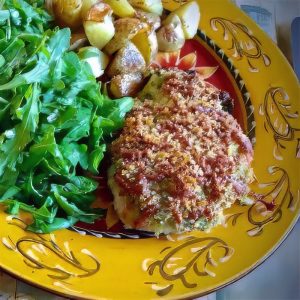
Serve it with roasted potatoes, sautéed spinach, or pasta for a complete meal. It’s perfect for weeknight dinners, date nights, or entertaining friends.
Follow this step-by-step guide, and you’ll make restaurant-quality Chicken Saltimbocca at home. Every bite is savory, aromatic, and irresistible. Bring a taste of Italy to your kitchen tonight.
Cooking Tips for Chicken Saltimbocca
- Pound evenly: Flatten chicken to uniform thickness for even cooking and juiciness.
- Don’t overcrowd: Cook in a single layer to maintain heat and achieve a golden sear.
- Pat dry first: Dry chicken browns better and helps prosciutto adhere.
- Use fresh sage: Lay leaves flat for the best aroma and flavor infusion.
- Handle prosciutto gently: Keep slices thin and press lightly so they crisp beautifully.
- Control the heat: Medium heat prevents burning while ensuring proper browning.
- Deglaze the pan: Wine or broth lifts flavorful browned bits for a rich sauce.
- Add citrus last: Stir in lemon juice at the end to keep it bright, not bitter.
- Rest before serving: Let chicken sit 2 to 3 minutes to retain juices.
- Finish with parsley: Adds color and balances the saltiness of the prosciutto.
Citrus-Herb Chicken Saltimbocca
Equipment
- large skillet
Ingredients
- 4 chicken breasts boneless and skinless
- salt and freshly ground black pepper
- 8 thin slices prosciutto
- 8 fresh sage leaves
- 1 teaspoon lemon zest
- 2 tablespoons olive oil
- 2 tablespoons unsalted butter
- ½ cup dry white wine or chicken broth
- ¼ cup chicken stock
- 1 teaspoon Dijon mustard
- 1 tablespoon fresh lemon juice
- fresh parsley for garnish
Instructions
Prep the Chicken
- Lightly pound each chicken breast to about 1/2-inch thickness. Season both sides with salt, pepper, and lemon zest.
Assemble the Saltimbocca
- Place 2 sage leaves on each chicken breast. Top with a slice of prosciutto and press gently to adhere.
Cook the Chicken
- Heat olive oil in a large skillet over medium heat.
- Place chicken, prosciutto-side down first, and cook for 3–4 minutes until golden.
- Flip and cook for another 3–4 minutes, until the chicken is cooked through. Remove chicken and set aside.
Make the Sauce
- Reduce the heat to medium-low. Add butter to the skillet.
- Stir in white wine, chicken stock, and Dijon mustard.
- Simmer for 2–3 minutes, scraping up any browned bits.
- Add lemon juice and stir.
Finish the Dish
- Return chicken to the skillet, spoon sauce over the top, and heat through for 1–2 minutes.
Serve
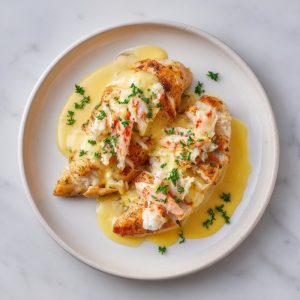
- Plate chicken, drizzle with remaining sauce, and garnish with fresh parsley.
- Serve with sautéed spinach, roasted potatoes, or a light pasta.
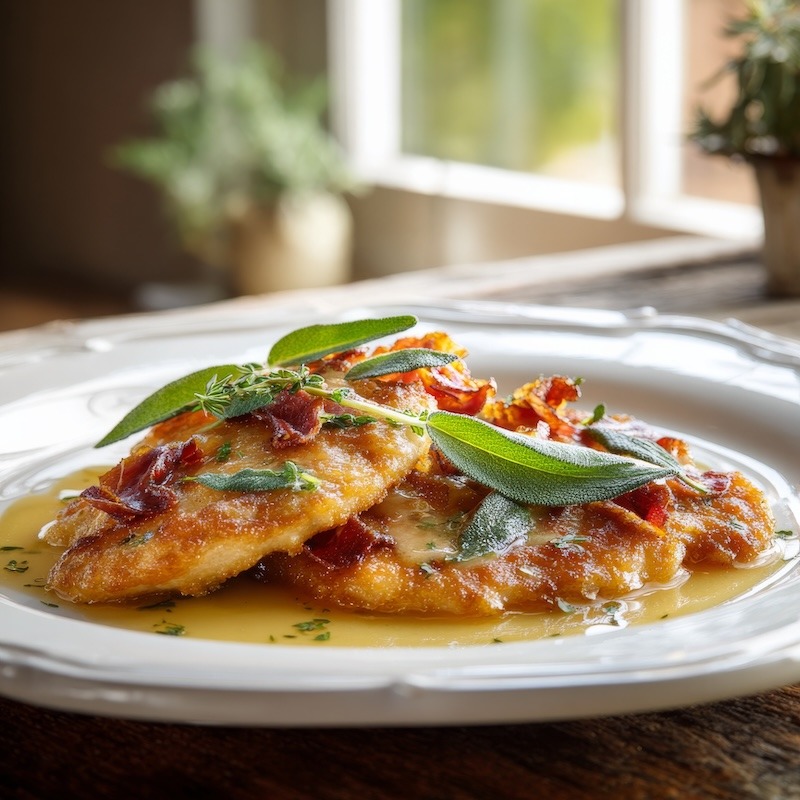
Pro Hacks for Chicken Saltimbocca
Butter-Baste for Extra Juiciness:
During the last minute of cooking, tilt the pan slightly and spoon the melted butter over the chicken repeatedly. This seals in moisture and gives a glossy, rich finish.
Reverse Sear for Thick Breasts:
If your chicken breasts are on the thicker side, finish them in a 350°F oven for 5–7 minutes after searing. This ensures tender, evenly cooked meat without burning the prosciutto.
Use a Silicone Spatula for Sauce:
Scrape up the browned bits from the pan with a flexible spatula. These “fond” bits are flavor gold—they make the sauce taste deeply savory and complex.
Layer Flavors Strategically:
Add lemon zest to the chicken before searing, and lemon juice at the end. Prosciutto’s salt, sage’s herbal aroma, and lemon’s brightness hit in perfect balance.
Crisp Prosciutto Perfectly:
After searing, leave the chicken briefly on a wire rack over a baking sheet for a few minutes. The air circulation keeps prosciutto crisp without overcooking the chicken.
Warm Plates, Better Presentation:
Heat your plates slightly before plating. Hot chicken on a warm plate holds heat longer and looks restaurant-ready.
Finish with a Tiny Splash of Olive Oil:
Just before serving, drizzle a teaspoon of high-quality extra virgin olive oil over the chicken. It adds sheen and a fresh, aromatic lift.
Optional Aromatic Boost:
Toss a sprig of thyme or rosemary into the pan while making the sauce. Remove before plating. It subtly deepens flavor without overpowering sage.
Ingredient Substitutions
| Original Ingredient | Substitution | Description | Why It Works |
|---|---|---|---|
| Chicken breasts | Chicken thighs (boneless, skinless) | Dark meat with more fat | Thighs stay juicier and have richer flavor, especially for pan-searing. |
| Prosciutto | Turkey bacon or pancetta | Thinly sliced, salty cured meat | Adds saltiness and texture; pancetta crisps well; turkey bacon is leaner. |
| Fresh sage leaves | Dried sage (1/3 teaspoon per leaf) or fresh thyme | Herb with earthy aroma | Dried sage still delivers flavor; thyme adds subtle herbal notes without overpowering. |
| Olive oil | Avocado oil or grapeseed oil | High smoke-point neutral oil | Maintains searing quality without burning; neutral flavor lets prosciutto shine. |
| White wine | Chicken stock or dry vermouth | Liquid for deglazing | Stock adds richness; vermouth provides subtle aromatic depth similar to wine. |
| Butter | Ghee or plant-based butter | Fat for basting and sauce | Ghee has higher smoke point; plant-based butter works for dairy-free cooking. |
| Lemon juice | Lime juice or white balsamic vinegar | Acid for brightness | Lime adds similar citrus brightness; white balsamic gives tang with mild sweetness. |
Side Dishes That Pair Well & Why
| Side Dish | Type / Style | Description | Why It Pairs Well |
|---|---|---|---|
| Roasted Potatoes | Starchy / Oven-roasted | Crispy on the outside, tender inside, lightly seasoned with herbs | Potatoes absorb the flavorful pan sauce and balance the saltiness of prosciutto. |
| Sauteed Spinach | Leafy Green / Quick-cooked | Wilted spinach with garlic and a touch of olive oil | Fresh, earthy flavor cuts richness and adds vibrant color to the plate. |
| Lemon Herb Risotto | Grain / Creamy | Creamy arborio rice infused with lemon and fresh herbs | Complements the citrus and herb flavors of the chicken while keeping the meal comforting. |
| Garlic Roasted Asparagus | Vegetable / Oven-roasted | Tender asparagus spears with roasted garlic and olive oil | Light, crisp flavor balances the richness of buttered chicken and prosciutto. |
| Parmesan Polenta | Grain / Creamy or grilled | Soft, cheesy polenta with a smooth texture | Soaks up pan sauce perfectly and pairs with the mild flavors of chicken. |
| Caprese Salad | Salad / Fresh | Tomatoes, fresh mozzarella, basil, and a drizzle of balsamic | Bright, fresh flavors refresh the palate and echo Italian roots of the dish. |
Wines That Pair Well & Why
| Wine | Type / Style | Tasting Notes | Why It Pairs Well |
|---|---|---|---|
| Pinot Grigio | White, light-bodied | Crisp, citrusy, with subtle mineral notes | Bright acidity complements the lemon in the dish and cuts through prosciutto’s saltiness. |
| Sauvignon Blanc | White, medium-bodied | Zesty, herbal, notes of green apple and lime | Herbal notes echo the sage, and citrus flavors enhance the pan sauce. |
| Chardonnay (unoaked) | White, medium-bodied | Fresh, crisp, with green apple and lemon hints | Unoaked version preserves freshness and balances butter richness without overpowering the chicken. |
| Vermentino | White, medium-bodied | Bright, citrusy, with hints of herb and almond | Delicate herbaceous notes pair with sage and prosciutto while complementing lemon accents. |
| Soave | White, light to medium-bodied | Light, crisp, notes of pear, almond, and citrus | Lightness doesn’t overpower chicken; subtle nuttiness enhances prosciutto flavor. |
| Gavi | White, medium-bodied | Crisp, mineral-driven, citrus aromas | Clean, refreshing acidity cuts through butter and enhances herbs and pan sauce. |
What's In a Name
The Italian word “saltimbocca” literally translates to “jump in the mouth.”
It comes from “saltare” (to jump) and “in bocca” (in the mouth). The name reflects how tender, flavorful, and savory the dish is—so good it seems to leap into your mouth with each bite.
Each bite delivers a burst of flavor and a contrast of textures: the soft meat, crisped ham, and aromatic herb. It’s so flavorful and balanced that it almost feels alive on your palate, as if it “jumps” into your mouth.
In Rome, where the dish originated, cooks often liked playful, descriptive names. Saltimbocca captures the immediate, irresistible experience of eating it.
It’s not about literal jumping—it’s about how quickly your taste buds respond. The prosciutto’s saltiness, the sage’s herbal aroma, and the butter-wine sauce create a little explosion of flavor that seems to leap off the plate.
Over time, the name stuck because it perfectly describes the dish’s essence: a simple, elegant, and intensely flavorful bite that delights from the first taste. It’s Italian cooking at its clever, expressive best.
History
Originally, the dish used veal instead of chicken. Thin veal cutlets were topped with prosciutto and sage, then cooked in butter and wine. Over time, home cooks and chefs began using chicken as a more affordable and accessible alternative.
Saltimbocca became popular in the 20th century. Italian immigrants brought it to the United States and other countries. Restaurants adapted it with regional variations, sometimes adding lemon, herbs, or different pan sauces.
The classic combination—meat, sage, and prosciutto—remains the heart of the dish. Chicken Saltimbocca offers the same balance of savory, herbal, and slightly salty flavors. Today, it is served worldwide as an elegant yet simple Italian main course.