
How to Make Chicken Tikka Masala from Scratch (And Why It’s Worth the Effort)

A chef friend of mine who spent years cooking in India told me once: if you want to learn how to cook, learn how to cook Indian food. He meant the spices, the sequencing, the discipline of building flavor in the right order. I'm still learning. This is where I started.

Fast Answer

Chicken Tikka Masala is a two-part recipe: marinated chicken cooked separately, then finished in a spiced tomato-cream sauce. Plan for at least 2 hours of marinating time — the yogurt tenderizes the meat and the spices won't penetrate properly if you rush it.

What a Chef Who Lived in India Told Me About Learning to Cook

I’ve been cooking seriously for over thirty years, but Indian food has mostly stayed outside my kitchen. Not because I don’t love eating it — I do — but because it always felt like a different discipline. More spices than I keep on hand. A sequencing logic I didn’t understand. A cuisine that seemed to reward cooks who grew up with it.

Then my friend Ricco DeLuca — a chef who spent years working as a private chef for a family in India — said something that stuck: if you want to learn how to cook, really learn, start with Indian food. He wasn’t talking about any single dish. He was talking about what Indian cooking demands of you: the right spices, added in the right order, at the right time. Get that wrong, and the dish tells you immediately.

Chicken Tikka Masala felt like the right place to start. It’s not the most traditional dish in Indian cooking — its origins are genuinely disputed — but the technique behind it is real: a spiced yogurt marinade, properly bloomed whole and ground spices, a tomato base that cooks down before the cream ever touches it. If you follow the sequence, it works. If you don’t, you’ll know.

Before You Start

  • Marinate the chicken first. You need at least 2 hours, and overnight is better. Don't skip this step — the yogurt is doing real work, not just adding flavor.
  • Gather your spices before you turn on the heat. Indian cooking moves in sequences. If you're hunting for the cardamom while the cumin is burning, the dish is already behind.
  • Use a heavy-bottomed pan. A Dutch oven or a wide, deep skillet. The sauce needs to reduce without scorching, and thin pans make that harder.
  • The chicken cooks twice. Once in a hot pan to develop color, then again in the sauce to finish. Don't cook it all the way through the first time.
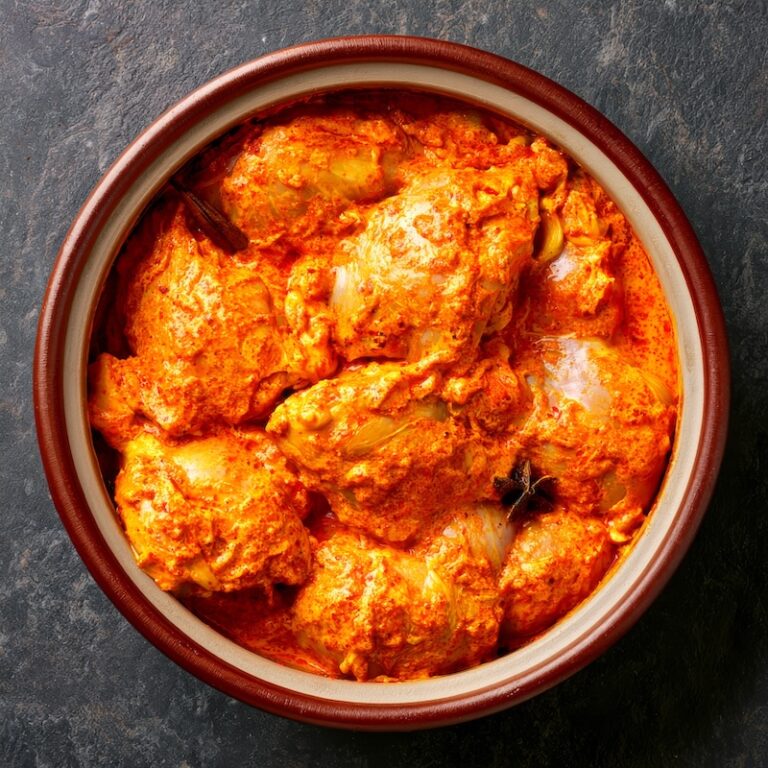
Raw chicken pieces coated in spiced yogurt marinade in a ceramic bowl
Marinading Raw Chicken

What Most Cooks Get Wrong

  • They add the spices too late. Ground spices need to hit the hot oil or onion base before the liquid goes in — this is called blooming, and it's what activates the fat-soluble flavor compounds. Adding them to the sauce after the tomatoes are in produces flat, dusty flavor.
  • They skip the marinade time. Two hours is the minimum. The acid in the yogurt begins breaking down the muscle fibers; the spices start to penetrate. A 20-minute marinade does neither of these things properly.
  • They add the cream too early. The tomato base needs to cook down and concentrate before the cream goes in. Add it too soon and you get a thin, pink sauce with no depth.
  • They use chicken breast only. Thighs hold up better to the sauce and the double cooking. Breast works, but it requires more attention to avoid drying out.

Why This Works

  • The yogurt marinade tenderizes and seasons simultaneously. Yogurt's lactic acid gently denatures the surface proteins, letting the spices move in. It also creates a coating that chars slightly in a hot pan — that char is flavor.
  • Blooming the spices in fat unlocks compounds that water can't reach. Many of the flavor and aroma molecules in spices are fat-soluble. Oil carries them into the dish in a way that adding spices to liquid simply doesn't.
  • Cooking the tomatoes down before adding cream builds the sauce's backbone. The tomatoes need to lose their raw acidity and concentrate. This takes 10–12 minutes of actual cooking, not a quick stir. The cream stabilizes and enriches a sauce that's already developed — it doesn't build the sauce itself.
  • The double-cook on the chicken is intentional. Searing first develops surface flavor through the Maillard reaction. Finishing in the sauce lets the chicken absorb the aromatics and carry them through every bite.

Quick Fixes and Tips

  • Sauce too thin? Let it simmer uncovered for another 5–8 minutes before adding the cream. Don't add flour — that's not the fix here.
  • Too spicy? More cream, a small spoonful of plain yogurt stirred in at the end, or a pinch of sugar. All three work; the cream is the most seamless.
  • Not enough depth? You probably didn't cook the onion base long enough. It should be deeply golden, almost jammy, before the garlic and ginger go in. Pale onions make a pale sauce.
  • Chicken dried out? You cooked it all the way through in the first sear. Pull it from the pan when it still has a little give — it finishes in the sauce.
  • Making it ahead? The sauce actually improves overnight. Make the sauce completely, refrigerate it, and cook the chicken fresh the next day. Combine them just before serving.

What to Serve With This

  • Basmati rice — the long grains stay separate and don't compete with the sauce. Rinse it until the water runs clear before cooking.
  • Naan or flatbread — for pulling through the sauce. Store-bought naan warmed in a dry skillet works fine.
  • Mediterranean or whole-wheat couscous — I've served this with couscous and it works well, though it needs to be steamed like rice, not just soaked. Don't make the same mistake I did the first time.
  • Sautéed spinach with garlic and olive oil — one of my favorite sides with this dish. Takes five minutes and cuts through the richness of the sauce.
  • Drink pairing: A cold Indian lager (Kingfisher is the obvious choice), a dry Riesling, or a mango lassi if you want to stay with the flavors of the meal.
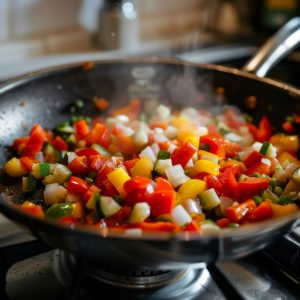
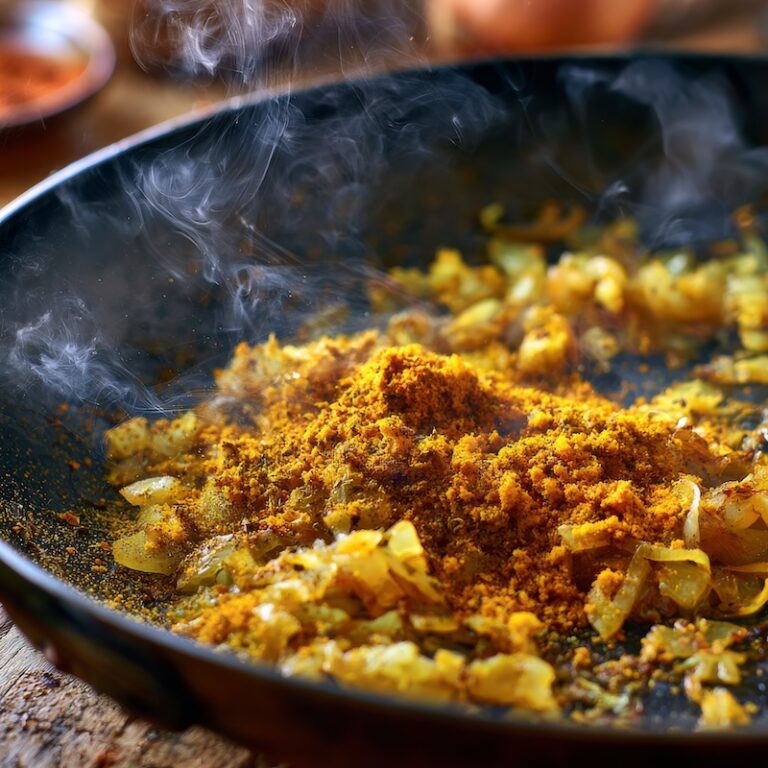
Ground spices blooming in a heavy skillet with golden onions

Chicken Tikka Masala

How to prepare chicken tikka masala from scratch.
Prep Time15 minutes
Cook Time40 minutes
Marinating time2 hours
Total Time2 hours 55 minutes
Course: Main Course
Cuisine: Indian
Keyword: chicken, sauce recipe
Servings: 4 servings

Ingredients

For the Chicken Marinade

  • 2 pounds boneless, skinless chicken thighs cut into 2 inch pieces
  • 1 cup plain whole milk yogurt
  • 2 tablespoons fresh lemon juice
  • 1 teaspoon ground cumin
  • 1 teaspoon ground coriander
  • 1 teaspon garam masala
  • 1 teaspoon sweet paprika
  • ½ teaspoon turmeric
  • ½ teaspoon cayenne pepper adjust to taste
  • 1 teaspoon kosher salt
  • 2 teaspoons neutral oil

For the Tikka masala Sauce

Instructions

Marinate the Chicken

  • Combine the yogurt, lemon juice, all marinade spices, salt, and oil in a bowl large enough to hold the chicken.
  • Add the chicken pieces and turn to coat thoroughly. Cover and refrigerate for at least 2 hours.
    Overnight is better — the flavor penetration is noticeably different.

Sear the Chicken

  • Remove the chicken from the marinade and let any excess drip off — you don't want large clumps of yogurt in the pan, which will steam rather than sear.
  • Heat a tablespoon of oil in a heavy skillet over medium-high heat until it shimmers.
  • Cook the chicken in batches — don't crowd the pan — for 3–4 minutes per side, until you get some color and char on the surface.
    The chicken will not be cooked through at this point. That's intentional. Set aside.

Build the Onion Base

  • In the same pan (or a Dutch oven), heat the oil and butter over medium heat. Add the diced onion and cook, stirring occasionally, until deeply golden and beginning to soften into the pan — this takes 12–15 minutes.
  • Don't rush it. A pale onion base produces a pale, underdeveloped sauce.

Add Garlic and Ginger

  • Add the minced garlic and grated ginger to the onions. Cook, stirring constantly, for 2 minutes.
    You'll smell when it's ready — the sharpness softens, and the aroma deepens.

Bloom the Spices

  • Add all the ground spices directly to the onion, garlic, and ginger mixture. Stir continuously for 60–90 seconds.
    The spices will darken slightly and become very fragrant. This is the step most home cooks skip or rush — and it's the step Ricco would tell you matters most.
    The heat and fat activate flavor compounds that water can't reach. Don't add liquid yet.

Build the Tomato Base

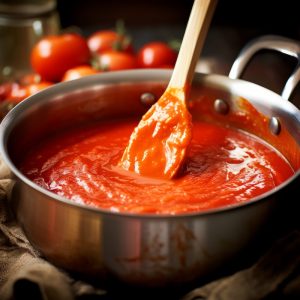
  • Pour in the crushed tomatoes, salt, and sugar. Stir to combine, scraping up anything from the bottom of the pan.
  • Bring to a simmer, then reduce heat to medium-low and cook uncovered for 12–15 minutes, stirring occasionally, until the sauce has darkened, thickened, and lost its raw tomato edge.
    It should reduce noticeably. If it's still bright red and thin after 15 minutes, keep cooking.

Add the Cream

  • Reduce heat to low. Pour in the heavy cream and stir to combine.
    The sauce will lighten in color and smooth out considerably. Let it simmer gently for 5 minutes — not a rolling boil, which can break the cream.

Finish the Chicken in the Sauce

  • Add the seared chicken pieces to the sauce. Simmer on low for 10–12 minutes, until the chicken is cooked through and has absorbed some of the sauce.
    Test a piece — it should be tender, not springy. Taste the sauce and adjust salt or cayenne.

Serve

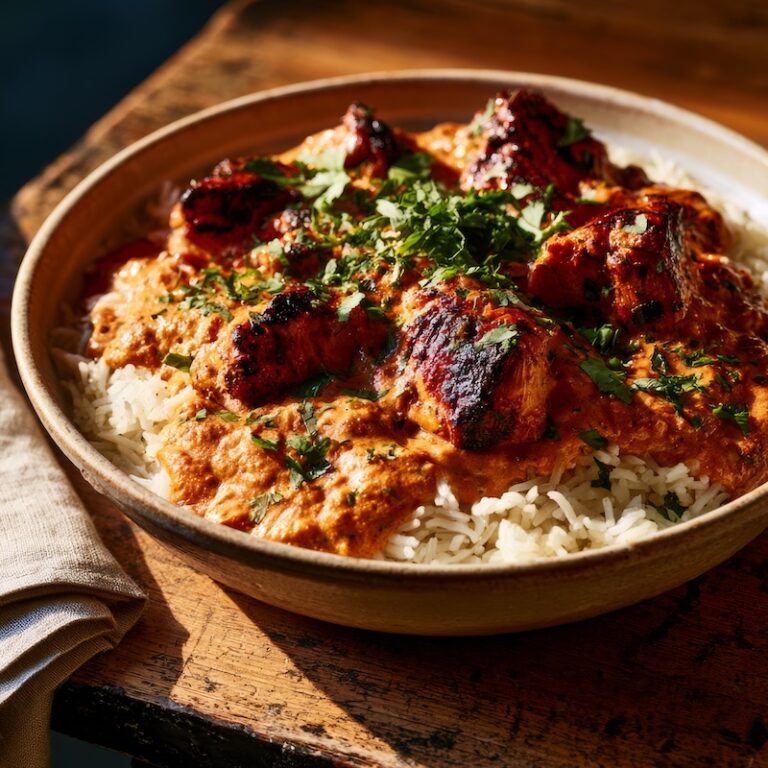
  • Serve over basmati rice or with naan. Finish with fresh cilantro if you like it.
Storage and Make-Ahead

  • Refrigerator: Sauce and chicken keep well together for up to 4 days. The flavor deepens overnight — this is one of those dishes that's better the next day.
  • Freezer: The sauce freezes well for up to 3 months. Freeze it without the chicken for best results; cook fresh chicken when you're ready to serve.
  • Make-ahead option: The sauce can be made 2–3 days ahead and refrigerated. Cook the chicken fresh and combine just before serving.
  • Reheating: Low heat on the stovetop, with a splash of water or cream to loosen if the sauce has thickened in the fridge. Don't microwave on high — the cream sauce separates.
If you made this, I want to know how the spice sequencing went — specifically whether you noticed a difference in the sauce after blooming the spices versus times you've added them straight to liquid. And if you adjusted the heat level, tell me how.

Explore More On This Topic

Frequently Asked Questions

Q: What’s the difference between chicken tikka and chicken tikka masala?
Chicken tikka is marinated, grilled chicken cooked in a tandoor oven — traditionally. Chicken tikka masala adds the spiced tomato-cream sauce. The dish you’re making here is the full-masala version, with the sauce made from scratch rather than from a jar.

Q: Is tikka masala actually Indian?
This is genuinely disputed. The dish, as most people know it — mild, creamy, tomato-based — is widely believed to have been developed, or at least popularized, in the UK, possibly in Glasgow. Traditional Indian cooking includes similar dishes, but tikka masala in its current form may be as much British as it is Indian. Worth knowing before you claim authenticity.

Q: Can I use chicken breast instead of thighs?
Yes, but thighs are more forgiving. Breast meat dries out faster and gives you less room for error during the double-cook. If you use breast, pull it from the pan earlier in the sear and watch the timing closely when it finishes in the sauce.

Q: Can I make this less spicy?
Reduce or eliminate the cayenne in both the marinade and the sauce. The other spices — cumin, coriander, garam masala, turmeric — are aromatic rather than hot. You can have a fully flavored tikka masala with almost no heat if that’s what your table needs.

Q: What is garam masala, and can I make my own?
Garam masala is a spice blend — typically warm spices like cinnamon, cardamom, cloves, black pepper, and cumin. The exact mix varies by region and household. Store-bought works fine here. If you want to make your own, toast and grind whole spices — the difference in freshness is noticeable.

Q: Why does my sauce taste flat even though I used all the spices?
Almost certainly the blooming step. If the spices were added to liquid rather than hot fat, they didn’t activate properly. You can partially rescue a flat sauce by making a quick tadka — heat a tablespoon of oil or ghee in a separate pan until very hot, add a pinch of the spice blend, let it sizzle for 30 seconds, then stir it into the sauce.

Q: Can I use coconut cream instead of heavy cream?
Yes. It changes the flavor profile — slightly sweeter, with a distinct coconut note — but it works well and keeps the dish dairy-free if you also swap the yogurt in the marinade for a dairy-free alternative. Some versions of this dish traditionally use coconut milk.

Q: What’s the cashew paste I’ve seen in some recipes?
A more traditional thickener — raw cashews soaked and blended into a paste, then added to the sauce. It adds body and a subtle richness without the dairy heaviness of cream. Worth trying on a second pass if you want a slightly different texture.

Q: Can this be made vegetarian?
Yes. Paneer (Indian fresh cheese) or chickpeas are the most common substitutions. Paneer gets the same sear treatment as the chicken; chickpeas go straight into the sauce. The masala sauce itself is already vegetarian.

7 Responses

  1. 5 stars
    Once I’ve seared off the chicken breasts, couple of mins each side, I slide them in a 350 oven with whatever sauce (massala+yoghurt, Oyster sauce+sweet chile, hoisin+ dry sherry. The posibilities are endless, just make sure there’s enough sauce in the pan so it doesn’t dry and burn; keep an eye on it.

    I’ve served them sliced thickly with everything from rice and accompniments (sp?)-riaita, and chutney, to a boiled spud and some carrots and steamed brocilli, or spinach.

    Quick, easy, works.

    Good site.
    Thanks.
    Peter Duce

  2. do you know there are round wrappers called gyoza wrappers that are available at asian stores? They are great for pot stickers and just as good filled with sweet meats and fried for dessert too!

  3. 5 stars
    Hey! I happened on your blog when researching chicken recipes, and I really like your post. Thanks for the info, it was helpful in my research.

  4. Chicken tikka masala, is a hot favorite dish across India. This mild flavored dish is prepared from Tandoor oven, grilled boneless pieces of chicken breast/leg, cooked in a light tomato & cashew nut based gravy,garnished with fresh cream. It goes well with Indian breads,rice (authentic) and also goes well with bread, rolls,tortillas,kuboos (arabic bread)

  5. Tikka masala, goes very well with indian breads,wheat based/flour based chappathy/nan/roti or even kerala parotta. This being a quick meal, you can even use tortillas or garlic bread. If the marination can be done overnight, the meat will be so tender that it gets the right taste, texture after baking (in the oven) You have done a great deal of work which is commendable, great menu we can even make the sauce/gravy as it is called in India a bit thicker, roll it in the bread, use as a filling in burgers or s/w to invent another wonderful dish.

    Hi Anurajan, thank you very much for your suggestions and cooking tips. Much appreciated. – RG

Leave a Reply

Your email address will not be published. Required fields are marked *

Recipe Rating


This site uses Akismet to reduce spam. Learn how your comment data is processed.