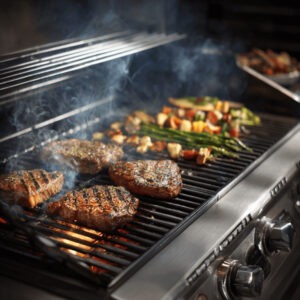
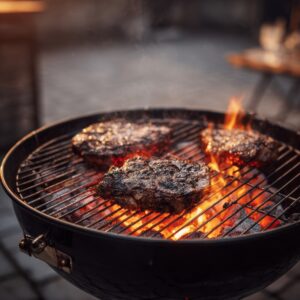
Charcoal grilling looks simple… until your chicken burns outside and stays raw inside. Or your steak turns gray instead of crusty. The problem isn’t the grill—it’s heat control. Once you understand how charcoal actually works, everything changes.
The Ultimate Guide to Charcoal Grilling (Without Guesswork)
Grilling with charcoal delivers unmatched flavor—but only if you control the fire. Too many cooks rely on guesswork, leading to burned outsides and undercooked centers.
This guide teaches you how to manage heat zones, airflow, and timing so you can grill with confidence. Once you understand the system, you’ll stop chasing flames and start cooking with intention.
Start Here: Your Charcoal Game Plan
- Best for: Home cooks who want better flavor and control than gas grilling offers.
- Use this when: Cooking steaks, chicken, burgers, vegetables, or anything needing sear + finish.
- What success looks like: Even browning, no flare-ups, and food cooked through without burning.
- Mindset shift: You are managing heat zones—not just “grilling over fire.”
Why Charcoal Grilling Works
- Radiant heat: Hot coals emit steady, intense heat for searing.
- Convective heat: Airflow circulates heat around food for even cooking.
- Smoke flavor: Dripping fat creates flavor-enhancing smoke.
- Two-zone control: You can sear and finish gently without burning.
Core Concept: Control the Fire, Control the Food
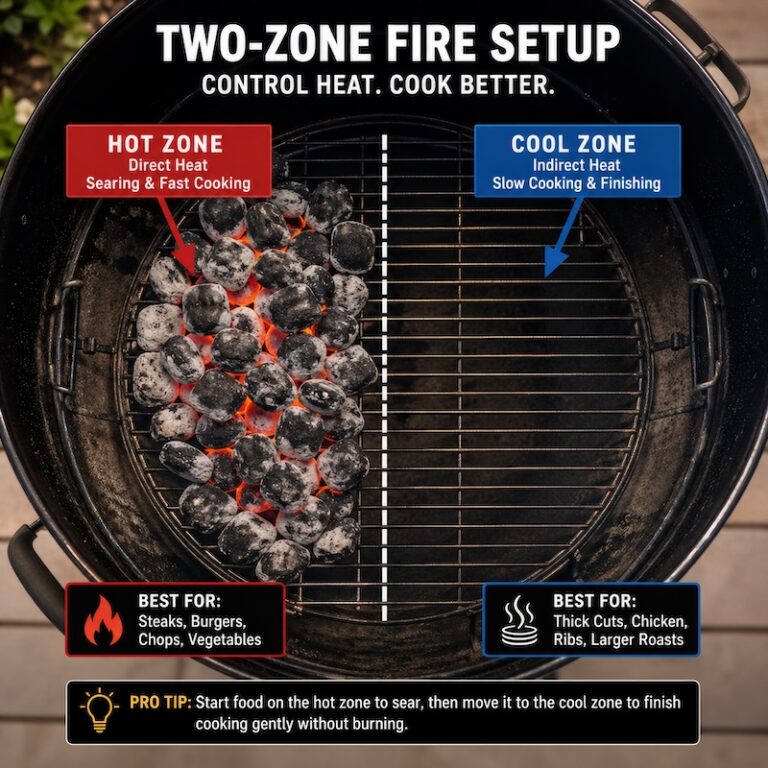
- Hot zone: Direct heat for searing and fast cooking.
- Cool zone: Indirect heat for finishing and preventing burning.
- Decision-making: Move food based on what it needs—not the clock.
- Result: You stop reacting and start controlling outcomes.
Step-by-Step Charcoal Grilling
- 1. Light charcoal: Use a chimney starter for even ignition—no lighter fluid.
- 2. Build zones: Pile coals on one side for hot zone, leave the other side empty.
- 3. Preheat grill: Let grates heat for 5–10 minutes before cooking.
- 4. Start on hot side: Sear for color and crust.
- 5. Move to cool side: Finish cooking gently without burning.
- 6. Adjust vents: Open for more heat, close slightly to reduce.
- 7. Rest food: Let juices redistribute before serving.
Grilling Smarter: The “Why” Behind Every Move
- Start clean and controlled: Use a chimney starter and clean grates so heat and flavor stay pure.
- Wait for the right moment: White-hot coals mean steady, predictable heat—not guesswork.
- Cook in zones, not chaos: Sear over high heat, then move to cooler areas to finish.
- Control heat with air: Vents—not flames—are your temperature dial.
- Give food space: Crowding traps steam and kills browning.
- Use the lid strategically: Closed lid = oven effect for thicker cuts.
- Enhance, don’t overpower: Add wood for subtle smoke, not a bonfire.
- Finish like a pro: Rest meat so juices stay in the food, not on the plate.
Charcoal Grilling: Is It Worth It?
- Choose charcoal if you want flavor: You’ll get deep, smoky taste and better crust on meats.
- Choose charcoal if you want control: Two-zone cooking lets you sear and finish with precision.
- Be ready for a slower start: Expect 15–30 minutes before cooking begins.
- Accept the mess: Ash cleanup and setup take more effort than gas.
- Know the tradeoff: More flavor and control… in exchange for more hands-on work.
Enjoying Your New Charcoal Grill
Charcoal grilling may be a little messy and require a bit more skill, but the result is worth it. With better-tasting meat and that glorious aroma, some creative culinary flair will yield terrific results.
To see the pros and cons of grilling on a gas grill.
Visual Cues It’s Working
- Color: Deep golden-brown or char marks—not blackened.
- Sound: Steady sizzle, not aggressive flare-ups.
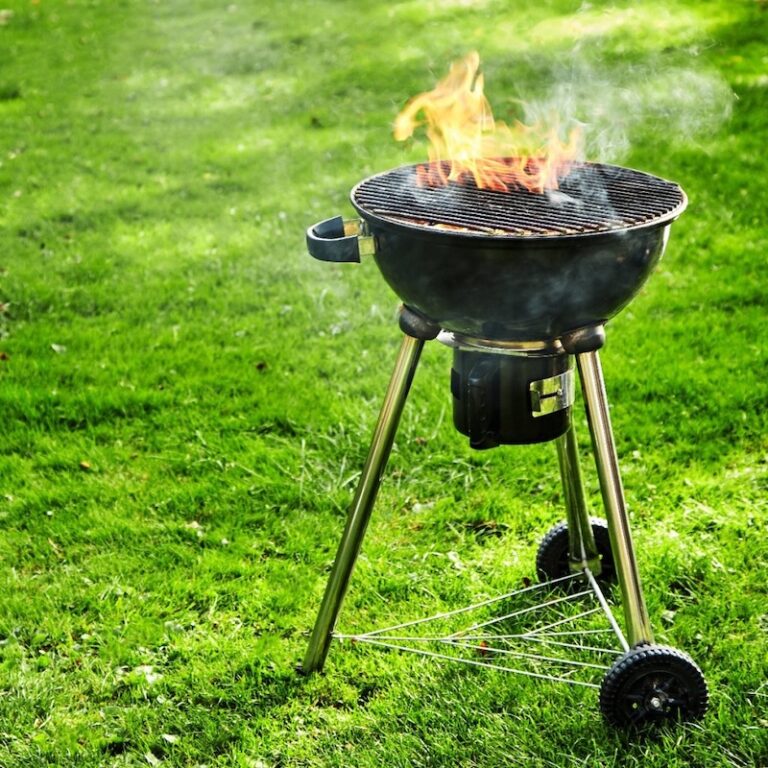
- Smoke: Thin, wispy smoke—not thick and white.
- Texture: Food releases easily from the grate when ready to flip.
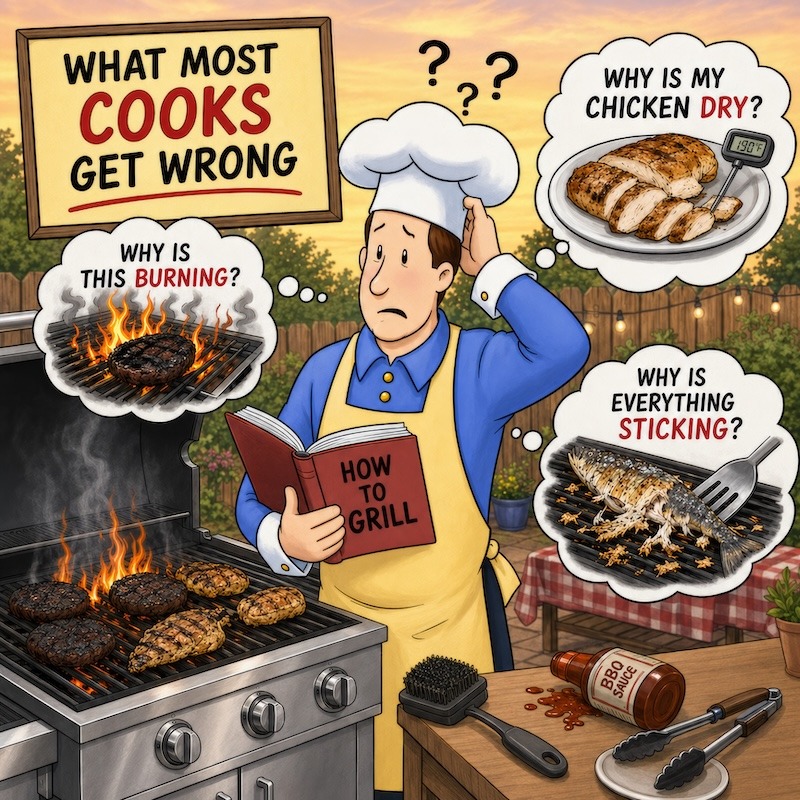
What Most Cooks Get Wrong
- All coals in one pile: No control, only intense heat.
- Cooking over flames: Flames burn food, coals cook it.
- Constant flipping: Prevents proper searing.
- Ignoring vents: Airflow = temperature control.
Quick Diagnosis Strip
- Burning outside, raw inside: Too much direct heat → Move to cool zone.
- No sear: Not hot enough → Add coals or open vents.
- Flare-ups: Fat hitting flames → Move food, close lid.
- Dry meat: Overcooked → Use indirect heat sooner.
Quick Fixes & Pro Tips
- Oil the food, not the grill: Prevent sticking.
- Use a lid: Turns grill into an oven for even cooking.
- Add wood chunks: Boost flavor without overpowering.
- Keep a spray bottle: Control flare-ups fast.
Control the Variables
- Heat: More coals or open vents increase temperature.
- Time: Thicker cuts need slower, indirect cooking.
- Airflow: Bottom vent feeds fire, top vent controls smoke.
- Distance: Raise or lower grate to adjust intensity.
Charcoal Grilling Cheat Sheet
- Always build two heat zones
- Sear first, then finish indirect
- Control heat with vents, not panic
- Cook over coals, not flames
- Move food based on results, not time
When to Use Charcoal Grilling
- Best for: Steaks, burgers, chicken, vegetables.
- Great when: You want smoky flavor and crust.
- Not ideal for: Delicate foods without indirect setup.
- Alternative: Use gas for speed, charcoal for flavor.
Apply This to Real Food
- Steak: Sear hot, finish indirect to desired doneness.
- Chicken: Start indirect, finish with crisp skin over heat.
- Burgers: Direct heat, flip once, finish briefly indirect.
- Vegetables: Use medium heat to avoid burning.
FAQ Section
Q: How long does charcoal take to heat up?
About 15–20 minutes using a chimney starter.
Q: Should I grill with the lid open or closed?
Closed for most cooking. Open only for quick searing.
Q: How do I know when charcoal is ready?
When coals are covered with white-gray ash.
Q: Why do I get flare-ups?
Fat drips onto hot coals, creating flames.
Q: How do I control temperature?
Adjust airflow using top and bottom vents.
Q: Can I reuse charcoal?
Yes, if partially burned. Shake off ash and relight.
Q: What’s the best charcoal to use?
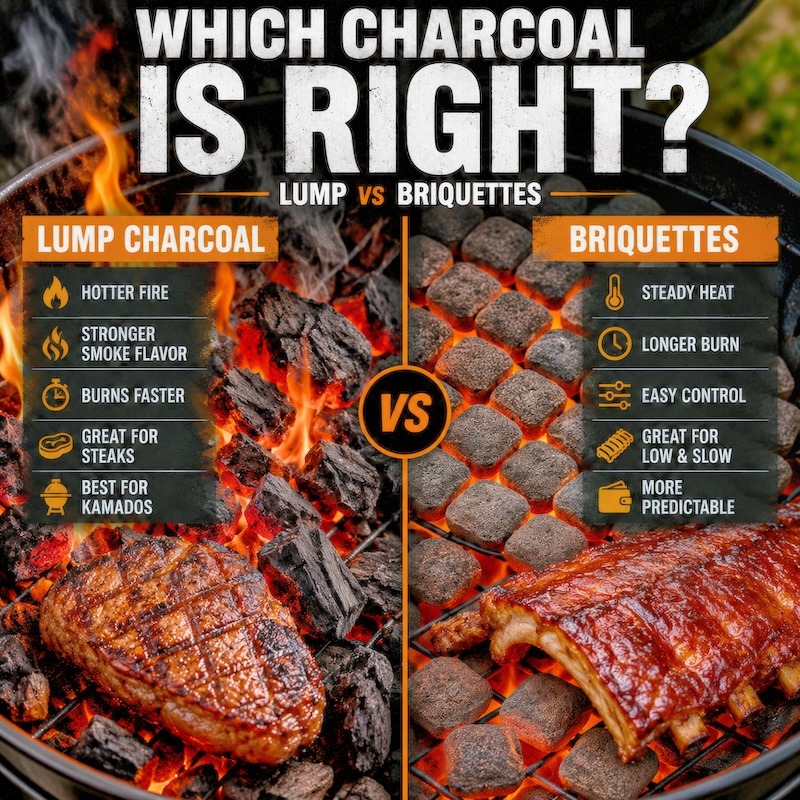
Lump charcoal burns hotter; briquettes burn more evenly.
Q: Why does my food stick?
Grates aren’t hot enough or food isn’t ready to flip.
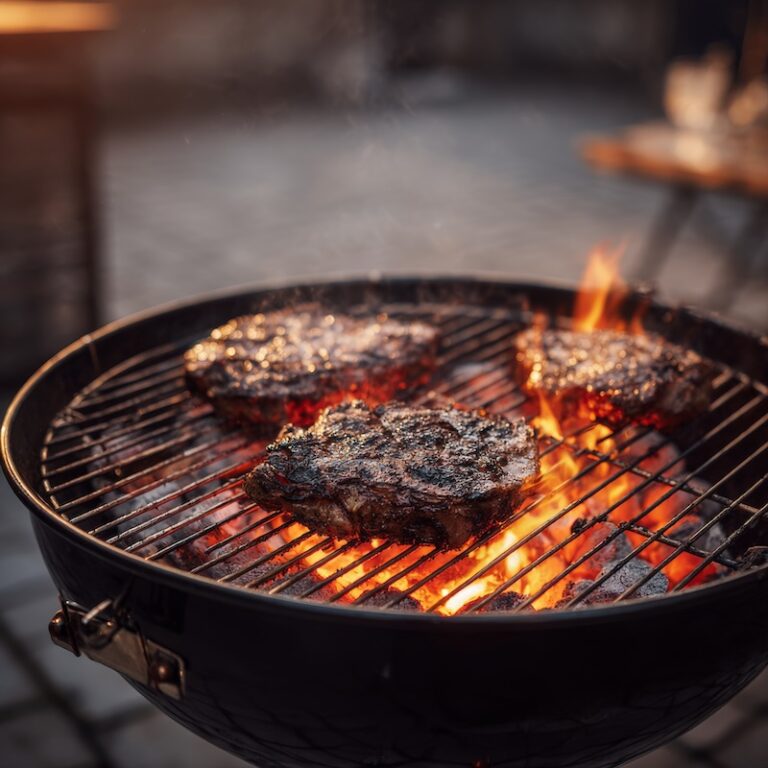
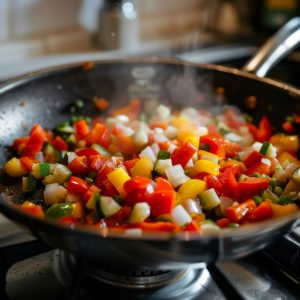


3 Responses
I charcoal grill and I have a question I need answered. All I have ever grilled were quick ten to 15 minute items like rib steak or hamburgers but I have wanted to do more the problem is my lack of knowledge in the following area:
How long will the coals last and how do I know when to add more ie. I want to cook ‘chicken on a beer can’…it takes at least an hour to an hour and a half…so how do I know when to add more coals to keep the heat hot?
Great question – I can’t tell you how long the charcoal will last because it depends on the charcoal and how hot your fire is but you add more as needed. If the fire is loosing heat because the coals have diminished, you add some more coals but remember, when you are cooking something for a longer time like beer can chicken, you are going to keep the cover on the grill so you don’t need a tremendous about of heat like you might when searing a steak. – RG
well that’s the thing….how do i know when to add more? is it when the lump charcoal has burned very small or do I assume that after 45 minutes I should automatically add more? I guess I need to know how to take the temperature of the coals/heat
I don’t think there is too much that is automatic in cooking. Everything has variables. However, if you keep your eye on you fire you will be able to tell when you need to add more charcoal. – RG
I get my coals to last longer by using a mixture of charcoal briquettes and lump charcoal/seasoned hardwood. This does produce a high heat but the adjustable grill takes care of that.
Great tip Ric, thanks – RG