Fast Answer
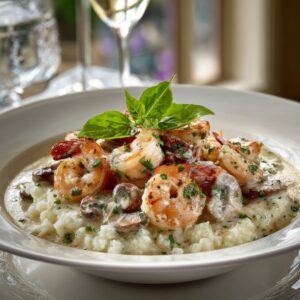
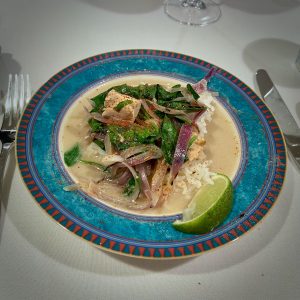
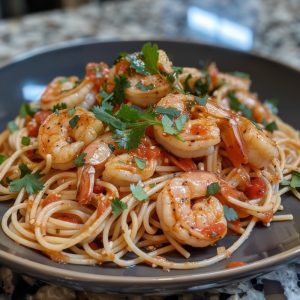
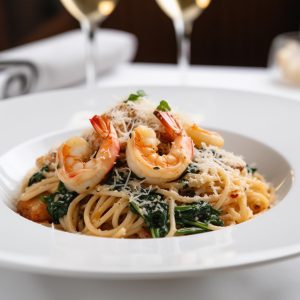
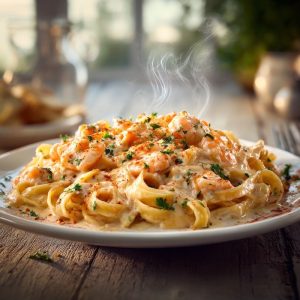
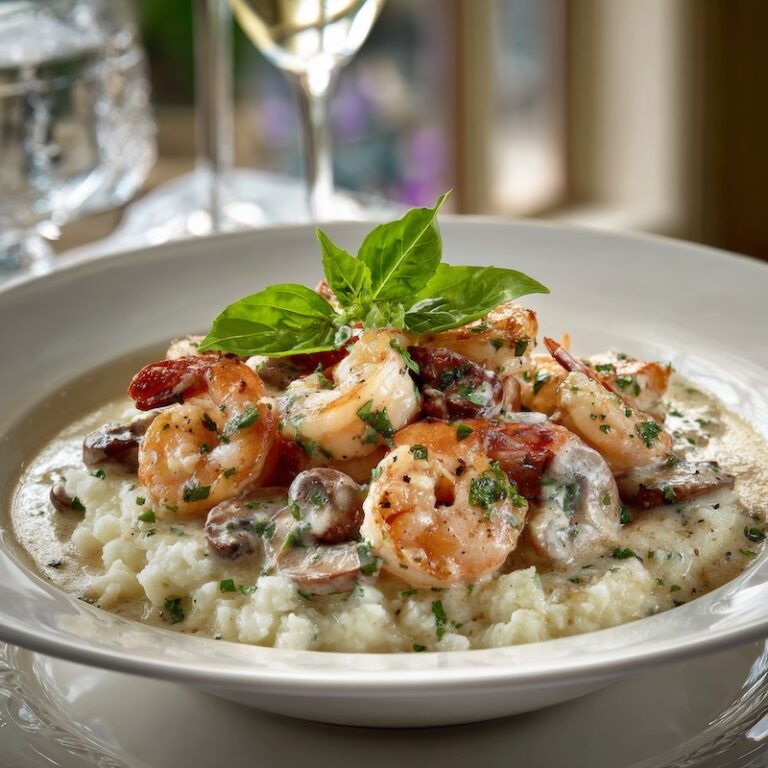
Shrimp Victoria is a quick shrimp dinner made with sautéed shrimp, garlic, butter, white wine, and a creamy sauce. It feels elegant enough for company but cooks fast enough for a weeknight meal.
A Classic New Orleans Shrimp Victoria Recipe
This Shrimp Victoria recipe combines tender shrimp with garlic, butter, white wine, and cream for a rich but balanced seafood dinner.
The sauce comes together quickly and coats the shrimp without overpowering them. It’s an easy restaurant-style recipe that works equally well for date night, dinner parties, or a fast weeknight meal when you want something a little special.
Start Here
- Use large shrimp: Bigger shrimp stay juicier and are harder to overcook.
- Prep everything first: The sauce moves quickly once the shrimp hit the pan.
- Cook shrimp briefly: Remove them as soon as they turn pink and slightly firm.
- Reduce the wine: Letting the wine cook down concentrates flavor and removes harshness.
- Serve immediately: Cream sauces lose their silky texture if they sit too long.
Why This Recipe Works
- Balanced richness: Butter and cream add body while white wine keeps the sauce from feeling heavy.
- Fast cooking: Shrimp cook in minutes, making this an ideal quick dinner.
- Layered flavor: Garlic, wine, and shrimp create depth without needing complicated ingredients.
- Restaurant-style technique: Cooking the shrimp separately prevents overcooking.
- Versatile serving options: Works with pasta, rice, crusty bread, or vegetables.
Have you made Shrimp Victoria before? Did you serve it over pasta, rice, or something unexpected? Tell me in the comments below what worked in your kitchen and any twists you added to make it your own.
Shrimp Victoria Recipe
Equipment
- large skillet
Ingredients
- 1 cup shrimp stock can be made with the shells from the shrimp you are using
- 2 tablespoons butter
- 2 tablespoons all-purpose flour
- ½ cup sour cream
- 1 tablespoon olive oil
- 1 small onion minced finely
- ½ pound mushrooms
- 2 tablespoons fresh basil chopped
- ¼ cup light cream
- 1 pound shrimp medium sized, peeled and deveined
- salt & freshly ground pepper to taste
Instructions
- Pat the shrimp dry with paper towels and season lightly with salt and pepper.
- Heat a large skillet over medium-high heat and add butter and olive oil.
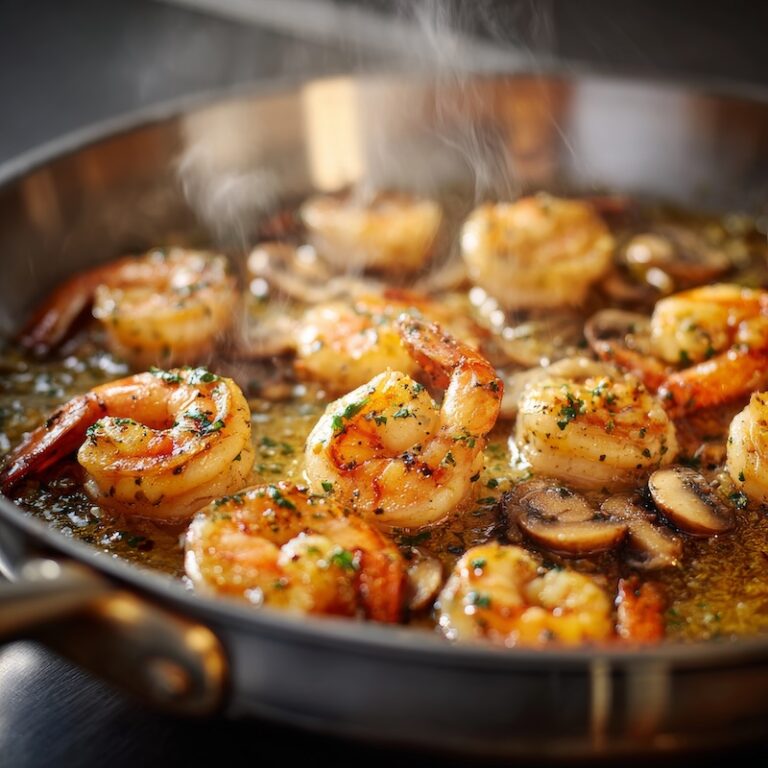
- Add the shrimp in a single layer and cook for about 1 to 2 minutes per side until just pink. Do not fully cook them through yet. Remove shrimp and set aside.
- Lower the heat slightly and add the garlic. Cook for about 30 seconds until fragrant.
- Pour in the white wine and scrape up any browned bits from the pan. Simmer until reduced by about half.
- Stir in the cream and cook gently for 2 to 3 minutes until the sauce slightly thickens.
- Return the shrimp to the skillet and toss to coat in the sauce. Cook for another minute until the shrimp are fully cooked.
- Taste and adjust seasoning with salt, pepper, and a squeeze of lemon juice if needed.
- Serve immediately over pasta, rice, or with crusty bread.
Notes
What Most Cooks Get Wrong
- Overcooking the shrimp: Shrimp continue cooking slightly after leaving the pan.
- Using cold shrimp: Ice-cold shrimp cook unevenly and can release excess water.
- Skipping the wine reduction: Raw wine flavor can make the sauce taste sharp.
- Crowding the pan: Too many shrimp at once causes steaming instead of sautéing.
- Boiling the cream: A hard boil can break the sauce and create a grainy texture.
Cooking Tips for Better Shrimp Victoria
- Prep first: Mince the onion, slice the mushrooms, chop the basil, and peel the shrimp before you start cooking. The sauce moves quickly once the pan gets hot.
- Save the shrimp shells: Use them to make homemade shrimp stock for deeper seafood flavor.
- Keep the heat moderate: Simmer stock gently instead of boiling it hard so the flavor stays clean and delicate.
- Cook the roux carefully: Whisk constantly and stop at a pale blonde color for a silky, smooth sauce.
- Brown the mushrooms well: Let their moisture cook off completely so they develop richer flavor instead of steaming.
- Add dairy gently: Keep the heat low after adding cream or sour cream to prevent curdling.
- Season in layers: Taste throughout cooking instead of salting heavily at the end.
- Do not overcook the shrimp: Remove the pan from the heat as soon as the shrimp turn pink and firm.
- Adjust the spice level: Add hot sauce during cooking for subtle heat or serve it at the table for more control.
- Serve immediately: Cream sauces thicken as they cool, so this dish tastes best straight from the pan.
What You Can Serve With This
- Angel hair pasta: Light pasta lets the sauce shine.
- Rice pilaf: Absorbs the buttery sauce beautifully.
- Crusty bread: Mandatory sauce-sweeping equipment.
- Roasted asparagus: Adds freshness and contrast.
- Caesar salad: Crisp greens balance the richness.
- Wine pairing: Sauvignon Blanc or unoaked Chardonnay work especially well.
Ingredient Substitutions
- No shrimp stock? Use chicken or vegetable stock. Add a pinch of seafood seasoning for more depth.
- No butter? Substitute olive oil for a lighter flavor or ghee for extra richness.
- Need it gluten-free? Replace all-purpose flour with gluten-free flour or use a cornstarch slurry.
- Out of sour cream? Greek yogurt adds tang while crème fraîche creates a richer sauce.
- No olive oil? Vegetable oil or avocado oil work well because their flavors stay neutral.
- Do not like mushrooms? Try zucchini, bell peppers, or eggplant instead. Some vegetables release more moisture, so cooking times may vary.
- No light cream? Half-and-half keeps the sauce traditional while coconut milk adds subtle sweetness.
- Want another protein? Scallops, chicken, or firm white fish all work nicely. Adjust cooking times carefully.
- No fresh basil? Parsley, cilantro, or dried basil can work in a pinch. Add dried herbs earlier so they soften and bloom.
The Story Behind Shrimp Victoria
Shrimp Victoria is closely tied to the rich seafood traditions of New Orleans, where Gulf shrimp, butter-based sauces, and Creole-inspired cooking have shaped restaurant menus for generations.
The dish is often associated with legendary New Orleans restaurants like Brennan’s and Commander’s Palace. Brennan’s has described the dish as Gulf shrimp sautéed in butter with fresh basil and mushrooms served in a light cream sauce over parsley rice. That combination of shrimp, herbs, cream, and mushrooms still defines most modern versions today.
Like many classic restaurant dishes, the exact origin of Shrimp Victoria is a little murky. The name itself suggests elegance and old-school dining room glamour, which fits the style of upscale New Orleans seafood cooking from the mid-20th century.
Over time, home cooks adapted the recipe into a more approachable dish while keeping its signature creamy sauce and tender shrimp. Today, Shrimp Victoria remains a restaurant-style seafood dinner that feels special without requiring complicated techniques.
FAQ
What is Shrimp Victoria?
Shrimp Victoria is a shrimp dish made with butter, garlic, white wine, and cream. The sauce is rich but balanced and often served over pasta or rice.
Can I use frozen shrimp?
Yes. Thaw them completely and pat them dry before cooking to avoid excess moisture in the pan.
What size shrimp works best?
Large or extra-large shrimp work best because they stay tender and are easier to cook evenly.
What wine should I use?
Use a dry white wine like Sauvignon Blanc, Pinot Grigio, or Chardonnay. Avoid sweet wines.
Can I make this without wine?
Yes. Substitute seafood stock or chicken stock with a squeeze of lemon juice for brightness.
Can I make Shrimp Victoria ahead of time?
You can prep the ingredients ahead, but cook the dish just before serving for the best texture.
What pasta goes best with Shrimp Victoria?
Angel hair, linguine, or fettuccine all work well because they hold the sauce nicely.
How do I know when shrimp are done?
Shrimp are done when they turn pink, opaque, and curl into a loose “C” shape.
Can I add vegetables?
Yes. Spinach, mushrooms, asparagus, or cherry tomatoes work especially well.


5 Responses
Sounds really good. I would like the wine deglazing sauce also. If I added coconut milk and curry; do you think it would work?
I added a splash of dry sherry with a dash of sriacha………wonderful
A suggestion: the original recipe from Brennan’s includes a pretty substanial amount (2T) of homemade Worcestershire sauce. Most of us don’t have the ambition to ferment anchovies, etc., so good ol’ Lea and Perrin’s is fine (I use significantly less than the recipe calls for; it’s potent & I suspect the homemade version is less so)—but it’s a pretty critical ingredient, IMO. It just may be that je ne sais quoi that you’re seeking. I also add a little pinch of cayenne; can’t recall if it’s original to the recipe or if I modified, but it works.
Hi Betsy, thanks for these tips. I’ll give them a try next time I prepare this dish. Thanks.
The recipe I had originally called for cayenne pepper, as opposed to hot sauce.