


Fast Answer
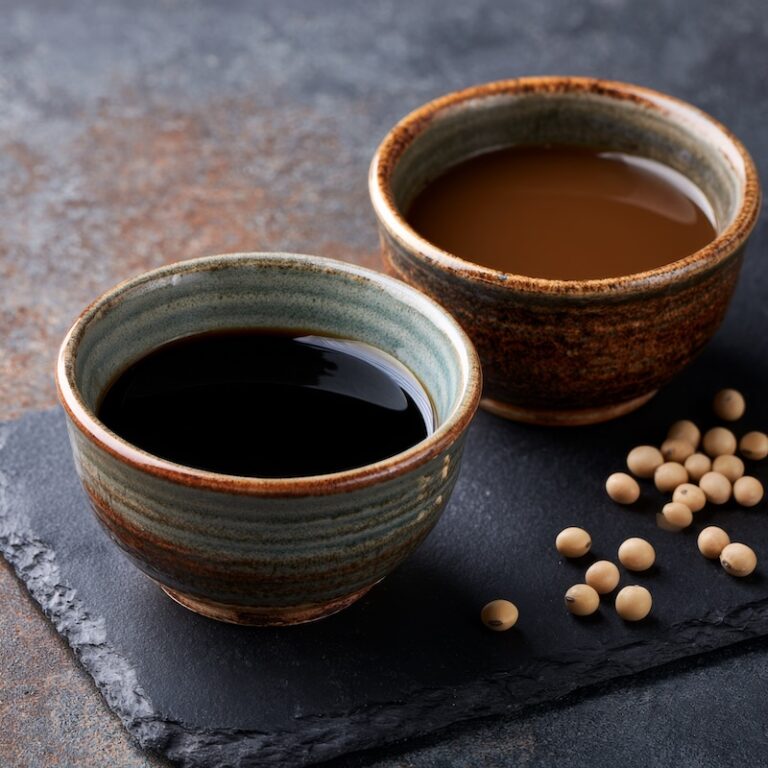
Soy sauce is brewed with soybeans and wheat, giving it a sharp, salt-forward flavor. Tamari is brewed with little or no wheat, making it richer and smoother — and usually gluten-free. They substitute 1:1, but they don't taste identical.
Two Bottles, One Shelf — Here's Why Both Exist
Soy sauce and tamari sit next to each other on the grocery shelf, look nearly identical, and cost about the same. Most cooks grab whichever one they recognize and move on.
But they’re not the same thing — and the difference matters more than you’d think, especially if you’re cooking for someone who can’t eat gluten. This page covers what sets them apart, how they behave differently in cooking, and when the distinction is actually worth caring about.
Start Here
- Soy sauce is brewed from soybeans, wheat, salt, and water. The wheat isn't just filler — it contributes to the sharper, more aggressive saltiness that defines most soy sauces.
- Tamari originated as a byproduct of miso production — the liquid that pools in the vat as miso paste matures. (The word tamari loosely translates as "puddle.") Because miso is made primarily from soybeans, tamari contains little to no wheat.
- Why both exist: They're not interchangeable products solving the same problem. Tamari was never designed as a soy sauce alternative — it predates that framing. The gluten-free angle is a side effect of how it's made, not its original purpose.
- The practical upshot: If gluten isn't a concern, the choice is about flavor and function. If it is, tamari is the straightforward answer — but check the label, because not every tamari is certified gluten-free.
Side-by-Side Comparison
- See the full comparison table below — it covers composition, flavor, viscosity, heat tolerance, sodium, best uses, dietary considerations, substitution ratio, and storage.
| Category | Soy Sauce | Tamari |
|---|---|---|
| Definition | Fermented seasoning made from soybeans, wheat, salt, water; many regional styles (light, dark, sweet, etc.). | Byproduct of miso fermentation; primarily soybeans, little to no wheat, salt, water; naturally richer and smoother. |
| Wheat / Gluten | Usually contains wheat → not gluten-free unless labeled “gluten-free.” | Traditionally wheat-free; many brands are gluten-free (verify label—some add small amounts of wheat). |
| Flavor Profile | Salty, sharp umami; light styles are cleaner/brighter; dark styles are deeper with mild sweetness. | Round, mellow umami; less sharp saltiness; more body and subtle sweetness; often described as “smoother.” |
| Aroma | Toasty, slightly alcoholic/yeasty notes depending on style and aging. | Roasty cocoa/nutty notes; less volatile salt bite on the nose. |
| Color | Ranges from reddish-brown (light) to near black (dark). | Typically dark brown to black, slightly more opaque. |
| Viscosity | Light/thin (especially “light” or “usukuchi”). | Slightly thicker, coats food a bit better. |
| Umami Intensity | High; varies by brewing and style. | Very high; perceived as richer due to higher soybean ratio. |
| Sodium (per Tbsp) | ~800–1,000 mg (regular); ~500–700 mg (reduced-sodium). Varies by brand—check label. | ~700–950 mg (regular); reduced-sodium options available. Check label. |
| Fermentation | Traditionally brewed (months) or chemically hydrolyzed (faster, harsher flavor). Some blended. | Typically traditionally brewed alongside miso (months). Hydrolyzed versions exist but are less common. |
| Heat Tolerance | Light styles keep salinity in quick sautés; prolonged high heat can taste harsh if over-reduced. | Holds depth well in simmering and reductions; stays rounded after cooking. |
| Best Uses | Light: seasoning during cooking, dressings. Dark: color & depth in braises, stir-fries, marinades. Sushi typically uses naturally brewed “koikuchi.” | Dipping sauces, finishing, gluten-free swaps, marinades for richer savoriness; great where a smoother, less sharp salt presence is desired. |
| Cuisine & Origin | Broad East Asian use; iconic to Chinese and Japanese cuisines (multiple regional types). | Japanese origin from miso production; widely used globally as a gluten-free alternative. |
| Common Variants | Light/usukuchi, dark/koikuchi, saishikomi (double-brewed), shiro (white), sweet, mushroom, etc. | Regular, reduced-sodium, aged/“double-brew” styles; occasionally smoked. |
| Additives | Some brands add sugar, caramel color, preservatives, or flavor enhancers (e.g., hydrolyzed proteins). | Usually simpler ingredient lists; still check for alcohol, preservatives, or flavor enhancers. |
| Diet Considerations | Not gluten-free unless specified; typically vegan, but check for alcohol if avoiding. | Often gluten-free and vegan; verify certifications if needed (GF, Kosher, etc.). |
| Substitution Ratio | For tamari → soy: 1:1 in most recipes; taste and adjust salt. | For soy → tamari: 1:1; expect slightly fuller, less sharp saltiness. |
| When to Choose | Need brighter, salt-forward impact; cost-effective pantry staple; specific regional styles. | Need gluten-free; want rounder depth for dips/finishes; prefer cleaner label and thicker body. |
| Availability & Price | Very widely available; broad price range from budget to artisanal. | Widely available in mainstream groceries; typically slightly more expensive. |
| Shelf Life (Unopened) | ~18–24 months; best quality within 1–2 years. | ~18–24 months; quality slowly softens over time. |
| After Opening | Refrigerate for best flavor; use within 6–12 months. | Refrigerate; use within 6–12 months. Flavor remains stable and rounded. |
| Cross-Contamination Risk | High for gluten unless certified GF; watch shared facilities. | Lower, but verify “gluten-free” and facility statements if celiac. |
| Label Tips | Look for “brewed” or “fermented,” short ingredient lists; “gluten-free” if needed; avoid “hydrolyzed” for cleaner flavor. | Confirm “gluten-free/certified GF;” check sodium; prefer traditionally brewed for best depth. |
| Quick Chef Notes | Use light soy early for seasoning; dark soy sparingly for color + umami. | Great for finishing and dips; keeps flavor integrity in simmered sauces. |
Flavor & Function
- Soy sauce: Sharp, salt-forward umami with a slightly alcoholic, yeasty edge depending on brewing. Light soy sauce is thinner and brighter; dark soy sauce is deeper with mild sweetness from longer fermentation or added molasses. High heat can make it taste harsh if it over-reduces.
- Tamari: Rounder, mellower umami with more body and a subtle sweetness. Less sharp on the palate. Holds its depth well in simmering and reductions — the flavor stays smooth rather than turning aggressive. Worth tasting side by side at least once; the difference is more obvious than most people expect.
Think Like a Cook
- Treat them the way you'd treat two grades of olive oil. If you have a genuinely good extra virgin olive oil, you don't fry with it — you save it for where it shows up. Same logic applies here.
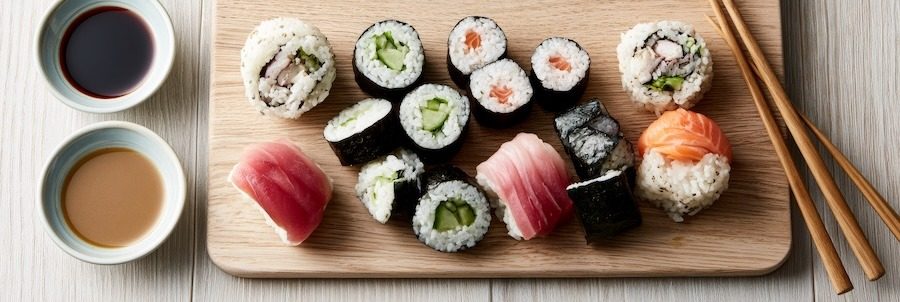
- Reach for tamari when the sauce is the point — a dipping sauce for sushi, a finishing drizzle, a noodle sauce where you'll taste every note. The smoother flavor doesn't get crowded out.
- Reach for soy sauce when you're building background saltiness — a stir-fry, a marinade, anything where the sauce is one voice in a larger dish. The sharper edge blends in without needing to be the star.
- The mistake most cooks make isn't using the wrong one — it's never tasting them side by side. Do that once and the decision becomes instinctive.
When to Use Soy Sauce
- Stir-fries and fried rice: The sharper salt presence integrates well when you're building layers of flavor quickly over high heat.
- Marinades for bold proteins: Beef, pork, dark-meat chicken — soy sauce's assertiveness matches the intensity of the protein.
- Braises and long-cooked dishes: Dark soy sauce in particular adds color and depth without oversalting.
- Regional Chinese and Korean dishes: Where the flavor profile is built around soy sauce's specific character — don't substitute tamari here if you want the authentic result.
- Everyday seasoning: When you just need background saltiness and umami, soy sauce is the cost-effective, workhorse choice.
When to Use Tamari
- Dipping sauces: For sushi, sashimi, gyoza, or spring rolls — anywhere the sauce sits on the palate without competing with bold aromatics. The smoother flavor earns its place here.
- Finishing: A small pour over a finished dish just before serving, where you want seasoning without sharpness.
- Lighter proteins: Fish, tofu, delicate chicken — tamari won't overwhelm what you're cooking.
- Gluten-free cooking: The most common reason people reach for it. Works as a 1:1 swap in virtually any recipe. One reader note worth passing along: gluten-free soy sauce (Kikkoman makes one) is also an option if you want the flavor profile of soy sauce without the wheat.
- Richer dressings and noodle sauces: The added body and depth makes tamari hold up well in sesame-based or peanut-based sauces where you want layers rather than a salt hit.
Can You Substitute One for the Other?
- Substitution ratio: 1:1 in almost every case. No math needed.
- When it works fine: Marinades, stir-fries, braises, fried rice — dishes with enough going on that the flavor difference gets absorbed into the whole.
- When it changes the dish: Dipping sauces and finishing applications, where the sauce is uncooked and front-and-center. Swapping soy sauce for tamari here makes it mellower (usually a good thing). Swapping tamari for soy sauce makes it sharper and saltier — noticeable, especially with delicate proteins.
- Gluten substitution specifically: Tamari is the standard swap, but certified gluten-free soy sauce is also available and preserves the original flavor profile more closely.
- Other alternatives: Coconut aminos (lower sodium, milder, slightly sweet — not a neutral swap but works in many applications), Worcestershire sauce (different flavor profile, use sparingly as a workaround), fish sauce (intense, use at about half the amount).
What Most Cooks Get Wrong
- Treating them as completely identical: They substitute 1:1, but that doesn't mean they taste the same. Most cooks who switch to tamari don't go back — not for health reasons, but because they prefer the flavor.
- Assuming all tamari is gluten-free: Most is, but not all. Some producers add small amounts of wheat. If celiac disease is a factor, check for the certified gluten-free label specifically — don't assume.
- Ignoring soy sauce variety: "Soy sauce" covers a wide range. Light soy sauce, dark soy sauce, double-brewed, white — they're not interchangeable with each other, let alone with tamari. If a recipe calls for dark soy sauce and you use light, that's a bigger difference than soy vs. tamari.
- Over-reducing either one: Both become harsh and bitter when cooked down too aggressively over high heat. Add them toward the end of a stir-fry or in a marinade rather than letting them reduce in the pan.
Storage & Shelf Life
- Unopened: Both keep about 18–24 months in a cool, dark pantry.
- After opening: Refrigerate both for best quality. Use within 6–12 months. One reader with long experience using tamari specifically noted that its umami rounds off noticeably after about 6 months — buy it in a size you'll finish. As they put it: "Don't worry about the price. You don't drink it."
- Signs it's past its prime: Flat flavor, loss of depth, or a sharp chemical edge that wasn't there before. Neither sauce goes "bad" in a food safety sense quickly, but the flavor degrades.
Worth the Upgrade?
- Worth it: Traditionally brewed versions of both — look for "brewed" or "fermented" on the label with a short ingredient list. The flavor difference over chemically hydrolyzed versions (faster, cheaper to produce) is meaningful, especially in dipping applications.
- Not worth it: Premium artisanal versions for everyday seasoning and cooking. Save the good tamari for the table; use a solid mid-range soy sauce for the wok.
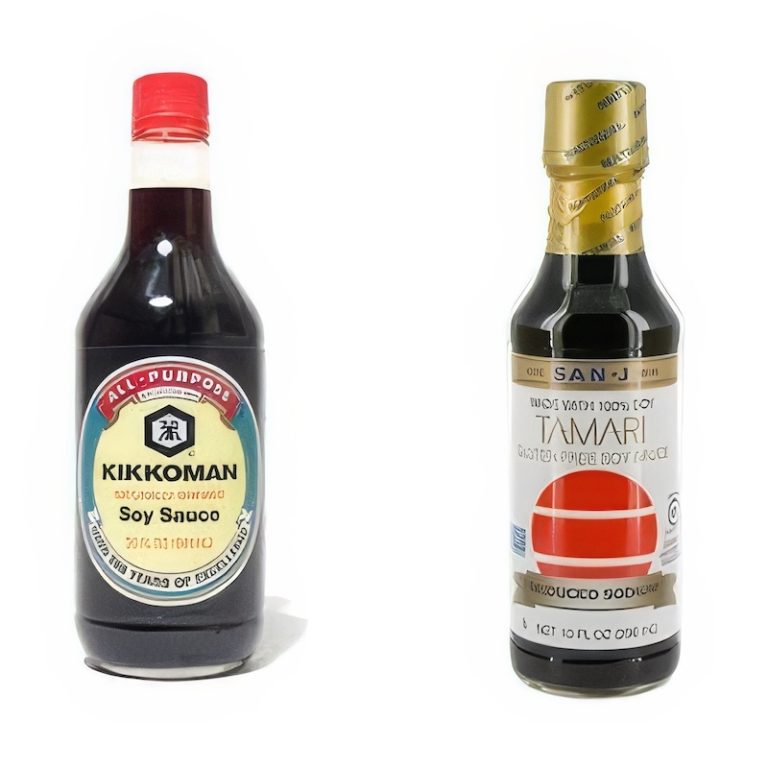
- Brand notes from readers: San-J and Yamasa are frequently mentioned for tamari. Kikkoman and Yamasa for soy sauce. Lee Kum Kee is the most widely available Chinese-style soy sauce. All are reliable starting points.
Where These Two Sauces Actually Come From
Soy sauce and tamari sauce both originated in East Asia, with rich histories tied to Chinese and Japanese culinary traditions.
Soy sauce is believed to have originated in China over 2,000 years ago. It was initially created to preserve soybeans and other grains through fermentation. Over time, this process evolved into a more refined condiment, and soy sauce spread throughout Asia. Today, it is widely used in Chinese, Korean, and Southeast Asian cooking, as well as in many other cuisines worldwide. The typical soy sauce used today is the Chinese-style variety, often brewed with soybeans and wheat.
Tamari sauce has a more specific origin in Japan. It is a byproduct of making miso paste, a fermented soybean paste. The tamari that forms as a liquid during the miso fermentation is often darker and thicker than soy sauce. Traditionally, tamari was brewed almost exclusively with soybeans, making it a distinct alternative to the wheat-based soy sauces of China. Tamari has been a staple in Japanese cuisine for centuries, particularly in dishes where a gluten-free option is needed.
While both sauces have similar roots, their differences in ingredients and fermentation methods make each unique in flavor and use.
But what about cooking?
Which bottle should you pick up to add to your stir fry?
I look at it the same way I look at my olive oil. If I have a very fruity and rich extra virgin olive oil, I will not use it as a frying oil since the complexity will be lost when it is heated. I save my less-flavorful oils (and oils with a higher smoke point) for frying.
So, when the sauce will be the star of the show, as for a dipping sauce for sushi or a sauce for noodles, I’d choose tamari. When you just need to add some salty flavor to a stir fry, reach for the bottle of soy sauce.
So, do you need to own both Japanese and Chinese soy sauce? Unless you are gluten-intolerant and must use gluten-free tamari, I leave that choice up to you. At least now you know the difference between the two.
Explore More on This Topic
- 10 Stir Fry Lessons To Be a Better Cook — Equipment, ingredients, and technique for getting stir-fry right at home.
- Everything You Need to Know About Worcestershire Sauce — What it is, where it comes from, and how to use it as a seasoning and substitute.
- Soy Ginger Sauce Recipe — A simple sauce that puts soy sauce to work as the main flavor, not just background seasoning.
- How to Season Food With Salt — Why salt does more than make things salty, and how to use it at the right moment.
- Miso Dressing Recipe — A good place to start if you want to cook with the paste that tamari comes from.
Frequently Asked Questions
Is tamari healthier than soy sauce?
Not in any clear-cut way. Tamari tends to have a slightly simpler ingredient list and is often lower in sodium than standard soy sauce, though this varies by brand — check the label rather than assuming. The more meaningful difference for most people is gluten content, not nutrition. Neither is a health food in quantity; both are seasonings used by the tablespoon.
Can I substitute tamari for soy sauce in any recipe?
In most recipes, yes — the ratio is 1:1. The flavor will be slightly rounder and less sharp, which most people find acceptable or better. You’ll notice it most in uncooked applications like dipping sauces, where tamari’s smoothness is front and center.
Does tamari taste different when cooked?
Less different than when raw. Heat softens the distinction between the two. In a stir-fry or braise, you’d be hard-pressed to identify which you used. In a dipping sauce or a finishing drizzle, the difference is obvious.
Why do Japanese restaurants in the U.S. put soy sauce on the table instead of tamari?
Likely because they’re mirroring mainstream American expectations rather than strict Japanese tradition. As one reader who spent seven years in Tokyo noted, soy sauce — not tamari — is what appears on tables at sushi restaurants in Japan. Tamari’s association with sushi dipping in the U.S. may be partly a gluten-free accommodation that became a convention.
Is tamari actually gluten-free?
Most tamari is, but not all. Traditional tamari is brewed primarily from soybeans with little or no wheat, but some producers add small amounts. If you’re managing celiac disease or serious gluten intolerance, look for a certified gluten-free label rather than assuming. Standard soy sauce is not gluten-free, though certified gluten-free versions (including from Kikkoman) do exist.
What’s the difference between light and dark soy sauce?
Light soy sauce is thinner, saltier, and brighter — used for seasoning during cooking. Dark soy sauce is aged longer, sometimes with molasses added, producing a thicker, deeper sauce used mainly for color and richness in braises and red-cooked dishes. Using one when a recipe means the other is a more significant mistake than swapping soy sauce for tamari.
Does tamari work for sushi?
Yes — and there’s an argument it’s the more appropriate choice. Tamari’s smoother, rounder flavor doesn’t compete with delicate fish the way a sharp soy sauce can. Whether Japanese tradition actually backs this up is more complicated (see the FAQ entry above), but from a pure flavor standpoint, tamari holds up well as a dipping sauce for sashimi and nigiri.
How long does tamari keep after opening?
Refrigerate it and use it within 6 months for best flavor. One reader with significant experience cooking Japanese food noted that tamari’s umami rounds off and flattens noticeably after that point. Soy sauce is a bit more forgiving — 6 to 12 months refrigerated. Both are technically safe past these windows, but the flavor suffers.


9 Responses
Thank you for the explanation. I’ve been wondering about the two for some time. To me the tastes are very different, and I would not just assume I could substitute Tamari for Soy Sauce. You explained that very well. FYI, there are now several brands of gluten free soy sauce on the market. Kikkoman is readily available in stores, and other brands are available online. I have a box of little individual servings that I can take on the plane with me for travel. Both the Tamari and Soy are available this way online.
I would like to comment on the reason that Japanese restaurants in America have soy sauce sitting on the table instead of tamari. I have lived in the Tokyo metropolitan area for 7 years. And I have never seen anything but soy sauce at sushi restaurants. There may be an area in Japan where you see tamari in some of the sushi restaurants, but I have not heard of it. I did just do a search on the difference between the two, and someone mentioned that tamari is mild, so good with sashimi or for making teriyaki sauce.
A lot of tamari is made in Kyushu, so maybe they put it on the tables at their sushi restaurants, but I have no idea.
So if a business owner in America wanted to mimmick their Japanese counterparts, they would probably not put tamari out on the tables. (They would also not make California rolls, eel rolls, etc., not that those are bad or anything)
Apparently, it depends on exactly how “authentic” you’d like to be. According to Wikipedia: “Wheat-free tamari can be used by people with gluten intolerance. It is the “original” Japanese soy sauce, as its recipe is closest to the soy sauce originally introduced to Japan from China.” Interestingly, they also say that tamari is darker and “richer” in flavor than the common soy sauce, so it seems to be subjective over which is milder. In my own experience, I’ve found standard soy sauce to have a little more of that funky/fermented taste than tamari.
Each brand of soy sauce has it’s own flavor variation. Also all different Asian countries have their own soy sauces that compliment the respective cuisine. Kikkoman is actually a Japanese brand and seems to be the most common brand found in USA. Yamasa is another Japanese brand. Lee Kum Kee seems to be the most common Chinese brand I’ve heard of. I started using tamari (usually San-J brand since that’s what I could find at the time) because I switched to it for gluten reasons and now just prefer it’s flavor.
Thanks Jennifer for this information.
I am a brand new vegan. Fortunately my husband and I both jumped onto this bandwagon together. It makes it a lot easier when another in your household is doing this. You don’t have to smell meat and other ingredients and items that you can’t have. It isn’t an easy transition due to the lack of something different to eat and the constant craving for meat and dairy products. One of the items a lot of the recipes call for is Tamari and I had never heard of it. Thank you for this explanation. It really helps us fledgling vegans to indulge into more variety, which will keep us looking forward to our next meals!
Hi Jacki, thanks for sharing. Please keep me updated with your transition and suggestions for making the move over to becoming a vegan. I have flirted with the idea many times but have not been able to make the jump. What were your reasons for the change?
When I was a kid, we used to visit my aunty on the Island of Maui, this is in the 60’s. My Aunty would cook Japanese Nimono dishes, and it was heavenly. Though out my life I could not recreate her “umami” cooking. Then one day, I was cooking New Years food for our temple, not only that it had to be vegetarian, but also had to be gluten free. So I used tarmari brand soy sauce. Since then I have not looked back, never again will I use any soy sauce that has wheat in it. I do prefer Yamasa over Kikkomon, one thing about “tamari” soy sauce is that it doesn’t keep it’s “umami” for very long. I would say 6 months. So buy it sparingly, I alway tell people, don’t worry about the price. You don’t drink it.
Thanks R. Tanabe for your story. You Aunty sounds like an amazing cook.