
Fast Answer
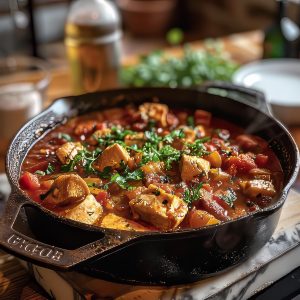
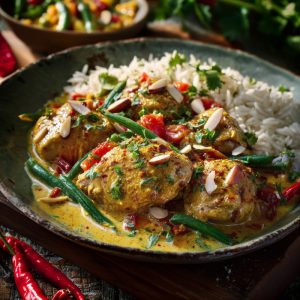
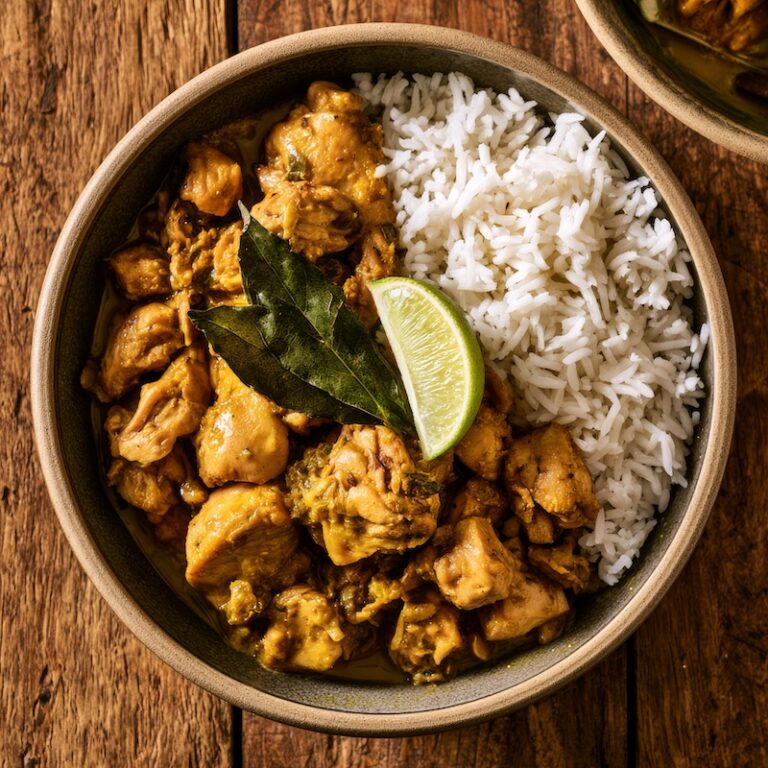
Venezuelan coconut chicken (pollo en coco) is chicken simmered in a blended sauce of coconut milk, tomatoes, and warm spices like cumin and turmeric — about nine ingredients total, ready in well under an hour, and better the day after.
A Recipe I Got Before Dinner Was Even Over
Daniela’s from Venezuela, and this is the kind of dish she’d make on a regular night — nothing fussy about it.
Onions and aromatics get blended into the coconut milk instead of left in pieces, which is most of the trick: the sauce comes out silky without any work beyond a blender. It’s the kind of recipe where the short ingredient list undersells what comes out of the pan.
Cooking Tips
-
Cut evenly: Slice chicken into uniform bite-size pieces so they cook at the same speed.
-
Prep first: Chop onions, mince garlic, and measure spices before you start—this makes the cooking process smooth and stress-free.
-
Sweat, don’t burn: Cook onions gently until soft and translucent; this builds sweetness without bitterness.
-
Blend until smooth: Process the sauce until velvety to ensure the coconut milk, tomatoes, and spices create a creamy base.
-
Brown, don’t overcook: Sear chicken just enough to get color; it will finish cooking in the sauce.
-
Simmer low and steady: Keep heat gentle once the sauce is added. A slow simmer develops rich flavor and prevents curdling.
-
Check doneness: Cut into a piece of chicken after 15 minutes—look for opaque white meat with clear juices.
-
Taste and adjust: Before serving, taste the sauce. Add a pinch of salt, lime juice, or extra spice to balance flavors.
-
Serve smart: Pair with fluffy white rice to soak up the coconut sauce, and garnish with fresh herbs or lime wedges for brightness.
Start Here
- Nine ingredients, one blender: onions, tomatoes, garlic, and the spices all get blended with the coconut milk — you're not building this in layers.
- Cut the chicken into even bite-size pieces so it cooks through at the same rate.
- Brown the chicken first, don't skip it — it's where the base flavor in the pan starts.
- Simmer gently once the sauce goes in — a hard boil risks the coconut milk breaking.
Venezuelan Coconut Chicken Recipe
Ingredients
Instructions
Prep
- Cut the chicken into bite-sized pieces. Peel and cut the onions; mince the garlic.
- Assemble the rest of the ingredients before you start cooking.
Saute the Onion
- Heat a fry pan over medium heat. Add the oil, then sauté the onion until translucent.
- Remove from the pan and transfer to a blender or food processor.
Blend the Sauce
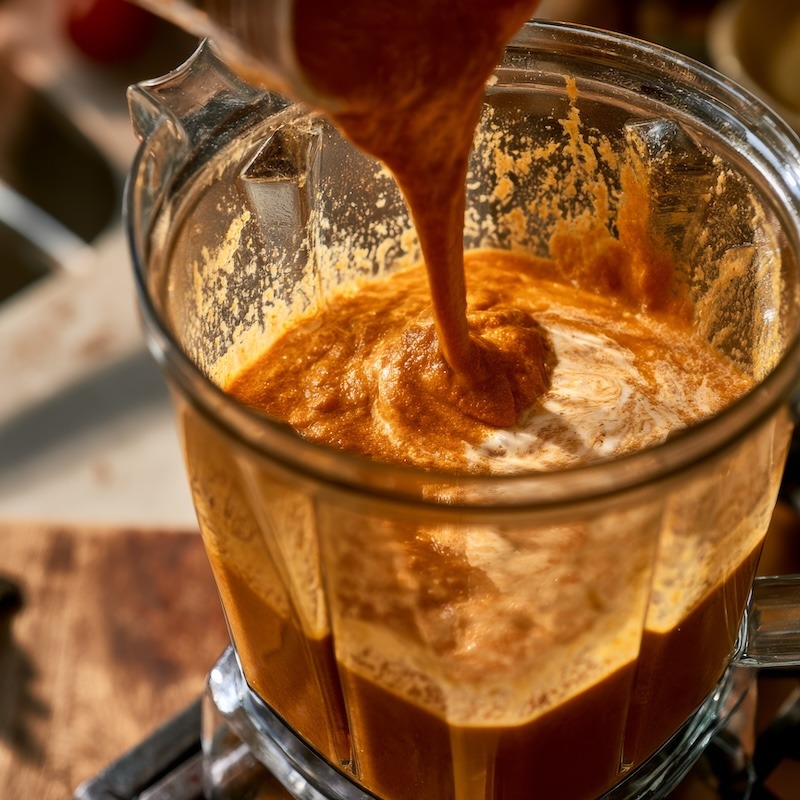
- Add the tomatoes, garlic, turmeric, cumin, salt, black pepper or chili powder, sugar, ginger paste, coconut milk, and water to the blender.
- Blend until smooth.
Brown the Chicken
- In the same pan you cooked the onion, add the chicken and brown on all sides, about 3 minutes.
Simmer
- Add the blended sauce and bay leaves to the pan. Bring to a simmer and cook until the chicken is cooked through and the sauce is creamy, 15 to 20 minutes.
- Keep the heat gentle — a hard boil can cause the coconut milk to separate.
Serve
- Remove the bay leaves and serve over white rice.
What Most Cooks Get Wrong
- Skipping the browning step: the fond left in the pan after browning the chicken is where a lot of the depth comes from.
- Boiling instead of simmering: coconut milk can separate or curdle at too high a heat — keep it gentle once everything's combined.
- Under-seasoning: with this few ingredients, salt and pepper aren't optional extras — they need to go in deliberately, not as an afterthought at the table.
- Not blending the sauce fully smooth: a chunky sauce here just tastes like simmered vegetables; blended, it turns into something closer to a curry.
Why This Works
- Blending the aromatics into the coconut milk instead of cooking them separately means the sauce starts smooth and stays smooth — no raw onion or garlic pieces to cook down later.
- Browning the chicken first builds a layer of flavor in the pan that the blended sauce picks up once it's added.
- A gentle simmer, not a boil, keeps the coconut milk from breaking — the fat can separate out if it cooks too hard.
- Few ingredients means each one is doing real work — there's nowhere for a weak spice or old coconut milk to hide.
Quick Fixes and Tips
- Sauce looks thin? Simmer uncovered for the last few minutes to reduce it slightly.
- Coconut milk looks broken or separated? Lower the heat immediately and stir gently — it can sometimes come back together off high heat.
- Want more heat? Add chili powder or a fresh chili to the blender instead of relying on black pepper alone.
- Make it ahead: this sauce tastes better the next day, once the spices have had time to settle in.
What to Serve With This
- White rice: the traditional pairing, and essential for soaking up the sauce.
- Fried plantains (tajadas): sweet contrast to the savory sauce, common on a Venezuelan table.
- Arepas: split and toasted, they work well alongside if you want to lean further into Venezuelan flavors.
- Lime wedges: a squeeze at the table brightens the richness.
Storage and Make-Ahead
- Keeps refrigerated up to 4 days — the flavor improves overnight as the spices settle in.
- Reheat gently on the stovetop over low heat; a splash of water loosens the sauce if it's thickened in the fridge.
- Freezes well for up to 2 months in an airtight container.
Coconut Milk and Chicken
In Venezuela, chicken cooked with coconut milk is often referred to as “pollo en coco” or “pollo al coco,” which translates to “chicken in the coconut” or “chicken with coconut.” This dish typically involves chicken pieces simmered in a flavorful coconut milk sauce infused with various spices and aromatics.
The chicken is usually marinated or seasoned with a blend of spices such as garlic, onion, cumin, and sometimes a hint of chili for added heat. Then, it is cooked slowly in coconut milk until tender, allowing the flavors to meld together and create a rich and aromatic sauce.
Sometimes, additional ingredients such as vegetables, herbs, or fruits like pineapple may be added to enhance the dish’s complexity and add layers of flavor. The resulting dish is creamy, savory, and slightly sweet, with a delightful coconut aroma permeating throughout.
While not as widely known as some other Venezuelan dishes, “pollo en coco” is appreciated for its unique blend of flavors and textures. It is popular for special occasions or family gatherings where a hearty and comforting meal is desired.
Frequently Asked Questions
What is Venezuelan coconut chicken? Chicken simmered in a blended sauce of coconut milk, tomatoes, and warm spices like cumin and turmeric — known in Venezuela as pollo en coco.
Is this an authentic Venezuelan recipe? It’s a home recipe from a Venezuelan friend, not a codified regional dish — Venezuelan cooking varies a lot by household, and this is how she makes it.
Can I use chicken thighs instead of breasts? Yes, thighs hold up well to the simmer and are more forgiving if slightly overcooked.
Why did my coconut milk sauce separate? The heat was too high — coconut milk can break at a hard boil, so keep it at a gentle simmer.
Can I make this ahead of time? Yes, and it’s better the next day once the spices have had time to settle in.
What do I serve with Venezuelan coconut chicken? White rice is traditional; fried plantains or arepas round it out.
Is this dish spicy? Not by default — heat comes from black pepper or optional chili powder, both adjustable to taste.
Can I substitute light coconut milk? Yes, but the sauce will be thinner and less rich — full-fat coconut milk gives the best texture.
- If you like this style of braised chicken, my Pollo Guisado recipe is a similar Latin American braise worth trying next.
- For another coconut-milk chicken dish with warm spices, see my Chicken Korma recipe.
- Cumin is doing real work in this sauce — see my guide to cumin.
- Good olive oil matters even in a sauce this bold — see everything you need to know about olive oil.
- Want to go further into Venezuelan flavors? My ceviche recipe is another dish built on bright, citrus-forward ingredients.
- Onions get blended straight into this sauce — see my guide to cooking onions for more on what they bring to a dish like this.


3 Responses
This sounds mighty tasty. I’m gonna give it a try!
Thanks for posting it.
This was absolutely amazing! My entire family loved it. Thank you so much for sharing it with us 🙂
This recipe is a family favorite. Thanks for sharing