
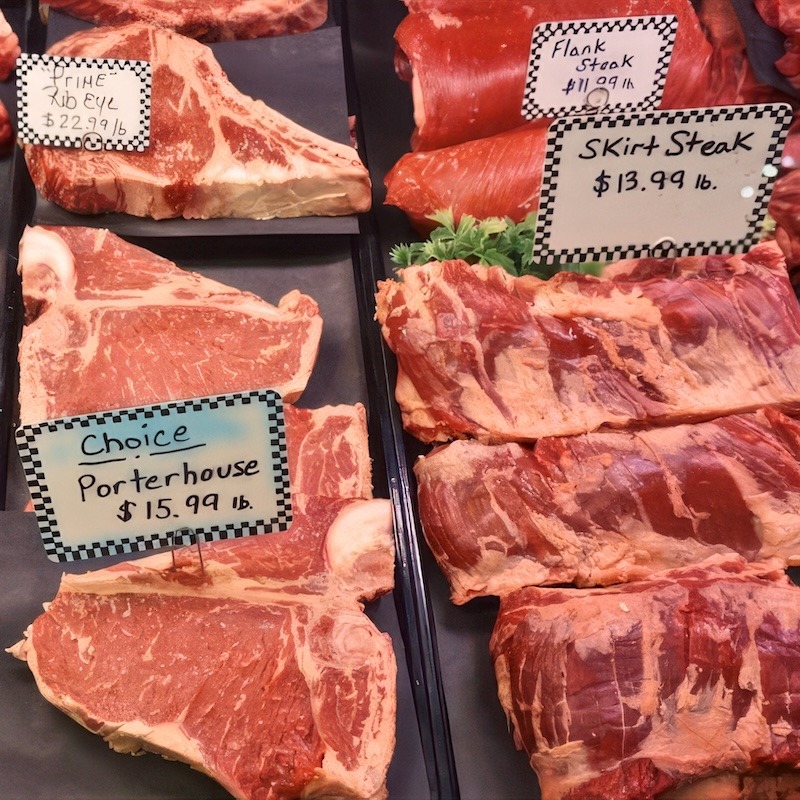
Buying steak can feel like navigating a minefield—too tough, too fatty, or just plain disappointing. Knowing what to look for ensures every cut is tender, juicy, and packed with flavor. This guide shares ten essential tips that turn grocery shopping into a masterclass, helping you select steaks that impress every time.
Steak Buying Cheat Sheet
- Best overall: Ribeye (rich flavor, generous marbling)
- Most tender: Filet Mignon / Tenderloin
- Best balance of flavor & value: New York Strip
- Best budget pick: Top Sirloin
- Best for grilling: Ribeye, Strip, T-Bone (1–1½ inches thick)
- Look for: Bright cherry-red color with fine white marbling
- Avoid: Pale meat, large hard fat chunks, excessive liquid in the package
Steak Buying Tips for Flavor, Tenderness, and Smart Shopping Deals
Buying a great steak shouldn’t feel like guessing at the meat counter. When you understand what to look for, you choose better cuts, spend your money wisely, and cook with confidence.
The right steak starts with marbling, thickness, and grade. Fine white streaks of fat signal flavor and juiciness. A steak cut at least one inch thick gives you control over doneness.
USDA grades like Prime and Choice help you balance quality and price. You also need to match the cut to your cooking method. Ribeye shines on a hot grill. Strip steak delivers bold beef flavor with a firmer bite. Filet mignon offers unmatched tenderness for special occasions.
In this guide, you’ll learn how to read labels, evaluate color and texture, and select the perfect steak for grilling, pan searing, or roasting. Walk up to the counter, informed, and walk away with a steak worth savoring.
If You Only Remember 3 Things
- Marbling equals flavor. Look for thin white streaks throughout the meat.
- Thickness matters. Choose steaks at least 1 inch thick for better control.
- Color tells a story. Bright cherry red is your friend. Brownish gray is not.
How to Avoid Overpaying for Steak
- Prime isn’t always necessary. Choice often delivers 90% of the experience for less.
- Know what you’re paying for. Ribeye carries more fat weight, while Strip gives you more edible meat per pound.
- Skip convenience cuts. Pre-cut, pre-trimmed steaks usually cost more than butcher-cut selections.
- Watch the thickness. Thicker steaks raise the price quickly and aren’t always needed for your recipe.
Pick the Right Steak for the Right Occasion
- Date night: Filet Mignon
- Backyard cookout: Ribeye
- Steak sandwiches: Flank or Skirt
- Feeding a crowd: Top Sirloin
- Reverse sear showstopper: Thick-cut Strip
Steak Labels Decoded
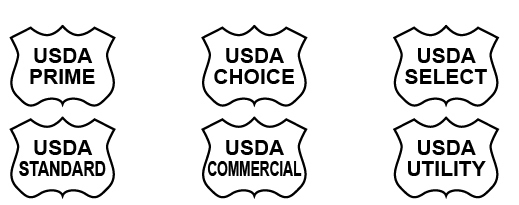
- Prime: Highest marbling, highest price
- Choice: Excellent balance of quality and value
- Select: Leaner, less forgiving
- Grass-fed: Leaner, more mineral flavor
- Dry-aged: Deeper flavor, higher cost
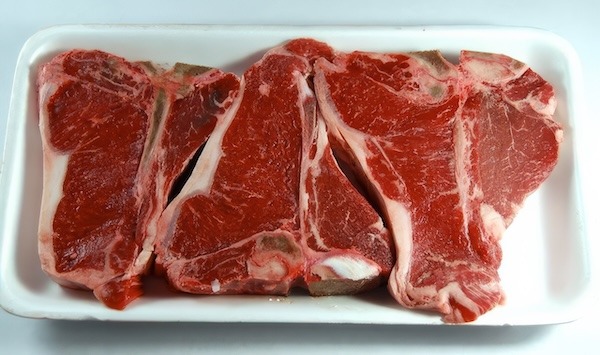
How to Check Steak Freshness
- Color: - Grass-fed beef is darker red than grain-finished. - Freshly cut meat shows a bright red “bloom” when exposed to oxygen. - Steaks may turn brownish-red by the end of the day; this doesn’t mean they’re bad. - Grain-fed fat should be white/creamy; grass-fed fat may be slightly yellow. Avoid brown spots.
- Smell: - Fresh meat has a mild, meaty scent. - Sour or ammonia odors indicate spoilage—do not buy. - If a steak smells off at home, return it to the store promptly.
- Touch: - Pre-packaged steaks are hard to touch at the store. - At home, sticky meat may be past its prime and should be returned. - Fresh steaks feel firm and slightly moist, not tacky or slimy.
Value Beef Cuts & How Used
| Beef Cut | Description | Best Use |
|---|---|---|
| Top Sirloin | Lean, flavorful cut with moderate tenderness, more affordable than premium steaks. | Grill, pan-sear, or roast; great for weeknight dinners, salads, or sandwiches. |
| Chuck Roast | Well-marbled cut from the shoulder; rich flavor but tougher than steak cuts. | Slow cook, braise, or pot roast for tender, flavorful meals. |
| Flank Steak | Long, flat, lean cut with strong beefy flavor; can be tough if overcooked. | Marinate and grill or broil; slice thinly against the grain for fajitas or stir-fries. |
| Skirt Steak | Thin, flavorful cut from the diaphragm; slightly tougher, very beefy taste. | Marinate, grill or sear quickly; ideal for tacos, stir-fries, or sandwiches. |
| Round (Top/Bottom) | Lean, moderately tough cut from the rear leg; economical and versatile. | Braising, slow roasting, or thinly slicing for stir-fry or deli-style roast beef. |
| Chuck Steak | Similar to chuck roast but cut into steaks; flavorful and budget-friendly. | Grill with caution or braise; good for slow-cooked dishes and stews. |
| Blade Steak / Flat Iron | Cut from the shoulder; flavorful and relatively tender if cooked right. | Grill, pan-sear, or braise; works well sliced in sandwiches or stir-fries. |
| Denver Steak | Well-marbled cut from the chuck; tender and rich in flavor. | Grill or pan-sear; great for steak salads or fajitas. |
| Shank | Very lean and tough, from the leg; high in connective tissue. | Slow-cooked soups, braises, or osso buco style dishes. |
| Oxtail | Rich, gelatinous cut with incredible beefy flavor; mostly bones and connective tissue. | Braise or slow cook in soups, stews, or traditional dishes like oxtail ragu. |
| Tri-Tip | Triangular cut from the bottom sirloin; lean, flavorful, and affordable. | Grill or roast; slice thin against the grain for sandwiches or tacos. |
| Eye of Round | Very lean, moderately tough cut from the round; inexpensive and versatile. | Braising, slow roasting, or thinly slicing for deli-style roast beef. |
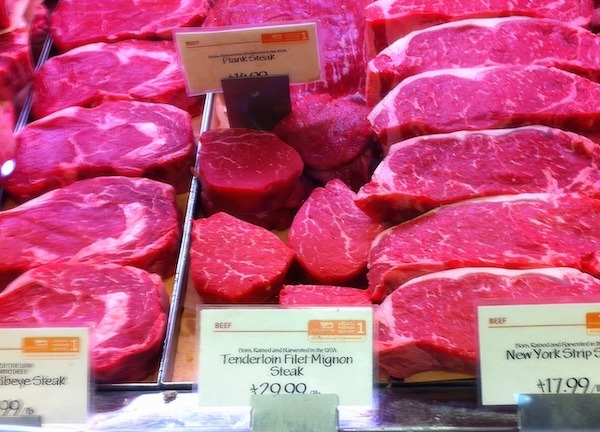
When possible, buy your steaks from the butcher’s counter instead of the pre-packaged section.
Supermarkets usually offer two options: a meat case with unpackaged cuts and a refrigerated section with pre-packaged steaks. The case typically carries premium grades and store-brand private labels.
Buying from the case lets you work directly with a butcher or sales associate. They can guide you on cuts, grades, and the best cooking methods. Ask them to show both sides of a steak, let you smell it, check moisture, and examine the grain—something you can’t do with pre-packaged meat.
Pre-packaged steaks may look appealing, but you won’t see the back side until you get home—often too late to correct any issues. Premium steaks are expensive, so don’t hesitate to ask the butcher to inspect your selection.
Choose Choice over Select when possible. Select has minimal marbling, making it tougher and less flavorful. Spending a few extra dollars on Choice ensures tender, tasty meat worth cooking.
When buying pre-packaged steaks, take a careful look at the package.
When buying pre-packaged steaks, inspect the package carefully. Most supermarkets wrap steaks in plastic on Styrofoam trays. This is fine as long as you pay attention.
Avoid packages with excess liquid—it may indicate the meat was frozen and thawed or has been sitting too long. Check the tray and wrap: cracked foam or torn plastic means choose another package. Alert the store so they can repackage it.
Always read the label for the sell-by date. Some stores use confusing terms like “pack date,” “suggested use,” or “freeze-by date.” Ask the butcher or manager if you’re unsure.
Never buy steaks past the sell-by date. If a steak looks older than fresh cuts but shows the same date, it may have been repackaged and re-dated. Report this to the store immediately.
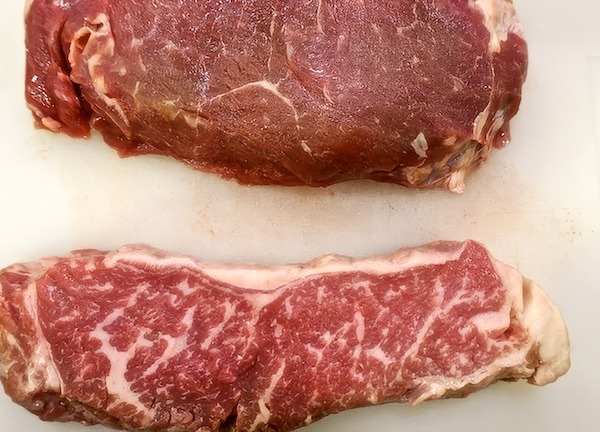
Marbling Matters
Marbling drives flavor and tenderness in all great steaks, whether grass-fed or grain-finished. USDA Choice and Prime differ largely in marbling: more intramuscular fat equals juicier, more flavorful meat.
Experts agree. Jimmy Kerstein calls it “small flecks of fat evenly spread across fine-textured lean.” Bruce Aidells says consumers should “look for marbling, which determines juiciness and tenderness.” Even top grass-fed steaks can shine if the fat disperses well.
How the marbling develops matters. Fat from heavy grain feeding or long pasture grazing tastes and behaves differently. Consumers rarely know the beef’s origin, diet, or treatment, and butchers may not have the full answer.
High-end, perfectly marbled steaks exist, but cost and availability can be limiting. Most shoppers choose accessible, affordable options like Costco Prime, which still deliver good flavor.
Experiment with different cuts, grades, and sources to discover what tastes best for you.
Don’t Judge a Steak By the Name of the Beef
Beef labels can be confusing. Names like “Natural Beef” or “Naturally Raised Beef” sound similar, but mean very different things. Big companies sometimes add marketing names like “Butcher’s Prime” or “Top Choice Select”—these often reveal little about quality unless you ask the butcher.
All U.S. beef is inspected by USDA, but not all is graded. Ungraded beef, called “No Roll,” makes up about 40% of processed beef. It’s cheaper but usually less tender and flavorful. When possible, stick with USDA-graded meat: Prime, Choice, or Select. Labels may also include brand names—read carefully.
Organic, grass-fed, and naturally raised beef add another layer. USDA Certified Organic beef follows strict rules: organic feed, no hormones or antibiotics. Certified Organic Grass-Fed ensures cows graze on pasture. “Natural” beef only limits artificial additives; it says nothing about feed or growth practices. “Naturally Raised” beef comes from animals raised without hormones or antibiotics.
These certifications cost more, so read labels, ask questions, and buy what matches your standards and budget.
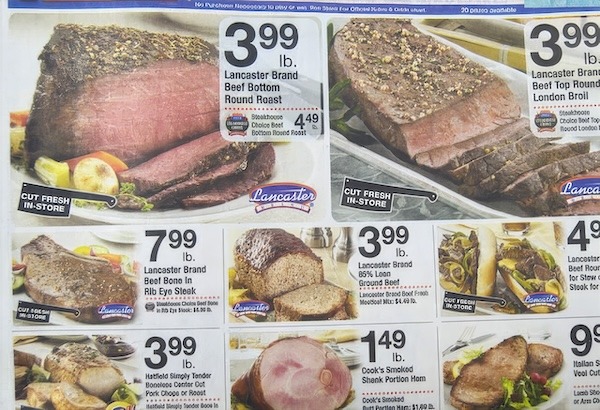
Supermarket Steak Specials – Read the Large Print Ads
Most of us get supermarket flyers weekly, and while it’s easy to toss them, checking the steak specials can pay off. Prices fluctuate with supply, demand, and the season. Premium cuts like ribeye and strip steak rise in summer when grilling is popular. Spot a springtime deal? Buy, vacuum-seal, and freeze for later grilling.
Jimmy Kerstein, author of The Butcher’s Guide, explains that weekly ad specials reflect what meat packers can sell cheaply. Oversupplied cuts, like sirloin, may appear at low prices to draw shoppers in—a “loss leader.” Savvy buyers who focus on these deals are called “cherry pickers.” Learn to spot quality cuts and become one yourself.
Kerstein also suggests shopping late on the last day of a sale. Even if advertised items are gone, stores often issue a “rain check,” giving you extra time to grab discounted steaks—no freezing required.
Steak Buying Frequently Asked Questions
What’s the best cut of steak for flavor?
Ribeye leads in flavor due to generous marbling. Strip steak also offers bold beef taste, while filet mignon excels in tenderness over flavor.
How can I tell if a steak is fresh?
Look for bright cherry-red color, firm texture, and minimal liquid in the package. Avoid steaks that are grayish or have an off smell.
What does marbling mean, and why does it matter?
Marbling refers to thin white streaks of fat within the meat. More marbling equals juicier, more flavorful steaks.
Which USDA grade should I buy?
Prime steaks have the highest marbling and price. Choice provides excellent quality at a lower cost. Select is leaner and less forgiving.
How thick should a steak be?
For grilling or pan-searing, aim for 1–1½ inches. Thicker cuts give better control over doneness.
Does grass-fed or dry-aged meat taste different?
Grass-fed steaks are leaner with more mineral flavor. Dry-aged steaks develop a deeper, nutty, beefy flavor but cost more.
Should I buy pre-cut steaks or ask the butcher to cut them?
Butcher-cut steaks often give better value. Pre-cut convenience steaks are easier but usually cost more per pound.
How do I match steak cuts to cooking methods?
- Grill: Ribeye, Strip, T-Bone
- Pan-sear: Filet, Strip
- Slow roast or braise: Chuck, Round
- Sandwiches or stir-fry: Flank, Skirt
How do I avoid overpaying?
Don’t feel pressure to buy Prime unless necessary. Check thickness, avoid pre-cut convenience steaks, and balance flavor versus fat content for value.
What’s the most important thing to remember when buying steak?
Focus on marbling, thickness, and color. These three factors determine flavor, tenderness, and cooking success.

32 Responses
Lot of great information here. Thank you for the steak buying tips.
You are very welcome Jake.
Thanks for the great advice. I was not aware that steak was graded in that manner.
Interesting and useful advice. Now, I would appreciate your suggestion about COOK those beautiful **RIBEYES**
Working on a list of cooking suggestions for Rib Eyes and all these other steaks. Please check back Sergio.
I have been a Butcher for ten years, and whoever wrote this blog is right! Us Butchers are more than happy to make a customer happy. You wouldn’t believe the stuff that happens behind the counter. But I must say, if you are nice to your local Butcher, they will be nice to you…..Keep That In Mind The Next Time You Think About Being Rude to Your Local Butcher;-)
this was very informative and answered my question was which are the best day to buy within my price range. I will certainly side when I can and maybe once or twice a year I can get prime.
The advice you gave me was excellent. It made for the best steak ever!
It was the best steak I ever bought
SAM THE BUTCHA’s: remarks ( at the start of the reply column) about being nice to your local butcher irritates me no end. Do we have to kiss everybody’s butt just to get decent service nowadays? I just want my butcher to give me DECENT MEAT because I pay handsomely for it, and he needs to remember without customers; he doesn’t eat. I don’t want to be his best friend !!! My going there should be sufficient reason for him to appreciate my custom! Sam, have the fortitude to mention the location of your shop so that I can avoid it like the plague. I don’t like your threat of what you might do to my meat should I not treat you like royalty. Coz Egberts Australia !
Coz, couldn’t disagree with you more. I find getting to know the people who provide me with ingredients I cook every week makes a difference and how hard is it to be nice and treat your merchants with a little respect?
Thanks for the advice in this article, nice. I live in Ireland and watch many food shows from here and in the US. I have become interested recently in making great burgers. I have seen Americans mentioning chuck steak as a great cut for burgers. I am a little confused about asking a butcher here about this cut, as your article and others say that the chuck is tough and good for slow cooking. Is there a part of the chuck that’s good for burgers or is it a different part of the cow? Any advice on this would be great. Thanks.
Great question Patrick. If you go to your local butcher, if they are not buying chop meat in bulk for burgers, they are probably using scraps and trimmings for their burger meat. I have no idea what parts of the cow are used in fast food burgers and frankly, I really don’t want to know. Chuck steak is a great cut for making burgers and yes it is a tougher cut than filet but the meat is ground up, the ultimate tenderizer. More important is the fat ratio in the beef and that is a personal preference. Some people who are watching their weight like their burgers made with lean, low-fat beef but to me, they have no flavor. I read their are some restaurants using 60%/40% mixtures with 40% fat. Now that’s going to be a juicy burger! The question I have and will have to research or would appreciate someone responding to, how can you determine the percentage of fat in a cut of beef? If I buy a chuck steak and grind it up myself, how do I know the fat percentage?
“I can buy Prime New York strip steaks at Costco for less than $14 a pound. Are they good, yes but how would they compare to these other steaks?” You say they are good, but your question implies they are not as good as other stores prime. well, what is it?
Joe, I don’t think I was implying anything but asking how would the steaks I purchase at Costco compare to the steaks Mark Schatzker wrote about in his book on steak. My experience with Prime cuts of steak is limited because of both cost and availability so I urge readers to try for themselves with what they can get their hands on. Also, everyone’s personal tastes are going to be different than mine. It doesn’t matter what I like, but what tastes best to the person eating the steak.
Check out the bbq sauce on the shelf behind them. That stuff is the bomb or pork.
I’m guessing bdad you are referring to Tip #2 with two of my favorite butchers. What brand is that?
You stated there were several classes of choice. What are the classes and how would one identify each. Great article and a lot of very good information. Will be my weekly reading this week, so I can be better educated.
Not sure of the various classes of choice but will see what I can find out. If there are any butchers or meat specialists who know the answer to this, please let us know.
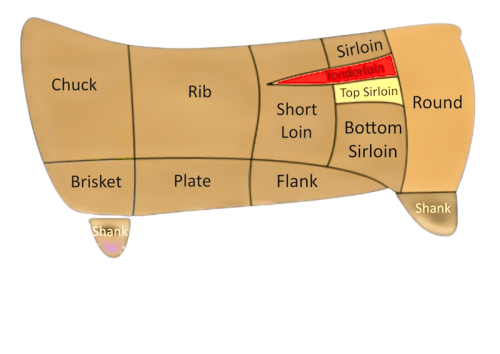
I really liked the diagram of what meat came from where. I’ve never really known what parts come from where. I knew where the rib was though because it’s easier to know where the bones are. It’s also my favorite part. I shouldn’t have looked at this before lunch! Thanks for the info!
WOW,it’s amazing to know.I seriously don’t know how to buy the best steak.thanks,Buddy!!hope it will be my next new experience. 🙂
We love rib-eye, and when we lived in The Netherlands, i bought it many times.
We moved to Thailand where i bought 3 times rib-eye, but no more.
Just a bit brown on the outside and red on the inside.
When i did that here in Thailand, you could hammer it under your shoes and walk 10 years on it.
I think they gave me the short rib right??
But, in my opinion, they looked the same as the tender and juicy ones in The Netherlands.
UUUHHH, do i have to buy new glasses???
louise
I’m not sure about them looking the same, I guess it depends on packaging but wow, they are from completely different parts of the cow and are cooked completely different. It might be interesting if you cooked what they are calling rib-eye like you would short ribs and see how they turn out. Not that you want to pay rib-eye prices for short ribs.
My brother recently started working at a butcher shop and it has got me fascinated with finding the best meats I can. You mentioned that it doesn’t really matter if you get your steaks at the supermarket or a butcher shop, as long as you have a good relationship with the butcher. I will definitely use my newfound knowledge to see what each place has to offer!
Personally, I think you are going to find a wider variety of meats at a local butcher and in some cases you may find better quality but that really depends on where you are geographically. I find some fine meats at my local Costco but have no relationship with any of the meat cutters which makes it difficult when I have questions. I know the meat buyer at our local Farmer’s Market and can ask him just about anything pertaining to meat cuts and how to cook them. I can also ask where the meat came from, it’s grade and what he or she recommends. I find that invaluable when shopping for meats to cook and serve my family.
Not many people realize that there are different steaks that are more fit for different meals, so it is great to see your article acknowledge that. After all, if you’re planning to have some steak and eggs for breakfast then that is going to be a very different kind of meat than what you’d want to eat for dinner. If you’re not sure about what steak to get for what meal then it might be helpful to get some advice from the butcher until you can figure it out on your own.
I never took into account that good meat isn’t just about what it looks like. My grandpa is looking to hire a home delivery meats service since going to the store isn’t as convenient as it used to be for him. I think I’ll talk to him about not buying meat just by looks.
I am planning to buy some steak from a local meat shop for the football tailgating party I am throwing in a few weeks and I want to make sure that I choose quality meat. You make a great point that freshly cut meat will have a bright red color and this is a great way for me to see if the meat is fresh when I buy it. Also, I did not realize that smell matters and I will ensure that the meat does not have an ammonia or sour smell when I purchase it. Also, I think that asking the local butcher for recommendations at the store will give me peace of mind that I am choosing the best meat.
Great article like this require readers to think as they read. I took my time when going through the points made in this article. I agree with much this information.
Thanks for sharing yummy & healthy ideas for buying steak. This is one of the best articles I have crossed.
Thank you for explaining how it’s good ask your butcher for advice for different cuts of meat. My husband and I are thinking about going to the butcher to get some steak for a dinner date night. I’ll be sure to share this with him so we can talk to the butcher and start building a good relationship with them.
Hi Olivia, that’s great. Thanks for letting me know.