Fast Answer
Sesame seeds are mild and slightly bitter raw, but toasting them for a few minutes in a dry pan unlocks a deep, nutty flavor that raw seeds simply don't have. It's the single most useful thing to know about cooking with them.
The Quiet Bagel Switch That Started My Sesame Habit
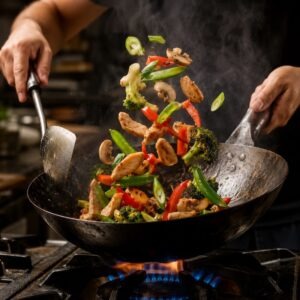
That quiet switch from everything bagels to sesame is about as far as my sesame seed opinions went for years — until I actually started cooking with them, mostly in stir-fries, where the seeds and the oil both show up doing real work.
Toasted or raw, black or white, sesame seeds aren’t complicated, but almost nobody toasts them on purpose, which means most people are only getting half the flavor. Here’s what toasting actually changes, and how to use them well.
Start Here
- What they are: Small, oil-rich seeds from the sesame plant, sold raw or toasted, hulled or unhulled, white or black.
- What they do: Raw, they're mild and a little bitter. Toasted, they turn deeply nutty — the difference is dramatic, not subtle.
- When to reach for them: Finishing a stir-fry, topping a salad or noodle dish, baking into bread, or building a sauce like tahini.
- When to skip them: If you or someone you're cooking for has a sesame allergy — see the FAQ, this matters more than most people realize.
Flavor and Function
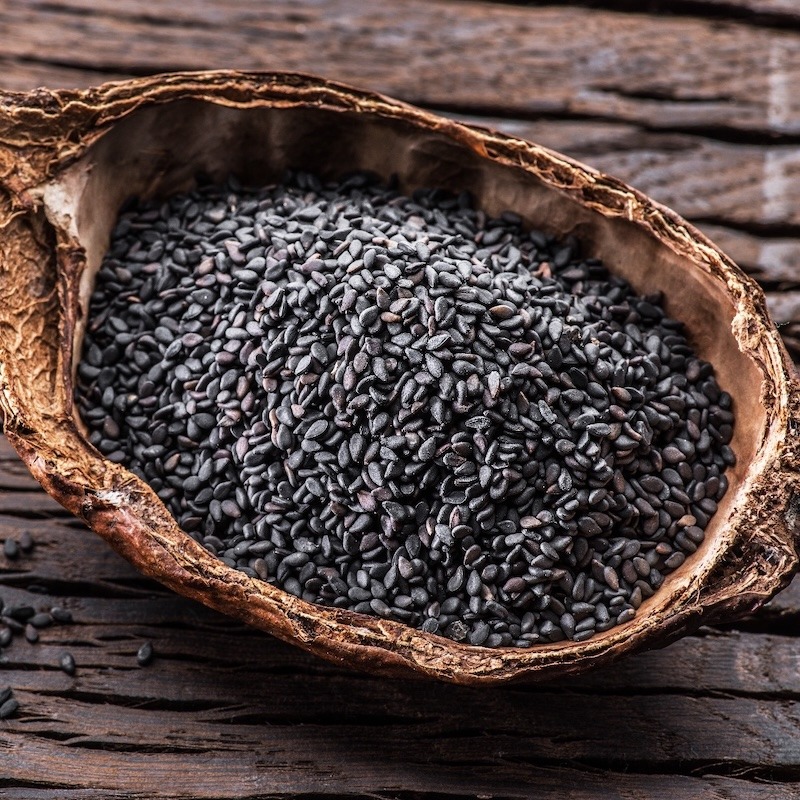
- Flavor profile: Raw sesame seeds are mild, faintly bitter, almost forgettable. Toasted, they become deeply nutty and aromatic — the same seed, a completely different ingredient. Black sesame seeds carry a slightly stronger flavor than white ones even before toasting.
- Role in cooking: Mostly a finishing touch and texture element — added at the end for crunch and aroma rather than cooked into a dish from the start, since heat beyond toasting dulls their impact fast.
Think Like a Cook
- A jar of raw sesame seeds is a completely different ingredient from a jar of toasted ones, even though they look almost identical. If a recipe just says "sesame seeds" and the dish tastes flat, the answer is almost never more seeds — it's toasting the ones you have.
How to Choose It
- Buy small amounts if you can. Sesame seeds are oil-rich and go rancid faster than most people expect.
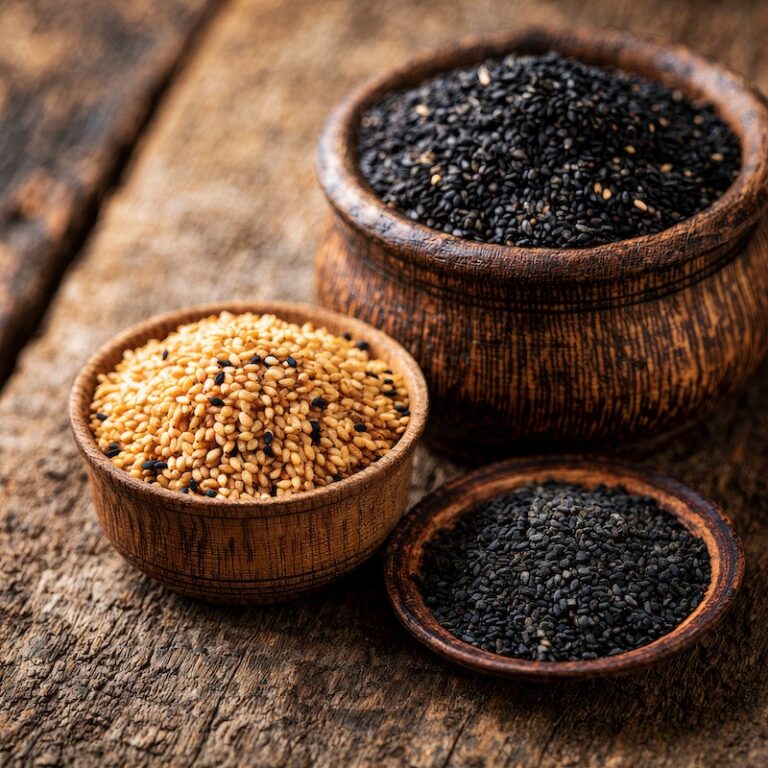
- Check the color you need: white for most everyday cooking and baking, black for a stronger flavor and visual contrast in Asian dishes.
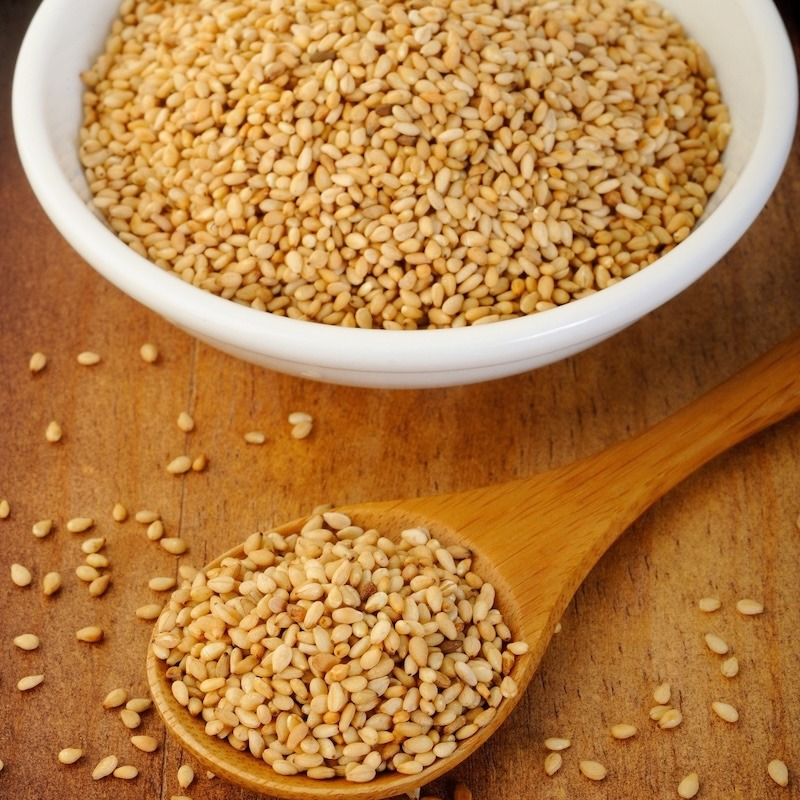
- Hulled vs. unhulled: Hulled (the common white kind) is milder; unhulled retains more fiber and a slightly earthier flavor, worth seeking out for tahini.
- Smell before buying in bulk. Rancid sesame seeds smell faintly like old paint, not neutral.
Types and Variations
- White (hulled) sesame seeds — the everyday kind, mild, used in baking and most general cooking.
- Black sesame seeds — stronger flavor, common in Chinese and Japanese cooking, used as garnish or ground into sauces and desserts.
- Tahini — ground sesame seed paste, a different form entirely, central to hummus and baba ganoush.
- Sesame oil, toasted vs. untoasted — covered in full below.
What Most Cooks Get Wrong
- Never toasting raw sesame seeds before using them, then wondering why a dish tastes flat — toasting is the single biggest lever on flavor, and it's almost always skipped.
- Walking away from the pan while toasting — sesame seeds go from perfectly golden to burnt in under a minute once they start browning.
- Confusing toasted sesame oil with regular sesame oil. Toasted is a potent finishing oil, not a neutral cooking oil — using it to sauté wastes its flavor and can taste bitter at high heat.
- Buying a large container and letting it sit for months. The oil in the seeds goes rancid faster than most pantry spices.
What Went Wrong (and Why)
- Sesame seeds burned in the pan → left unattended over medium-high heat → toast over medium-low heat, stirring constantly, and pull them the moment they smell nutty and turn light golden.
- Dish tastes flat despite using sesame seeds → seeds were used raw → toast them first, even if the recipe doesn't say to.
- Stir-fry tastes bitter or burnt → toasted sesame oil was used to sauté over high heat → use a neutral oil for cooking, and add toasted sesame oil at the end, off heat.
- Sesame seeds tasted stale or "off" → old seeds that had gone rancid → buy smaller quantities, store properly, and smell before using.
- Seeds scattered everywhere opening a jar or bag → normal — hulled sesame seeds are light and loose; store in a tightly sealed container to keep this contained.
Substitutions That Work
- Toasted sunflower seeds (1:1): Different flavor, similar crunch and finishing role — a good nut-free option.
- Poppy seeds (1:1, for texture, not flavor): Won't replicate the nutty flavor, but works for visual and textural garnish on baked goods.
- Tahini (for sesame paste uses): Use in place of ground sesame seeds in sauces and dressings, adjusting liquid since tahini is already a paste.
- Toasted sesame oil, a few drops: Won't give texture, but delivers the same flavor note in a sauce or dressing.
How to Use It
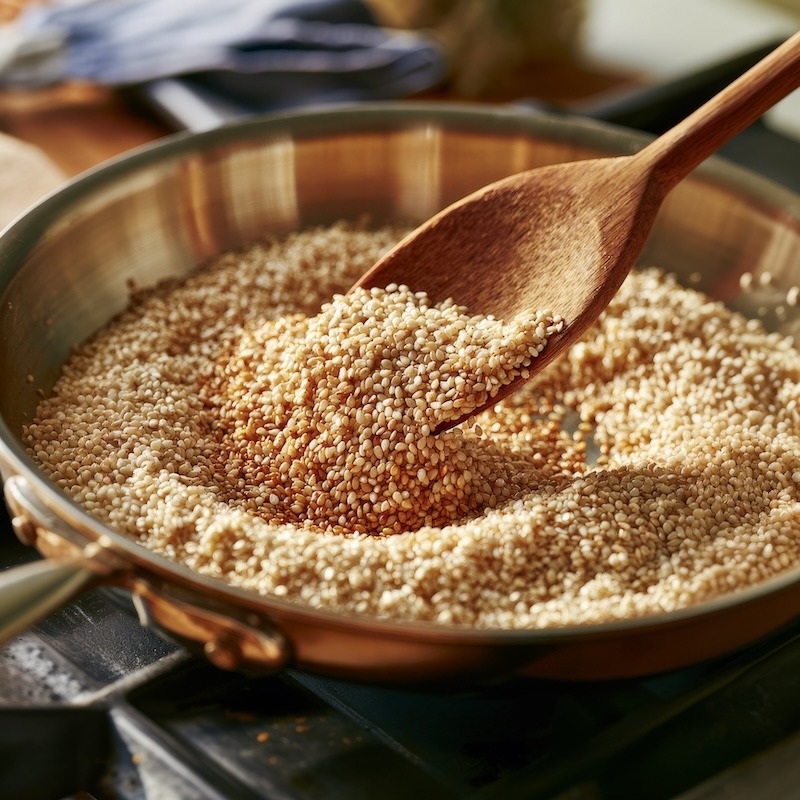
- Timing: Toast raw seeds in a dry skillet over medium-low heat, stirring or shaking constantly, 2 to 4 minutes, until light golden and fragrant. Add toasted seeds to a dish at the very end, off heat.
- Quantity: A tablespoon or two is usually plenty to finish a stir-fry, salad, or noodle dish for 4 servings — they're potent, not a bulk ingredient.
- Best moves: Toast more than you need and store the extra in the fridge for a week or two, so it's ready whenever a dish needs a finishing touch.
Flavor Pairing Ideas
- Acids: Rice vinegar, lime juice
- Fats: Sesame oil, olive oil
- Proteins: Chicken, tofu, salmon, beef
- Vegetables: Snow peas, bok choy, cucumber, spinach
- Other: Soy sauce, ginger, garlic, scallions, honey
Storage and Shelf Life
- Raw seeds: Airtight container, cool dark pantry, use within a few months. Refrigerate or freeze for longer storage since the oil content makes them prone to rancidity.
- Toasted seeds: Same storage, but use sooner — within a couple of weeks at room temperature, longer in the fridge.
- Sesame oil (both types): Store in a cool, dark place. Toasted sesame oil goes stale especially fast once opened, so buy smaller bottles unless you use it often.
- Signs it's gone bad: A sharp, slightly paint-like or bitter smell instead of a neutral or nutty one.
Worth the Upgrade?
- Worth it: Unhulled sesame seeds or good-quality tahini for a dish where sesame is the star — hummus, a sesame-forward dressing. The flavor difference over generic supermarket versions is real.
- Not worth it: Seeking out a specialty brand of white sesame seeds for garnishing a stir-fry. A standard jar, properly toasted, does the job.
Asian Style Snow Peas
Ingredients
- 1 lb snow peas trimmed
- 1 tablespoon sesame seed oil
- 1 tablespoon soy sauce
- 1 clove garlic minced
- 1 teaspoon ginger grated
- 1 teaspoon sugar
- salt and pepper to taste
- 2 teaspoons sesame seeds toasted
Instructions
- Heat a large skillet or wok over medium-high heat. Add the sesame oil and allow it to heat up.
- Add the snow peas to the skillet and stir fry for 1-2 minutes, until they are bright green and tender.
- In a small bowl, whisk together the soy sauce, minced garlic, grated ginger, and sugar. Pour the mixture over the snow peas and continue to stir fry for an additional 1-2 minutes.
- Season the snow peas with toasted sesame seeds and salt and pepper, to taste.
- Serve the snow peas hot, as a side dish or over rice for a light and flavorful meal. Enjoy!
Frequently Asked Questions About Sesame Seeds
What does toasting actually do to sesame seeds? It unlocks a deep, nutty flavor that raw seeds don’t have. Raw sesame seeds are mild and a little bitter, while toasted ones taste completely different — closer to what most people expect sesame to taste like.
How do I toast sesame seeds? Add them to a dry skillet over medium-low heat and stir or shake constantly for 2 to 4 minutes, until light golden and fragrant. They burn fast once they start browning, so don’t walk away.
What’s the difference between black and white sesame seeds? White (hulled) sesame seeds are milder and more common in everyday cooking and baking. Black sesame seeds have a stronger, more assertive flavor and are traditional in Chinese and Japanese cooking.
Who should not eat sesame seeds? Anyone with a sesame allergy, which affects an estimated 1.5 million people in the US. Sesame became the FDA’s 9th major recognized food allergen in 2023, and packaged foods are now required to label it clearly.
What’s the difference between toasted and regular sesame oil? Toasted sesame oil is made from toasted seeds and has a strong, nutty flavor — it’s a finishing oil, used in small amounts off heat. Untoasted sesame oil is milder and better suited to actual cooking.
Can I substitute sesame seeds if I don’t have any? Toasted sunflower seeds are the closest swap for crunch, though the flavor is different. A few drops of toasted sesame oil can cover the flavor note in a sauce or dressing without the texture.
How long do sesame seeds last? A few months in an airtight container at room temperature, or considerably longer in the fridge or freezer. Their high oil content means they go rancid faster than most dry spices, so smell before using older seeds.
What is tahini, and how is it different from sesame seeds? Tahini is a paste made from ground sesame seeds — a completely different form, used as a base for sauces and dips like hummus, rather than as a garnish or topping.

- See sesame seeds and sesame oil both doing real work in Stir-Fry Lessons for Home Cooks.
- Soy sauce shows up in nearly every dish sesame does — worth knowing the difference in Tamari vs Soy Sauce.
- Garlic is sesame's most frequent partner in a stir-fry — the full guide is here: Garlic.
- Another ingredient defined by a single transformative step: What Are Truffles?.
- Rice vinegar is one of sesame's best acid pairings — see the full range in A Complete Vinegar Guide.