
Fast Answer
Canned tomatoes are picked and processed at peak ripeness, which means they often outperform fresh tomatoes in cooked dishes year-round. Whole tomatoes give you the most control; crushed work for smooth sauces; diced hold their shape; paste adds concentrated depth. They are not interchangeable.
Canned Tomatoes Guide: Types, Brands, and Best Uses
The difference between a good tomato sauce and a flat one is often not the recipe — it’s which one you can grab. Whole tomatoes break down into something silky with time.
Diced tomatoes stay firm and chunky, no matter how long you cook them, because of the calcium chloride used in processing. Crushed tomatoes split the difference. Paste is a flavor bomb used in small amounts.
This guide covers every form you’ll find at a normal grocery store, when each one is the right call, which brands are actually worth buying, and what most cooks get wrong about it all.
Start Here: What Canned Tomatoes Actually Are
- They're harvested at peak ripeness. Unlike fresh supermarket tomatoes — often picked underripe for travel — canned tomatoes are processed immediately after harvest at full ripeness. For cooked dishes, this matters more than "fresh" on the label.
- The forms are not interchangeable. Each type is processed differently and behaves differently in a dish. Choosing the wrong one affects texture, acidity, and how long the dish needs to cook.
- Plain is almost always better than seasoned. Pre-seasoned canned tomatoes lock in someone else's flavor decisions. Start with plain and season yourself — you get more control and better results.
- When to reach for them: Any cooked tomato application — sauces, soups, stews, braises, curries, shakshuka, chili. For raw applications like fresh salsa or Caprese, use fresh tomatoes in season.
Flavor & Function: What's Actually Going On
- Flavor profile: Cooked, slightly sweet, acidic, and umami-rich. The canning process concentrates flavor and softens the bright, raw edge of fresh tomatoes. Fire-roasted versions add a smoky layer. San Marzano varieties are notably sweeter and less acidic than standard domestic canned tomatoes.
- How flavor changes with heat: Long, slow cooking mellows acidity and deepens sweetness. A quick sauce (20 minutes) tastes brighter and more acidic. A long braise (2+ hours) tastes richer and more complex. Both are valid — they're just different dishes.
- Role in cooking — acidity: Tomatoes add acid that balances fat, cuts richness, and brightens heavy dishes. This is why a tomato-based braise tastes more alive than one without it.
- Role in cooking — body: Crushed and pureed tomatoes thicken sauces and soups without added starch. The longer they cook, the more liquid evaporates and the denser the sauce becomes.
- Role in cooking — umami: Tomatoes are high in glutamates — the same compounds that make Parmesan and anchovies so savory. This is why tomato paste added early in a braise makes the whole dish taste deeper, not just more tomato-forward.
- The calcium chloride issue with diced tomatoes: Most brands add calcium chloride to diced tomatoes to help them hold their shape. It works — but it also means diced tomatoes will never fully break down, even with extended cooking. If you want a smooth sauce, diced tomatoes are the wrong starting point.
Think Like a Cook: Start With the Texture You Want at the End
- The most useful question to ask before opening a can: what texture do I want when this dish is done?
- Chunky and rustic → whole tomatoes, broken up by hand as they cook. You control how much they break down.
- Smooth and silky → crushed tomatoes or pureed, cooked down with time. No blender needed.
- Firm, distinct pieces that hold through long cooking → diced tomatoes, because the calcium chloride won't let them disappear.
- Deep background flavor without visible tomato → paste, added early and cooked until it darkens slightly before liquid goes in.
- Most sauce problems — too thin, too chunky, wrong texture — trace back to choosing the wrong form at the start, not to cooking technique. Get the form right first.
How to Choose Canned Tomatoes at the Store
- Read the ingredient list. The best canned tomatoes have two or three ingredients: tomatoes, tomato juice or puree, and sometimes salt. The shorter the list, the better the product.
- Avoid added calcium chloride in anything you want to break down. It's listed on the label. Fine for diced when you want texture. A problem in whole or crushed tomatoes meant for a smooth sauce.
- Packed in juice vs. packed in puree: Juice-packed whole tomatoes are more versatile — the liquid is thinner and you control the final consistency. Puree-packed tomatoes are thicker from the start and reduce faster.
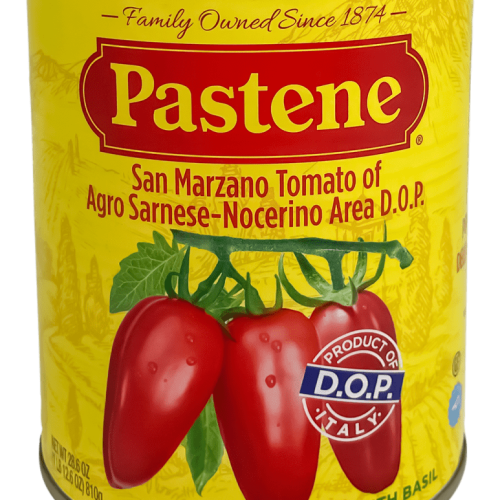
- DOP on San Marzano means something. "San Marzano style" is meaningless marketing. DOP (Denominazione di Origine Protetta) means the tomatoes were actually grown in the San Marzano region under controlled conditions. The price difference is real and so is the flavor difference.
- Domestic vs. imported: Several domestic brands (Bianco DiNapoli, Muir Glen) are genuinely excellent and in some cases rival or beat imported options in blind tastings. Don't assume Italian means better.
The 8 Types of Canned Tomatoes and When to Use Each
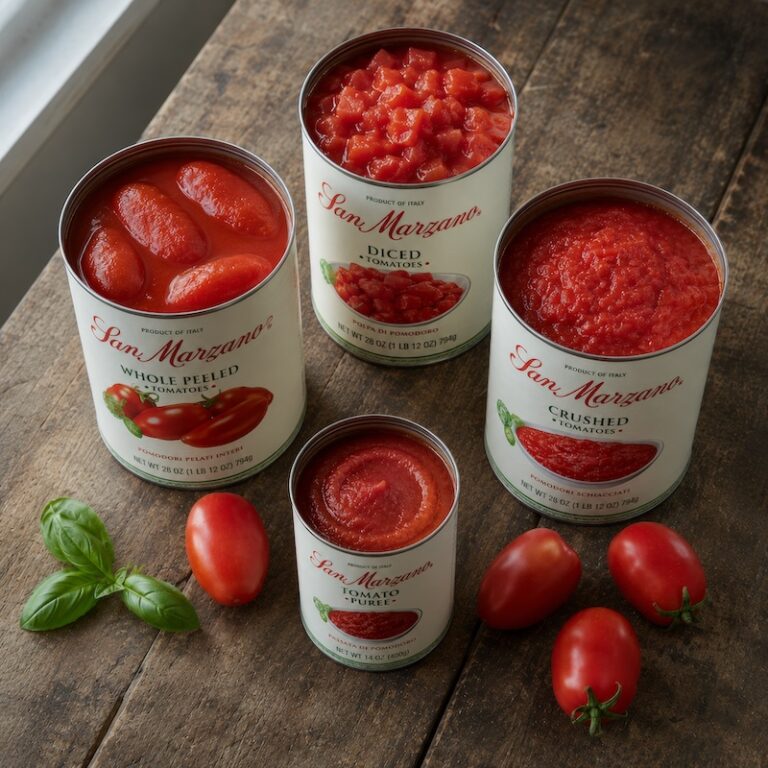
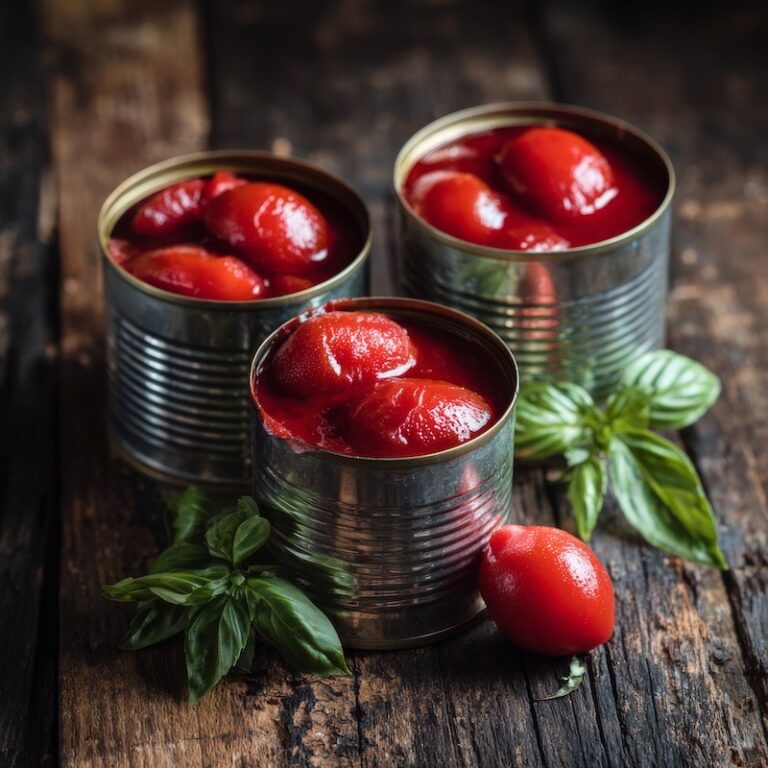
- Whole peeled tomatoes: The most versatile form. Use when you want control over final texture — crush by hand for rustic sauces, blend for smooth ones. Best for long-cooked pasta sauces and braises.
- Diced tomatoes: Hold their shape due to calcium chloride processing. Right for chili, shakshuka, soups where you want visible tomato pieces. Wrong for smooth sauces — they won't break down.
- Petite diced tomatoes: Same as diced but smaller cut. Good for salsas, quick sauces, or dishes where you want tomato distributed evenly without large chunks.
- Crushed tomatoes: Roughly broken down, chunky but not whole. A middle ground — more texture than puree, less than diced. Good starting point for weeknight pasta sauces when you don't have time to break down whole tomatoes.
- Tomato puree: Smooth, cooked-down tomatoes with no seeds or skins. Thicker than crushed, thinner than paste. Good for pizza sauce and soups where you want body without visible pieces.
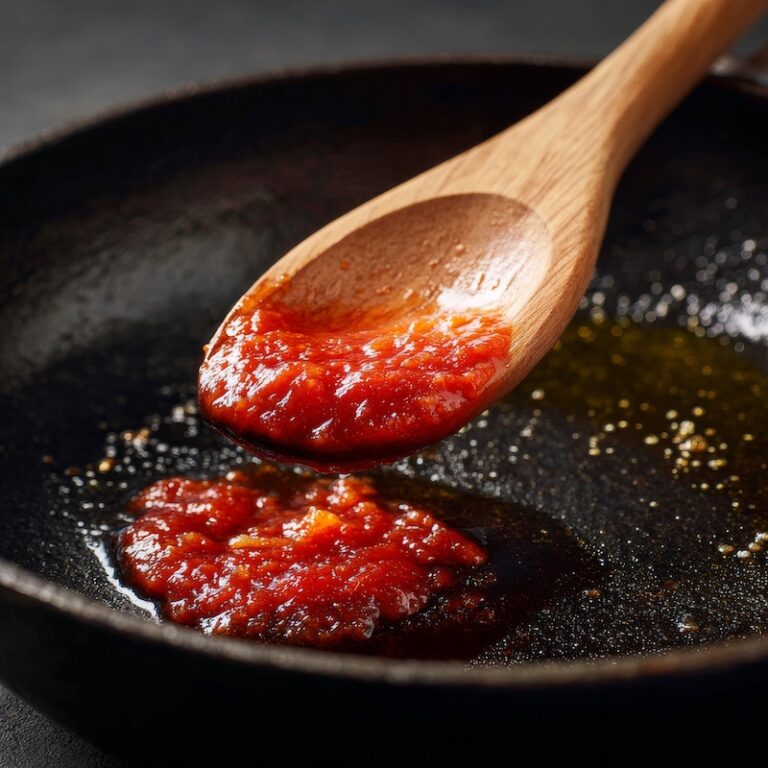
- Tomato Paste: Highly concentrated — tomatoes cooked down to a thick, intense paste. Used in small amounts to add depth and umami. Cook it in oil for a minute or two before adding liquid to bloom its flavor and lose the raw, metallic edge.
- Fire-roasted tomatoes: Charred over flame before canning, adding a smoky, slightly sweet edge. Good for chili, enchilada sauce, and anything where a subtle smokiness fits. Not a universal substitute for regular diced.
- San Marzano Tomatoes (DOP): A specific variety of plum tomato, sweeter and less acidic than standard canned tomatoes, with fewer seeds and a denser flesh. Worth the premium for simple sauces where tomato is the main event. Less critical in heavily spiced or long-cooked dishes where the difference gets buried.
What Most Cooks Get Wrong About Canned Tomatoes
- Using diced tomatoes when they want a smooth sauce. Calcium chloride keeps diced tomatoes firm regardless of cooking time. If your sauce has chunks you can't cook out, this is why. Start with whole or crushed instead.
- Adding tomato paste at the end. Paste added late tastes raw and slightly metallic. Add it early — cook it in a little oil for 1–2 minutes until it darkens and smells sweet before adding any liquid. This step makes a significant difference in depth of flavor.
- Not tasting for acidity. Different brands and types vary considerably in acidity. Always taste before seasoning. If the sauce is too sharp, a small pinch of sugar or a longer cook time will round it out — not more salt.
- Buying "San Marzano style" instead of DOP. "San Marzano style" means a domestic tomato grown to loosely resemble San Marzanos. It's not meaningless, but it's not the same thing. If you're paying a premium, check for the DOP seal.
- Using seasoned canned tomatoes without adjusting the recipe. Pre-seasoned tomatoes (with garlic, basil, oregano) lock in flavors you may not want, at levels you can't control. They're convenient but limiting. Plain tomatoes give you a blank canvas.
- Discarding the liquid from the can. The juice packed with whole or diced tomatoes is flavorful and useful. Add it to the dish — it thins the sauce naturally and carries tomato flavor. Only discard it if the recipe specifically calls for drained tomatoes.
- Reaching for lemon juice when the real fix is better tomatoes. Lemon juice does counteract the metallic flavor in low-quality canned tomatoes — but if you regularly need it, the easier solution is to upgrade brands.
Quick Diagnosis: When Your Tomato Dish Isn't Working
- Sauce too acidic or sharp → cooked too short, or high-acid brand → simmer longer, add a small pinch of sugar, or finish with a knob of butter
- Sauce too thin → too much liquid or not reduced enough → remove the lid and simmer uncovered to let moisture evaporate
- Chunky texture when you wanted smooth → used diced tomatoes (calcium chloride prevents breakdown) → start over with whole or crushed; or blend what you have
- Sauce tastes flat or one-dimensional → tomato paste added too late or skipped → next time cook paste in oil first; now, add a small spoonful and stir in, then simmer 10 more minutes
- Metallic or tinny aftertaste → tomatoes not cooked long enough, or low-quality brand → extend the cook time; a splash of wine or a pinch of sugar helps; consider upgrading brands
- Sauce too sweet → fire-roasted tomatoes or San Marzanos used in a dish that needed more acid → balance with a small splash of red wine vinegar or lemon juice
Substitutions That Actually Work
- Whole tomatoes → crushed: Works in most sauce applications. You lose some control over texture but gain convenience. Use the same volume.
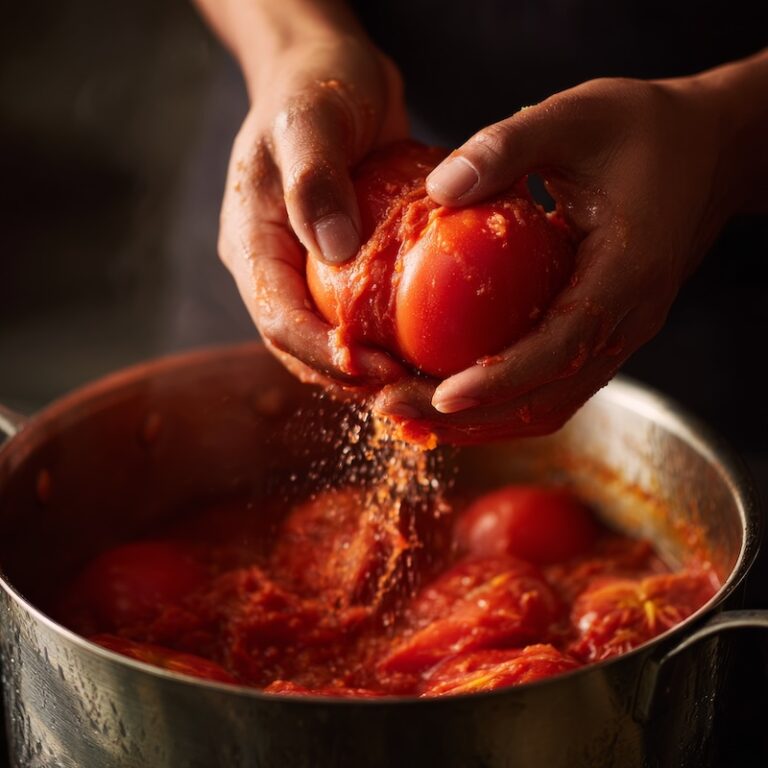
- Crushed tomatoes → whole tomatoes broken by hand: Identical result with slightly more texture. Squeeze them through your fingers directly into the pot — a 30-second step that gives you better texture control than pre-crushed.
- Diced tomatoes → whole tomatoes, chopped: Better for sauces where you want the tomatoes to eventually break down. The calcium chloride in diced tomatoes prevents this; homemade chopped whole tomatoes won't have that problem.
- Tomato paste → concentrated crushed tomatoes reduced down: Simmer crushed tomatoes in a dry pan, stirring frequently, until they thicken to a paste-like consistency. Takes 15–20 minutes but works in a pinch.
- San Marzano DOP → Bianco DiNapoli or Muir Glen organic whole: Both perform comparably in blind tastings. Significantly cheaper. Worth trying before you commit to paying the San Marzano premium on every dish.
- Canned tomatoes → fresh (in season only): Works when tomatoes are at peak summer ripeness. Blanch, peel, and use immediately. Out of season, canned tomatoes will produce a better result than pale, mealy fresh ones every time.
What Canned Tomatoes Pair Well With
- Aromatics: garlic, onion, shallot, fennel — the foundation of almost every tomato-based sauce worth making
- Fats: olive oil (for brightness), butter (for richness and to round out acidity), pancetta or guanciale (fat plus umami)
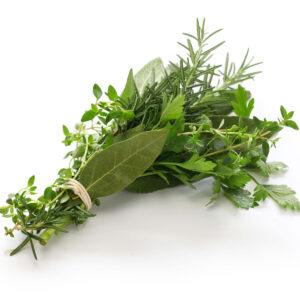
- Herbs: basil (added at the end, off heat), oregano and thyme (added early, they need cooking time), bay leaf (long braises), red pepper flakes (heat that builds slowly)
- Proteins: ground beef or pork, Italian sausage, chicken thighs, shrimp (added late), white beans, lentils — tomatoes' acidity cuts richness and ties everything together
- Vegetables: eggplant, zucchini, bell peppers, spinach, kale — tomatoes provide the acid and body that makes vegetable braises work
- Cheese: Parmesan (stirred in or grated over), ricotta (dolloped in at the end), burrata (served alongside, not cooked)
- Wine: a splash of red or white wine added before the tomatoes and reduced first adds a layer of flavor the tomatoes alone can't provide
- Spices (in non-Italian contexts): cumin and coriander for Mexican-inflected dishes, garam masala and turmeric for Indian curries, smoked paprika for Spanish-style braises — canned tomatoes are a global pantry ingredient, not just an Italian one
Storage & Shelf Life
- Unopened cans: Store in a cool, dry place away from heat sources. Officially shelf-stable for 2 years, but quality starts declining after 18 months — the flavor dulls and acidity flattens. Rotate your pantry stock.
- Once opened: Transfer any unused tomatoes to a glass or plastic container immediately — don't store in the open can. Refrigerate and use within 5 days.
- Tomato paste problem: Most recipes call for 1–2 tablespoons, but paste comes in 6-oz cans. Freeze the remainder in tablespoon-sized portions on a parchment-lined sheet, then transfer to a bag. Frozen tomato paste keeps for 3 months and eliminates the "what do I do with the rest of the can" problem permanently.
- Signs a can should be discarded: Bulging or dented along the seam, spurting liquid when opened, off smell, or visible mold. A slight metallic smell on opening is normal; a sour or fermented smell is not.
Worth the Upgrade? San Marzano DOP vs. Standard Canned
- Worth it: Simple tomato sauces where the tomato is the main event — a basic marinara, a pizza sauce, a Neapolitan-style pasta where nothing is hiding behind heavy spicing. San Marzano DOP tomatoes are sweeter, less acidic, and have a denser flesh that produces a cleaner, more elegant sauce. The difference is noticeable when tomato is the point.
- Not worth it: Chili, long braises, heavily spiced curries, or any dish where the tomatoes are one of many competing flavors. The premium you're paying disappears into everything else in the pot. Use a good domestic brand — Bianco DiNapoli, Muir Glen Organic, or Pastene — and spend the difference elsewhere.
- Always worth it: Checking for the DOP seal if you're buying San Marzano at all. "San Marzano style" without DOP is marketing. The seal is the only guarantee you're getting what you paid for.
Brands Worth Knowing (Updated 2024)
- Bianco DiNapoli Organic Whole Peeled: Consistently top-ranked by Wirecutter and the New York Times. Grown in California, organic, no citric acid. Noticeably sweet and clean. Worth the price for sauce-focused cooking.
- San Merican Tomatoes (SMT) Whole Peeled: Domestic San Marzano-style, highly rated by both Wirecutter and NYT. More widely available than Bianco DiNapoli and comparably priced. A reliable everyday upgrade.
- Pastene San Marzano DOP: One of the more accessible true DOP imports. Good flavor, consistent quality, easier to find than some premium Italian imports.
- Muir Glen Organic: The best widely available supermarket option. Consistent, clean flavor, no off notes. A solid default for any dish that doesn't justify the premium brands.
- Cento San Marzano DOP: Widely available imported option. Delish rates it best for marinara. Quality varies more than premium domestic options — look for the DOP seal on the label, not just the name.
- Hunt's and Red Pack: Reliable budget options for chili, stews, and dishes where the tomatoes are playing a supporting role. Not where you want to start for a simple pasta sauce.
- A note on brand rankings: I track reviews from Wirecutter, the New York Times, Delish, Food Network, and Sporked and update this list when meaningful new testing is published. Blind tastings sometimes produce surprising results — domestic brands regularly beat imported ones at a fraction of the price.
Why Do Some People Add Lemon Juice to Canned Tomatoes?
Adding lemon juice to canned tomatoes can help balance the tomatoes’ flavor and acidity. Canned tomatoes are often processed with added salt, making them taste overly salty or bland.
Lemon juice can help to counteract this by adding a fresh, acidic flavor that helps to enhance the natural sweetness and brightness of the tomatoes.
Lemon juice can also help to counteract the metallic flavor that can sometimes be present in canned foods. This is because lemon juice is acidic, and the acid in the lemon juice reacts with the metal in the can, reducing the metallic taste.
In addition to its flavor-enhancing properties, lemon juice is a good vitamin C source. This antioxidant can help to boost the overall nutritional content of canned tomatoes.
What Kind Are Good For Sauces and Soups?
When making pasta sauce or soup, the type of canned tomatoes you choose can significantly impact the flavor and texture of your sauce. Here are some of the most common types of canned tomatoes used for both pasta sauces and soups:
- Whole peeled tomatoes are the best choice for making a chunky, hearty pasta sauce. They are typically hand-packed into cans, which gives them a more natural texture. They are also great for making hearty soups, such as tomato bisque or minestrone. The large pieces of tomato add texture and body to the soup.
- Crushed tomatoes are ideal for making a smooth and velvety pasta sauce. In addition, they are ideal for making smooth, creamy soups like tomato soup. The uniform texture of the crushed tomatoes allows for easy blending, resulting in a velvety and creamy soup and sauces.
- Diced tomatoes are similar to whole peeled tomatoes but cut into smaller pieces. They are ideal for making a thicker, chunkier sauce with a smooth texture and soups with a thicker consistency and a chunky texture, such as gazpacho.
- Tomato puree: This is a smooth, thick tomato sauce with a silky texture and deep, intense flavor. It’s ideal for making sauces and soups that need to be simmered for a long time, as it will not break down as quickly as whole or diced tomatoes.
When selecting canned tomatoes for pasta sauce and soups, look for high-quality products made with vine-ripened tomatoes, free from added preservatives, colors, and flavors.
Can You Eat Canned Tomatoes From the Can?
Yes, you can eat canned tomatoes straight from the can, although it is recommended to rinse them with water before consumption. Some canned tomatoes are packed in heavy syrup or brine, so rinsing them can help reduce the amount of added sugar or salt.
However, it’s important to note that the taste and texture of canned tomatoes can be different from fresh, and they may be less flavorful or crisp. Additionally, some canned tomatoes may contain preservatives or other ingredients. Hence, checking the label and choosing high-quality products made with only tomatoes and minimal additional ingredients is essential.
If you are looking for a quick and easy snack, you can enjoy canned tomatoes as is or use them in a simple dish, such as a tomato and basil salad or a canned tomato sauce for pasta.
Frequently Asked Questions
Are canned tomatoes as good as fresh? For cooked dishes, often better — especially outside of peak tomato season. Canned tomatoes are processed at full ripeness, which means their flavor is locked in. A fresh supermarket tomato in February was picked underripe and has been traveling since. In a sauce or braise that cooks for 30 minutes or more, the canned tomato almost always wins.
What is the difference between whole, crushed, and diced canned tomatoes? Whole tomatoes are the most versatile — you control how much they break down. Crushed are already partially broken and work well for quick sauces. Diced contain calcium chloride, which keeps them firm regardless of how long you cook them — useful when you want texture, wrong when you want smoothness.
Are San Marzano tomatoes worth the extra cost? For simple sauces where tomato flavor is front and center — yes. For heavily spiced dishes or long braises where the tomatoes are one of many flavors — no. And if you’re buying them for quality, look for the DOP seal on the label. “San Marzano style” without DOP is not the same product.
Why do my tomato sauces taste metallic or tinny? Two likely causes: low-quality tomatoes, or not cooking them long enough. The metallic edge in canned tomatoes is real but cooks out with time. A longer simmer, a splash of wine, or a small pinch of sugar all help. Upgrading brands eliminates the problem at the source.
Can I substitute crushed tomatoes for whole tomatoes? Yes, in most applications. You lose some texture control but gain convenience. If you’re making a sauce that benefits from irregular, hand-broken pieces, whole tomatoes are worth the extra step — just squeeze them into the pot as you add them.
What does tomato paste actually do? It adds concentrated umami and tomato flavor without adding significant liquid. Think of it as a depth charge — a tablespoon or two transforms the flavor of a braise or soup in a way that regular canned tomatoes can’t replicate. The key is cooking it in oil before adding liquid; raw paste tastes metallic and sharp.
Should I use canned tomatoes with or without salt? No-salt-added versions give you more control over seasoning, which is generally worth it. If you’re using regular salted canned tomatoes, adjust other salt in the recipe accordingly and taste as you go. The difference matters more in simple sauces than in heavily seasoned dishes.
Why do some recipes call for adding a pinch of sugar to tomato sauce? Sugar balances acidity. Some canned tomatoes — particularly domestic budget brands — are noticeably more acidic than others. A small pinch of sugar rounds the sharpness without making the sauce taste sweet. Extended cooking time does the same thing more slowly. Neither approach is wrong; sugar is just faster.
Can I freeze canned tomatoes? Yes. Once opened, transfer to a freezer-safe container and freeze for up to 3 months. Tomato paste is especially worth freezing in tablespoon-sized portions — most recipes use a small amount and the rest of the can goes to waste otherwise.
What’s the best canned tomato for pizza sauce? You want something smooth, not too watery, and with clean tomato flavor without a lot of added seasoning. Crushed tomatoes or whole tomatoes blended briefly work well. Cento and La Fede get high marks specifically for pizza. San Marzano DOP gives you sweetness and low acidity that works particularly well uncooked or lightly cooked on pizza.
Learn More About This Topic
- How Celebrity Chefs Make Basic Tomato Sauce — How Marc Vetri, Marcella Hazan, and others approach a simple tomato sauce differently — useful when you want to understand what choices actually matter in building a sauce from scratch.
- Tomato Sauce vs. Tomato Paste: What's the Difference? — What tomato paste actually does in a dish and when to use it instead of sauce — the two are not interchangeable, and knowing why changes how you cook.
- Mastering Pasta Sauces at Home — The techniques behind restaurant-quality pasta sauces you can replicate at home — where to put your canned tomato knowledge to work.
- All About Capers — How capers add a sharp, briny edge that lifts tomato-based dishes out of the ordinary — a small ingredient that does a lot of work in Italian cooking.
- How Not to Simmer Foods — Why heat level changes what a tomato sauce becomes — and what you lose by rushing it — the technique post behind the "low and slow" advice in this guide.