Bold, Peppery, and Worth Getting to Know
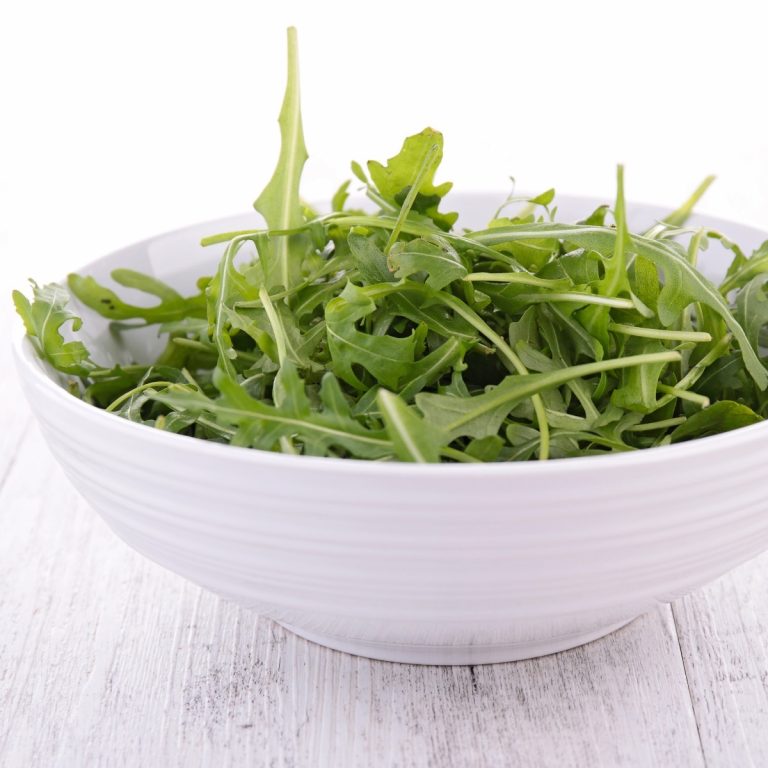
Arugula brings a peppery, slightly bitter kick that can wake up almost any dish. This leafy green — also called rocket or rucola — packs way more flavor than its delicate appearance suggests, and once you start cooking with it, you’ll find it hard to go back to a plain green salad.
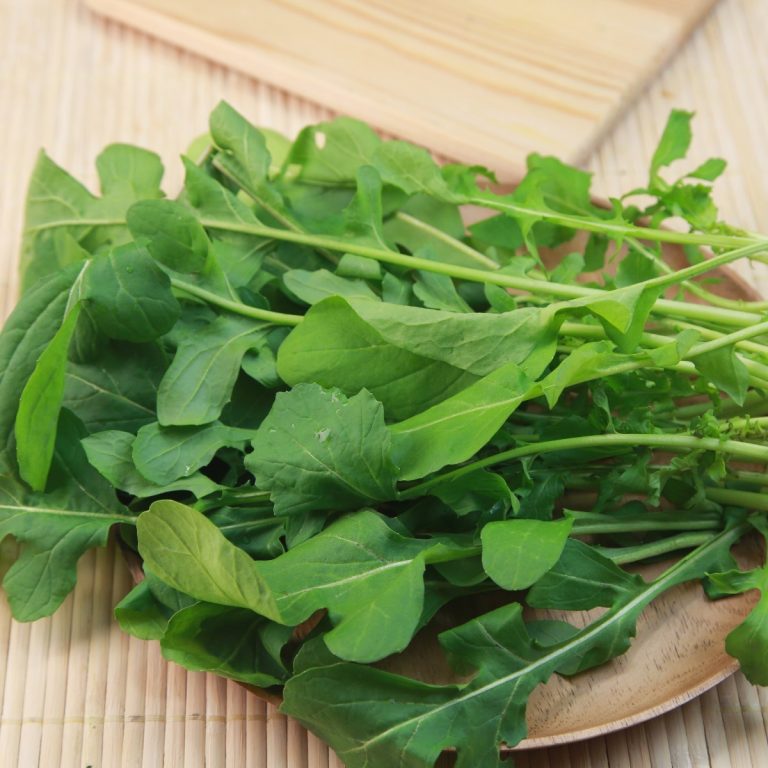
My mom never served it to us growing up in New Jersey. My dad would have called it a weed — and he wouldn’t have been entirely wrong. Arugula grows easily and quickly in cool, moist conditions, and it does pop up uninvited in gardens all the time. But what looks like a weed in the backyard turns out to be one of the most useful greens in the kitchen.
Arugula was largely unknown outside Italian-American kitchens until the farm-to-table movement of the 1990s turned it into a staple at farmers’ markets, restaurant menus, and eventually every grocery store in the country.
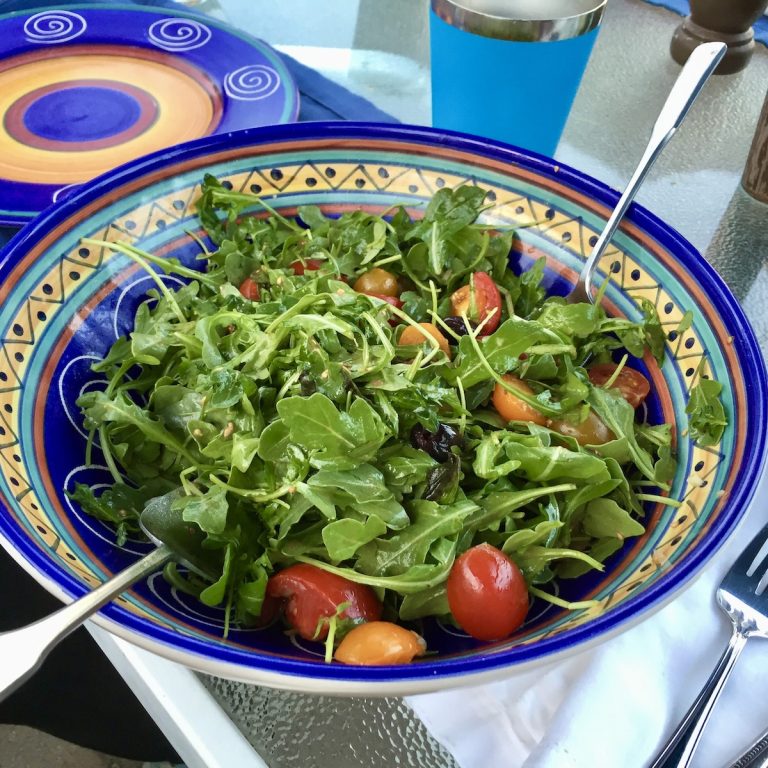
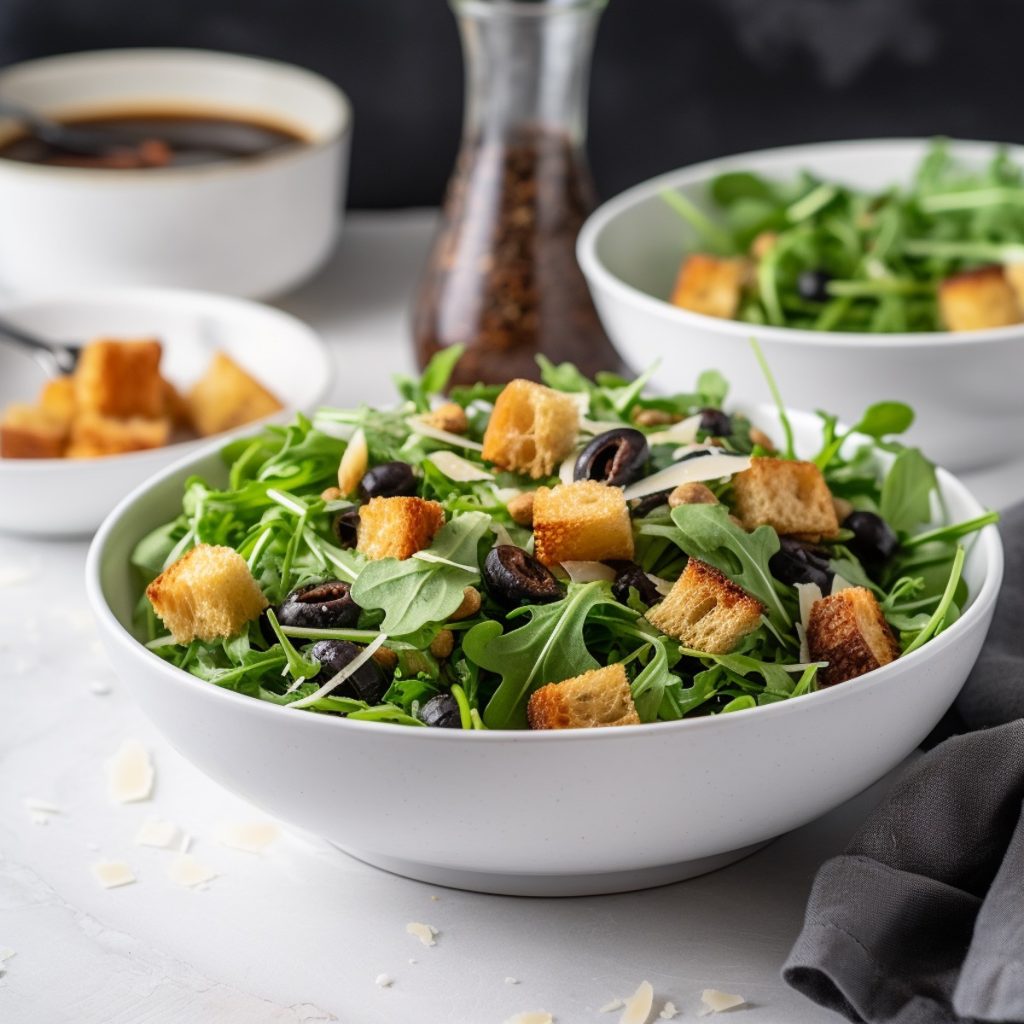
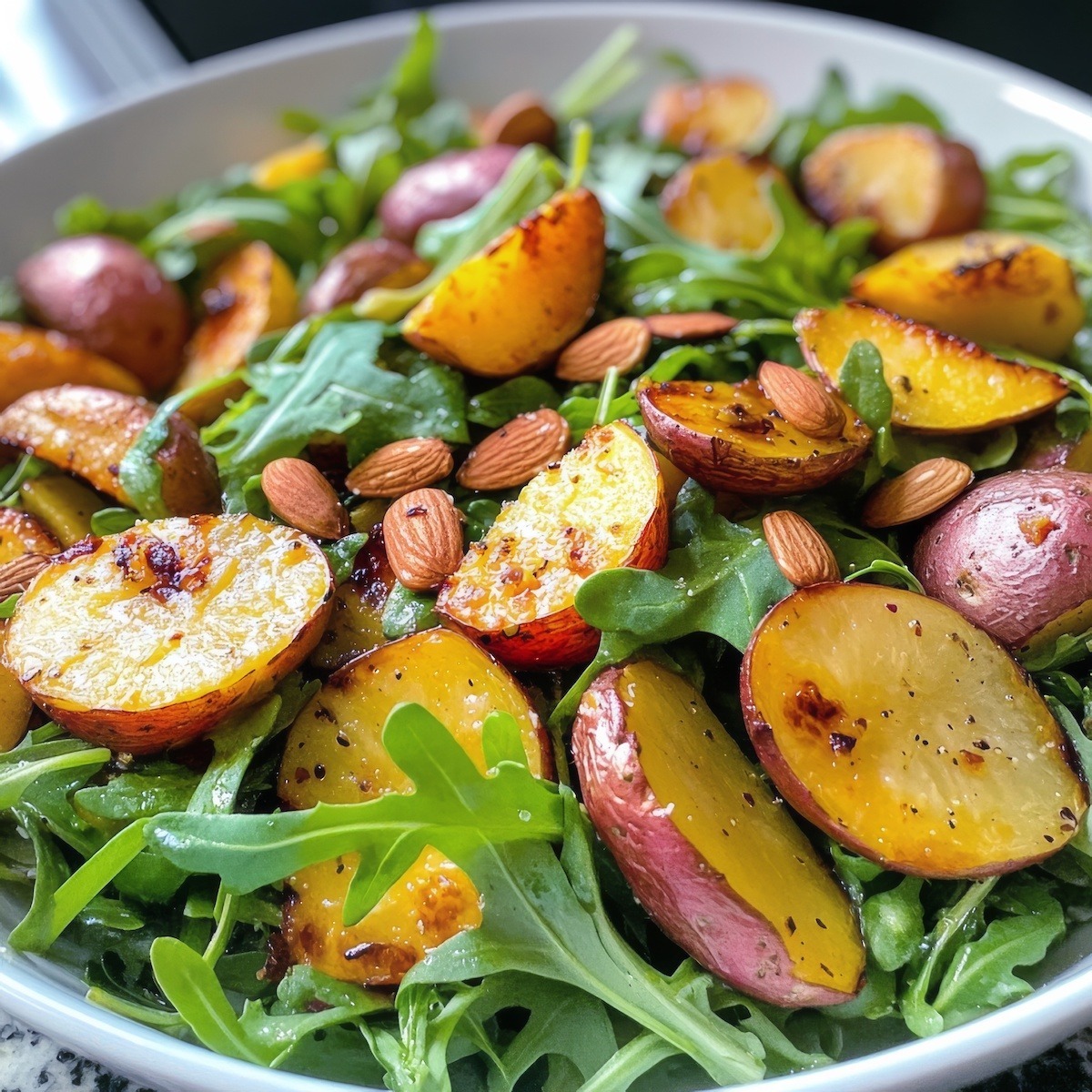
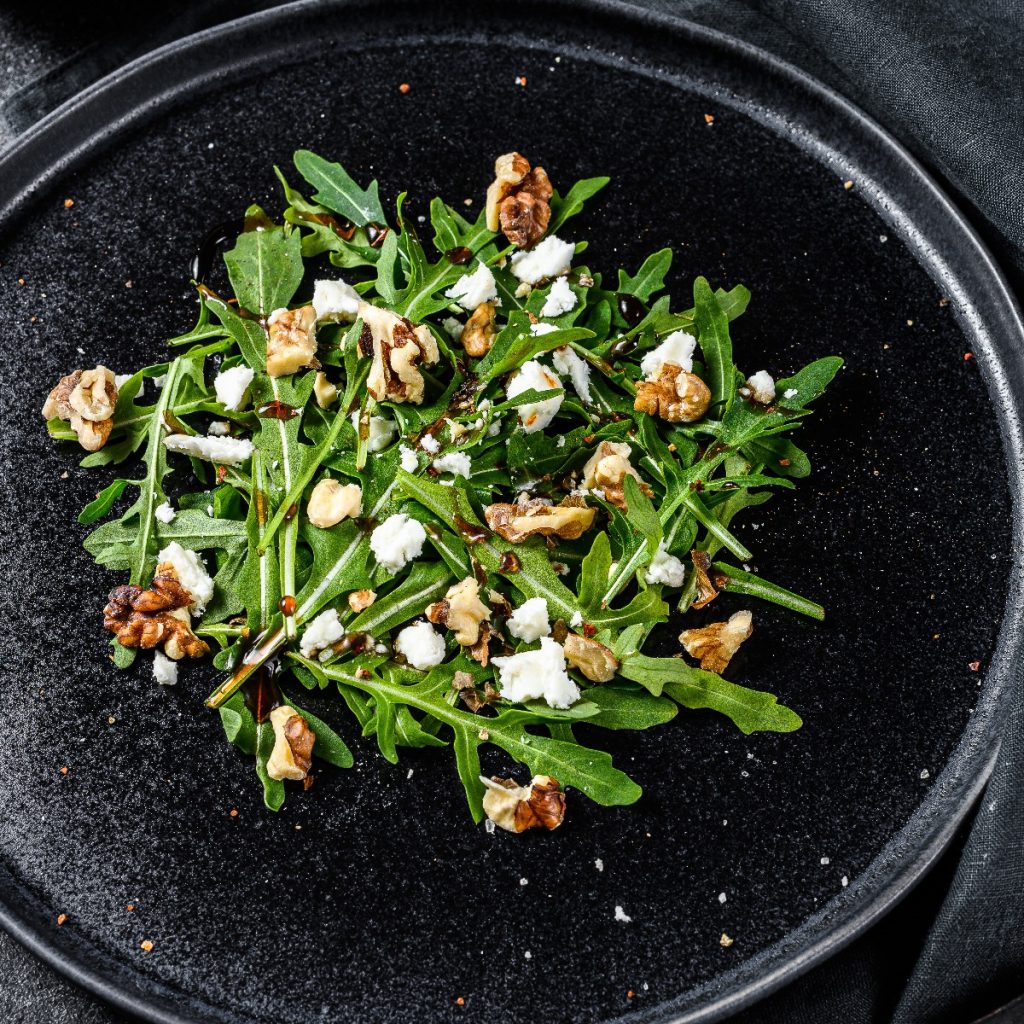
Toss it raw into salads, layer it onto hot pizza just after it comes out of the oven, fold it into pasta, or blend it into a sharp, peppery pesto. It pairs beautifully with lemon, Parmesan, balsamic vinegar, and sweet fruits like pears or strawberries. The younger, smaller leaves are milder; mature leaves bring more of that bold punch. Either way, it’s worth getting to know.
What Does Arugula Taste Like?
Arugula has a bold, peppery flavor with a slightly bitter edge — think of it as the spicy cousin of mild salad greens like romaine or butter lettuce. The heat comes from natural compounds called glucosinolates, the same family of chemicals that give mustard and horseradish their kick.
The intensity varies quite a bit depending on the variety and age of the leaves:
- Baby arugula (small, tender leaves) is the mildest — a gentle peppery note with a fresh, slightly grassy finish. This is what you’ll usually find in grocery store bags.
- Mature arugula has a more assertive bite and a nuttier, more complex flavor.
- Wild arugula (Sylvetta) is the most intense — deeply peppery and slightly bitter, best used in smaller amounts or mixed with milder greens.
If you’ve tried arugula and found it overwhelming, you were probably working with older, more mature leaves — or you needed a counterbalance. A squeeze of lemon juice, a drizzle of good olive oil, or a handful of shaved Parmesan softens the bitterness considerably and brings out the nuttier, more pleasant side of the flavor.
Heat also tames it. Toss arugula onto a hot pizza straight out of the oven, and within 30 seconds, it will wilt slightly, losing most of its sharpness and picking up a gentle, savory depth instead.
Types of Arugula
There are several different types of arugula, each with a unique flavor and appearance. Some of the most popular types of arugula include these listed below.
These are just a few examples of the many types of arugula available. Each type has its unique flavor and appearance, making it a versatile and exciting ingredient to experiment with in the kitchen.
| Type of Arugula | Appearance | Taste | Best Used For |
|---|---|---|---|
| Astro Arugula | Broad, flat leaves, light green | Mild, less peppery, slightly sweet | Salads, egg dishes, wraps |
| Baby Arugula | Small, tender, bright green leaves | Mild, slightly peppery | Fresh salads, side greens |
| Common Arugula (Eruca vesicaria) | Medium-large rounded leaves | Mildly peppery, slightly nutty | Salads, sandwiches, pesto |
| Italian Arugula | Large, broad dark green leaves | Bold peppery taste | Pasta, grilled meats, hearty salads |
| Red Veined Arugula | Bright green leaves with striking red veins | Milder peppery with earthy notes | Colorful salads, cheese plates, visual dishes |
| Rustic Arugula | Medium, slightly jagged leaves | Balanced peppery flavor | Grain bowls, sandwiches, egg dishes |
| Slow Bolt Arugula | Medium-large leaves, resists bolting | Mild to moderately peppery | Extended harvest, salads, sautés |
| Sylvetta Arugula | Fine, delicate leaves | Very peppery, nutty | Microgreens, garnishes, high-end plating |
How to Cook and Use Arugula
| Use | Description | Fresh or Cooked |
|---|---|---|
| Salads | Tossed raw into mixed green salads or stand-alone with simple vinaigrette | Fresh |
| Pizza Topping | Scattered on hot pizza after baking for a peppery, fresh contrast | Fresh (on hot pizza) |
| Pasta | Folded into hot pasta just before serving for a slightly wilted, aromatic bite | Cooked (lightly) |
| Pesto | Blended with nuts, cheese, olive oil for a zesty alternative to basil pesto | Fresh (processed) |
| Sandwiches & Wraps | Layered inside sandwiches, burgers, or wraps for a crisp, spicy note | Fresh |
| Egg Dishes | Added to omelets, frittatas, or scrambled eggs for bright flavor | Cooked (lightly) |
| Soups | Stirred into soups at the end for added color and flavor | Cooked (lightly) |
| Grain Bowls | Tossed into bowls with grains like quinoa or farro and roasted vegetables | Fresh or cooked |
| Sautéed or Wilted | Quickly sautéed with garlic and olive oil for a simple side | Cooked |
| Garnish | Used as a fresh garnish for meats, seafood, and roasted vegetables | Fresh |
| Smoothies & Juices | Blended into green smoothies or juices for a peppery kick | Fresh |
| Microgreens | Grown as baby greens for topping or garnish | Fresh |
| Stuffing for Meat or Fish | Incorporated into stuffing mixtures for rolled meats or baked fish | Cooked |
| Flatbreads & Tarts | Added to savory tarts or flatbreads after baking | Fresh |
Five Fun Facts About Arugula
- Arugula was once considered an aphrodisiac: Arugula was believed to have aphrodisiac properties by the ancient Romans and Egyptians. Its Latin name, “Eruca sativa,” is derived from the Latin word for “caterpillar” because it resembles the insect, also believed to be an aphrodisiac.
- It is also known as “rocket”: Arugula has several names, including rocket, roquette, and rucola. The name “rocket” is believed to have originated from the Italian word “cola,” which is the name for arugula in Italy.
- It is a cool-weather crop: it prefers cooler temperatures and grows best in the spring and fall. It can be grown in the summer but may bolt or go to seed in hot weather. In some regions, arugula can be grown year-round if protected from frost.
- It is a common ingredient in Italian cuisine: Arugula is often added to pasta dishes, pizzas, and salads. In Italy, it is commonly served with Parmesan cheese, olive oil, and lemon juice.
- It is easy to grow: it is a fast-growing plant that can be grown in garden beds, containers, or even as a microgreen. It prefers well-draining soil and partial shade or full sun. The seeds can be sown directly into the soil or started indoors and transplanted outside. Arugula can be harvested as soon as four weeks after planting.

Nutrition
Don’t let the delicate leaves fool you — arugula is genuinely nutritious. It’s a good source of vitamins A, C, and K, plus calcium, potassium, and iron, and it’s packed with antioxidants that help neutralize free radicals and reduce inflammation. It’s also low in calories and high in fiber, which makes it one of those rare ingredients that’s as good for you as it is good to eat.
What to Look For When Purchasing?
When buying arugula, there are a few things you should look for to ensure that you are getting the freshest and highest quality:
| What to Look For | Description |
|---|---|
| Appearance | Bright green leaves that are crisp, not wilted. Avoid yellow or brown leaves—these indicate spoilage. |
| Smell | Fresh, peppery aroma. A strong or unpleasant odor signals the arugula is past its prime. |
| Texture | Firm and tender leaves. Avoid tough or stringy stems as they can be unpleasant to eat. |
| Packaging | Tightly sealed bag or container. Check expiration date and choose packages with the longest shelf life. |
| Organic | Choose organic when possible to avoid synthetic pesticides or fertilizers. |
| Source | Buy local or from a trusted supplier for the freshest product and best handling during transport. |
How to Store Arugula (and How Long It Lasts)
Arugula is delicate and wilts faster than most greens, so storage matters. Here’s how to get the most out of it:
- Remove any rubber bands or twist ties and rinse the leaves under cold running water. Gently pat dry or spin in a salad spinner — excess moisture speeds up spoilage.
- Wrap the leaves loosely in a slightly damp paper towel, then place in a resealable bag or airtight container with as much air removed as possible.
- Store in the crisper drawer — the coldest, most humid part of the refrigerator.
- Keep it away from ethylene-producing fruits like apples and bananas, which accelerate wilting.
Stored this way, arugula keeps for 3 to 5 days. Use it as soon as possible for the best flavor and texture. If the leaves start to wilt, soak them in a bowl of cold water for a few minutes, then pat dry — they’ll often perk back up.
What Greens Are Similar to Arugula?
If you cannot find arugula or do not like its peppery taste, there are several greens that you can use as a substitute. Here are some options:
- Watercress has a slightly peppery taste and a similar texture. It is an excellent substitute for salads or a garnish for soups and sandwiches.
- Baby spinach has a mild taste and a tender texture, making it a versatile substitute for arugula in salads and sandwiches.
- Kale has a slightly bitter taste and a sturdy texture, which makes it an excellent substitute for arugula in cooked dishes such as soups, stews, and stir-fries.
- Mustard greens have a strong, spicy flavor similar to arugula. They can be used in salads or cooked dishes such as quiches or stir-fries.
- Radicchio’s slightly bitter taste and sturdy texture make it an excellent substitute for arugula in salads. It is also commonly used in Italian cuisine.
- Endive has a slightly bitter taste and a crisp texture, making it an excellent substitute for arugula in salads. Its small, curled leaves also make it a visually appealing garnish.
Remember that each of these greens has a unique taste and texture, so the dish’s flavor may vary slightly depending on the substitute used.

Frequently Asked Questions About Arugula
Is arugula the same as rocket? Yes — arugula, rocket, rucola, and roquette are all names for the same plant. “Arugula” is the American term, borrowed from the southern Italian dialect word arugula. “Rocket” is the British and Australian term, derived from the French roquette. You’ll see it labeled differently depending on where you shop, but it’s the same green.
Can you cook arugula, or is it only for salads? You can absolutely cook it, though arugula loses its peppery bite quickly with heat. A light wilting — tossed into hot pasta just before serving, or scattered on a pizza fresh from the oven — gives it a softer, slightly savory flavor. Full cooking (sautéing with garlic and olive oil) turns it mild and tender, similar to wilted spinach. Most cooks use it raw or barely warmed to preserve its distinctive character.
Why is arugula sometimes bitter? The bitterness comes from glucosinolates, natural compounds found in arugula and other members of the brassica family (like mustard and broccoli). Older, more mature leaves contain higher concentrations, making them more bitter and more peppery. If you find arugula too bitter, try baby arugula — the young leaves are noticeably milder. Adding an acid like lemon juice or balsamic vinegar also helps balance the bitterness.
What’s the difference between regular arugula and wild arugula? Regular arugula (Eruca vesicaria) has broader, rounder leaves and a moderately peppery flavor — this is what you’ll find in most grocery stores. Wild arugula (Diplotaxis tenuifolia), also called Sylvetta, has smaller, more deeply lobed leaves and a much more intense, sharp flavor. Wild arugula holds up better to heat and is often used on pizza or mixed with milder greens to add depth without overpowering a dish.
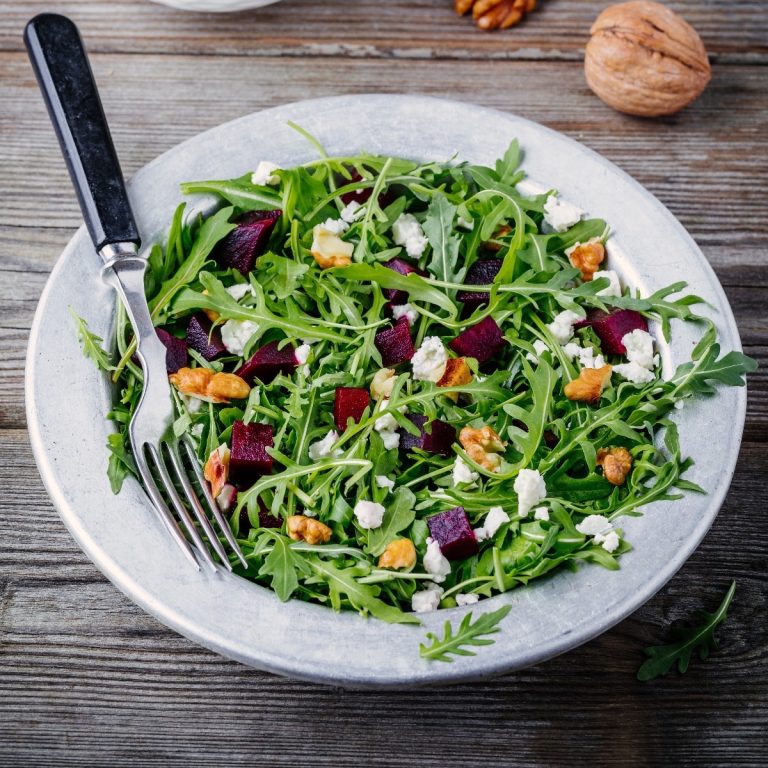
How do you tone down arugula’s bitterness? A few easy tricks: toss it with a squeeze of fresh lemon juice and a drizzle of good olive oil before serving — the acid and fat both soften the bitter edge. Adding something sweet (sliced pears, strawberries, a touch of honey in the dressing) creates a counterbalance. Pairing it with a rich, creamy element like fresh mozzarella, burrata, or goat cheese also works beautifully. And if all else fails, baby arugula is simply milder from the start.