If you've ever bought a jar of capers for one recipe and forgotten about them ever since, this is the page that changes that.
The Little Ingredient That Does a Lot of Heavy Lifting
I came to capers late. For years, they sat in the back of my refrigerator — picked up for a specific recipe, used once, forgotten. It wasn’t until I started cooking more Mediterranean food seriously that I understood what they were actually for. Not a garnish. Not an afterthought. A flavor tool.
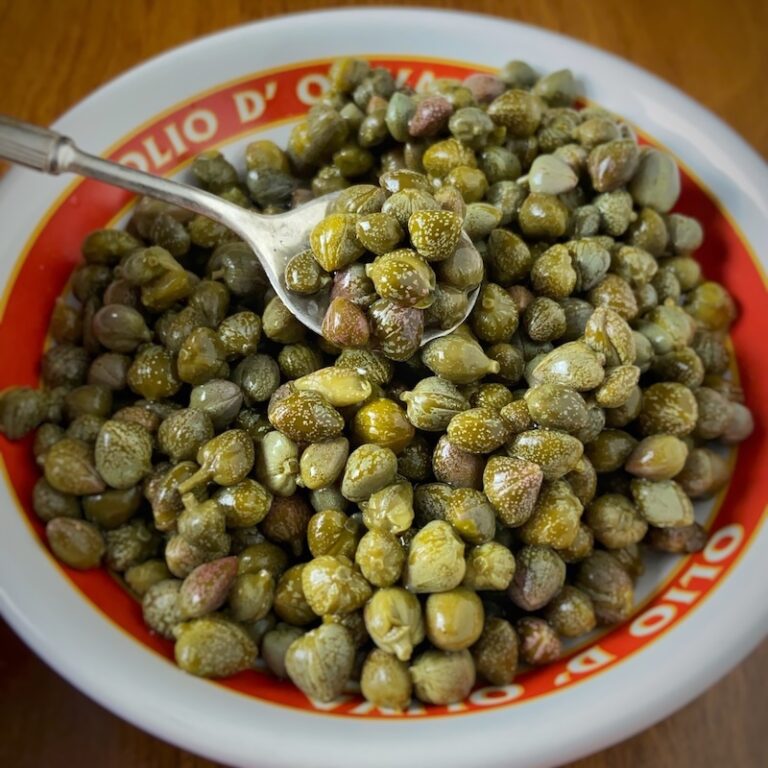
Capers are the unopened flower buds of Capparis spinosa, a sprawling, sun-loving shrub that grows wild across the Mediterranean — particularly in Sicily, Sardinia, Spain, and Greece. Before they bloom, the buds are hand-picked and cured in salt or packed in brine, which transforms them from mildly bitter raw buds into something considerably more interesting: briny, tangy, faintly floral, and deeply savory all at once.
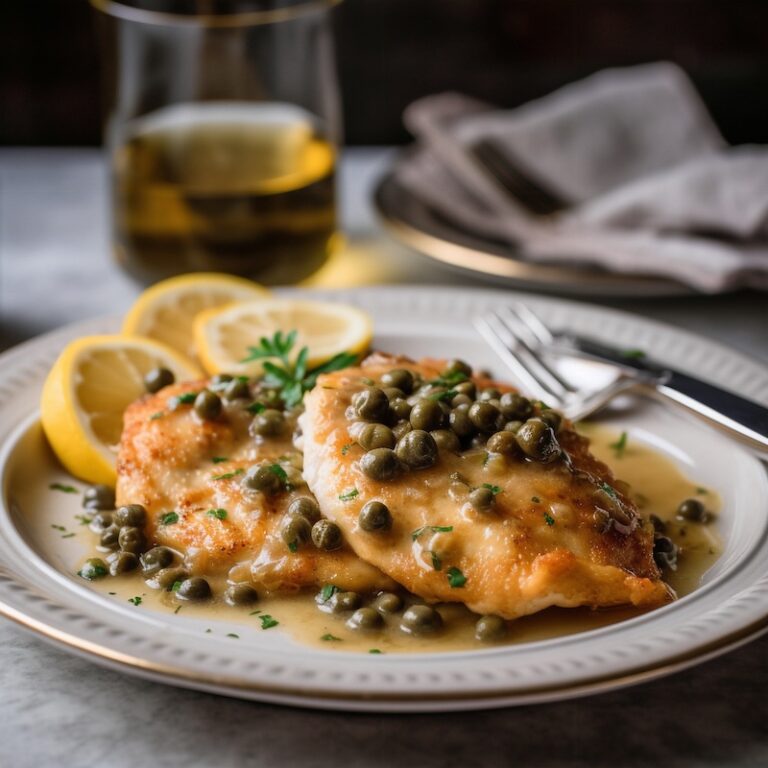
A good way to think about them: capers do what lemon and salt do together, but with more complexity. They cut through richness, brighten heavy sauces, and add a note of acidity that makes other flavors come alive. That’s why they show up in chicken piccata, pasta puttanesca, salmon dishes, and tapenade — not because those recipes needed one more ingredient, but because capers do something no other ingredient quite replicates.
Once you understand that, you’ll stop leaving them in the back of the fridge.
What Do Capers Taste Like?
The flavor is briny and tangy up front — salt and vinegar from the curing process — with a subtle floral quality beneath that’s harder to place. There’s a faint bitterness too, especially in larger capers, which rounds out the sharpness and keeps them from tasting one-dimensional. Some people pick up a hint of mustard or black pepper in the background. Once you start noticing it, it’s unmistakable.
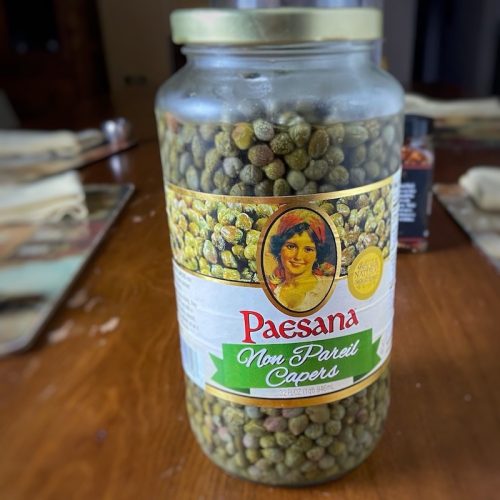
The size matters more than most people realize. Smaller capers — the nonpareilles — are more delicate and tender, with a brighter, more refined flavor. Larger ones pack a more assertive punch and a meatier texture. For most cooking, I reach for nonpareilles, but for antipasto platters or dishes where capers are meant to be noticed rather than dissolved into a sauce, bigger is better.
One important note: always rinse capers before using them, whether they’re packed in brine or salt. Brine-packed ones can be used almost immediately after a quick rinse. Salt-packed capers — which are considered superior by most Italian cooks — need a longer soak in cold water, 15 to 20 minutes, to bring the salt down to a workable level. The reward is a more nuanced, less sharp flavor that’s worth the extra step.
Caper Sizes, Texture, Flavor
Capers come in various sizes, ranging from 1/4 inch (approximately the size of a small pea) to over 1/2 inch, which is about the size of a small olive. Here are some sizes and their corresponding names.
| Name | Size (Inches) | Size (Millimeters) | Common Culinary Uses | Texture & Flavor |
|---|---|---|---|---|
| Nonpareilles | 0.15–0.25 in | 4–7 mm | Most popular; ideal for sauces, pasta, salads, fish, dressings | Delicate, tender texture; bright, tangy flavor |
| Surfines | 0.25–0.31 in | 7–8 mm | Great for pasta dishes, chicken piccata, tapenade | Slightly firmer than nonpareilles; balanced briny taste |
| Capucines | 0.31–0.35 in | 8–9 mm | Used in stews, braises, larger meat dishes | Mildly firm; more developed flavor with subtle bitterness |
| Capotes | 0.35–0.43 in | 9–11 mm | Suited for robust sauces, antipasti, stuffed dishes | Firm and meaty; pronounced briny and earthy notes |
| Fines | 0.43–0.47 in | 11–12 mm | Often used whole in Mediterranean dishes, pickled platters | Bold flavor; firmer, chewier texture |
| Grusas | 0.47 in + | 13+ mm | Best served whole in antipasto platters, or as garnish for hearty mains | Very bold, concentrated flavor; dense, chewy texture |
How Best Used in Cooking
| Use | Description |
|---|---|
| Sauces | Stir into pan sauces for fish, chicken, or veal (like lemon caper sauce) for tangy brightness. |
| Salads | Toss into green salads, pasta salads, potato salads, or Niçoise for salty, briny contrast. |
| Tapenade & Spreads | Blend into olive tapenade or other spreads for depth and complexity. |
| Pasta Dishes | Mix into pasta sauces, especially tomato-based or seafood pastas, for a pop of acidity. |
| Meat & Poultry | Add to braises or pan sauces for meats like pork tenderloin, veal, and lamb. |
| Seafood | Complement grilled or roasted fish and seafood with caper butter or salsa. |
| Egg Dishes | Sprinkle over deviled eggs, omelets, or scrambled eggs for zesty flavor. |
| Pizza & Flatbreads | Scatter over pizzas or flatbreads for a salty accent. |
| Antipasto & Platters | Serve whole on charcuterie, antipasto, or mezze platters. |
| Vegetable Dishes | Pair with roasted, grilled, or sautéed vegetables—especially eggplant, peppers, and zucchini. |
| Bread & Baked Goods | Fold into savory breads, muffins, or focaccia for a burst of umami. |
Classic Dishes Featuring Capers
| Dish | Description | Wine Pairing |
|---|---|---|
| Chicken Piccata | Sautéed chicken cutlets in a lemon-butter sauce with capers | Pinot Grigio, Sauvignon Blanc |
| Pasta Puttanesca | Pasta with tomato sauce, anchovies, olives, capers, garlic, and chili flakes | Chianti, Nero d’Avola |
| Vitello Tonnato | Chilled veal slices with creamy tuna and caper sauce | Gavi, Verdicchio |
| Bagels with Lox and Capers | Smoked salmon with cream cheese, red onion, capers on a bagel | Champagne, Dry Riesling |
| Sicilian Caponata | Sweet and sour eggplant stew with capers, olives, celery, and tomatoes | Frappato, Cerasuolo di Vittoria |
| Tuna Niçoise Salad | Salad of tuna, green beans, potatoes, olives, eggs, and capers | Rosé from Provence, Sauvignon Blanc |
| Sautéed Sole with Lemon and Capers | Delicate fish fillets with lemon-caper butter sauce | Chablis, Vermentino |
| Tapenade | Olive, caper, anchovy, and garlic spread | Côtes du Rhône, Garnacha |
| Lemon Caper Sauce | Versatile sauce of lemon, butter, capers, and parsley, used for fish, poultry, or vegetables | Vermentino, Pinot Bianco |
| Pan Roasted Sea Bass | Crispy-skinned sea bass with sautéed cherry tomatoes, capers, garlic, and herbs | Albariño, Verdicchio |
| Pork Tenderloin | Roasted pork tenderloin with a bright pan sauce of lemon, capers, and green olives | Pinot Noir, Grenache Blanc |
How to Store Capers
Unopened jars of capers keep well in the pantry for up to a year. Once opened, move them to the refrigerator and make sure the capers stay submerged in their brine — that liquid is what keeps them fresh. A tight-fitting lid matters too.
In my kitchen, we keep a large jar going almost continuously. Refrigerated and properly submerged, they easily last six to nine months without any loss of quality. If the brine starts looking cloudy or the capers lose their firm texture, that’s the signal to replace them — but in my experience, that rarely happens before the jar is empty.
Salt-packed capers, once opened, should be kept in a sealed container in the fridge. They’ll last even longer than brine-packed — up to a year — as long as they stay dry and sealed.
Caper FAQ
What are capers?
Capers are small, unripened flower buds harvested from the caper bush (Capparis spinosa). They undergo a curing process in salt or brine, which gives them their characteristic briny, tangy, and slightly floral flavor.
Where do capers come from?
Capers grow primarily in the Mediterranean region, including Italy, Spain, and Greece. Farmers hand-pick the tiny buds before they bloom to preserve their delicate taste and texture.
What do capers taste like?
Capers deliver a bold, tangy, and salty flavor with subtle floral notes. Their taste varies slightly depending on size and curing method, but all provide a bright, savory punch to dishes.
What are the different sizes of capers?
Capers come in several sizes:
- Nonpareilles (smallest) – delicate and tender, ideal for sauces, pasta, and salads.
- Surfines – slightly firmer, perfect for chicken piccata and tapenades.
- Capucines and Capotes – firm with pronounced flavor, great for stews or robust sauces.
- Fines and Grusas (largest) – bold, chewy, and best served whole in antipasti or as garnish.
How do I use capers in cooking?
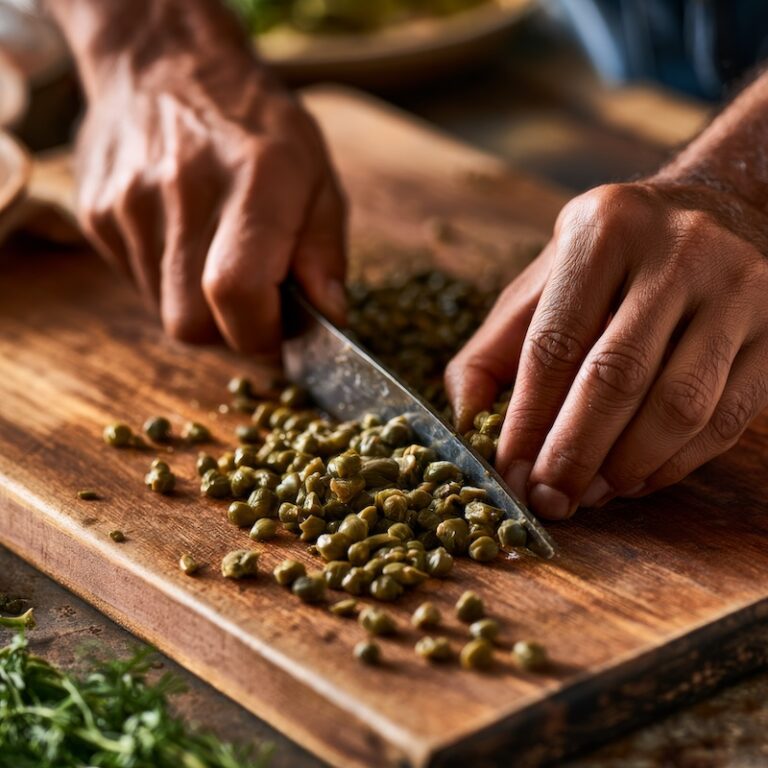
Rinse capers to reduce excess salt, then add them near the end of cooking to preserve texture and flavor. Use them in pasta sauces, salads, roasted vegetables, chicken piccata, fish dishes, and Mediterranean recipes.
Can I cook with capers straight from the jar?
Yes! Brined capers go straight into recipes after rinsing. Salt-packed capers should soak briefly in water to mellow the salt before use.
Are capers healthy?
Capers are low in calories, rich in antioxidants, and provide trace minerals like vitamin K and copper. They add intense flavor without extra fat, sugar, or calories, making them a healthy seasoning choice.
How do I store capers?
Keep opened capers submerged in their brine or salt in the refrigerator. Brined capers last for several months; salt-packed capers last even longer if kept dry and sealed.
Can I substitute capers if I don’t have any?
Yes, though nothing perfectly replicates their briny, floral punch. Common substitutes include green olives, chopped pickles, or a squeeze of lemon plus a pinch of salt to mimic brightness.
What dishes pair best with capers?
Capers complement pasta puttanesca, chicken piccata, smoked salmon bagels, tapenade, roasted vegetables, potato salad, and vinaigrettes. They also enhance Mediterranean-inspired fish and meat dishes.
Are there any cooking tips for beginners using capers?
- Start with small amounts, since their flavor is concentrated.
- Rinse brined capers to prevent dishes from becoming too salty.
- Add capers late in the cooking process to maintain texture.
Can I eat capers raw?
Yes, capers taste great raw in salads, on sandwiches, or as a garnish, but they are usually preserved in brine or salt for safety and flavor.
How do capers differ from caperberries?
Capers are the tiny flower buds, while caperberries are the larger, seed-containing fruit of the same plant. Caperberries have a milder, less tangy flavor and are often served whole as a garnish.
Buying Capers
Why Capers: Small, pickled flower buds that add tangy, briny flavor to sauces, salads, pasta, and Mediterranean dishes. They provide a punch of umami and brightness.
Check Quality: Look for firm, plump buds with a consistent size. Avoid overly soft or discolored capers, which can indicate age or poor storage.
Where to Shop: Gourmet shops, specialty stores, and international markets often carry high-quality jarred or pickled capers.
Amazon Convenience: Amazon offers a wide range of capers, from nonpareil to larger sizes, in brine or salt. You can compare brands, reviews, and origins for easy delivery.
Storage Tip: Keep capers in their original brine in the refrigerator after opening to maintain flavor and texture.
🛒 Check Prices for Capers on AmazonAvailable on Amazon