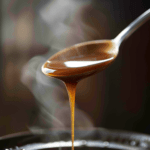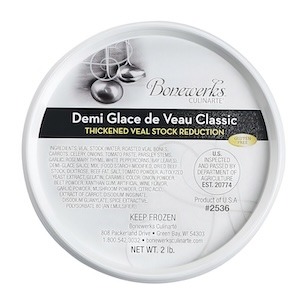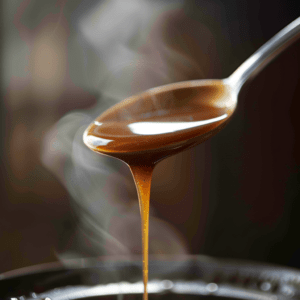
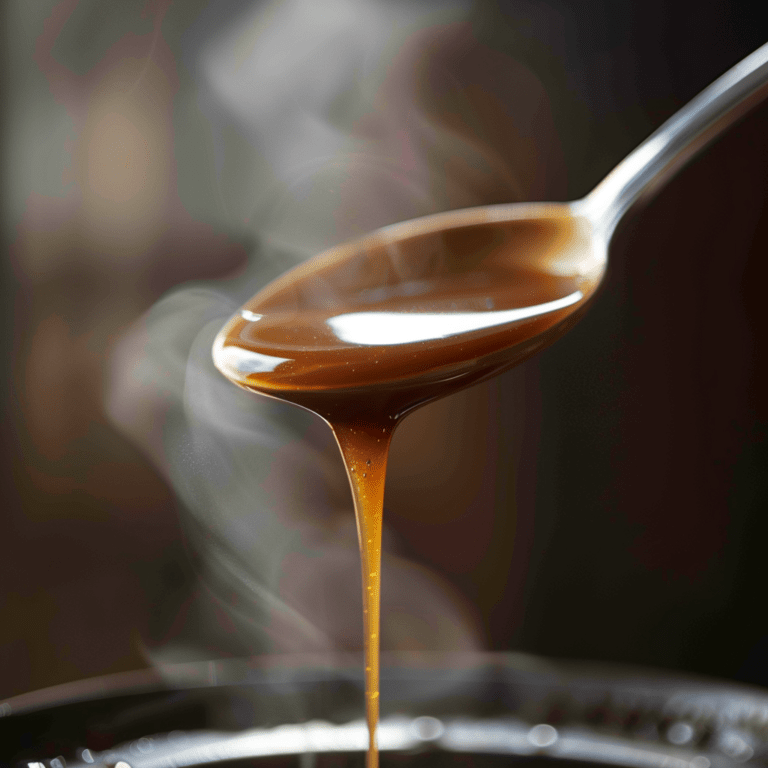



I built this as insurance — something to fall back on if I ran out of Bonewerks demi-glace in the freezer. I expected to spend an afternoon fixing the ratio. The first batch came out closer to right than I expected.
Fast Answer
The gelatin-to-stock ratio is what makes or breaks this — too much and you get something gluey instead of silky. Use the amount below, taste as you reduce, and finish with butter at the very end, not before.
Why I Built a Backup for My Backup
I built this substitute as backup — something to use if I ran out of the real demi-glace I keep in the freezer. I expected to need a few tries to get the ratio right. Instead, the first batch was closer to the real thing than I thought it would be.
What follows is that recipe, plus the honest version of where it can’t fully replace the real thing — because it can’t, and pretending otherwise doesn’t help you.
Start Here
- Problem: Real demi-glace — or even a good frozen product like Bonewerks — isn't always in the freezer when you need it.
- What matters most: the gelatin ratio. Too much turns this gluey instead of silky, and that's the most common way it goes wrong.
- Equipment: just a saucepan. Nothing specialized.
- Set expectations: this gets you close, not identical — see "Where It Falls Short" below before you build the rest of your dish around it.
What Most Cooks Get Wrong
- Problem: The most common failure isn't the gelatin — it's starting with weak stock. Thin, low-sodium, or bargain stock gives you nothing worth reducing.
- Second most common: adding extra gelatin "just in case" the sauce turns out thin. That's exactly what turns it gluey instead of silky.
- Fix: use the best stock you have, reduce it until it actually tastes concentrated before adding gelatin, and stick to the amount below — not more for insurance.
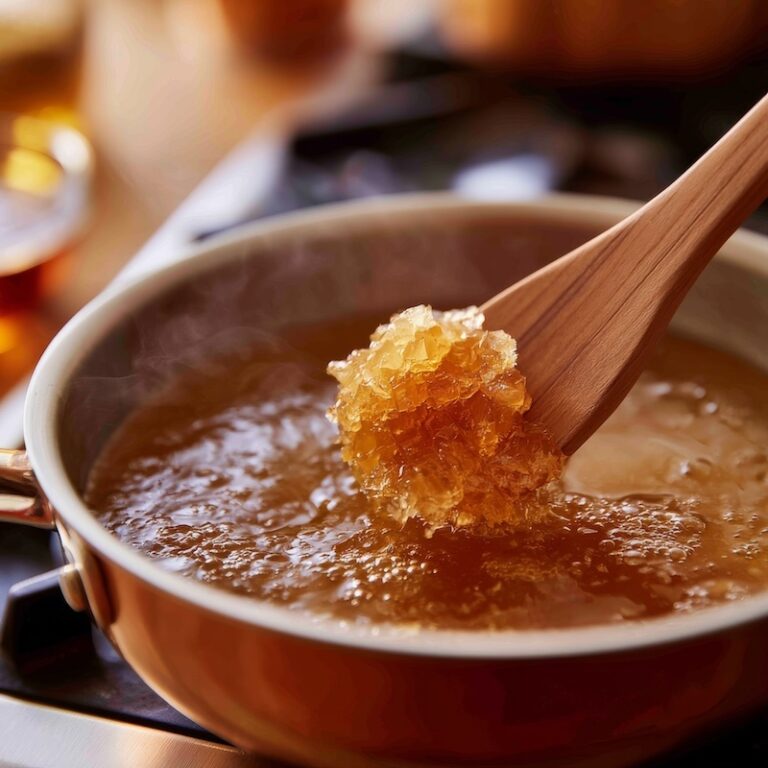
Why This Works
- Gelatin mimics collagen: real demi-glace gets its body from bones breaking down over hours. Gelatin supplies that same protein directly, in minutes instead of hours.
- Reduction concentrates flavor: simmering the stock down does in 15–20 minutes what a long braise would otherwise take hours to build.
- Tomato paste and soy aren't decoration: cooked into the fat, tomato paste loses its raw acidity and moves toward the kind of caramelized depth demi-glace gets from roasted bones. Soy sauce adds the savoriness that would otherwise take hours to develop.
- Butter at the end is texture, not flavor: it's what turns a reduced liquid into something that clings to a spoon instead of running off it.
- Demi-glace isn't an ingredient. It's a technique disguised as a product.
Where It Falls Short
- Real demi-glace wins on depth: hours of caramelizing bones and mirepoix build a roasted, almost bitter-edged complexity this substitute can't fake in 30 minutes.
- This version holds its own: in pan sauces, quick braises, and gravies, the body and umami are close enough that most people at the table won't clock the difference.
- Verdict: if demi-glace is the whole point of the dish, use the real thing or a good frozen product like Bonewerks. For everything else, this is genuinely useful.
Quick Fixes and Tips
- Sauce feels thin: reduce it a little more before reaching for extra gelatin. Reduction fixes more problems than gelatin does.
- Turned out gluey: too much gelatin, or it was added before the liquid was hot enough to fully dissolve it. Use less next time.
- Genuine emergency, mid-recipe: heat 1 cup beef stock, 1/2 teaspoon gelatin, and 1/2 teaspoon soy sauce together, stir until smooth, and use it. Not as complex, but it'll save the sauce.
- Season last, not first: this reduces fast, and salt concentrates right along with everything else.
Where to Use This
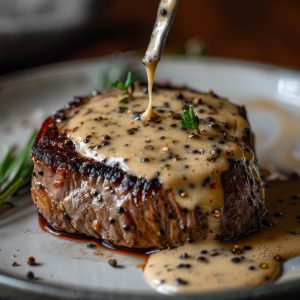
- Pan sauces: swap it 1:1 anywhere a recipe calls for demi-glace, including my Madeira Sauce.
- Braises and gravies: use it to add body without hours of reduction.
- Beef and game reductions: it holds up fine as the backbone when time is the constraint.
Demi-glace isn’t an ingredient. It’s a technique disguised as a product. (stock + reduction + gelatin + balance)
Explore More About This Topic
- Building a Madeira sauce? This substitute works as a 1:1 swap in my Madeira Sauce recipe if you're out of the real thing.
- Want the full picture on classic sauces? My Restaurant Quality Sauces guide covers the technique this substitute is standing in for.
- Have the time? My demi-glace recipe walks through making it the long way, from scratch.
Demi-Glace Substitute
Equipment
- Sauce pan
Ingredients
- 2 cups good quality beef stock
- 1 teaspoon unflavored gelatin
- 1 tablespoon tomato paste
- 1 teaspoon soy sauce or Worcestershire
- 1 small shallot minced
- 1 teaspoon butter for finishing
Instructions
Bloom the Gelatin
- Sprinkle the gelatin over 2 tablespoons of the cold stock in a small bowl. Let it sit for 5 minutes, undisturbed — this is what lets it dissolve smoothly later rather than clumping.
Build the Flavor Base
- In a small saucepan, sauté the shallot in a little oil until soft, about 2–3 minutes.
Cook the Tomato Paste
- Add it and cook until it darkens slightly, 1–2 minutes. This step matters — raw tomato paste tastes sharp and acidic; cooking it in the fat mellows it toward something closer to real depth.
Reduce the Stock
- Add the remaining stock and the soy sauce. Simmer until reduced by about half, roughly 15–20 minutes.
Add the Gelatin
- Stir in the bloomed gelatin until fully dissolved into the hot liquid.
Finish with Butter
- Remove from heat and swirl in the butter until melted and glossy.
Adjust Salt
- Taste and add gradually — reduction concentrates salt quickly, so go easy.
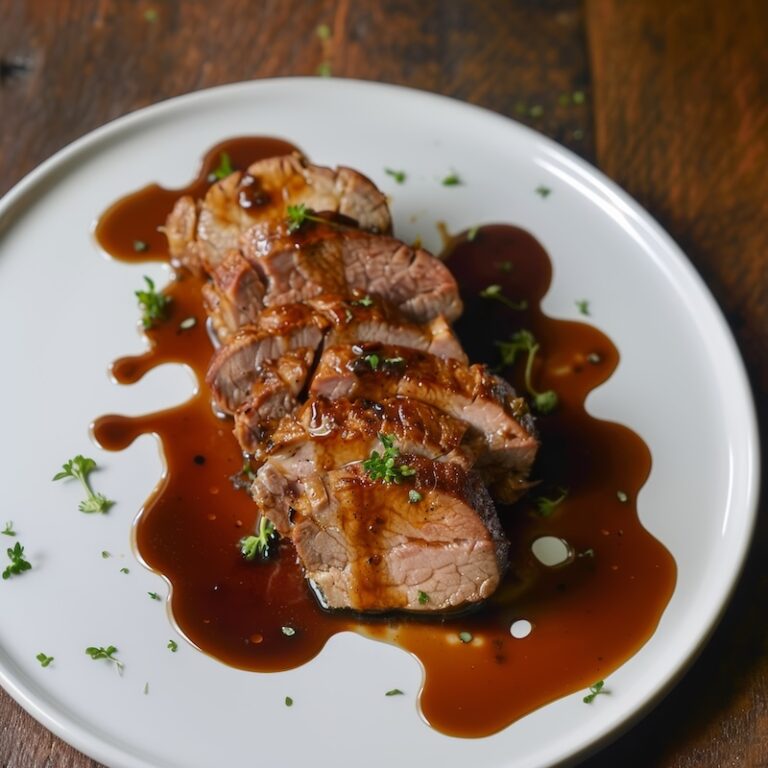
Storage & Make-Ahead Tips
- Refrigerator: Store in an airtight container for up to 3–4 days.
- Freezer: Freeze in small portions for up to 2–3 months. Ice cube trays work perfectly.
- Reheating: Warm gently and add a splash of stock or water if needed.
Good to Know: The sauce will gel in the fridge—this is normal. It melts back into a smooth, glossy sauce when reheated.
Will this replace a classic demi-glace in a restaurant kitchen? No. Will it make a rich, flavorful sauce at home that tastes fantastic? Absolutely.
⚡ Emergency Demi-Glace Substitute (2 Minutes)
When to Use This: You’re mid-recipe, the pan is hot, and you just realized you don’t have demi-glace. This quick fix will get you through.
- 1 cup beef stock
- 1/2 teaspoon gelatin
- 1/2 teaspoon soy sauce
How to Do It: Heat gently, stir until smooth, and use immediately.
What to Expect: Not as rich or complex as a full version, but it adds body, depth, and just enough gloss to make your sauce work.
Bottom Line: It’s not elegant… but it saves dinner.
Storage and Make-Ahead
- Refrigerator: airtight, up to 3–4 days.
- Freezer: portions freeze well for 2–3 months. Ice cube trays work well for pre-measured amounts.
- Reheating: gently, with a splash of stock or water if it's tightened up.
- It'll gel solid in the fridge — that's the gelatin doing its job, not a sign anything's wrong. It melts back into a sauce as it reheats.
Frequently Asked Questions
Can I use this instead of real demi-glace in any recipe?
In most pan sauces, braises, and gravies, yes — swap it 1:1. If demi-glace is the entire point of the dish, the real thing will taste noticeably deeper.
What if my sauce turns out gluey instead of silky?
You added too much gelatin, or it didn’t fully dissolve before the pan came off the heat. Use less next time, and make sure it’s stirred into hot liquid, not lukewarm.
Can I make this ahead?
Yes — it keeps 3–4 days refrigerated, or 2–3 months frozen in small portions. Ice cube trays work well for pre-measured amounts.
Why does the sauce gel solid in the fridge?
That’s the gelatin doing exactly what it’s supposed to. It melts back into a smooth, glossy sauce as soon as it’s reheated.
Is there a faster version if I’m mid-recipe with no time?
Yes — heat 1 cup beef stock, 1/2 teaspoon gelatin, and 1/2 teaspoon soy sauce together until smooth. Not as complex, but it’ll save the sauce.
Can I use chicken or vegetable stock instead of beef?
You can, and it’ll still give you body and umami — just expect a lighter, less deeply savory result than beef stock gives you.
What’s the actual difference between this and real demi-glace?
Real demi-glace gets its depth from hours of reducing bones and browned mirepoix — a roasted complexity this substitute can’t fully fake. What it does replicate well is body and umami, which covers most of what you need it for at home.