

How to Make Chateaubriand Sauce Like a Restaurant Chef

You nailed the steak… and then poured something forgettable over it? That’s the tragedy. This Chateaubriand sauce is the difference between “good dinner” and “wait… you made this?” It’s rich, glossy, and surprisingly simple once you understand the method—not just the steps.

Fast Answer

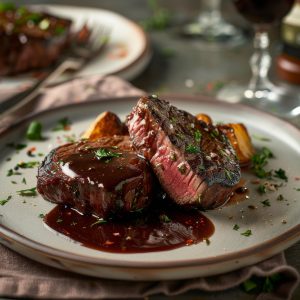
Chateaubriand sauce is a rich red wine reduction made with shallots, butter, and stock. It adds depth, richness, and a restaurant-quality finish to steak.

Classic Chateaubriand Sauce Recipe for Steak (Rich Red Wine Sauce)

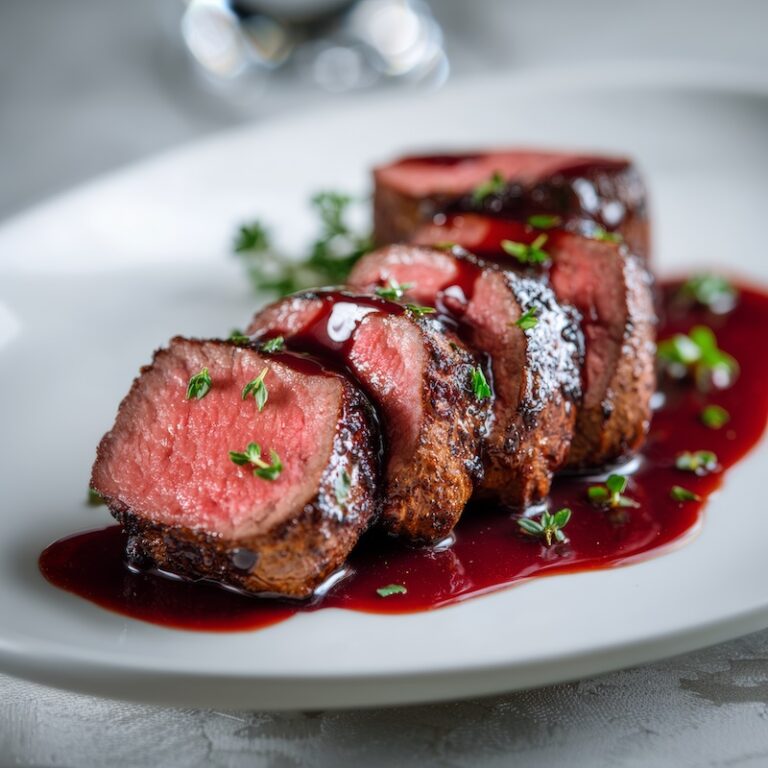
Chateaubriand sauce is a classic French red wine reduction designed to elevate steak into something extraordinary. Built on shallots, wine, stock, and butter, it delivers depth, balance, and a silky finish.

The secret isn’t fancy ingredients—it’s technique. Learn how to reduce, balance, and finish the sauce so it tastes like it came from a professional kitchen, not just your stovetop.

Start Here: Your Sauce Game Plan

  • This is a reduction sauce: You build flavor by slowly reducing wine and stock—not rushing it.
  • Balance matters: You want richness from butter, acidity from wine, and depth from stock.
  • Timing is key: Make the sauce after cooking steak so you can use the pan drippings.
  • Finish gently: Butter goes in at the end—off heat—to create a smooth, glossy texture.

Why This Recipe Works

  • Layered flavor: Shallots, wine, and stock build complexity step by step.
  • Proper reduction: Concentrates flavor without making the sauce heavy.
  • Butter finish: Adds richness and creates a silky, restaurant-style texture.
  • Pan integration: Using steak drippings adds instant depth and authenticity.

Chateaubriand Sauce Recipe

Not Only For Chateaubriand
Prep Time5 minutes
Cook Time15 minutes
Total Time20 minutes
Course: Sauces
Cuisine: French
Keyword: chateaubriand, red wine sauce
Servings: 4 Servings

Equipment

  • Sauce pan

Ingredients

Instructions

Saute the Shallots

  • Heat a small amount of oil or butter in a pan over medium heat.
  • Add finely minced shallots. Cook until soft and fragrant, about 2–3 minutes. Do not brown.

Deglaze with Red Wine

  • Pour in the red wine. Scrape up any browned bits from the pan. Let the wine simmer and reduce by about half.

Add Demi Glace

  • Add demi-glace and simmer until the desired consistency is reached.

Strain (optional)

  • Strain out the shallots for a smoother, more refined sauce.

Finish with Butter

  • Remove the pan from the heat. Whisk in cold butter, one piece at a time, until the sauce is glossy and slightly thickened.

Taste & Adjust

  • Season with salt and pepper. If needed, add a splash of wine or stock to rebalance.

Serve Immediately

  • Spoon over sliced steak while warm and glossy.
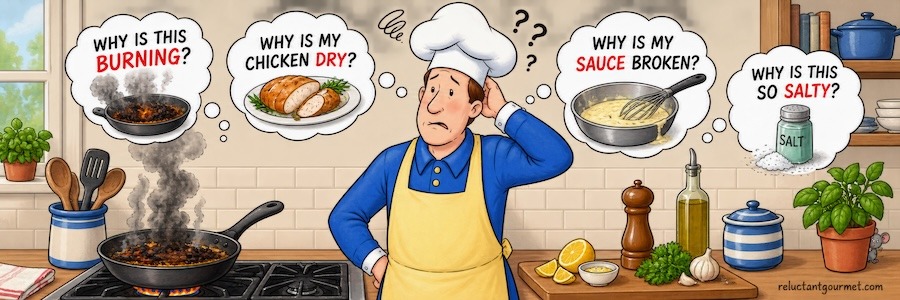
Frustrated cook making common mistakes

What Most Cooks Get Wrong

  • Rushing the reduction: Fast boiling leads to harsh, unbalanced flavors.
  • Too much wine: Overdoing it makes the sauce acidic instead of balanced.
  • Skipping the butter finish: Without it, the sauce tastes thin and flat.
  • Overheating after butter: This breaks the sauce and kills the texture.
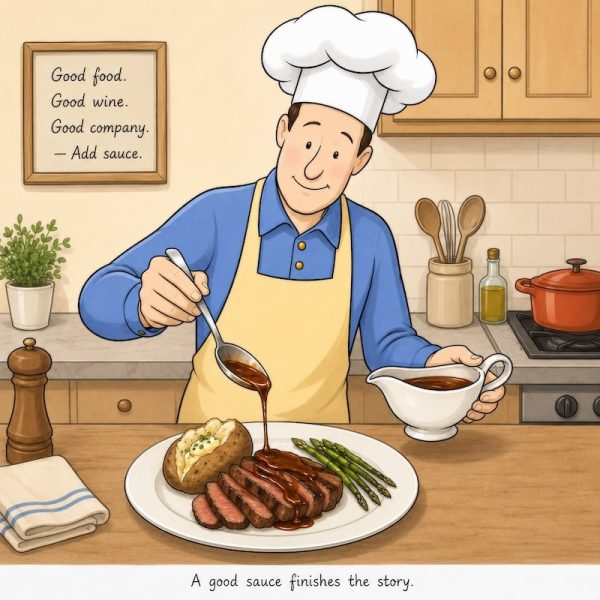
Quick Fixes & Pro Tips

  • Too acidic? Add a small knob of butter or a splash of stock.
  • Too thin? Reduce a bit longer before adding butter.
  • Too thick? Loosen with warm stock or a splash of wine.
  • No pan drippings? Use a high-quality beef stock for depth.

Ideas For Serving Chateaubriand Sauce

Main Dish Description Wine Pairing
Beef Tenderloin The classic choice — tender, juicy cut that perfectly showcases the sauce. Cabernet Sauvignon or Merlot
Filet Mignon A smaller, more delicate beef cut that pairs beautifully with the rich sauce. Pinot Noir or Bordeaux Blend
Duck Breasts Rich and flavorful meat that balances the buttery, tangy sauce. Pinot Noir or Syrah
Grilled Lamb Chops Tender, flavorful lamb complements the depth of the sauce well. Red Burgundy or Cabernet Franc
Venison Medallions Lean game meat with robust flavor that matches the sauce’s richness. Syrah or Malbec
Pan-Seared Pork Tenderloin Mild, tender pork that benefits from the savory complexity of the sauce. Chardonnay or Grenache

Chateaubriand Sauce: A Quick Story Behind the Sauce

Chateaubriand sauce dates back to the early 1800s and is often linked to François-René de Chateaubriand, who served as France’s ambassador to the United States. Known for his refined tastes, he reportedly asked his chef, Marie-Antoine Carême, to create a sauce worthy of a prized cut of beef that would later bear his name.

Early versions relied on reduced beef broth, butter, shallots, herbs such as tarragon, and wine. Over time, chefs evolved the sauce into a richer, more refined preparation using demi-glace, red wine, and a buttery finish—sometimes with a splash of cognac for extra depth.

The sauce has even wandered beyond the kitchen, appearing in stories like Casino Royale and films like Julie & Julia, where classic French cooking takes center stage.

Today, while you won’t find it next to ketchup on a grocery shelf, Chateaubriand sauce still shows up where it belongs—on elegant menus and in home kitchens where cooks want to elevate a great piece of meat into something memorable.

If you want to see it in its natural habitat, try pairing it with a classic Chateaubriand for Two roast—or use it to upgrade any good cut of beef or veal.

Storage & Make-Ahead

Store in the refrigerator for up to 3 days. Reheat gently over low heat—do not boil or the sauce may break. For best results, make the reduction ahead, then reheat and finish with butter just before serving.

FAQ

What is Chateaubriand sauce made of?
Red wine, shallots, beef stock, and butter form the base.

What does Chateaubriand sauce taste like?
Rich, slightly tangy, and deeply savory with a smooth, buttery finish.

Can I make it without alcohol?
Yes. Substitute wine with additional stock plus a splash of balsamic vinegar.

What wine should I use?
Use a dry red wine like Cabernet Sauvignon or Merlot.

Can I make it ahead of time?
Yes. Make the reduction ahead, then reheat and finish with butter.

Why did my sauce break?
You likely overheated it after adding butter.

Can I skip straining?
Yes, but the texture will be more rustic.

Is this the same as bordelaise sauce?
Similar, but bordelaise often includes marrow and herbs for deeper flavor.

Leave a Reply

Your email address will not be published. Required fields are marked *

Recipe Rating


This site uses Akismet to reduce spam. Learn how your comment data is processed.