
Traditional Cranberry Sauce Recipe for Your Thanksgiving Table
Cranberry sauce is a Thanksgiving must-have. Its bright, tart flavor cuts through rich, savory turkey and sides. Every holiday table feels incomplete without it.
Making cranberry sauce from scratch is easier than you think. Forget the canned stuff. Fresh cranberries and a little sugar can transform your meal.
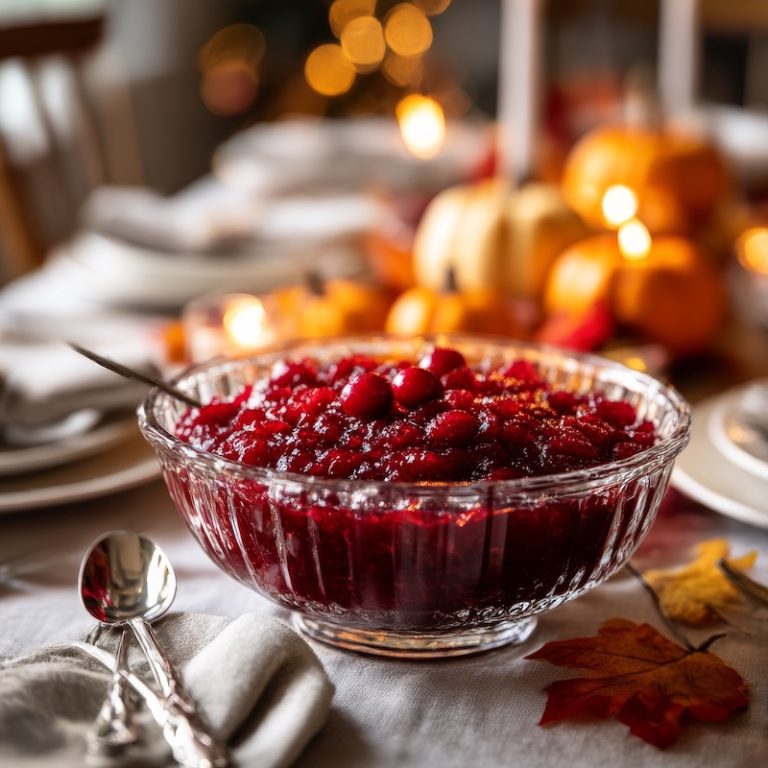
This classic Thanksgiving cranberry sauce recipe is simple, quick, and full of flavor. You only need a few ingredients: fresh cranberries, sugar, water, and optional touches like orange zest or cinnamon. In about 15 minutes, you’ll have a vibrant, glossy sauce that looks as good as it tastes.
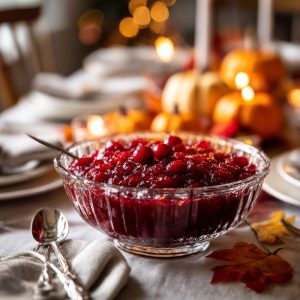
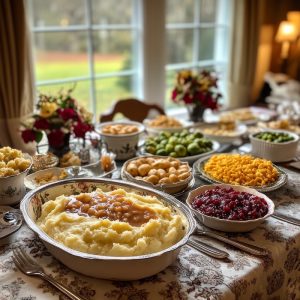
Homemade cranberry sauce is more than a side dish. It’s a centerpiece for your holiday feast. You can prepare it a day ahead, allowing the flavors to meld. Serve it chilled or at room temperature with roasted turkey, stuffing, or mashed potatoes.
Whether you are a seasoned cook or a first-time Thanksgiving host, this cranberry sauce recipe is sure to impress. It’s traditional, easy, and delicious. Your guests will ask for seconds. Homemade cranberry sauce is a simple yet elegant way to elevate your holiday meal and make it truly memorable.
Classic Cranberry Sauce
Equipment
- medium saucepan
Ingredients
- 12 ounces fresh or frozen cranberries
- 1 cup granulated sugar
- 1 cup water
- 1 teaspoon orange zest optional for extra brightness
- ½ teaspoon ground cinnamon optional
Instructions
Rinse Cranberries
- Rinse the cranberries and remove any stems or damaged berries.
Combine Ingredients
- In a medium saucepan, combine water and sugar. Heat over medium heat, stirring occasionally, until the sugar dissolves completely.
Cook Cranberries
- Add the cranberries to the saucepan. Bring to a gentle boil, then reduce the heat to a simmer.
Simmer
- Cook for 10–15 minutes, stirring occasionally. You’ll hear the cranberries pop as they soften.
Add Flavorings
- Stir in orange zest and cinnamon, if using.
Cool
- Remove from heat and let the sauce cool to room temperature. It will thicken as it cools.
Serve
- Transfer to a serving dish. Serve chilled or at room temperature alongside your turkey.
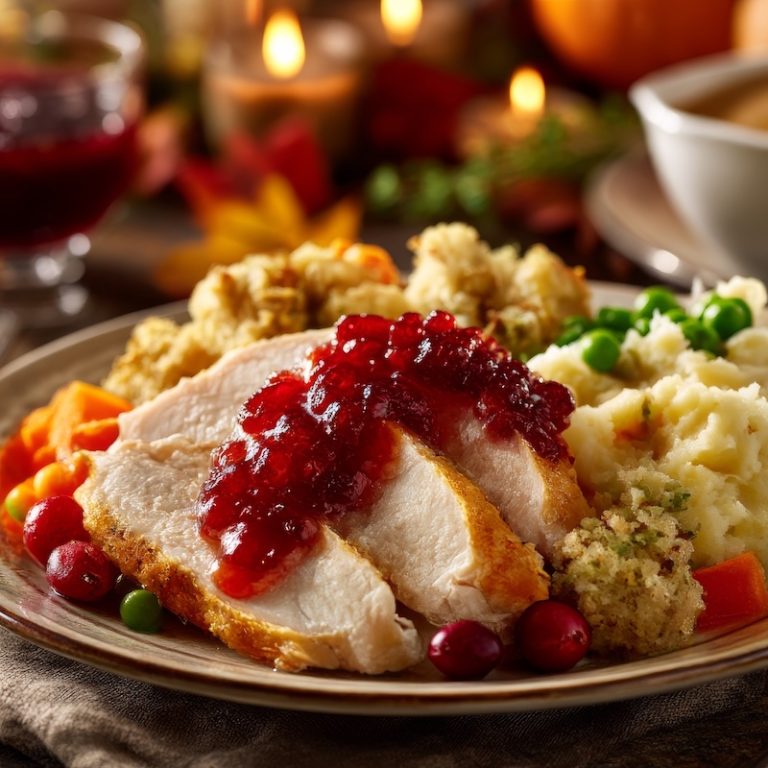
Cranberry Sauce FAQ
Can I make cranberry sauce ahead of time?
Yes! Cranberry sauce can be made 1–2 days in advance. Store it in an airtight container in the fridge. Flavors improve as it sits.
Can I use frozen cranberries?
Absolutely. Frozen cranberries work just as well as fresh. No need to thaw—just add them directly to the saucepan.
How long does homemade cranberry sauce last?
Refrigerated, it lasts up to 2 weeks. You can also freeze it for up to 3 months.
Can I make cranberry sauce without sugar?
Yes, you can use honey, maple syrup, or a sugar substitute. Adjust sweetness to taste.
Can I add extra flavors to cranberry sauce?
Definitely! Orange zest, cinnamon, ginger, or even a splash of port wine adds depth and a festive touch.
Should cranberry sauce be served warm or cold?
Both work. Serve chilled, at room temperature, or slightly warm. It pairs beautifully with turkey either way.
How do I make cranberry sauce smooth instead of chunky?
After cooking, pulse it in a blender or food processor until smooth. For a rustic version, leave the berries whole.
Ingredient Substitutions
| Ingredient | Substitution | Optional Additions / Flavor Enhancements |
|---|---|---|
| Cranberries | Frozen cranberries (use directly, no need to thaw) | Mix with fresh or dried cranberries for texture variation |
| Granulated Sugar | Honey, maple syrup, agave nectar, or coconut sugar | Adjust sweetness to taste; sprinkle a little brown sugar for depth |
| Water | Orange juice, apple juice, or white grape juice | Add 1–2 tablespoons of port, brandy, or red wine for richness |
| Orange Zest | Lemon zest or lime zest | Add a splash of fresh juice for extra brightness |
| Cinnamon | Nutmeg, allspice, or ground ginger | Add a cinnamon stick while simmering for subtle warmth |
| Optional Spices / Flavorings | N/A | Cloves, star anise, vanilla extract, or a pinch of cayenne for a twist |
Cranberry Sauce History
Cranberry sauce, as we know it today, doesn’t have a single inventor. Its origins trace back to Native Americans, who were using cranberries in cooking long before European settlers arrived. They made simple sauces and preserves from cranberries, often mixing them with honey, maple syrup, or nuts.
When the pilgrims arrived in the early 1600s, they adopted these cranberry preparations, sometimes combining them with sugar (once it became available) to create early versions of cranberry sauce.
The first written recipes for something resembling modern cranberry sauce appeared in 18th- and 19th-century American cookbooks, often called “cranberry jelly” or “cranberry conserve.”
The commercial, canned cranberry sauce that many Americans recognize today was popularized in the early 20th century by companies like Ocean Spray, founded in 1930. Canned cranberry sauce made the dish easy to serve and helped cement it as a staple on Thanksgiving tables.
So, while we can’t credit a single person, cranberry sauce is really a blend of Native American tradition and early American ingenuity, later standardized and popularized by commercial production.
Timeline
Cranberry Sauce History Timeline
Before the 1600s – Native American Origins
Native Americans use cranberries in cooking, creating sauces and preserves that often incorporate honey, nuts, and maple syrup. These early preparations are both flavorful and nutritious.
1621 – The First Thanksgiving
Pilgrims learn to use cranberries from Native Americans. Early cranberry dishes are simple, sometimes mixed with sugar when it becomes available.
1700s–1800s – Early Recipes
American cookbooks start to include “cranberry jelly” and “cranberry conserve.” Recipes are often boiled with sugar and served as a side dish.
1900s – Commercial Popularity
Ocean Spray, founded in 1930, began producing canned cranberry sauce. This convenient version makes cranberry sauce a staple on Thanksgiving tables across the U.S.
Today – A Holiday Classic
Cranberry sauce is a must-have for Thanksgiving. Home cooks make it fresh from cranberries, often adding orange, cinnamon, or ginger, keeping the tradition alive while adding modern twists.