Rice should be fluffy, separate, and quietly perfect. Instead, it often turns sticky, soggy, or uneven. The good news: most rice problems come down to a handful of simple habits. These quick, practical tips cut through the guesswork so you can get consistent, reliable results every time. No deep dives, just the moves that turn “meh” rice into a dependable side.
Rinsing removes excess surface starch that causes clumping and gumminess. Swirl with cold water, drain, and repeat until the water looks mostly clear.
Too much water = mush. Too little = hard centers. Start with a reliable baseline (often 1:1.5 to 1:2, depending on the rice) and adjust for your brand and pot.
Eyeballing works… until it doesn’t. Use a measuring cup for both rice and water so you can repeat what works.
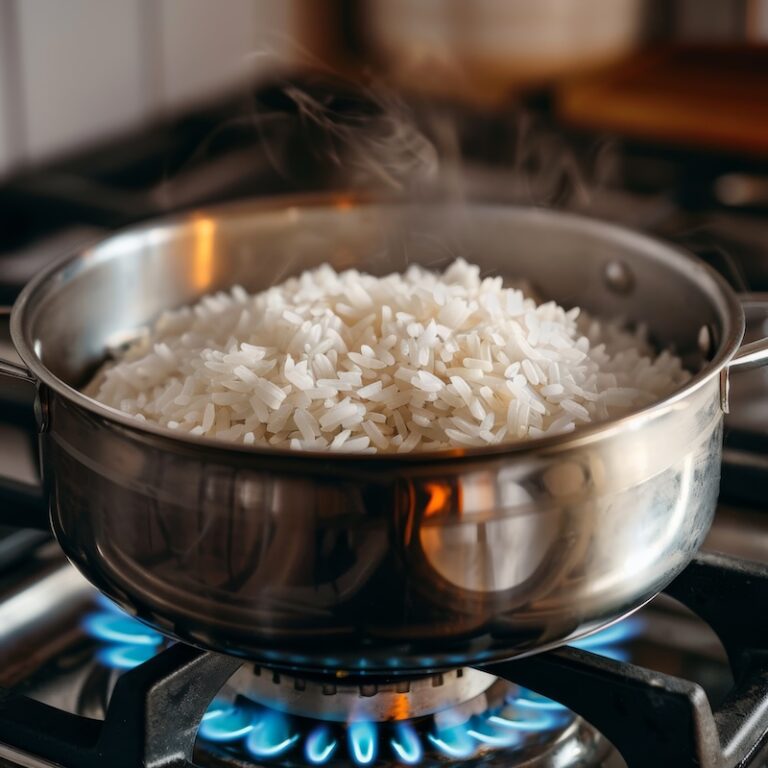
Once it boils, reduce to low and cover. A gentle simmer cooks evenly; a rolling boil breaks grains and turns them to mush.
Lifting the lid releases steam and throws off timing. Trust the process and resist the peek.
Steam is your cooking engine. A loose lid lets steam escape, leading to uneven or undercooked rice.
Turn off the heat and let it sit, covered, for 5–10 minutes. This allows moisture to redistribute so grains finish evenly.
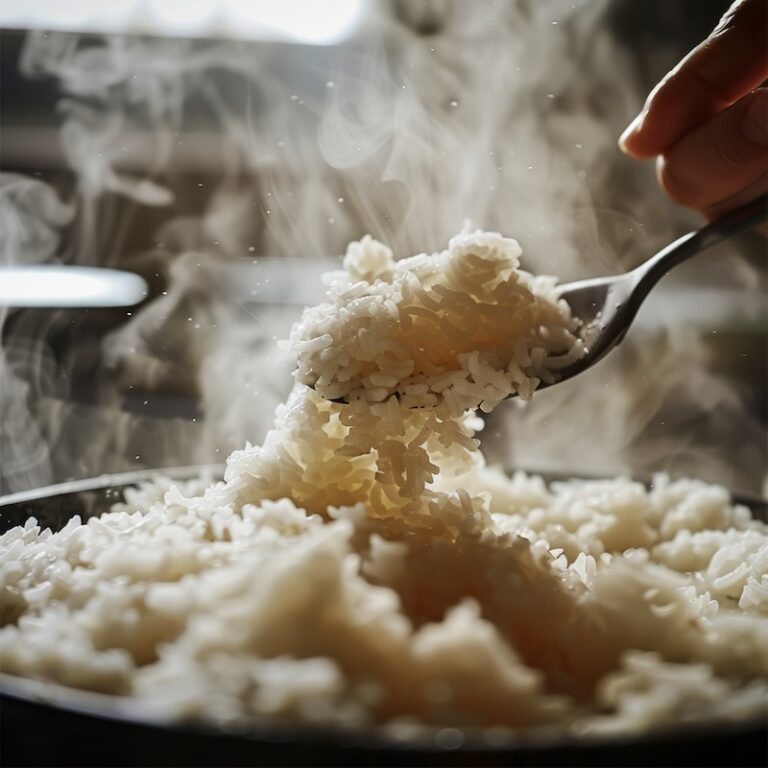
A fork separates grains gently. A spoon presses and compacts, making rice gummy.
Stirring releases starch and breaks grains. Once it’s covered and simmering, hands off.
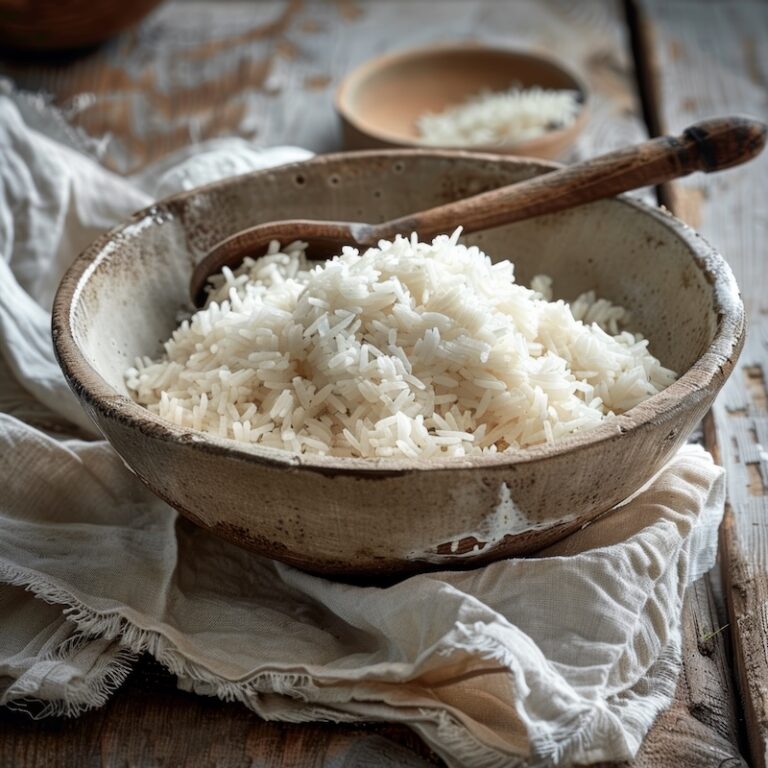
Long-grain (like basmati) cooks up drier and separate; short-grain is naturally stickier. Pick the texture you want before you start.
If your rice leans soft, reduce water by a tablespoon or two next time. Small tweaks make a big difference.
Dump it onto a sheet pan to release steam quickly. This helps stop the overcooking and can salvage texture.
Add 1–2 tablespoons of water, cover, and cook on low for a few more minutes to finish gently.
Too much heat causes scorching before the top finishes. Keep it low and steady after the initial boil
Salt the cooking water so the flavor gets into the grains, not just on top after cooking.
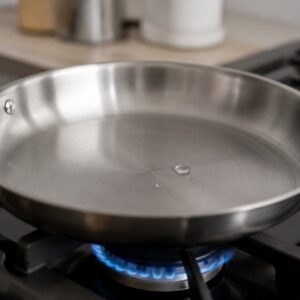
Too large and water evaporates too fast; too small and it overflows. A medium saucepan works for most batches.
Measured water, covered pot, low simmer. It’s simple and repeatable—perfect for everyday cooking.
If you make rice often, a cooker delivers consistent results with minimal effort.
Master these tips and rice becomes predictable instead of frustrating. Once you dial in your ratio, pot, and timing, you’ll get fluffy, reliable rice on autopilot.
Why is my rice mushy?
Mushy rice usually means too much water or overcooking. Excess liquid breaks down the grains and releases starch, creating a soft, sticky texture. Next time, use slightly less water and keep the heat low once it starts simmering. Letting the rice rest after cooking also helps firm it up.
How do I fix mushy rice?
Spread the rice out on a baking sheet to release steam and stop the cooking process. This helps dry it out and improve texture. You can also return it to low heat for a few minutes, uncovered, to evaporate excess moisture.
What is the best rice-to-water ratio?
A good starting point is:
White rice: 1 cup rice to 1.5–2 cups water
Brown rice: 1 cup rice to 2–2.5 cups water
.Adjust slightly based on your stove and pot for consistent results.