“With enough butter, anything is good.”
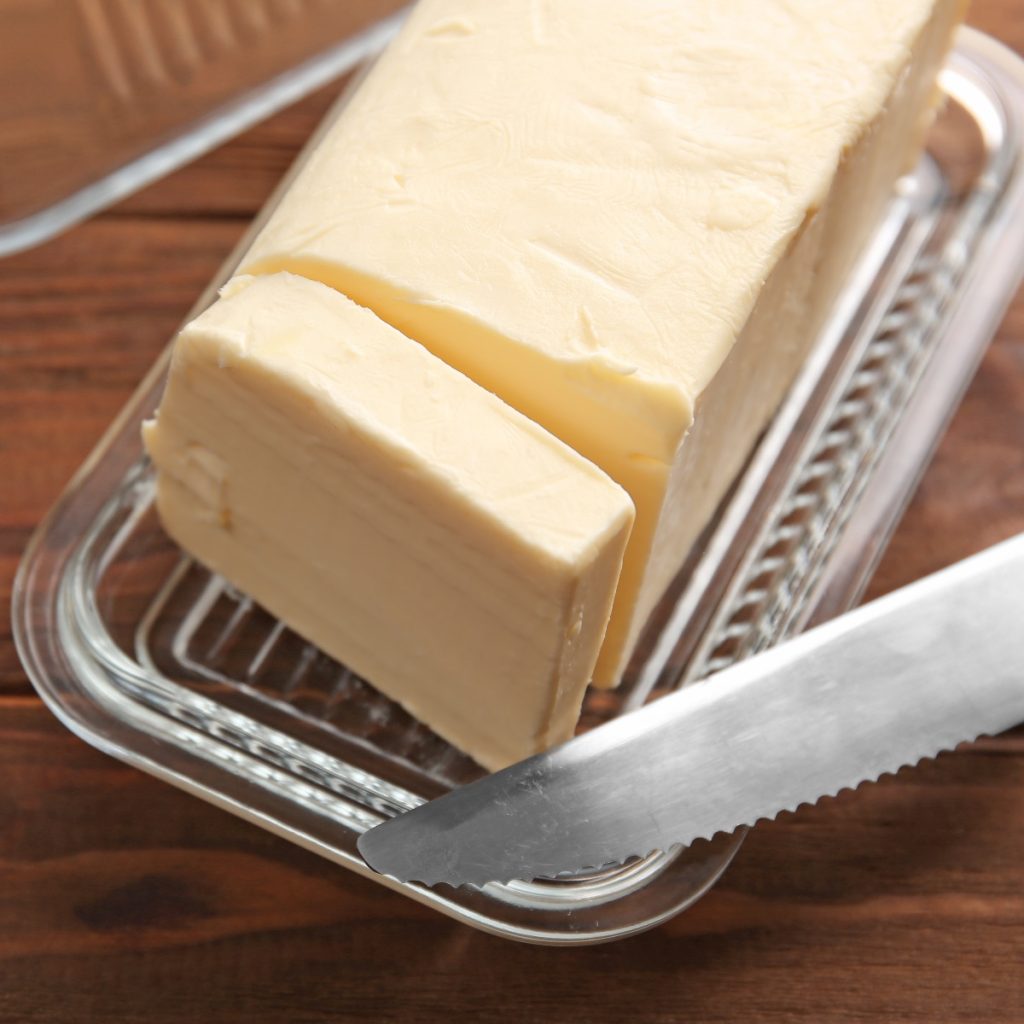
Butter is one of those kitchen essentials everyone loves. It adds rich flavor and a silky texture to so many dishes. Whether you’re spreading it on toast, melting it in a pan, or baking it into cookies, butter makes food better.
But butter isn’t just tasty—it’s versatile. You can use it for cooking, baking, and even finishing sauces. It’s easy to work with and gives dishes a smooth, creamy feel that’s hard to beat.
Not all butters are the same, though. There are different types, like salted, unsalted, cultured, and even European-style. Each one brings something unique to the table. Knowing which kind to use can make a big difference in your cooking.
In this post, we’ll dive into everything you need to know about butter. I’ll share tips on picking the right butter, how to store it, and some smart ways to use it in the kitchen. Plus, I’ll bust a few myths you might have heard about butter and health.
So if you want to make your dishes tastier and your cooking easier, let’s talk butter. It’s more than just a spread—it’s a game changer in the kitchen!
Various Types of Butter
Many different types of butter are available, each with its unique characteristics and uses. Here are some examples of different types of butter:
| Type of Butter | Description | Best Uses |
|---|---|---|
| Clarified Butter (Ghee) | Butter cooked to remove water and milk solids, leaving pure butterfat. | Best for high-heat cooking like frying or sautéing due to its high smoke point. |
| Cultured Butter | Butter made from fermented cream, giving it a tangy, rich flavor. | Perfect for spreading on bread and finishing sauces or dishes for added complexity. |
| Flavored Butter | Butter mixed with herbs, spices, or other flavorings to enhance taste. | Great as a finishing touch on grilled meats, vegetables, or bread. |
| Grass-Fed Butter | Butter made from milk of cows fed primarily on grass, often richer in nutrients and flavor. | Excellent for cooking, baking, and spreading when you want a fresh, natural taste. |
| Salted Butter | Butter with added salt to enhance flavor and increase shelf life. | Great for spreading on bread, cooking, and general use where seasoning is desired. |
| Unsalted Butter | Pure butter without added salt, offering a clean, fresh taste. | Ideal for baking and recipes where precise salt control is important. |
| Vegan Butter | Plant-based butter alternatives made from oils like coconut, olive, or avocado. | Perfect for dairy-free cooking, baking, and spreading. |
| Whipped Butter | Butter that has been whipped with air to make it lighter and easier to spread. | Great for spreading on bread or toast but less ideal for baking due to added air. |
| European-Style Butter | Contains higher butterfat (82-85%) and often cultured, yielding a creamier texture and deeper flavor. | Excellent for baking, cooking, and gourmet dishes requiring rich butter flavor. |
Culinary Uses
Butter is an incredibly versatile ingredient that can be used in many ways in the kitchen. Here are just a few of its many culinary uses:
| Butter Use | Description |
|---|---|
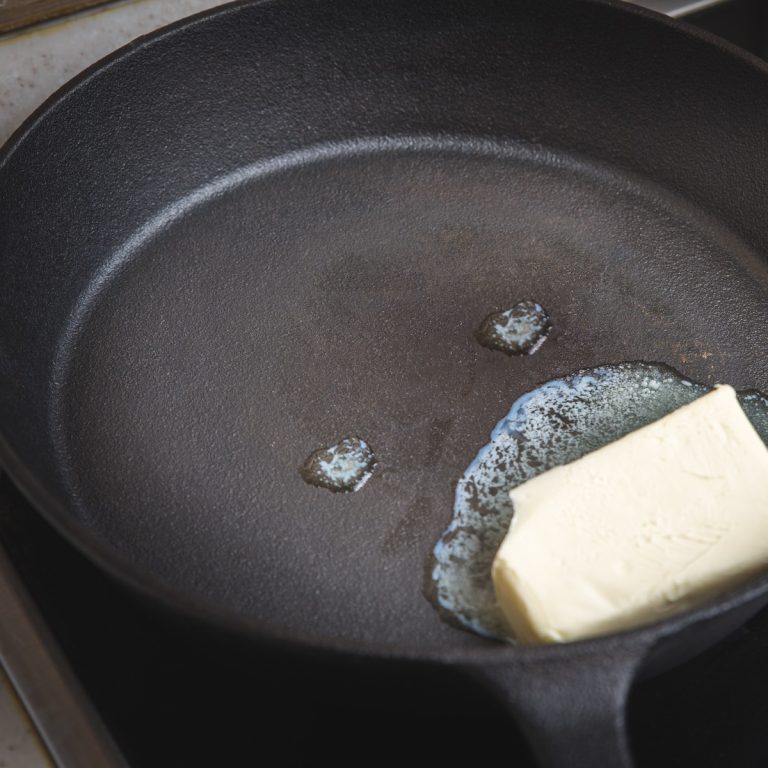
| Sautéing | Butter is melted in a pan to cook vegetables, meats, or seafood, adding rich flavor and a silky texture. |
| Baking | Butter provides moisture, tenderness, and flavor in baked goods like cakes, cookies, and pastries. |
| Spreading | Used cold or softened, butter is spread on bread, toast, or crackers to enhance taste and texture. |
| Finishing | Butter is added at the end of cooking to enrich sauces, vegetables, or meats, creating a glossy, smooth finish. |
| Clarifying | Butter is gently heated to remove milk solids and water, creating clarified butter (ghee) for high-heat cooking. |
| Emulsifying | Butter is used to create creamy emulsions like hollandaise or beurre blanc sauces, combining fat with liquids. |
| Roasting | Butter is spread on meats or vegetables before roasting to add flavor and help achieve a golden crust. |
| Caramelizing | Butter helps in browning sugars and ingredients, adding depth of flavor and color to dishes like caramel sauces. |
How Butter is Made
Butter starts with fresh cream, which is the fatty part of milk. Farmers separate cream from milk using a machine called a centrifuge or by letting the milk sit so the cream rises to the top.
To make butter, the cream is churned. Churning means stirring or shaking the cream vigorously. This process breaks down the fat molecules, causing them to clump together and separate from the liquid, called buttermilk.
As the fat clumps grow, they form solid butter. Once the butter separates fully, it is collected and washed to remove any remaining buttermilk. Washing helps the butter last longer.
After washing, the butter is sometimes salted to add flavor and preserve it. Finally, the butter is shaped into blocks or tubs and chilled to keep it fresh.
This simple process transforms cream into creamy, delicious butter that you can spread, cook with, or bake. It’s a natural way to turn milk’s rich fats into a tasty kitchen staple.
Which came first, butter or cheese?
The exact timeline of the butter and cheese development is still being determined, as both products have been made and consumed for thousands of years. However, it is believed that both butter and cheese were accidentally discovered by storing and fermenting milk.
However, it is generally accepted that cheese was likely developed before butter. This is because cheese-making involves a more complex process of separating the curds from the whey and then pressing, aging, and flavoring the cheese. On the other hand, butter-making is a more straightforward process of churning cream or milk until the fat separates from the liquid.
Cheese has been produced for at least 7,000 years, while the earliest evidence of butter-making dates back to around 2,000 BC in ancient Sumeria.
Nutritional Content of Butter
Butter is a rich source of fat and calories, with approximately 100 calories and 11 grams of fat per tablespoon. It also contains small amounts of vitamins A and D and trace amounts of other nutrients.
While butter is high in saturated fat, often associated with adverse health effects, recent studies have suggested that moderate butter consumption may not be harmful and could even have some health benefits.
History of Butter
Butter has a long, rich history that dates back thousands of years. People first started making butter by accident when they carried milk in animal skin bags.
The constant movement churned the milk, separating the fat and creating butter. Early evidence shows butter was made as far back as 2000 BC in ancient Mesopotamia.
The credit for making butter from cow’s milk goes to early herders and farmers in regions like the Middle East and Europe. These early societies learned to milk cows and develop simple churning methods to turn the milk fat into butter. Over time, butter became an important food staple in many cultures.
In ancient Rome, butter was used mainly as a medicine rather than a food. The Romans preferred olive oil for cooking.
But in Northern Europe, especially among Celtic and Germanic tribes, butter gained popularity as a key ingredient. These groups refined the churning process and began to produce butter more consistently.
By the Middle Ages, butter had become common in European kitchens. It spread with settlers to other parts of the world, including North America. Today, butter remains a beloved dairy product, connecting us to thousands of years of culinary tradition and farming innovation.
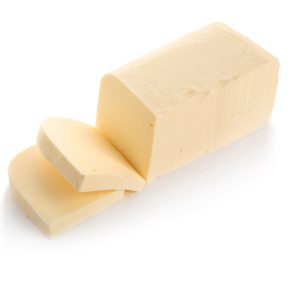
What makes one butter better than another?
When it comes to determining what makes one butter better than another, it often comes down to personal preference and intended use. However, there are a few factors that can contribute to the quality and characteristics of butter:
- Fat content: Butter with a higher fat content typically has a richer flavor and creamier texture. European-style butter, for example, often has a higher fat content than American-style butter.
- Freshness: Fresh butter will have a sweeter flavor and smoother texture than butter that has been sitting on the shelf for a long time. To maintain its freshness, it is essential to check the expiration date on the package and store the butter properly.
- Source of milk: The source of the milk used to make the butter can affect its flavor and quality. Butter made from milk from grass-fed cows is often considered to be of higher quality and has a more complex flavor profile.
- Culturing: Cultured butter, made by adding live bacteria to the cream, has a slightly tangy flavor and a creamier texture than regular butter.
- Processing: The processing methods used to make the butter can affect its quality. Butter churned for a more extended period will have a thicker texture and a richer flavor, while butter that has been over-processed may have a greasy or oily texture.
Ultimately, what makes one butter better than another will depend on individual taste and intended use. Some people may prefer the rich flavor and creamier texture of European-style butter, while others may prefer the tangy flavor of cultured butter. It is essential to experiment with different types of butter and find the one that best suits your needs and tastes.
Does it have to be refrigerated?
Butter can be stored at room temperature, but whether or not it needs to be refrigerated depends on a few factors:
- Freshness: If the butter is fresh and will be consumed quickly, it can be stored at room temperature for up to a few days. However, if the butter will not be used within a few days, storing it in the refrigerator is best to maintain its freshness.
- Climate: In warmer climates, butter is more likely to spoil quickly when stored at room temperature, so it is best to refrigerate it.
- Packaging: Some types of butter, such as salted or in airtight packaging, can be stored at room temperature without spoiling. However, unsalted butter or butter in open packaging should be stored in the refrigerator.
Ultimately, whether or not to refrigerate butter is a personal choice. If you prefer to have your butter at room temperature for spreading, leave it out for short periods, but store it in the refrigerator between uses. Likewise, storing your butter in the refrigerator is best if you live in a warm climate or are concerned about freshness.
Five Fun Facts
- Sculptures: Butter has been used for sculpting for centuries and is a popular material for making sculptures at state fairs and other events. Butter sculptures can range from simple shapes to elaborate designs and are often made to depict famous people, animals, or landmarks.
- Coffee: In some cultures, people drink coffee mixed with butter and other ingredients as a breakfast drink. This drink is said to provide energy and improve cognitive function and has gained popularity in recent years as a part of the “bulletproof coffee” trend.
- Lamps: In Tibetan Buddhism, butter lamps are used as a symbol of enlightenment and wisdom. These lamps are made by melting butter and adding a wick and are traditionally used to light temples and shrines.
- Packaging: The first butter packaging was made from sheepskin or cow’s stomach and was used to keep the butter fresh during long journeys. Today, butter is packaged in foil, paper wrappers, or plastic tubs.
- Butterflies: The word “butterfly” comes from the Old English word “buterfleoge,” which means “butter-fly”. This name may have originated from the yellow color of some butterfly species, similar to butter’s color. Another theory is that the name refers to the belief that butterflies were thought to steal butter from churns in the past.
Is One Cow’s Milk Better Than Another?
The quality and flavor of butter can be influenced by various factors, including the breed of cow that produced the milk. However, the “best” type of cow for producing butter can vary depending on personal preference and the specific requirements of the butter-making process.
In general, cows that produce high-fat milk with a good balance of protein and other nutrients are desirable for making butter. Some breeds of cows that are known for producing high-quality milk for butter making include:
| Cow Breed | Country of Origin | Milk Quality |
|---|---|---|
| Holstein | Netherlands | High volume milk producer with moderate butterfat (~3.5%) and protein content; widely used in commercial dairy farming. |
| Jersey | Channel Islands (Jersey) | Milk is rich in butterfat (~5%) and protein, making it ideal for cream, butter, and cheese production. |
| Guernsey | Channel Islands (Guernsey) | Produces milk with high beta-carotene content, giving it a golden color and rich butterfat (~4.5%). |
| Ayrshire | Scotland | Produces high-quality milk with balanced butterfat (~4%) and protein, good for cheese and butter. |
| Brown Swiss | Switzerland | Milk has high protein and butterfat (~4%), favored for cheese-making due to good flavor and consistency. |
| Milking Shorthorn | England | Versatile milk with moderate butterfat (~3.8%) and good protein levels, suitable for various dairy products. |
| Normande | France | Produces rich milk with high butterfat (~4.5%) and protein, excellent for cheese production. |
Goat & Lamb’s Milk Butter
Yes, it is possible to make butter from goat or sheep milk. However, a few differences exist between making butter from cow’s milk and goat or sheep’s milk.
Goat and sheep milk has a higher proportion of smaller fat globules than cow’s milk, making churning milk into butter more challenging. This means it can take longer to churn the milk, and more effort may be required to obtain the desired butter consistency.
In addition, the flavor and texture of butter made from goat or sheep milk may differ from cow’s milk. Goat’s milk butter, for example, can have a tangy, slightly salty flavor that is distinct from cow’s milk butter.
Despite these differences, many people enjoy making butter from goat or sheep milk for its unique flavor and nutritional benefits. However, it is important to note that goat and sheep milk yield less butterfat than cow’s milk, so more milk may be required to make the same amount of butter.