
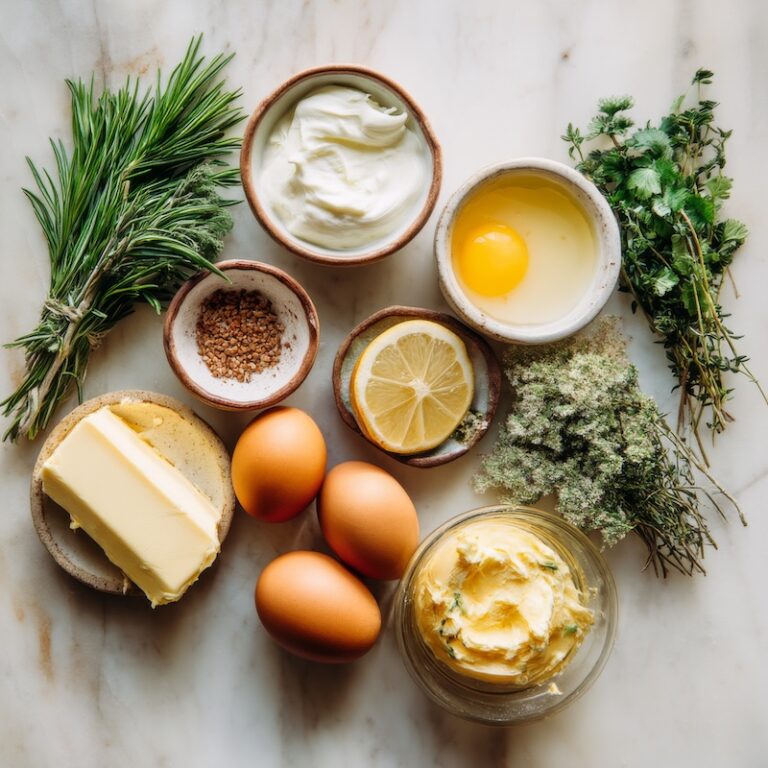


A Supper Helpful Ingredient Substitution Chart
We’ve all been there — you’re halfway through a recipe and realize you’re out of buttermilk, or a guest mentions they can’t eat dairy, or you just don’t want to make a special trip to the store for one ingredient. That’s exactly what this page is for.
Below you’ll find a collection of the most useful cooking and baking ingredient substitutions I’ve come across over the years. Some are classic swaps home cooks have relied on forever. Others I’ve discovered out of necessity — necessity being the mother of invention in the kitchen.
A few things to keep in mind: substitutions won’t always produce an identical result. The flavor, texture, or appearance might shift slightly. But in most cases, the dish will still work — and sometimes you’ll like the substitution even better.
0 substitutions
| Ingredient | Category | Substitute | Ratio / Notes |
|---|
No substitutions found. Try a different search or filter.
Why Substitute Ingredients?
The most obvious reason is the one above. You don’t have a particular ingredient, and you don’t feel like running out to the store to get it.
Another may be food allergies. You may be allergic to an ingredient in a recipe and need to find a suitable replacement. For example, if you are allergic to milk, you could try substituting coconut milk. Instead of peanuts, how about almonds or cashews?
Then there are dietary restrictions. I am trying to cut down on foods high in cholesterol after my heart surgery, so I sometimes substitute egg whites for whole eggs in my morning omelets. Or I substitute fat-free milk for whole milk or cream in my coffee.
Then there’s taste. Many of my favorite Italian recipes call for prosciutto or pancetta to enhance the dish’s flavor. Yes, it does taste better, but I don’t often have prosciutto or pancetta in my refrigerator, but I usually have some bacon.
So not only are there a lot of great food ingredient substitutions, there are also many reasons for trying them.
Ingredient Substitution FAQs
What is a cooking ingredient substitution?
A cooking ingredient substitution is simply swapping one ingredient in a recipe for another that performs a similar role. Substitutions come in handy when you’re out of something, cooking for someone with a food allergy or dietary restriction, or trying to lighten up a dish. With the right swap, most recipes turn out just as good — sometimes even better.
Are baking substitutions different from cooking substitutions?
Yes, and it’s worth understanding why. Baking is more precise than everyday cooking because ingredients like eggs, flour, and leaveners serve specific chemical functions — they affect structure, rise, and texture. A wrong swap in baking can mean a flat cake or dense bread. In cooking, substitutions are generally more forgiving because you have more room to adjust flavors as you go.
Will a substitution always taste exactly the same?
Not always, and that’s okay. A good substitution will produce a dish that works — but the flavor, texture, or appearance may shift slightly. Using Greek yogurt instead of sour cream will taste a little tangier. Turkey bacon instead of regular bacon will be leaner and less smoky. The goal of a substitution is to keep cooking, not to produce a perfect replica.
How do I know how much of a substitute to use?
Most substitutions use equal amounts unless otherwise noted — if a recipe calls for 1 cup of buttermilk, you use 1 cup of your substitute. When the ratio is different, such as with eggs or leavening agents, the specific amount is listed in the table above. When in doubt, start with a little less than you think you need and taste as you go.
More FAQs
What can I substitute for buttermilk?
Two easy options. Add 1 tablespoon of lemon juice to a measuring cup, then fill it to the 1-cup line with regular milk and let it sit for 5 minutes. Or do the same thing with 1 tablespoon of white vinegar. Either method creates a quick homemade buttermilk that works well in pancakes, biscuits, cakes, and quick breads.
What can I substitute for heavy cream?
For soups, sauces, and savory dishes, combine ¾ cup of whole milk with â…“ cup of melted butter — this gets the fat content close to heavy cream. Evaporated milk also works in equal amounts for a slightly lighter result. Neither substitute will whip, so if your recipe specifically calls for whipped cream, you’ll need the real thing.
What can I substitute for sour cream?
Plain Greek yogurt is the closest and most reliable swap — use it in equal amounts. It’s tangier and lower in fat, but works well in dips, dressings, tacos, and baked goods. Full-fat Greek yogurt gives the richest result and the most similar texture to sour cream.
What can I substitute for milk in a recipe?
Any dairy-free milk works in equal amounts. Oat milk is the most neutral option and closest to whole milk in texture, making it the best all-purpose choice. Almond milk is slightly thinner and soy milk has a bit more protein. For sauces and baked goods, any of these will work fine.
What can I substitute for butter in baking?
Vegetable shortening works cup for cup and is the most neutral option. For a lighter result, unsweetened applesauce or mashed banana can replace butter in equal amounts in muffins and quick breads, though the result will be slightly denser and moister. Coconut oil is another solid option — use equal amounts, keeping in mind it adds a subtle coconut flavor.
What can I substitute for eggs in baking?
It depends on what the egg is doing. For binding (holding ingredients together), use ¼ cup of unsweetened applesauce or mashed banana per egg. For a more neutral option, mix 1 tablespoon of ground flaxseed with 3 tablespoons of water per egg and let it sit for 5 minutes until it gels. For leavening (helping things rise), 3 tablespoons of aquafaba — the liquid from a can of chickpeas — works surprisingly well in lighter batters and meringues.
What is the best vegan egg substitute for baking?
A flaxseed egg (1 tablespoon ground flaxseed + 3 tablespoons water, rested 5 minutes) is reliable for binding in most baked goods. Aquafaba is the best choice when you need something that whips — it’s especially impressive in meringues, mousses, and light cakes. Applesauce works as a simple, neutral substitute in muffins and quick breads when you just need something to hold things together.
Can I substitute baking soda for baking powder?
Yes, but not in equal amounts — baking soda is about three times stronger. Use â…“ teaspoon of baking soda for every 1 teaspoon of baking powder called for. You’ll also need to add an acid to the recipe, such as lemon juice, buttermilk, or vinegar, to activate the baking soda. Without that acid, your baked goods won’t rise properly.
Can I substitute baking powder for baking soda?
Yes — use 3 teaspoons of baking powder for every 1 teaspoon of baking soda. Since baking powder already contains salt, you may want to slightly reduce any added salt in the recipe. Results will be close but not identical — baking soda tends to produce a slightly chewier texture and more browning than baking powder.
What can I substitute for brown sugar?
Make your own in about two minutes: combine 1 cup of white granulated sugar with 1 tablespoon of molasses and mix well — that’s light brown sugar. For dark brown sugar, use 2 tablespoons of molasses per cup. Homemade brown sugar works just as well as store-bought and keeps indefinitely in an airtight container.
What can I substitute for honey?
Maple syrup or agave nectar both work in equal amounts. Maple syrup adds its own character, which works beautifully in baked goods, glazes, and dressings. Agave nectar is more neutral and slightly sweeter than honey, so you may want to use just a touch less when making the swap.
What can I substitute for fresh garlic?
Garlic powder is the easiest swap — use â…› teaspoon per fresh clove called for. It’s more concentrated, so a little goes a long way. If you’re cooking for someone who avoids alliums entirely (onions, garlic, leeks), asafoetida — also called hing — is a spice widely used in Indian cooking that mimics the savory depth of garlic surprisingly well. Use just a small pinch.
What can I substitute for soy sauce?
Worcestershire sauce diluted with a little water is the most common swap — use ¼ cup of Worcestershire sauce plus 1 tablespoon of water in place of ¼ cup of soy sauce. Note that Worcestershire contains anchovies, so it’s not suitable for vegetarians. Coconut aminos is an excellent gluten-free and soy-free alternative with a slightly sweeter, milder flavor that works well in most recipes.
What can I use instead of wine in cooking?
For white wine, use an equal amount of chicken broth plus 1 teaspoon of white wine vinegar per cup — the vinegar adds the acidity that wine brings to a dish. For red wine, substitute beef broth with 1 teaspoon of red wine vinegar per cup. The depth of flavor will differ slightly, but the dish will still work well in braises, pan sauces, and risottos.
What can I substitute for chicken broth?
One bouillon cube dissolved in 1 cup of hot water gives you 1 cup of broth in a pinch. Bouillon tends to be saltier than carton broth, so taste before adding any additional salt to your dish. Vegetable broth works well as a neutral, vegetarian-friendly alternative in most recipes that call for chicken broth.
What can I use instead of lemon juice?
Lime juice is the closest substitute — same level of acidity, similar brightness, and you can use it in equal amounts. White wine vinegar also works in equal amounts when you need acidity but not necessarily citrus flavor. In baking, where lemon juice is often used to activate baking soda or add tang, either lime juice or plain white vinegar will do the job.
3 Responses
Hi, there is a Indian spiritual diet, called Satvik, the followers are not allowed to eat any onions, garlic, leeks or chives. Their recipes use asafoetida, also called hing, as substitutes for all those things. My sister has gerd and can’t eat them so I use it. It’s a very good swap. Thanks for the fantastic charts
Hi Deena, thanks for this information. Very interesting and I would like to try asafoetida sometime.
Thank you so much for all your conversion charts!! These will be enormously helpful for a busy working mom & farmer. I never have enough time in the day to do everything, so your time spent researching is incredibly meaningful to me. Thank you again!!