

Cooking Oil and Fat Smoke Points: The Complete Guide
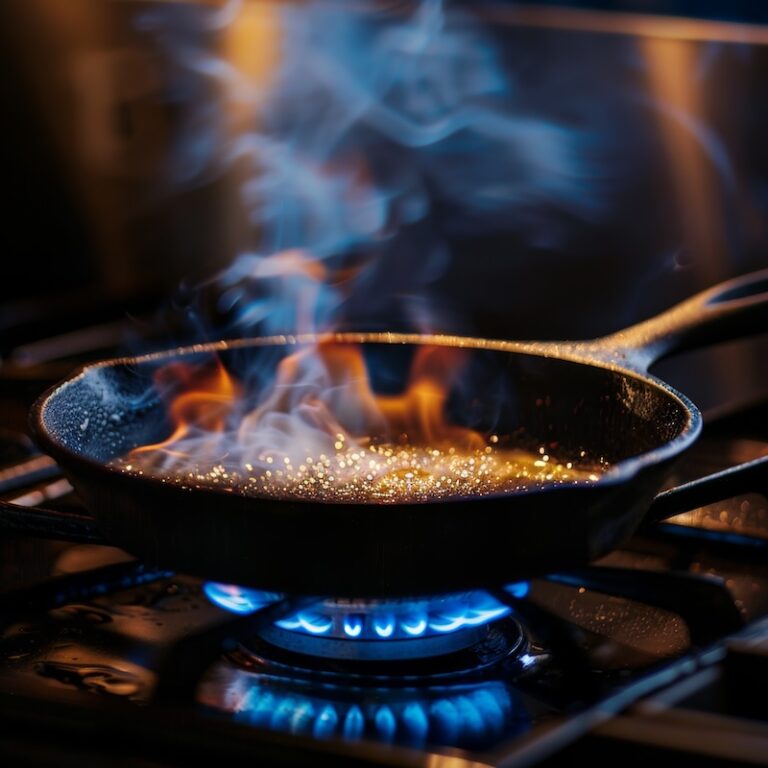
The smoke point of a cooking oil is the temperature at which it stops shimmering and starts smoking — and once that happens, the oil breaks down, releases bitter compounds, and can affect both the flavor of your food and your kitchen air quality. Choosing the right oil for the right heat level is one of the most practical skills a home cook can develop.
The key distinction most guides skip: the same oil can have a smoke point that varies by 100°F or more depending on whether it’s refined or unrefined. Refined avocado oil handles 520°F. Unrefined avocado oil tops out around 375°F. That difference matters enormously when you’re searing a steak or deep frying chicken.
Use the Oil Finder above to get instant recommendations for your cooking method — deep frying, searing, sauteing, roasting, dressings, or finishing. Or search the full smoke point chart below to look up any specific oil, filter by heat level, flavor profile, or health focus, and print just the oils you need.
Smart Tips for Cooking with Oils
Quick takeaway: Match the oil to the heat and the flavor. High heat needs stability. Finishing needs character.
| Topic | What to Do | Why It Matters |
|---|---|---|
| Refined oils | Use canola, vegetable, or sunflower for frying, sautéing, and high-heat cooking. | Higher smoke points and neutral flavor reduce burning and keep the dish balanced. |
| Unrefined oils | Use extra virgin olive oil, sesame, or walnut oil for dressings, drizzling, or low heat. | They retain natural flavor and nutrients that enhance taste and nutrition. |
| Smoke point awareness | Check the smoke point before cooking, especially for frying or searing. | Exceeding it creates off flavors and unwanted compounds. |
| Flavor pairing | Match oil to the dish: neutral for subtle dishes, flavorful oils for finishing. | Keeps flavors balanced instead of overpowering the dish. |
| Storage | Store oils in a cool, dark place; keep unrefined oils tightly sealed. | Prevents oxidation, rancidity, and flavor loss. |
| Health balance | Use both refined and unrefined oils depending on the cooking method. | Combines heat stability with nutritional benefits. |
| Experimentation | Try different oils in small amounts to learn their flavor and behavior. | Builds intuition so you choose the right oil without guessing. |
| Oil / Fat | Smoke Point (F) | Smoke Point (C) | Refined? | Flavor | Health | Best For | Notes |
|---|
Differences Between Refined and Unrefined Cooking Oils
Understanding the differences between refined and non-refined oils is essential because it directly affects both cooking outcomes and health. Refined oils have been processed to remove impurities, flavor, and color, which gives them a higher smoke point, making them ideal for high-heat cooking like frying or sautéing.
Non-refined oils, on the other hand, retain more of their natural flavor, nutrients, and antioxidants but often have lower smoke points, meaning they are better suited for dressings, drizzling, or low-heat cooking. Knowing these differences helps home cooks choose the right oil for each recipe, ensuring optimal taste, texture, and nutritional value while avoiding the risks of overheating delicate oils.
Additionally, understanding oil types allows cooks to experiment confidently, enhance flavors, and make healthier choices in everyday cooking. This knowledge transforms a basic recipe into a well-executed dish that balances performance and wellness.
Refined vs. Unrefined Oils
Quick take: Refined oils handle high heat with a neutral flavor. Unrefined oils bring more flavor and nutrients but prefer gentler heat.
| Category | Refined Oils | Unrefined Oils |
|---|---|---|
| Processing | Further processed to remove impurities, odors, and flavors through filtering, bleaching, and deodorizing. | Minimally processed, typically cold-pressed or expeller-pressed, preserving natural characteristics. |
| Flavor | Neutral and consistent, making them versatile across many cooking methods. | Distinct and expressive, from fruity olive notes to nutty sesame flavors. |
| Smoke point | Higher, well-suited for frying, sautéing, and searing. | Lower, better for gentle cooking or finishing dishes. |
| Nutrition | Some nutrients reduced during processing. | More vitamins, antioxidants, and beneficial compounds retained. |