Fresh or dried spices—does it really matter? Absolutely. Using the wrong form can throw off flavor intensity, aroma, and balance in your recipes. This guide helps you convert and substitute with confidence, ensuring every dish tastes as intended. Master these conversions and elevate your cooking from good to unforgettable.
How To Convert Fresh Spices to Ground Spices
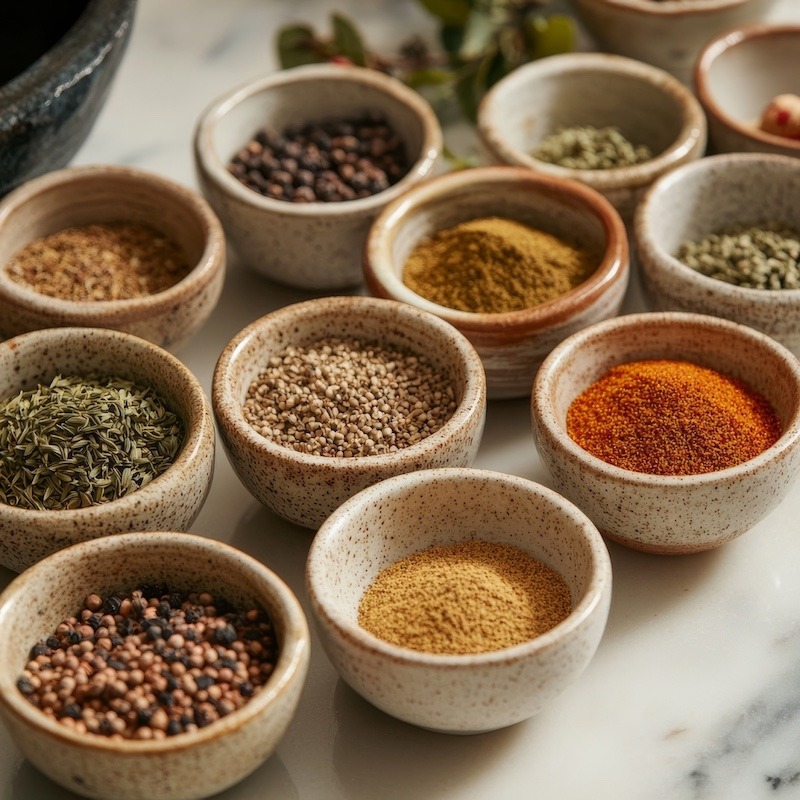
Every home cook should master converting fresh spices to their ground counterparts. Fresh spices, such as whole nutmeg, cinnamon sticks, or cardamom pods, offer intense flavors but may require extra preparation before use.
Ground spices, on the other hand, are convenient and blend seamlessly into recipes. Understanding the proper conversions ensures that dishes maintain their intended flavor profiles without being overpowering or underwhelming.
This knowledge is particularly important when adapting recipes or substituting ingredients, as fresh and ground spices have different flavor concentrations. Home cooks can elevate their culinary creations and confidently experiment with spices with the right proportions.
Print & Save
There’s no way I will remember all these conversions, so I’ll make a copy of the chart below and print it out, then tape it to the inside of one of my cabinet doors so it’s handy when needed. It sits next to my Fresh Herbs to Dried Herbs Conversion Chart and Meat Doneness Chart.
| Spices | Fresh | Ground |
|---|---|---|
| Allspice | 5 whole berries | 1 teaspoon ground |
| Black Peppercorns | 1 teaspoon whole | 1 teaspoon ground |
| Cloves | 3 whole | ¼ teaspoon ground |
| Coriander | 1 teaspoon whole seeds | ¾ teaspoon ground |
| Cardamom | 6 pods | 1 teaspoon ground |
| Chili Powder | 1 fresh chili | 1 teaspoon ground |
| Cinnamon | 1 stick | 1 teaspoon ground |
| Cumin | 1 teaspoon whole seeds | ¾ teaspoon ground |
| Fenugreek Root | 1 teaspoon seeds | ½ teaspoon ground |
| Garlic | 1 clove fresh | ⅛ teaspoon powder |
| Ginger | 1 tablespoon fresh grated | 1 teaspoon ground |
| Mustard Seed | 1 teaspoon seeds | ½ teaspoon ground |
| Nutmeg | 1 whole | 2–3 teaspoons ground |
| Paprika | 1 teaspoon dried | ½ teaspoon ground |
| Saffron | 10–15 strands | ½ teaspoon powder |
| Star Anise | 1 whole star | ½ teaspoon ground |
| Sumac | 1 tablespoon berries | 1 teaspoon dried ground |
| Turmeric | 1-inch fresh root | 1 teaspoon ground |
| Vanilla Bean | 1 whole bean | ½ teaspoon ground |
Shelf Life of Ground Spice
Ground spices typically last 1–3 years, but their potency decreases over time. Factors like storage, spice type, and exposure to heat, light, air, or moisture affect longevity.
Key Considerations
- Aromatic spices (cinnamon, nutmeg, clove): 1–2 years flavor retention
- Ground seeds (cumin, coriander): best within 6 months–1 year
- Chili powders & paprika: color and heat may fade after 1 year
Tips to Extend Shelf Life
- Store in an airtight container in a cool, dark place
- Avoid storing near the stove or heat sources
- Check potency: rub a pinch between fingers; if aroma is faint, replace
- For freshest flavor, buy whole spices and grind as needed
Advantages of Grinding Your Spices
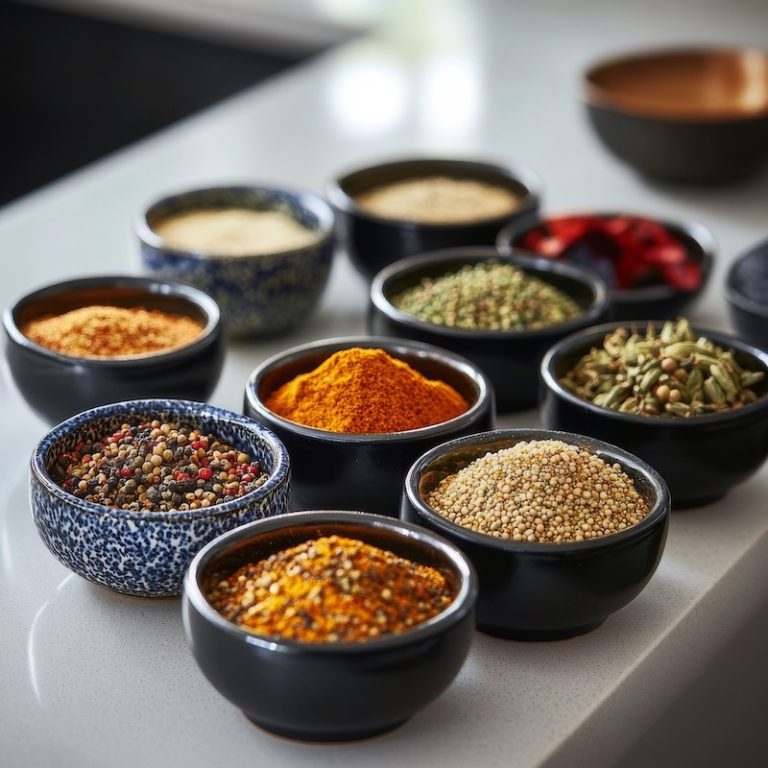
Grinding your spices can elevate your cooking and improve dish quality. Key benefits include:
1. Enhanced Flavor and AromaFreshly ground spices release essential oils, giving a more intense and vibrant flavor than pre-ground varieties. Ideal for dishes where spices are the star.
2. Longer Shelf LifeWhole spices last longer (2–4 years). Grinding as needed ensures you always use the freshest spices.
3. Custom BlendsCreate personalized spice blends tailored to your taste and recipes for unique, enjoyable cooking.
4. Better Control Over TextureAdjust the grind from fine powders for baking to coarser textures for rubs and marinades.
5. Cost SavingsWhole spices are often cheaper and last longer. A good grinder can save money over time.
6. Reduced AdditivesGrinding your own ensures pure spices, free from fillers, anti-caking agents, or preservatives.
While grinding takes a little extra effort, the superior flavor and freshness make it worth it for home cooks.
Other Important Ingredient Conversions
| BEAN CONVERSIONS | INGREDIENT SUBSTITUTIONS |
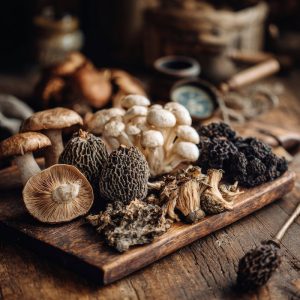
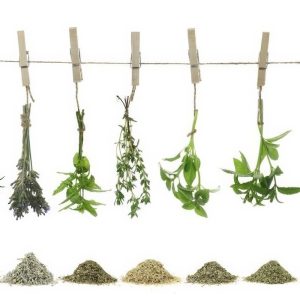
| HERB CONVERSIONS | MUSHROOM CONVERSIONS |
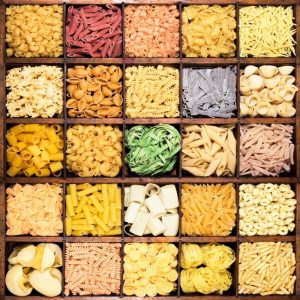
| GRAIN CONVERSIONS | PASTA/RICE CONVERSIONS |
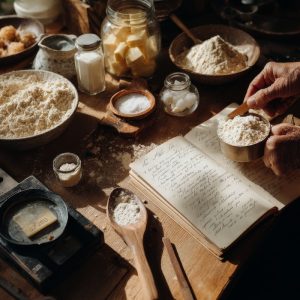
| INGREDIENT CONVERSIONS | TOMATO CONVERSIONS |
Grinding & Storing Spices FAQ
1. Why should I grind my own spices?
Grinding your own spices maximizes flavor, aroma, and freshness. Whole spices retain essential oils that can be lost in pre-ground versions, giving your dishes a more vibrant taste.
2. How long do whole spices last compared to ground spices?
Whole spices generally last 2–4 years, whereas ground spices usually maintain peak potency for 1–3 years. Grinding just before use ensures the freshest flavor.
3. What is the best way to grind spices at home?
You can use a mortar and pestle, a manual spice grinder, or an electric spice grinder. Mortar and pestle gives more control over texture, while electric grinders are faster for larger batches.
4. How should I store spices to maximize shelf life?
Store spices in airtight containers in a cool, dark place away from heat, light, and moisture. Avoid storing near stoves or ovens. Whole spices last longer than ground ones when stored properly.
5. Can I create my own spice blends?
Yes! Grinding your own spices allows you to customize blends to your taste. This flexibility lets you experiment and create unique flavors tailored to your dishes.
6. Are there any cost benefits to grinding your own spices?
Whole spices are often cheaper than pre-ground varieties and last longer. Investing in a good grinder can save money over time while providing fresher, higher-quality spices.
7. Do homemade ground spices contain fewer additives?
Absolutely. Pre-ground spices may include anti-caking agents, fillers, or preservatives. Grinding at home ensures you use pure spices without unwanted additives.
8. How can I tell if my spices have lost potency?
Rub a small pinch between your fingers and smell it. If the aroma is faint, the spice has lost flavor and should be replaced.
9. What types of spices benefit most from being freshly ground?
Aromatic spices like cinnamon, nutmeg, clove, and seeds like cumin and coriander see the biggest improvement in flavor when freshly ground. Chili powders and paprika also taste brighter when freshly ground.
10. Is grinding spices difficult or time-consuming?
It takes a bit more effort, but the flavor payoff is significant. For small amounts, a mortar and pestle works well; for larger quantities, an electric grinder saves time.
11. Can I grind spices in advance?
Yes, but ground spices lose potency faster than whole spices. For the freshest flavor, grind only what you need or store freshly ground spices in airtight containers for short periods.
12. Are there safety tips for grinding spices?
Keep grinders clean to prevent contamination, avoid grinding wet spices unless designed for it, and be cautious with hot spices like chili to prevent irritation to skin or eyes.