


Sometimes Less Is More — Especially When It Comes to Herbs and Spices
Years later, I was dating a woman who was a genuinely good cook. She had a studio on the Upper East Side with a galley kitchen barely big enough for two people and a pot of basil growing on the windowsill.
One afternoon, she made Caprese — fresh tomatoes, fresh mozzarella, basil pulled straight from that windowsill pot, salt and pepper ground fresh, a pour of good olive oil, and balsamic vinegar. No cooking. No heat. Nothing reduced, nothing added twice.
It was transformative. Not because it was complicated — it wasn’t. Because every ingredient was exactly right and nothing was in the way of anything else. She had a phrase she used often in that kitchen that has stayed with me ever since: less is more.
That’s the whole philosophy of cooking with herbs and spices in four words. My father never learned it. She already knew it. And the difference showed up on the plate every time.
What I’ve learned since — slowly, through a lot of meals that were too much of something — is that cooking with herbs and spices isn’t really about what you add. It’s about how much and when.
Those two things matter more than the herb itself. Get them wrong, and it doesn’t matter how good your tomatoes are. Get them right, and three ingredients on a plate can stop you in your tracks.
That’s what this page is about. I only wish I’d had something like it when I first started cooking.
The Three Things That Actually Matter
- How much. More is not more with herbs and spices. Past a certain point, you're not adding flavor — you're adding noise. The dish stops tasting like itself and starts tasting like whatever you added too much of. My father learned this the hard way. So did I.
- When. The same herb added at the beginning of cooking and at the end produces two completely different results. Hardy herbs like rosemary and thyme can go in early and mellow over heat. Delicate herbs like basil, parsley, and chives lose everything the moment they hit a hot pan. Timing is not a detail — it's the whole lesson.
- What goes with what. Some herbs and spices reinforce each other. Some compete. Some belong to specific cuisines so strongly that a single pinch can relocate a dish from Italy to Morocco. Knowing the combinations — and the cuisines they signal — is what lets you improvise rather than just follow a recipe.
The tool below is where I’d start. Select an ingredient, and it shows you which herbs and spices work best with it, why they work, and — most importantly — when to add them.
The Herb and Spice Finder — select an ingredient to see which herbs and spices work best with it and when to add them
to find the right herb or spice — and when to add it.
Hardy vs Delicate — Know the Difference
- Hardy herbs can take heat. Rosemary, thyme, oregano, sage, and bay leaf all hold up to long cooking. Add them early — at the beginning of a braise, into a roasting pan, at the start of a sauce. Heat mellows and concentrates their flavor rather than destroying it.
- Delicate herbs cannot. Basil, parsley, chives, cilantro, tarragon, dill, and mint lose their flavor almost immediately when exposed to heat. Add them at the very end of cooking — or don't cook them at all. A handful of fresh basil torn over a finished dish does more work than the same amount cooked into it for twenty minutes.
- Dried herbs behave differently than fresh. Drying concentrates flavor, which means dried herbs are more potent than fresh by volume. A general rule: use one third the amount of dried herb that the recipe calls for fresh. The exception is oregano — dried oregano is often better than fresh in cooked applications, which is why it works in long-simmered tomato sauces where fresh would disappear.
- The mistake most cooks make is treating all herbs the same way — adding everything at the beginning and wondering why the dish tastes muddy. Hardy herbs early, delicate herbs late. That one rule fixes more problems than almost anything else I can tell you.
What Your Spice Rack Should Actually Have
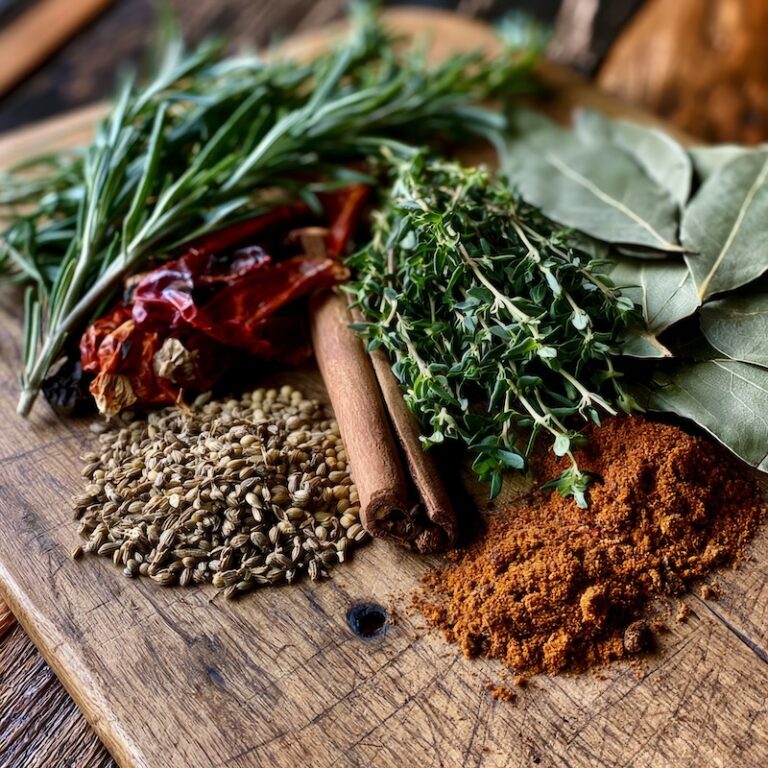
- Black pepper (whole, in a grinder). Pre-ground pepper loses its potency within weeks. Freshly cracked is a different ingredient. This is the one upgrade that costs almost nothing and changes everything.
- Kosher salt. Not a spice technically, but it belongs here. Coarser than table salt, easier to control with your fingers, and it doesn't have the metallic edge of iodized salt.
- Cumin. The most versatile spice in a home kitchen — essential in Mexican, Indian, Middle Eastern, and North African cooking. Buy whole seeds and toast them yourself if you want to understand what cumin actually tastes like.
- Smoked paprika. Adds color, mild sweetness, and a subtle smokiness that plain paprika doesn't have. Works on chicken, vegetables, eggs, and almost anything roasted.
- Red pepper flakes. Controlled heat — you can add as little or as much as you want. Bloomed in olive oil at the beginning of cooking, they add warmth and depth. Added at the end, they add heat without depth.
- Dried oregano. One of the few herbs that's genuinely better dried than fresh for cooked applications. Essential in tomato sauces, on pizza, and in Greek and Italian preparations.
- Ground cinnamon. Not just for baking — a pinch in a Moroccan stew or a lamb braise adds warmth and complexity most people can't identify but would notice if it were absent.
- Bay leaves. The most underestimated thing in a spice rack. Drop one into any soup, stock, braise, or bean dish at the beginning of cooking. You won't be able to describe what it adds, but you'll notice when it's gone. Always remove before serving.
- Thyme (dried). The most reliable all-purpose cooking herb. Works with almost every protein, most vegetables, and any long-cooked dish. If you only keep one dried herb, this is the one.
- Coriander (ground). Warm and slightly citrusy — works with cumin in almost every cuisine that uses cumin. Together they're one of the most useful two-spice combinations in a home kitchen.
Spices vs Herbs — The One Distinction Worth Knowing
- Herbs come from leaves. Basil, parsley, thyme, rosemary, cilantro, mint, sage, tarragon — all leaves or stems of plants. Most can be used fresh or dried, and fresh is usually better for delicate applications.
- Spices come from everything else. Seeds (cumin, coriander, fennel), bark (cinnamon), roots (ginger, turmeric), fruit (paprika, chili), and flower buds (cloves). Almost always used dried, often toasted or ground before use.
- Some plants give you both. Cilantro leaves are an herb. Coriander seeds from the same plant are a spice. Dill fronds are an herb. Dill seeds are a spice. This is why recipes sometimes seem to use the same plant in two different ways — they are.
- Why this matters practically: Spices generally handle heat better than herbs and are almost always added early. Herbs — especially fresh ones — are more fragile and usually go in late. Knowing which category something belongs to tells you roughly when to add it before you've even cooked with it before.
Herb & Spice Combinations — Classic and Not So Classic
| Combination | Best Used In | How to Use |
|---|---|---|
| Rosemary + Thyme | Roasted meats, potatoes, soups | Infuse oils, toss with roast veggies, or rub onto lamb or chicken. |
| Basil + Oregano | Italian sauces, pizza, grilled vegetables | Add to tomato sauce near the end of cooking for best flavor. |
| Cumin + Coriander | Indian curries, Mexican beans, North African dishes | Toast lightly in a dry pan before grinding for deeper flavor. |
| Cinnamon + Nutmeg | Baked goods, rice pudding, Moroccan stews | Use in sweet desserts or blend into savory spice mixes like ras el hanout. |
| Dill + Parsley | Fish, potato salad, yogurt sauces | Stir fresh into sauces or sprinkle over fish just before serving. |
| Bay Leaf + Black Pepper | Soups, stocks, braises | Drop into simmering liquids — remove the bay before serving. |
| Tarragon + Chervil | French sauces (béarnaise), eggs, chicken | Use fresh; excellent in cream-based sauces or a compound butter. |
| Mint + Chili Flakes | Lamb, Middle Eastern salads, grilled peaches | Add fresh mint and a pinch of chili to warm or cold dishes for contrast. |
| Smoked Paprika + Thyme | Roasted chicken, lentils, mushroom dishes | Sprinkle over veggies or protein before roasting for an earthy depth. |
| Cilantro + Fennel Seeds | Indian chutneys, grilled shrimp, bright salsas | Toast fennel lightly; combine with fresh cilantro for cooling and licorice notes. |
| Lavender + Black Pepper | Pork, shortbread, cocktails | Use sparingly; great in dry rubs or infused syrups for drinks. |
| Sage + Lemon Zest | Pasta, pork, browned butter sauces | Crisp sage in butter, finish with lemon zest for brightness. |
| Allspice + Thyme | Caribbean jerk seasoning, squash soups | Blend into marinades or rubs — warm, complex, and aromatic. |
| Oregano + Cumin | Mexican salsas, black beans, grilled meats | Earthy and pungent; great for dry rubs or smoky tomato sauces. |
| Basil + Ginger | Stir-fries, tropical salsas, fruity salads | Fresh only — adds a surprising sweet-spicy lift to lighter dishes. |
Cuisine, Spices, Dishes
One of the fastest ways to understand herbs and spices is to look at which specific cuisines reach for them. Cumin and coriander say India or Mexico. Oregano and basil say Italy. Cinnamon in a savory dish says Morocco. Once you see the pattern, you start to understand why certain flavors belong together — and you can start improvising within a cuisine’s logic rather than just following its recipes.
Cuisine, Spices & Dishes
| Cuisine | Signature Spices | Example Dishes |
|---|---|---|
| Indian | Cumin, coriander, turmeric, garam masala, cardamom, fenugreek, mustard seeds | Chicken Tikka Masala, Chana Masala, Dal Tadka, Biryani |
| Mexican | Chili powder, cumin, oregano (Mexican), cinnamon, cloves, epazote | Tacos al Pastor, Mole Poblano, Pozole, Enchiladas |
| Thai | Lemongrass, galangal, kaffir lime, bird's eye chili, coriander, Thai basil | Tom Yum Soup, Green Curry, Pad Kra Pao, Massaman Curry |
| Moroccan | Cinnamon, cumin, paprika, saffron, ginger, ras el hanout | Chicken Tagine, Harira, Couscous with Vegetables, Bastilla |
| Italian | Oregano, basil, rosemary, thyme, garlic, crushed red pepper | Spaghetti alla Puttanesca, Osso Buco, Margherita Pizza, Eggplant Parmigiana |
| Chinese | Star anise, Sichuan peppercorns, five-spice powder, ginger, garlic | Mapo Tofu, Peking Duck, Hot Pot, Kung Pao Chicken |
| Ethiopian | Berbere, cardamom, cloves, turmeric, ginger, fenugreek | Doro Wat, Misir Wot, Tibs, Kitfo |
| Japanese | Wasabi, sansho pepper, shichimi togarashi, ginger, sesame seeds | Ramen, Yakitori, Miso Soup, Sushi with Wasabi |
| Middle Eastern | Sumac, za'atar, cumin, allspice, cardamom | Shawarma, Falafel, Mujadara, Labneh with Za'atar |
| French | Thyme, tarragon, lavender, herbes de Provence, bay leaf, nutmeg | Coq au Vin, Bouillabaisse, Quiche Lorraine, Ratatouille |
What's Next
- Cilantro: The herb people either love or think tastes like soap — and there's actually a genetic reason for that. Here's everything worth knowing about cooking with cilantro.
- Parsley: The most underestimated herb in the kitchen. Most people use it as a garnish and stop there. Here's what parsley actually does in a dish.
- Mint: Spearmint or peppermint — it matters more than most recipes let on. Here's the difference and when to use each.
- Curry: Not a single spice but a blend — and understanding what's in it changes how you cook with it entirely. Here's everything about curry the spice.
Frequently Asked Questions About Herbs & Spices
What’s the difference between a spice and an herb?
Herbs come from the leaves of plants — basil, thyme, rosemary, and parsley. Spices come from everything else: seeds, bark, roots, and fruit. Cumin is a seed. Cinnamon is bark. Ginger is a root. Paprika is a dried fruit. Some plants give you both — cilantro leaves are an herb, coriander seeds from the same plant are a spice.
When should I add herbs to a dish?
It depends on whether the herb is hardy or delicate. Hardy herbs — rosemary, thyme, oregano, sage, bay leaf — can go in early and withstand heat. Delicate herbs — basil, parsley, chives, cilantro, tarragon, mint — should go in at the very end of cooking or not be cooked at all. Add them too early and you lose everything that makes them worth using.
Should I use fresh or dried herbs?
Fresh is better for finishing — delicate herbs used at the end of cooking or raw. Dried is often better for long cooking — hardy herbs that have time to rehydrate and release their flavor. One significant exception: dried oregano is generally better than fresh for cooked tomato sauces. The general conversion is one-third the amount of dried herb for what the recipe calls for fresh.
How much is too much?
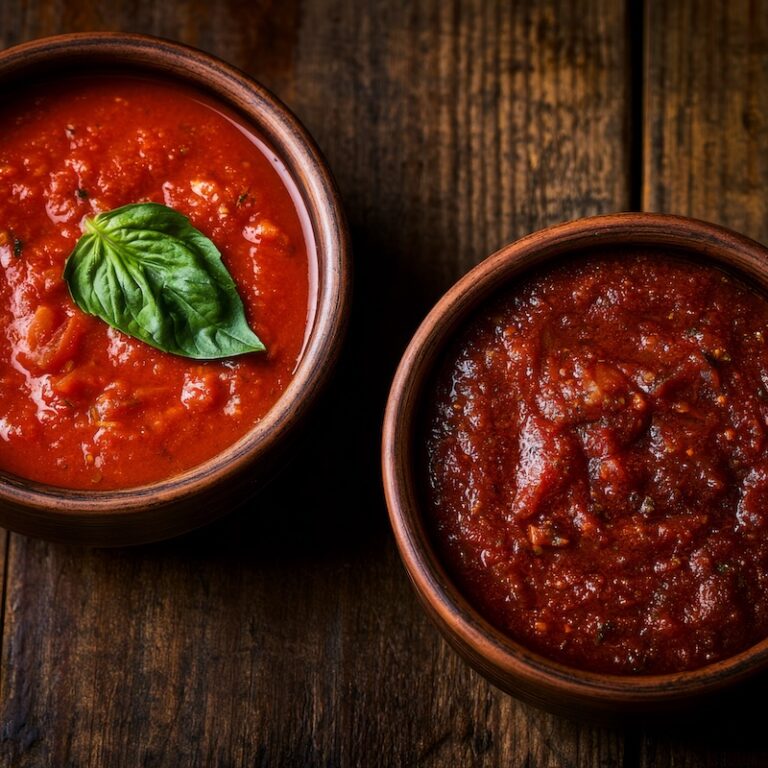
Less than you think. Start with half of what your instincts and taste say. You can always add more — you cannot take it back. My father seasoned his tomato sauce throughout a long reduction, not realizing that as the liquid reduced, the oregano he’d added was concentrating right along with it. By the time it hit the table, the herb had overwhelmed everything else. Season toward the end of cooking when you can taste what the dish actually needs.
When a recipe calls for mint, does it mean spearmint or peppermint?
Almost always spearmint — it’s the mint used in cooking. Peppermint contains about 40% menthol and has an intense, almost medicinal sharpness that works in candy and ice cream but overwhelms savory dishes and most desserts. Spearmint contains less than 1% menthol, which gives it a gentler, more rounded flavor. Unless a recipe specifically calls for peppermint, use spearmint.
What spices should a beginner start with?
Build around ten: black pepper (whole, in a grinder), kosher salt, cumin, smoked paprika, red pepper flakes, dried oregano, ground cinnamon, bay leaves, dried thyme, and ground coriander. Those ten cover Italian, Mexican, Indian, French, and North African cooking at a basic level and give you enough range to start understanding how spices work before you start collecting more.
Why does toasting spices make a difference?
Heat releases the volatile oils from whole spices, which carry most of the flavor and aroma. A cumin seed straight from the jar tastes flat compared to one that’s been dry-toasted in a pan for sixty seconds. The difference is significant enough that it’s worth doing whenever you have the time. Toast whole spices in a dry pan over medium heat until you can smell them — thirty seconds to a minute — then grind immediately. Ground spices are already processed and don’t benefit from toasting the same way.
What herbs and spices define specific cuisines?
A few reliable signals: cumin plus coriander plus turmeric points toward Indian cooking. Oregano, basil, and garlic are Italian. Cinnamon in a savory context usually refers to Moroccan or Middle Eastern cuisine. Lemongrass plus galangal plus kaffir lime says, Thai. Smoked paprika plus cumin plus oregano says Mexican. These aren’t rules — they’re patterns. Once you recognize them you start to understand why certain flavors belong together rather than just following what a recipe tells you to do.
Can you use too little of an herb or spice?
Yes — underseasoning is as much a problem as overseasoning, just a less dramatic one. A dish that’s been properly seasoned should taste like itself, amplified. If you can’t identify any herbal or spice character at all, you’ve probably used too little. Taste as you go and trust your palate. The goal is balance — present but not dominant.
Why does the same dish taste different every time I make it?
Several reasons — but herbs and spices are often the culprit. Dried spices lose potency over time, so a jar of cumin that’s been sitting in your cabinet for two years is a fraction of what it was when you bought it. Fresh herbs vary in intensity depending on when they were picked and how they were stored. And how much you add varies each time. Write down what worked. It’s the only way to repeat it.



7 Responses
list of cooking spices
Excellent article just what I have been looking for a long time!!!!!!!!!
Thank you, lots of helpful info.
Good info!
Good info. This is what’s in our spice rack. What’s in yours?
When a recipe calls for mint, is it spearmint or peppermint?
Great question Judy and after doing a little research, I could write a long post just on your question. Mint (mentha) is the simple name for many different mint varieties including spearmint and peppermint. Although they are from the same family and have very similar properties when it comes to flavor and appearance, peppermint contains 40% menthol while spearmint contains less than 1% menthol. This means peppermint is going to have a more intense “minty” flavor that spearmint. So if you have a recipe that is looking for a strong minty flavor like candy or ice cream, peppermint is the way to go. If you are looking for a touch of mint flavor but don’t want to overwhelm the dish, think spearmint.