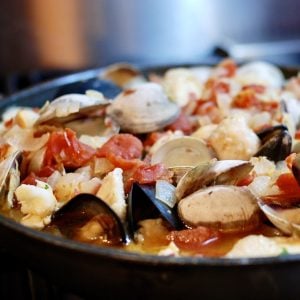
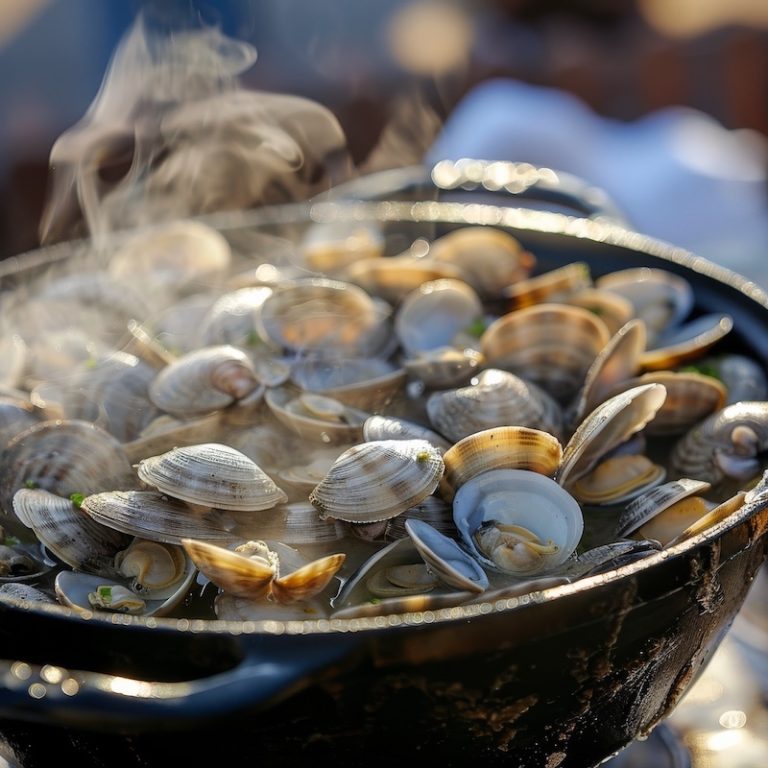

Steamed Clams With Garlic and White Wine

Jersey Steamers Recipe

The Reluctant Gourmet Newsletter Is Back!

Yes, I'm starting up a new newsletter with step-by-step recipes, helpful cooking tips, and my latest funny cooking cartoons. Would love to have you on board.

Steamed clams look almost suspiciously easy. A pot, some wine, a little garlic, done. Then half the clams stay shut, the broth tastes flat, and the texture turns somewhere between chewy and pencil eraser. The good news? Clams are not difficult. They’re just unforgiving about timing.

Fast Answer

Steamed clams cook quickly in a covered pot with white wine, garlic, butter, and aromatics. The key is high heat, fresh clams, and removing them as soon as the shells open to avoid tough, overcooked meat.

How to Make Better Steamed Clams at Home

Steamed clams are less about the recipe and more about restraint. Clams already contain briny liquid that turns into broth as they cook, so your job is not to overpower them.

Your job is to build support around them. Garlic, wine, butter, herbs, and heat all matter, but timing matters most. A clam goes from tender to rubbery faster than most people expect.

Start Here

  • Buy live clams: Shells should be tightly closed or close when tapped.
  • Clean them well: Sand is the fastest way to ruin the broth.
  • Use high heat: You want the pot hot enough to create steam quickly.
  • Don’t drown the clams: A small amount of liquid creates better concentrated broth.
  • Pull them early: Remove clams as soon as they open to protect texture.

Why This Recipe Works

  • The clams build the broth: As the shells open, they release natural briny juices into the pot.
  • Steam cooks gently: The moist heat keeps the clam meat tender instead of dry.
  • Garlic and wine add structure: They support the seafood flavor without masking it.
  • Butter softens the salinity: Richness balances the sharp ocean flavor naturally.
  • Fast cooking preserves texture: Clams only need a few minutes once the steam builds.
Jersey Steamers Recipe
Print Recipe
5 from 1 vote

Steamed Clams – Jersey Steamers

Steamed clams succeed when you use fresh shellfish, high heat, and enough restraint to let the clams build their own broth.
Prep Time5 minutes
Cook Time12 minutes
Total Time17 minutes
Course: Main Course
Cuisine: American
Keyword: clams, steamers

Equipment

  • 1 large pot with lid
  • colander or strainer
  • 1 scrubbing brush optional

Ingredients

  • 2 pounds cherry stone clams or little neck clams
  • 1 cup water for steaming
  • 2 cloves garlic minced
  • 1 lemon cut into wedges
  • fresh herbs parsley or thyme, optional
  • butter for dipping

Instructions

Clean the Clams

  • Start by rinsing the clams under cold running water to remove surface dirt or sand. A scrubbing brush can help clean the shells thoroughly.
  • To purge the clams of any remaining sand, place them in a bowl of cold, salted water for 20-30 minutes.
  • After soaking, give them a final rinse.

Prepare the Cooking Liquid

  • Add 1 cup of water or white wine in a large pot. Minced garlic can enhance the flavor. Fresh herbs like parsley or thyme can also be included for an aromatic touch.

Steam the Clams

  • Bring the liquid to a boil over high heat. Once it reaches a rolling boil, carefully add the cleaned clams to the pot. Cover the pot with a tight-fitting lid to ensure the clams steam properly.

Cook the Clams

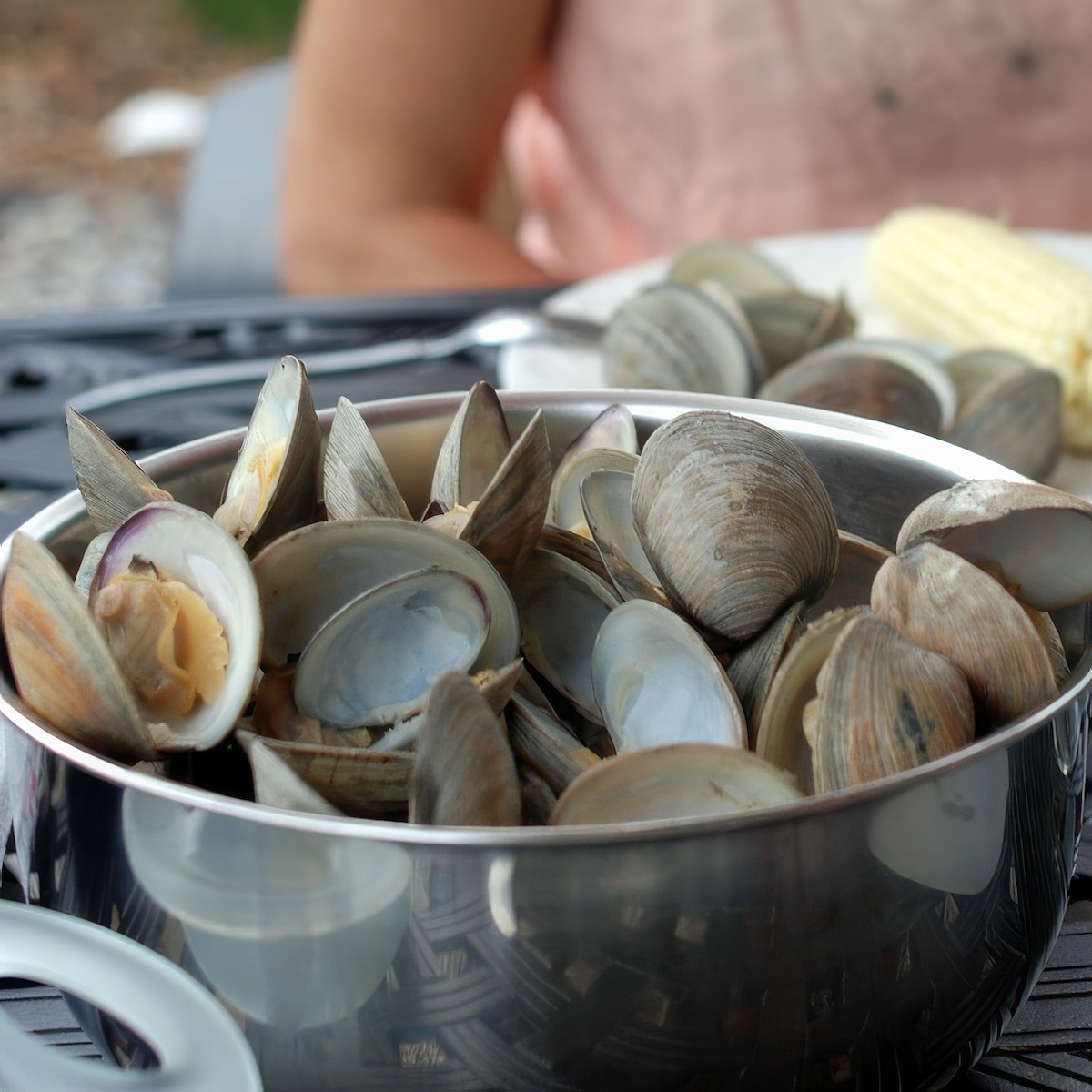
  • Allow the clams to steam for about 5-7 minutes, occasionally shaking the pot gently to ensure even cooking. The clams are done when they open wide. Be sure to discard any clams that do not open, as they might not be safe to eat.

Serve

  • Transfer the steamed clams to a serving bowl using tongs or a slotted spoon. Serve them hot with lemon wedges and melted butter for dipping. A garnish of fresh herbs can add a nice visual and flavor touch.

Notes

Do not overcrowd the pot; steam the clams in batches if necessary.
Steamed clams pair wonderfully with crusty bread to soak up the flavorful broth.
This method ensures the littleneck clams are cooked just right, preserving their delicate taste and tender texture. Enjoy!
What Most Cooks Get Wrong

  • Cooking too long: Clams become tough surprisingly fast once they open.
  • Adding too much liquid: You’re steaming, not boiling soup.
  • Skipping the cleaning step: Sand settles into the broth and ruins every spoonful.
  • Salting early: Clams already bring salinity from the ocean.
  • Using old clams: Freshness matters more here than almost any seafood dish.

Quick Fixes & Pro Tips

  • Want richer broth? Finish with cold butter off the heat.
  • Need acidity? Add lemon juice at the very end, not during steaming.
  • Love spice? Red pepper flakes work better than heavy hot sauce.
  • Best bread move: Grill or toast the bread so it holds up in the broth.
  • Don’t force unopened clams: If they stay shut after cooking, discard them.


Steamed Clams Jersey Style

What You Can Serve With This

  • Crusty bread: Essential for soaking up the broth.
  • Linguine: Toss directly in the clam broth for a full meal.
  • Simple green salad: Bright acidity balances the richness of butter and shellfish.
  • Grilled sourdough: Adds texture against the soft clams.
  • Roasted fennel: Naturally complements seafood flavor.
  • Wine pairing: Sauvignon Blanc, Muscadet, Pinot Grigio, or dry Vermentino.

Storage & Make-Ahead

  • Best eaten immediately: Clams lose texture quickly after cooking.
  • Refrigerator: Store leftovers up to 1 day in broth.
  • Reheating: Warm gently just until heated through. Avoid boiling.
  • Do not make ahead: Prep the aromatics early, but cook the clams at the last minute.

About the Word “Steamers”

  • Yes, technically: These are littleneck or cherrystone clams, not traditional soft-shell steamers.
  • But here in New Jersey: A lot of people use the word “steamers” to describe any clams cooked by steaming.
  • It’s regional food language: Kind of like calling all soda “Coke” in some parts of the country. The cooking method became the nickname.
  • The important part: Whatever you call them, fresh clams, garlic, wine, butter, and good bread still make a very good evening.
Steaming Clams FAQ

Q: How long do you steam clams?

A: Steam littleneck or cherrystone clams for about 5–7 minutes until their shells open. Larger clams may take 8–10 minutes. Discard any clams that don’t open.

Q: Do clams need to be soaked before steaming?

A: Yes. Soak clams in cold salted water for 20–30 minutes to purge sand and grit. Rinse under cold water before steaming.

Q: How do I know if clams are fresh?

A: Fresh clams should smell like the sea — not fishy — and have closed shells or close when tapped. Avoid clams with cracked or open shells that don’t respond.

Q: Can I steam frozen clams?

A: Yes, but thaw them first. Place frozen clams in cold water for about 30 minutes before steaming. Steaming frozen clams directly can result in uneven cooking.

Q: What’s the best liquid for steaming clams?

A: Water, white wine, or a combination works well. You can also add aromatics like garlic, shallots, herbs, and butter for extra flavor.

Q: Should I cover the pot when steaming clams?

A: Absolutely. Covering traps the steam, which cooks the clams evenly and quickly.

Q: Can I overcook clams?

A: Yes. Overcooked clams become rubbery and tough. Remove them as soon as the shells open and serve immediately.

Q: How many clams should I cook per person?

A: About 1–2 pounds per person for littleneck or cherrystone clams is typical for a main dish.

Q: What should I do with unopened clams after cooking?

A: Discard any clams that remain closed after steaming — they are likely unsafe to eat.

Q1: Can I steam clams in the microwave?

A: It’s possible, but stovetop steaming is preferred for even cooking and flavor. If using a microwave, place clams in a microwave-safe dish with a small amount of water, cover loosely, and cook on high for 3–5 minutes, checking frequently.

Q1: Can I add butter and seasonings to the steaming liquid?

A: Yes! Adding butter, garlic, herbs, lemon, or white wine infuses the clams with rich flavor. Add these at the start so the steam carries the flavor.

Q1: How should I store leftover steamed clams?

A: Remove clams from shells if desired, store in an airtight container, and refrigerate up to 2 days. Reheat gently with a little liquid to avoid a rubbery texture.


5 Responses

  1. Those look like cherrystone clams. A LOT tougher then steamer clams(aka pisser clams/butter clams) and they are hard shelled and different in appearance… as mentioned here. Only soft shell clams would be referred to as steamer clams… and you really have to try some of them with butter… delicious.

    1. Hi Ryan, technical you are correct. These clams are hard shell clams called quahogs and depending on their size are called by different names. The smallest is a little neck, then the cherrystone, then the top neck and finally the quahog. But in South Jersey where I have been vacationing for most of my life, we call the cherrystones and little necks steamers. You go to a restaurant and you’ll find on the menu a “bucket of steamers” and this is what you’ll get. I have no doubt the soft shell steamer clam with butter is delicious, but these are what I was raised on and we still call them steamers.

      1. Many places erroneously will name things for tourists who honestly wouldn’t come into contact with the the culture from which the recipe comes from. These unfortunately are not called steamers and Ryan will be correct the majority of places and times and this is the first time I’ve heard of this confusion. Respectfully you’re wrong and it may cause confusion and embarrassment for others should you not change it. I understand your personal story but on net, you’re leading people astray.

        1. Hi Michael, I clarified that it is only in New Jersey that they call little neck clams “steamers” and offered several reasons why this may be true. I am not trying to confuse anyone, but where I grew up, that’s what we call them. The name of the post is New Jersey Steamed Clams, and I will write another post about steamed clams from other parts of the country.

Leave a Reply

Your email address will not be published. Required fields are marked *

Recipe Rating


This site uses Akismet to reduce spam. Learn how your comment data is processed.