

Provençale Sauce — The French Sauce That Taught Me Onions Go First

This one's old enough that I've forgotten who taught it to me — probably a girlfriend, back in my sauce-learning days. What stuck: garlic goes in after the onions, or it burns before the onions are even ready.

Fast Answer

Provençale sauce is a fast French tomato sauce built on onions, garlic, wine, tomatoes, olives, and capers — cooked in about 20 minutes, not the hour some recipes claim. Add the onions before the garlic; garlic burns before onions have time to soften.

A Lesson From My Sauce-Learning Days: Onions First

I’ve made a lot of sauces since then, but the order still matters: onions first, because they need more time than garlic ever will. Garlic added too early scorches while the onions are still raw.

Wine goes in next — not by the cupful, but a splash to deglaze whatever’s stuck to the pan. It lifts flavor without drowning the tomatoes underneath. Everything after that — tomatoes, olives, capers, herbs — is straightforward.

Start Here

  • Order matters more than ingredients: skip the onion-then-garlic sequence and you'll be fighting burnt garlic before you've even added the tomatoes.
  • Prep the tomatoes first: fresh needs peeling and seeding, canned just needs draining and a rough chop — either way, do it before the pan is hot.
  • Use a wide sauté pan, not a saucepan: more surface area means the wine reduces in under a minute instead of five.
  • Don't walk away during the garlic step: it only needs 30 to 60 seconds. That's the whole window before it turns bitter.

Why This Works

  • Cook order matches cook time: onions go in first because they need real time to soften; garlic goes in last of the aromatics because it barely needs any.
  • Wine deglazes, it doesn't season: a small splash lifts the browned bits off the pan and reduces to almost nothing — concentrated flavor, not diluted sauce.
  • A short simmer keeps it bright: long cooking mutes the tomatoes' acidity. Ten minutes keeps the sauce lively instead of stewed.
  • Salt and acid are already built in: olives and capers bring the salt, tomatoes and wine bring the acid — which is why this sauce doesn't need much adjusting no matter what you serve it with.
“What did you serve your Provencale sauce with? Fish, chicken, pasta, or vegetables? Tell me below in the comments how you used it and what twists you added to make it your own.”

Provencale Sauce Recipe
Print Recipe
No ratings yet

Provencale Sauce Recipe

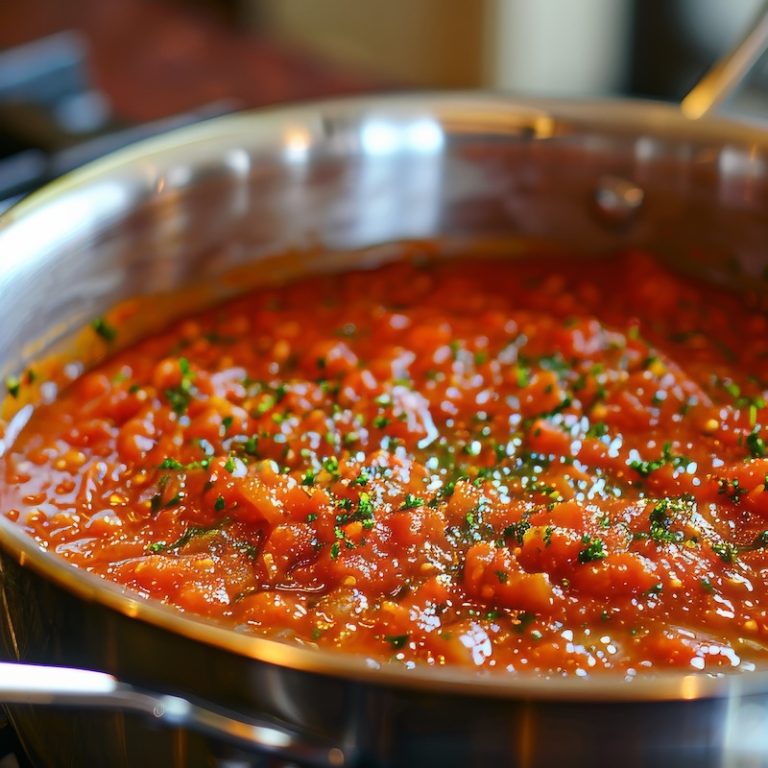
Provencale sauce is a bright, rustic French tomato sauce packed with garlic, herbs, olives, and Mediterranean flavor.
Prep Time15 minutes
Cook Time20 minutes
Total Time35 minutes
Course: Sauces
Cuisine: French
Keyword: sauce
Servings: 4 servings

Equipment

  • wide saute pan

Ingredients

  • 2 tablespoons olive oil
  • 1 yellow onion finely chopped
  • salt & pepper
  • 2 pounds fresh tomatoes or 1 - 35-ounce can plum tomatoes, drained, chopped
  • ¼ cup white wine
  • ¼ cup olive oil
  • 4 cloves garlic finely chopped
  • 1 cup cured black olives pitted and coarsely chopped
  • 1 tablespoon capers drained
  • ½ cup fresh herbs including basil parsley and thyme, roughly chopped

Instructions

Saute the Onions

  • Heat 2 tablespoons olive oil in a wide sauté pan over medium heat.
  • Add the onion with a pinch of salt and cook, stirring occasionally, until soft and translucent — 5 to 7 minutes. Onions need real time; give it to them.

Add the Garlic

  • Add the garlic and cook for 30 to 60 seconds, just until fragrant.
  • Garlic needs a fraction of the time onions do — if it starts browning quickly, pull the pan off the heat for a moment before continuing.

Deglaze with Wine

  • Pour in the wine and scrape up any browned bits stuck to the pan. Let it reduce until nearly gone, about 1 to 2 minutes — this is about lifting flavor off the pan, not adding a cup of wine taste to the sauce.

Add Tomatoes

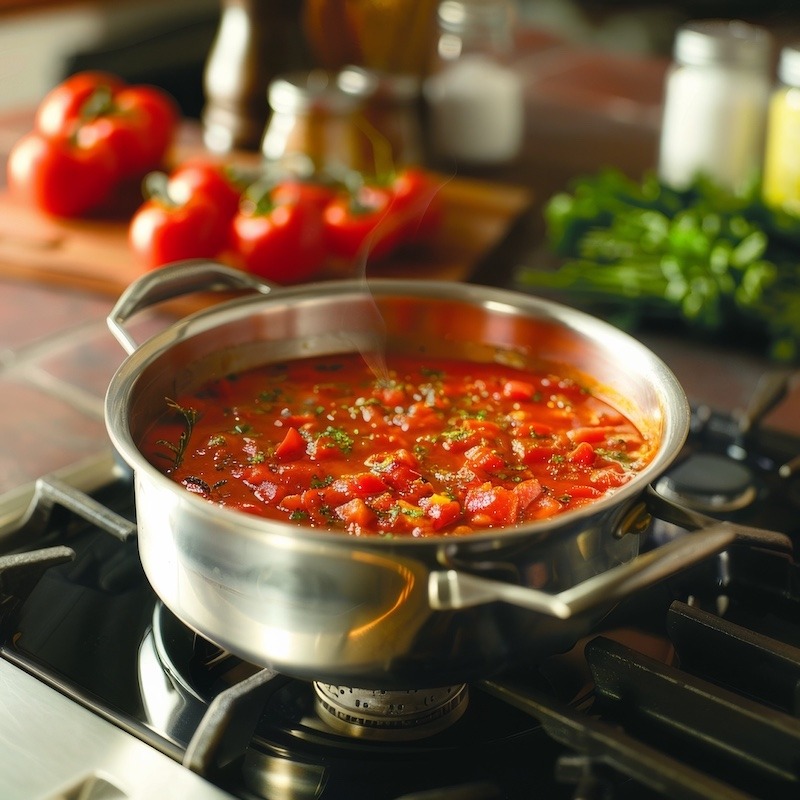
  • Stir in the tomatoes, breaking them up slightly with a spoon. Simmer for 8 to 10 minutes, until the sauce thickens slightly and loses its raw edge.
  • Don't cook it longer than that — Provençale sauce should taste fresh and lively, not stewed.

Add Olives & Herbs

  • Stir in the olives, capers, thyme, and parsley. Simmer another 2 to 3 minutes.
  • Add basil at the very end, off the heat, so it stays bright instead of wilting into the sauce.

Taste & Balance

  • Taste and adjust with salt, pepper, or a squeeze of lemon juice if needed. The olives and capers already bring plenty of salt, so season carefully.

Serve Immediately

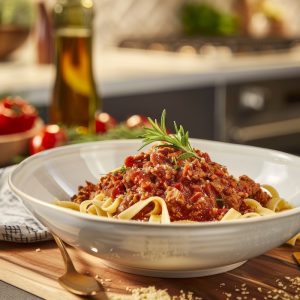
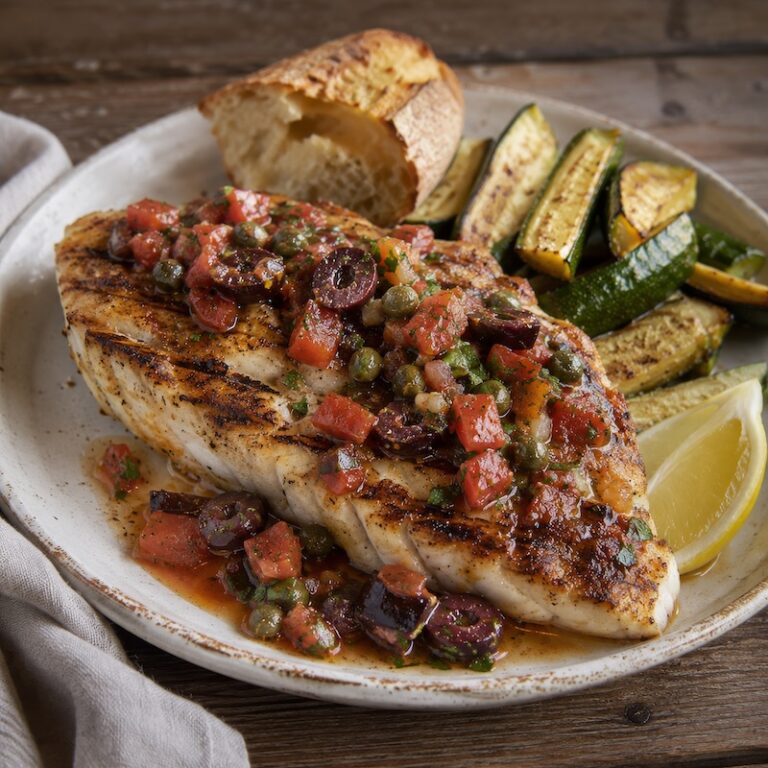
  • Spoon over fish, chicken, pasta, or vegetables while warm. Finish with a drizzle of good olive oil.
Provencale Sauce Recipe

What Most Cooks Get Wrong

  • Adding garlic with the onions instead of after: onions need several minutes to soften; garlic needs 30 to 60 seconds. Add them together and the garlic is burnt before the onions are anywhere close.
  • Treating wine as a flavor, not a tool: a full cup or more "for flavor" just means a longer wait for it to reduce, and it can overpower everything else in the pan. A quarter cup to deglaze is enough.
  • Simmering past the point of freshness: this sauce turns muddy fast. Once the tomatoes lose their raw edge, it's done.

Quick Fixes and Tips

  • Sauce tastes flat? A squeeze of lemon juice wakes it up faster than more salt will.
  • Too acidic? A small pat of butter stirred in off the heat softens the edges.
  • Want more depth? A little anchovy paste added when the garlic goes in disappears into the background but changes the whole sauce.
  • Poured in way more wine than a quarter cup? Just let it reduce longer before adding the tomatoes — it's not ruined, just slower.

What to Serve With This

  • Fish: cod, halibut, snapper, or salmon all hold up well under the sauce's acidity.
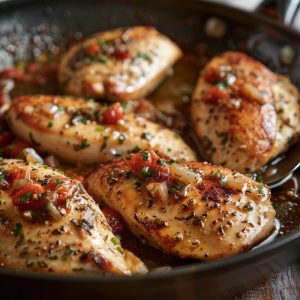
  • Chicken: spoon it over a pan-seared or grilled breast for a fast weeknight plate.
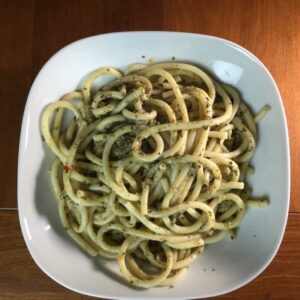
  • Pasta: toss with linguine or angel hair — the sauce clings without needing to be thick.
  • Vegetables: roasted zucchini, eggplant, or cauliflower take to it especially well.
  • Wine: a dry rosé or Sauvignon Blanc echoes the sauce; a light Côtes du Rhône works if you're serving it with chicken.

Storage and Make-Ahead

  • Keeps in the refrigerator up to 4 days in an airtight container — the flavor often improves overnight.
  • Reheat gently over low heat to keep it bright instead of muddy.
  • Freezes well for up to 2 months; thaw overnight in the refrigerator before reheating.

Tomato Conversion Chart

Some recipes call for fresh tomatoes, while others use canned tomatoes, and this can get confusing. For example, this recipe requires 2 pounds of fresh tomatoes, but what if tomatoes are out of season or you want to use canned?

If you check out my tomato conversion chart, you’ll see that one 35-ounce can of tomatoes equals 4 cups of tomatoes. You’ll also see that 2 cups of chopped tomatoes equals 1 pound, so a 35-ounce can should yield approximately 2 pounds of fresh tomatoes.

Provencale Sauce

More on This Topic

Frequently Asked Questions

What is Provençale sauce? A cooked French tomato sauce built on onions, garlic, olive oil, tomatoes, olives, capers, and herbs — bright and rustic rather than smooth.

Is Provençale sauce the same as sauce vierge? No. Sauce vierge is raw and uncooked; Provençale sauce is simmered on the stove.

What does “à la Provençale” mean? It describes the cooking style of Provence — olive oil, garlic, tomatoes, and herbs, prepared simply rather than reduced or refined.

Why do the onions go in before the garlic? Onions need several minutes to soften, while garlic only needs 30 to 60 seconds and burns if it goes in too early.

Do I really need 2 cups of wine? No — a quarter cup is enough to deglaze the pan. More just means a longer wait for it to reduce, and it can overpower the sauce.

Can I make it ahead? Yes. It keeps well and the flavor often improves overnight in the refrigerator.

Can I use canned tomatoes instead of fresh? Yes — one 35-ounce can, drained and chopped, works in place of 2 pounds of fresh tomatoes.

Are the olives and capers necessary? They’re not required, but they’re where most of the sauce’s salt and character come from — leave them out and you’ll want to season more carefully elsewhere.

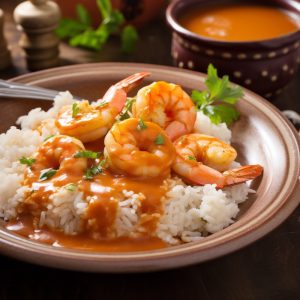
What proteins work best with it? White fish, shrimp, scallops, and chicken all take to it well.

Is Provençale sauce spicy? Not traditionally, though a pinch of red pepper flakes is a common addition.

Tried the deglaze instead of the full 2 cups of wine? Tell me how it went — and if you've got your own onions-before-garlic rule you swear by, I want to hear it.

Leave a Reply

Your email address will not be published. Required fields are marked *

Recipe Rating


This site uses Akismet to reduce spam. Learn how your comment data is processed.