
How to Season Food Properly: A Home Cook’s Guide to Big Flavor

Seasoning can make or break a dish—yet most home cooks treat it like an afterthought. If you’ve ever wondered why your food tastes flat or how chefs make flavors pop, this guide breaks it down step by step. Learn when to salt, how to balance spices, and simple tricks that turn ordinary cooking into consistently delicious meals.

How to Season Food (Fast Guide)

  • Season early, not just at the end.
  • Use salt in layers throughout cooking.
  • Taste as you go.
  • Add acid (lemon, vinegar) to brighten flavor.
  • Finish with a small final adjustment before serving.

Rule of Thumb: If food tastes flat, it usually needs salt or acid — not more spice.

What Does “Seasoning” Really Mean?

Ever cook a meal that looked perfect but tasted flat?

The vegetables were roasted beautifully. The meat was cooked just right. But something was missing. The problem usually isn’t the recipe. It’s the seasoning.

Learning how to season food properly is what separates bland cooking from bold, balanced flavor. Professional chefs don’t rely on one ingredient at the end. They build flavor in layers from the start. They know when to add salt, when to introduce acid, and when to make a final adjustment before serving.

Great flavor isn’t luck. It’s timing. It’s a balance. It’s tasting as you go.

The good news? You don’t need expensive tools or exotic spices to get it right. You need a few smart techniques and a clear understanding of when and how to season.

In this guide, you’ll learn how chefs think about seasoning, when to add salt, how to balance flavors, and what to do when food tastes flat. Once you understand these fundamentals, every dish you cook will taste more confident, more deliberate, and more memorable.

The 4 Core Elements of Good Seasoning

  • Salt – Enhances and amplifies natural flavor.
  • Acid – Brightens and balances richness.
  • Fat – Carries flavor and adds body.
  • Aromatics – Build depth and complexity.

Key Insight: When food tastes flat, one of these four elements is usually missing or out of balance.

The 30-Second Seasoning Cheat Sheet

If Your Food Tastes… Try This
Flat Add salt
Heavy Add acid
Dull Add fresh herbs
Bitter Add fat or a pinch of salt
Too salty Add acid or dilute

Start With Flavor Bases

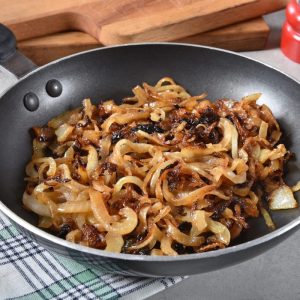
Flavor bases are the secret to dishes that taste rich and layered. They start your cooking on the right foot. By gently cooking aromatics, spices, or pastes, you release natural sweetness, depth, and aroma. You don’t need complicated techniques—just a little patience and the right ingredients.

Choose a base that fits your cuisine. Mirepoix works for soups and stews. Holy Trinity shines in Cajun and Creole dishes. Sofrito or chermoula can brighten Latin or Moroccan meals. Even a simple sauté of onion, garlic, and herbs can transform weeknight dinners.

Start your base early and let it cook slowly. Taste as it develops. Use it to build sauces, soups, or braises. With practice, you’ll learn how to layer flavors and take every meal from good to unforgettable.

American & International Flavor Bases

Base Name Typical Ingredients Short Description How It Adds Flavor
Carolina BBQ Base Vinegar, mustard, brown sugar, spices Tangy foundation for sauces and pulled pork. Acid cuts richness while sugar balances heat and smoke.
Chinese Aromatic Base Ginger, garlic, scallion, neutral oil Quick stir-fry start for many Chinese dishes. Releases pungent aromatics and infuses the oil.
Dashi (Japanese) Kombu, bonito flakes, optional dried shiitake Light umami broth for soups and sauces. Creates clean, savory depth without heaviness.
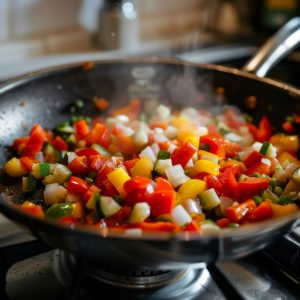
Holy Trinity (Cajun / Creole) Onion, celery, green bell pepper Regional twist on mirepoix for Louisiana dishes. Boosts savory depth and supports bold spices.
Mirepoix (French) Onion, carrot, celery Gentle sauté base used for stocks, sauces, soups. Releases sugars and aromatics. Builds a sweet, savory backbone.
Midwestern Creamy Casserole Base Onion, butter, mushroom or chicken stock, cream Comfort food foundation for baked dishes. Richness and umami support mild proteins and veggies.
New England Chowder Base Onion, celery, butter, sometimes salt pork Classic aromatic start for creamy seafood chowders. Adds gentle savoriness and richness to delicate seafood.
Pacific Northwest Salmon Base Shallot, butter or oil, white wine, herbs Light base for seafood sauces and pan-searing. Enhances delicacy of fish with aromatic acidity.
Roux (French) Flour + fat (butter/oil) Cooked thickener for sauces and stews. Adds nuttiness and smooth body as it darkens.
Southwest Green Chile Base Roasted green chiles, onion, garlic Common start for stews, enchiladas, salsas. Provides smoky heat and vegetal sweetness.
Southern Collard Green Base Onion, garlic, smoked meat (ham hock or bacon) Sautéed aromatics with smoky pork for slow-cooked greens. Smoky umami builds deep flavor while greens simmer.
Soffritto / Sofrito (Italian / Spanish / Latin) Onion, garlic, tomato, bell pepper, olive oil (varies) Slow-cooked aromatics often finished with tomato. Concentrates sweet and acidic notes. Adds body and umami.
Tadka / Tempering (Indian) Whole spices, dried chilies, curry leaves, oil/ghee Spices bloomed in hot fat then added to dishes. Activates essential oils. Adds aroma, heat, and complexity.
Thai Curry Paste Chilies, garlic, shallot, galangal, lemongrass, shrimp paste Pounded or blended paste base for curries. Delivers concentrated heat, umami, and layered aromatics.
West African Base (Mirepoix-style) Onion, tomato, bell pepper, Scotch bonnet, palm oil Foundation for stews, sauces, and soups across West Africa. Imparts heat, earthy sweetness, and rich color while carrying flavor throughout the dish.
Middle Eastern Base (Soffrit / Holy Trinity variant) Onion, garlic, tomato, olive oil, optional spices Base for tagines, stews, and rice dishes. Adds gentle sweetness, savory depth, and aromatic warmth.
Moroccan Chermoula Base Garlic, cilantro, parsley, lemon, paprika, olive oil Marinade-like base for meats, fish, and vegetables. Brightens and layers flavor with herbs, citrus, and spices.
Tex-Mex Chili Base Onion, garlic, cumin, chili powder, tomatoes Bold start for chili, tacos, and stews. Bloomed spices deliver bold heat and smoky depth.

Fats Carry Flavor

Fats are flavor carriers. They make dishes richer, more aromatic, and more satisfying. Butter, oil, animal fats, and infused oils all add depth in different ways.

Chefs use them to sauté, sear, or finish dishes. Heat releases aromas and melds flavors, turning simple ingredients into something memorable.

Use the right fat for the dish. Olive oil brightens vegetables and pasta. Butter adds a creamy, nutty richness to sauces and baked goods.

Bacon or duck fat infuses meats and greens with smoky, savory notes. Infuse oils with herbs, chilies, or garlic for a final punch.

Start with a base fat in cooking, then finish with a flavored fat when plating. Fats help flavors stick to food, balance acidity, and create smooth textures. Learning to use them effectively takes dishes from good to unforgettable.

Fat Best Uses Base / Finishing / Both
Butter Sautéing vegetables, making sauces, baking, finishing dishes Both
Olive Oil Sautéing, roasting, salad dressings, drizzling over finished dishes Both
Canola Oil High-heat frying, searing, general-purpose cooking Base
Vegetable Oil Frying, baking, roasting, stir-frying Base
Avocado Oil High-heat searing, roasting, dressings Both
Ghee / Clarified Butter Sautéing, frying, roasting, Indian cuisine Both
Lard Roasting, frying, pie crusts, sautéing Both
Bacon Fat / Pork Fat Sautéing vegetables, frying, adding flavor to greens or beans Both
Duck Fat Roasting potatoes, pan-searing, braising meats Both
Coconut Oil Sautéing, baking, frying, tropical and Asian dishes Both
Sesame Oil (Toasted) Finishing stir-fries, soups, dressings, marinades Finishing
Neutral Oils (Sunflower, Grapeseed) High-heat frying, sautéing, baking Base
Infused Oils (Herb, Chili, Garlic) Drizzling over finished dishes, finishing sauces, salads Finishing

Seasoning

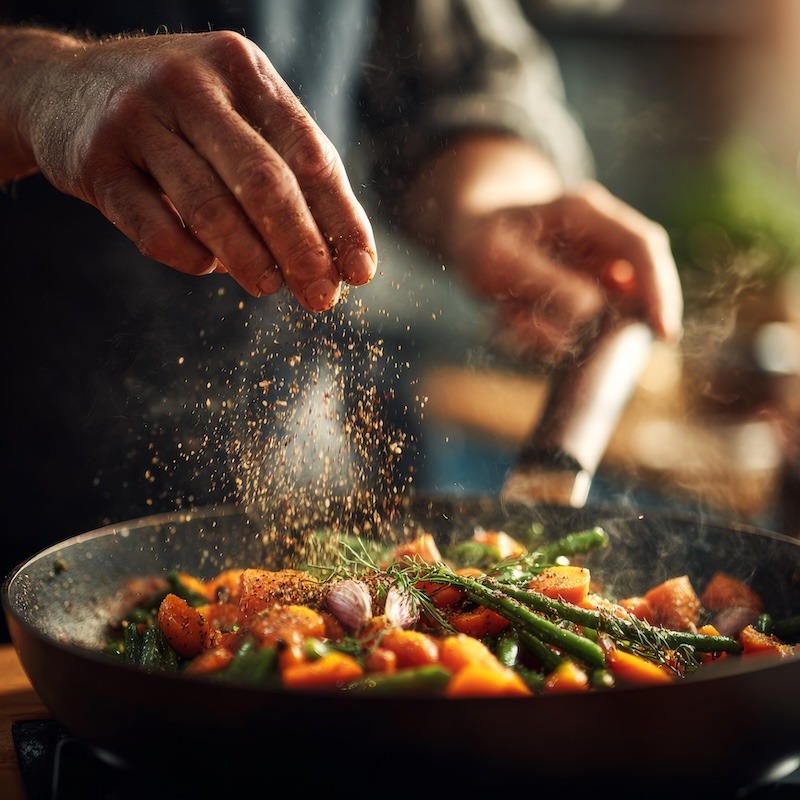
Seasoning transforms food. Salt, pepper, and spices bring out natural flavors. Chefs season in stages, not only at the end.

Start early with aromatics to build depth. Season proteins before cooking to enhance browning. Taste as you go. Adjust salt, acid, or heat gradually.

Layer spices in steps to develop complexity. Finish with a final pinch of salt or a squeeze of citrus to brighten the dish.

Tasting throughout ensures balance. It prevents over- or under-seasoning. By seasoning mindfully at each step, you create meals that taste deliberate, vibrant, and perfectly balanced.

What to Taste for When Seasoning in Stages

Saltiness – Ensure the dish is adequately seasoned without being too salty. Salt enhances natural flavors.

Sweetness – Check for natural sweetness from vegetables, caramelization, or added sugars; balances acidity and bitterness.

Acidity / Brightness – Assess citrus, vinegar, or tomato elements; acidity lifts and balances richness.

Bitterness – Notice if vegetables or greens are too bitter; balance with fat, salt, or sweetness.

Umami / Savory Depth – Ensure meats, broths, mushrooms, or cheese contribute richness and mouthfeel.

Heat / Spice – Taste the level of chili, pepper, or spices; adjust gradually.

Aromatic Balance – Make sure herbs, garlic, and aromatics are pronounced but not overpowering.

Texture / Mouthfeel – Confirm fats and sauces coat and enhance the dish evenly.

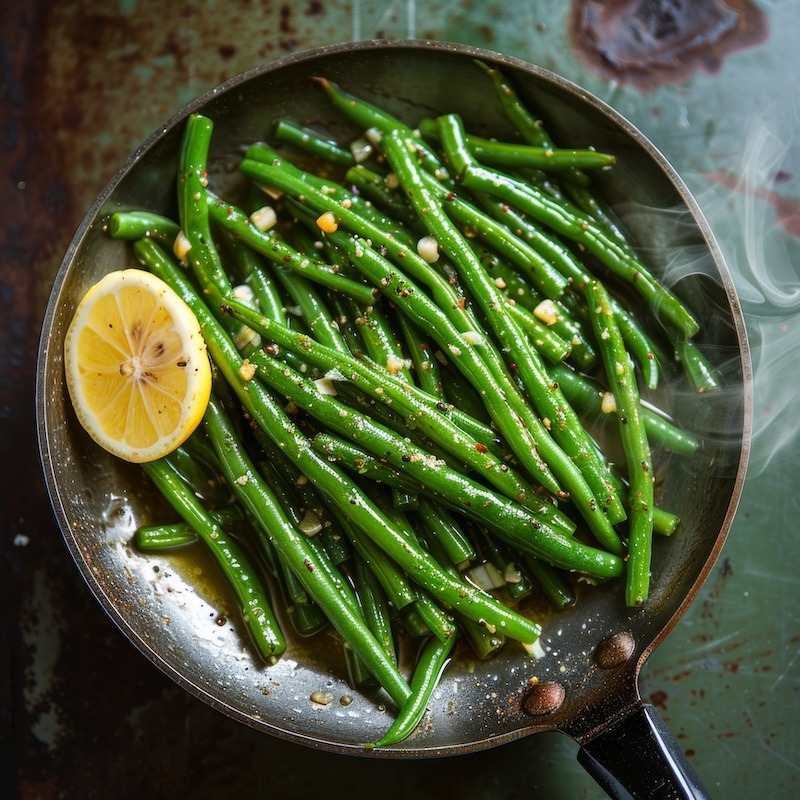
Sauteed Garlic Butter Green Beans

Sauteed Garlic Butter Green Beans

How to layer flavors with sauteed garlic butter green beans.
Course: Side Dish
Cuisine: American
Keyword: green beans, layer flavors, seasoning

Ingredients

Instructions

Prepare the Base

  • Heat butter and olive oil over medium heat.
  • Add minced garlic.
  • Sauté until fragrant, about 1 minute.
  • Why: Garlic is the aromatic base. Cooking it gently releases its sweetness and aroma, forming the first flavor layer.

Add the Green Beans (Primary Ingredient)

  • Toss green beans into the pan.
  • Sauté for 5–7 minutes, stirring occasionally.
  • Season lightly with salt at this stage.
  • Why: Salt draws out moisture and helps beans cook evenly while beginning to build seasoning.

Taste & Adjust Midway

  • Sample a green bean. Check for salt, texture, and overall flavor.
  • Add a pinch more salt or pepper if needed.
  • Why: Seasoning in stages ensures depth and avoids over-salting at the end.

Finish with Fats & Seasoning

  • Swirl in an extra small pat of butter at the end.
  • Optional: squeeze lemon juice for brightness.
  • Taste one last time, adjusting salt or pepper as needed.
  • Why: Adding fat at the finish enriches flavor and gives a glossy, satisfying mouthfeel. Acid brightens the dish, balancing richness.

Result

  • Every bite is vibrant, balanced, and layered — garlic sweetness, buttery richness, seasoned green beans, and a touch of brightness.
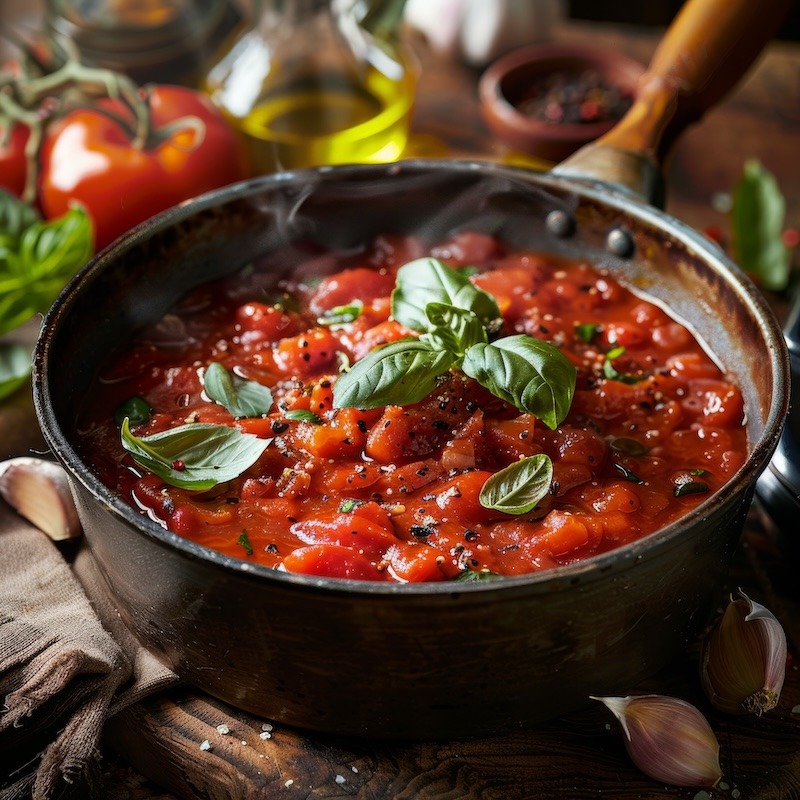
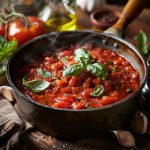
Classic Italian Tomato Sauce for Pasta

Example 2. Italian Tomato Pasta Sauce: Layering Flavors

Italian Tomato Pasta Sauce

How to layer flavors and season like a chef for Italian Tomato Pasta Sauce
Prep Time5 minutes
Cook Time15 minutes
Total Time20 minutes
Course: Sauces
Cuisine: Italian
Keyword: layer flavors, seasoning, tomato sauce

Ingredients

Instructions

Base

  • Heat olive oiland sauté the onion until soft.
  • Add garlic, cook 1 minute. Aromatics release sweetness.

Add Tomatoes

  • Stir in crushed tomatoes. Simmer 10–15 minutes. Lightly season with salt early.

Taste Midway

  • Adjust salt, pepper, or red pepper flakes. Check the acidity; a pinch of sugar can help balance the tartness.

Finish

  • Stir in fresh basil, and drizzle a bit of olive oil. Taste once more to ensure flavor balance.
Cajun Style Shrimp and Rice Recipe

Example 3. Cajun-Style Shrimp & Rice: Layering Flavors

Cajun-Style Shrimp & Rice

Learn how to layer flavors and season this Cajun-Style Shrimp & Rice Dish
Prep Time10 minutes
Cook Time15 minutes
Total Time25 minutes
Course: Main Course
Cuisine: Cajun
Keyword: Cajun, crispy rice, layer flavors, shrimp

Ingredients

Instructions

Base

  • Sauté Holy Trinity (onion, bell pepper, celery) in butter and oil until softened. This forms the aromatic backbone.

Season & Add Shrimp

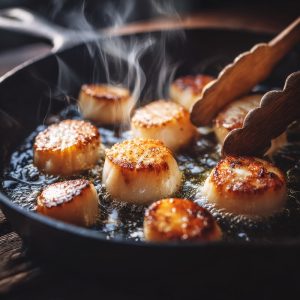
  • Sprinkle paprika, cayenne, salt, pepper. Sear shrimp 2–3 minutes per side.

Taste & Adjust

  • Sample shrimp and vegetables, adjusting spice and salt.

Finish

  • Toss in rice, melt a bit more butter, and taste. Add final pinch of salt if needed.
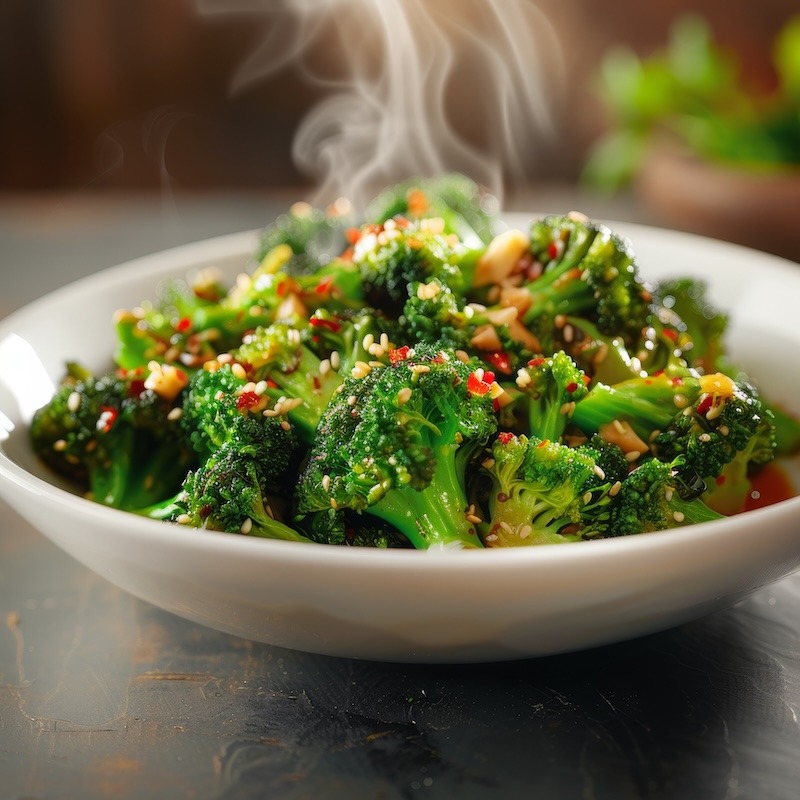
Stir Fried Asian Ginger Broccoli Recipe

Example 4. Asian Ginger-Soy Stir-Fried Broccoli: Layering Flavors

Asian Ginger-Soy Stir-Fried Broccoli

A lesson on seasoning and layering flavors for Asian Ginger-Soy Stir-Fried Broccoli
Prep Time10 minutes
Cook Time10 minutes
Total Time20 minutes
Course: Side Dish
Cuisine: Asian
Keyword: layer flavors, stir fry

Ingredients

  • 1 teaspoon neutral oil
  • 2 teaspoons ginger minced
  • 1 clove garlic minced
  • 1 pound broccoli florets
  • 2 teaspoons soy sauce
  • 1 teaspoon sesame oil
  • salt & pepper to taste

Instructions

Base

  • Heat the oil, then sauté the ginger and garlic until fragrant. Aromatics infuse oil.

Add Broccoli

  • Stir-fry 5–6 minutes until tender-crisp. Lightly season with salt.

Taste Midway

  • Check salt, soy sauce balance, and broccoli doneness.

Finish

  • Drizzle sesame oil, toss, taste again. Optional: sprinkle chili flakes for heat.

Frequently Asked Questions About Seasoining Food

What does seasoning mean in cooking?

Seasoning means enhancing the natural flavor of food. While many people think seasoning only refers to adding salt, it actually includes balancing salt, acid, fat, and aromatics. Proper seasoning makes ingredients taste more like themselves. It does not overpower them. When done correctly, seasoning creates balance, depth, and brightness in a dish.

Is seasoning just salt?

No. Salt is the foundation of seasoning, but it is only one part of the process. Acid brightens flavor. Fat carries and rounds out taste. Aromatics such as garlic, onions, herbs, and spices build complexity. Good seasoning is about balance between these elements, not simply adding more salt.

When should you season food?

You should season in stages. Add a small amount of salt at the beginning of cooking to draw out natural flavors. Adjust during cooking as ingredients combine and reduce. Finish with a final taste and correction before serving. Seasoning only at the end often results in flat or uneven flavor.

How much salt should you use?

A common starting point is about ½ to 1 teaspoon of kosher salt per pound of meat or per 4 cups of soup or sauce. However, this varies based on ingredients and personal taste. The best approach is to season lightly, taste, and adjust gradually. Under-seasoning is far more common than over-seasoning in home kitchens.

What does it mean to layer flavor?

Layering flavor means building seasoning throughout the cooking process instead of adding everything at once. For example, you might salt vegetables before roasting, sauté aromatics in oil to develop depth, and finish with a squeeze of lemon for brightness. Each step adds dimension, resulting in a balanced and complex final dish.

Why does my food taste bland?

Food usually tastes bland for one of three reasons: it needs more salt, it needs acid to brighten it, or it lacks contrast from fat or aromatics. Before adding more spices, try a small pinch of salt or a splash of lemon juice. Often, that simple adjustment makes the biggest difference.

Can you fix over-salted food?

Yes, in many cases. You can dilute soups or sauces with unsalted liquid. Adding acid such as lemon juice or vinegar can help balance saltiness. In stews, adding unsalted vegetables or starches like rice or potatoes may absorb excess salt. The key is to adjust gradually and taste as you go.

What’s the difference between seasoning and marinating?

Seasoning enhances flavor directly on the surface or throughout cooking. Marinating involves soaking food in a seasoned liquid for a period of time to tenderize and infuse flavor before cooking. Seasoning happens in stages during cooking. Marinating happens before cooking begins.

Leave a Reply

Your email address will not be published. Required fields are marked *

Recipe Rating


This site uses Akismet to reduce spam. Learn how your comment data is processed.