
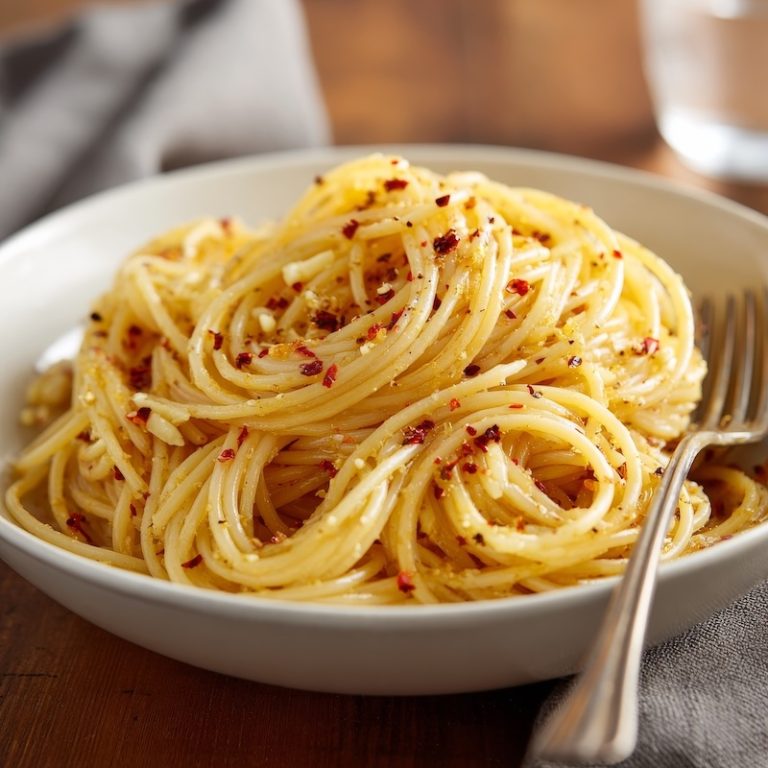
Pasta with Garlic and Oil Recipe
A Few Simple Ingredients Resulting in a Taste Explosion
Servings: 4 servings
Ingredients
- 1 pound pasta
- salt and pepper freshly ground pepper, to taste
- ½ cup extra virgin olive oil
- 4 cloves garlic peeled & sliced thin
- ½ cup fresh parsley chopped
- hot pepper flakes to taste, optional
Instructions
Bring the Pasta Water to a Boil
- Bring a large pot of well-salted water to a rolling boil. It should taste like the sea. This is your only chance to season the pasta itself.Why this matters: Under-salted water leads to flat pasta that no sauce can fix.
Cook the Pasta
- Add the pasta and cook until just shy of al dente. Reserve at least 1 cup of the pasta cooking water before draining.Look for: Tender with resistance. Not fully soft. The pan will finish it.
Warm the Olive OIl
- While the pasta cooks, add the olive oil to a wide skillet over low to medium-low heat. Let the oil warm gently until it shimmers. Do not let it smoke.Decision cue: If the oil smells sharp or bitter, it’s too hot.
Add the Garlic
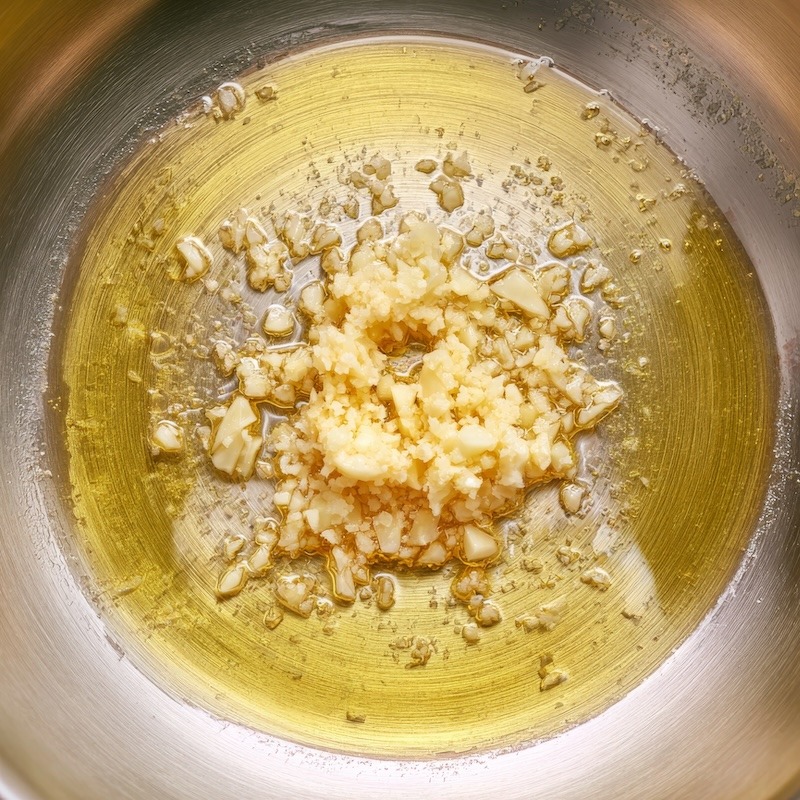
- Add the sliced garlic to the warm oil.
- Cook gently, stirring often, until the garlic turns pale blonde and fragrant, about 30 to 60 seconds.Stop point: As soon as you see brown edges, remove the pan from the heat. Burned garlic ruins the dish.
Add Red Pepper Flakes (optional)
- Add the red pepper flakes and cook for 5 to 10 seconds, just until they bloom them in the oil.Control the heat: Longer means hotter. Shorter keeps it subtle.
Add Pasta & Pasta Water
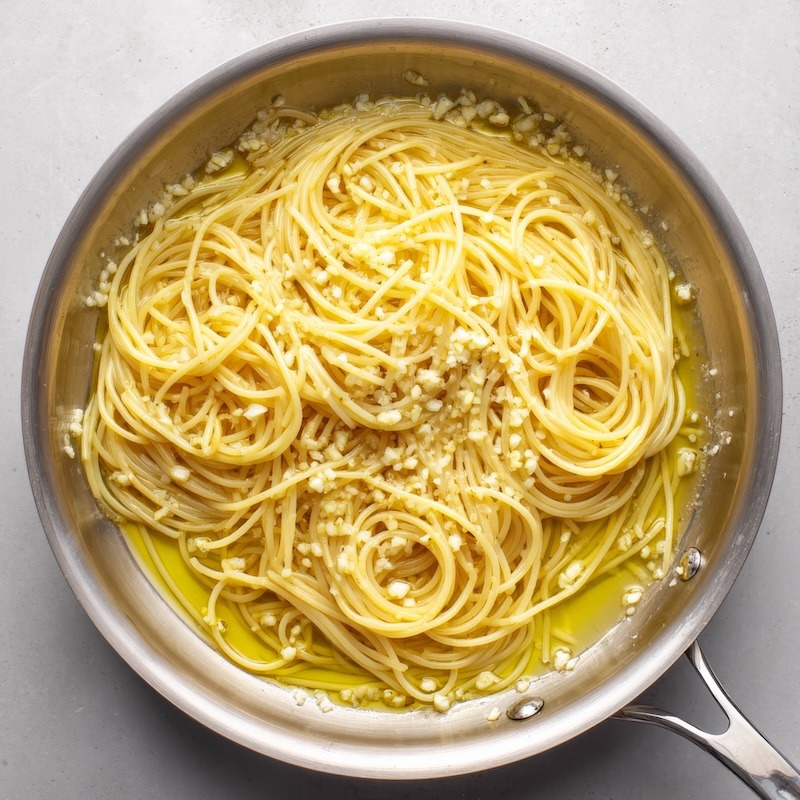
- Add the drained pasta directly to the skillet. Pour in about ¼ cup of the reserved pasta water and toss.What’s happening: The starchy water binds with the oil to create a sauce, not a puddle.
Emulsify the Sauce
- Increase the heat to medium and toss continuously for 30 to 60 seconds. Add more pasta water as needed, a tablespoon at a time, as needed, until the pasta looks glossy and coated.Visual cue: The sauce clings. It does not pool at the bottom of the pan.
Season & Finish
- Season with salt to taste. Remove from heat and taste again. Adjust salt or chili if needed.Optional finish: Fresh parsley or a squeeze of lemon for brightness. Use restraint.
Serve Immediately
- Serve hot. Garlic and oil pasta waits for no one.
What Most Cooks Get Wrong
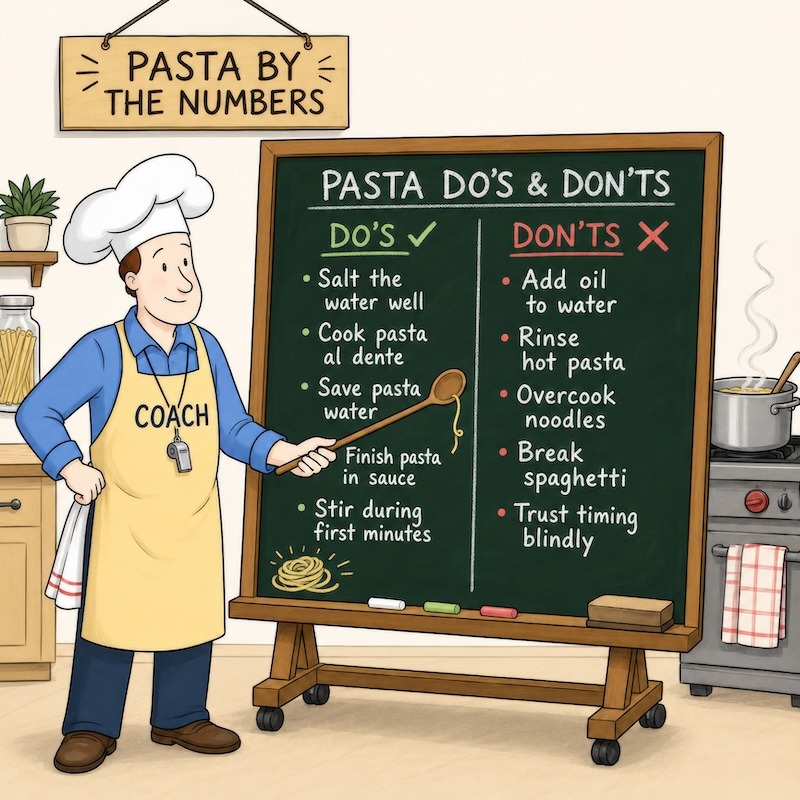
- Burning the garlic. It happens in under 30 seconds on high heat. Once it's brown, the dish is bitter — there's no recovery. Start over.
- Skipping pasta water. Oil and pasta don't combine on their own. The starch in the water is what turns oil into a sauce that clings.
- Draining the pasta too dry. A little moisture on the pasta when it hits the pan helps the emulsification. Shake it, don't squeeze it.
- Not finishing in the pan. Pouring oil over plated pasta gives you oily pasta. Tossing in the pan gives you a sauce.

42 Responses
Sounds good to me,just like I remembered it as a child.
I made this dish but added a bit of fresh grated Ramano cheese just before serving. While the pasta was hot sprinkle liberally with the cheese, toss to begin melting and coat. Serve immediately!
This is very tastey and simple. Love it eat it all the time.
I have eaten this dish for many more years I want to remember mr forefathers ,from Italy all loved it ,it was served after wedding parties ,and many other times,as an excuse to enjoy our home made wine,and enjoy each company.found with too much grated cheese it became too heavy . But each to his own taste .
Wonderful ,simple dish to enjoy our Italian heritage
Added onions to oil and garlic, and used fresh basil instead of parsley, and it blended nicely with penne. Was awesome. 🙂
seems that green capsicum ( bell pepper ) sliced thin and long, would go well with this dish too, add a few slices towards the end of the cooking, so that they will be crisp…..maybe it’s worth a try.
Yes! I am going to add green and red bell pepper to this dish!!
The garlic and olive oil is the whole flavor thing about this tasting so wonderful! If you do not have good olive oil, you are wasting your time!
I like to add some mussels steamed with garlic,butter olive oil ,parsley now that good eatting…
This was simple! I added dry basil, fresh lemon, spinach and tomato…so delicious !
My grandmother used to make this all the time for me when I was a kid qith her homemade seasoned breadcrumbs. It gives an interesting texture and flavor to the dish.
Do I need to take the cooked garlic out of the oil before I mix the spaghetti in? The recipe doesn’t say.
No Debi, leave the garlic in.
I don’t have real garlic, only garlic powder. I’m trying to make this, but in a different way since I don’t have garlic. Boil the water with salt, add the noodles (elbow macaroni, all we have), when it’s done I’ll drizzle olive oil over the noodles and shake some garlic on it. Do you think this’ll actually work?
M.M., if that’s all you have on hand, go for it and let me know your results.
Can I use minced garlic from a jar?? If so, how much would equal 4-6 cloves. Thanks
Dawn, on average, one clove of garlic equals about ½ teaspoon of minced garlic. So, four cloves = 2 teaspoons of minced garlic, and 6 cloves ≈ 3 teaspoons minced ≈ garlic, 1 tablespoon minced garlic.
Wonderful recipe. I added finely chopped roasted red bell pepper fresh greek and sweet basil and fresh oregano over herb chicken tortelini. Was very good!
I just made this quite similar, but I actually started with some chicken breast strips, seasoned them, then added the ingredients to make the sauce in the same deep pan.. I grated the ingredients, including garlic, and added some fire-roasted peppers, as well as red and green peppers, and onions. Baked some fresh bread to wipe up some of the sauce onto…mmm mm, oh yeah, and added some freshly grated Parmesan Romano cheese.. And I used farfalle, bow ties, Delish 🙂
Question for everyone…
My dad has been told by his doctors he can’t have any salt anymore. I see a lot of great Recipes but all call for Salt. What can I replace this with or can I just drop the Salt out? I cook for him once a month on the grill most of the time and food saver it for him. Any help would be great.
Thanks.
Greg
Hi Greg there’s is a product called Mrs.Dash you can usually find it with the spices. It is a salt alternative doesn’t taste exactly the same sprinkled on but cooked you can’t tell the difference
You generally can’t just remove salt from a recipe without affecting flavor, but there are plenty of ways to make dishes tasty without it. Herbs and spices like parsley, basil, thyme, paprika, cumin, and black pepper add depth, while acidic ingredients such as lemon juice or vinegar brighten flavors and make dishes taste “saltier.”
Umami-rich foods, such as garlic, onions, mushrooms, and roasted peppers, can also enhance savory notes. Other tricks include using toasted nuts or seeds for richness, smoked spices for a savory punch, or unsalted seaweed for natural umami. The key is layering flavors and tasting as you go to keep dishes delicious without sodium.
First, the description of ‘sauce’ was used to describe the oil, parsley & garlic topping, if you will.
Second, The therm ‘sauce’ is used to describe the topping on pizzas & vegetables.
What is traditionally served with and pasta, in the Italian households, is called ‘Gravy’.
In northern Italy there is ‘brown’ gravy due to the red meats that are readily available. In southern Italy there is “red’ gravy due to the tomato crops.
Tony, the main difference between sauce and gravy is how they’re made and used. Sauce is a broader term for any flavored liquid added to food, often thickened with butter, cream, or starch, and can be served with meat, pasta, vegetables, or even desserts.
Gravy specifically refers to the juices released from cooked meat, usually thickened with flour or cornstarch, and served with that meat. This distinction is primarily American—in Italy, the word “salsa” encompasses both, and what Americans call gravy would usually be considered a type of sauce, often with meat drippings or tomatoes added.
Gravy is a Sicilian term.
Mainland Italians call it Sauce.
gravy is not merely a sicilian term!
gravy is sauce with meat in it
leftovers is called “what-a-gain” in our house. Its the term my beloved grandma used and I think of her when I use it
Italians call their tomato based sauces, those used for pasta, ragu. Hence the product called ragu, which is horrible I might add!
Cooking for one is difficult but of course I could always have leftovers which would be good. Just beginning to cook with fresh garlic. Do I mince it or leave it whole. I have been mincing it and I think I have been doing it wrong. Oregano and basil, but I am stuck with dried. Buying fresh means I throw out a lot. How much dried. I have been making this dish but it seems to need more of everything. Help.
Hi Ellen, this dish really needs to be made with fresh garlic and parsley. Rather than throwing out the fresh parsley, oregano or basil, you may want to try freezing it so you have it when you need it.
I mince it and sometimes I add an Italian deli meat cut up called prosciutto. Yum and Good Luck.
Can I replace the olive oil with coconut oil or would you say they are about the same in good fats!?
Sharmayne, I say give it a try and see how you like it. I would think you are going to get a different end result flavor but if you like it better, who cares? I’m always for substituting different ingredients to find what works for you. I use recipes as guides but often change them around to work with ingredients I have on hand or really like.
I added peeled medium/large fresh shrimp to the garlic oil/water and cooked until pink then added the spaghetti
I’m going to try this today!!! We had pasta and meatballs yesterday for dinner but, Made too much pasta!!! AGAIN! I have to remember now, that when I cook I’m not cooking for 4-5 any longer. However, I’m going to throw in some broccoli and possibly cauliflower! (Looovvveee them two verges) and I think it’ll be a nice additive. I’ll let you all know how we like it! Also will be serving it with garlic bread, (garlic lightly spreaded on Italian bread) and butter.
Sounds like a great meal Debbie.
Tony, sorry but gravy is an American term and sauce for an Italian and by the way I am Sicilian and Napolitano. Lol
Aglio e olio is such a classic! Did you add any special twists to it?
HI Marbella, you are so right. It is a classic. No special twists, it’s a pretty basic recipe.
I learned from reading your post about low heat infusion of the garlic in oil, starchy pasta water emulsifying the oil and finishing the pasta in the pan. I made this recipe with garlic, red pepper and onion and it came out perfect. Onward!
HI Daniel, thanks for letting me know. Much appreciated.