
Fast Answer
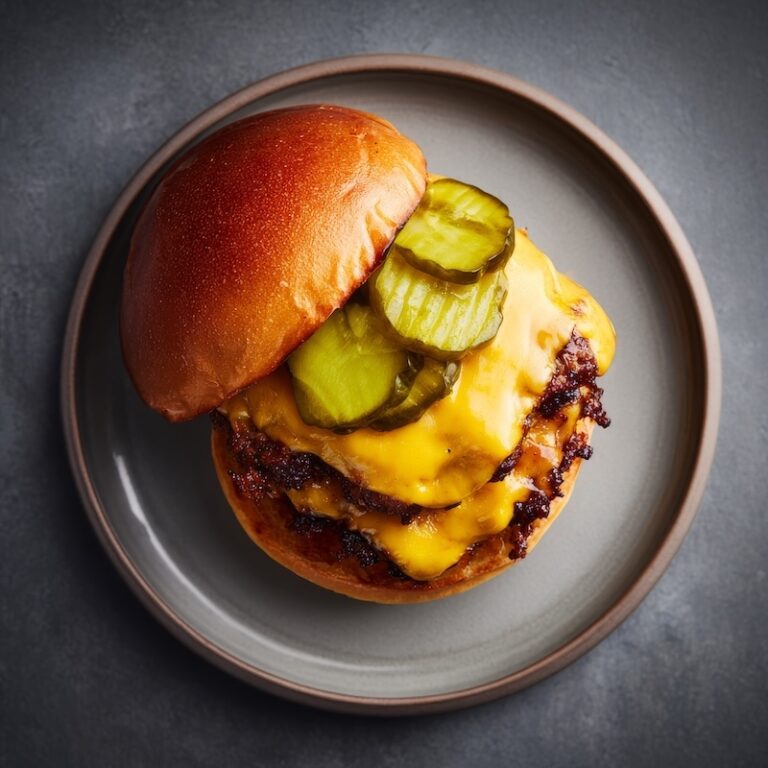
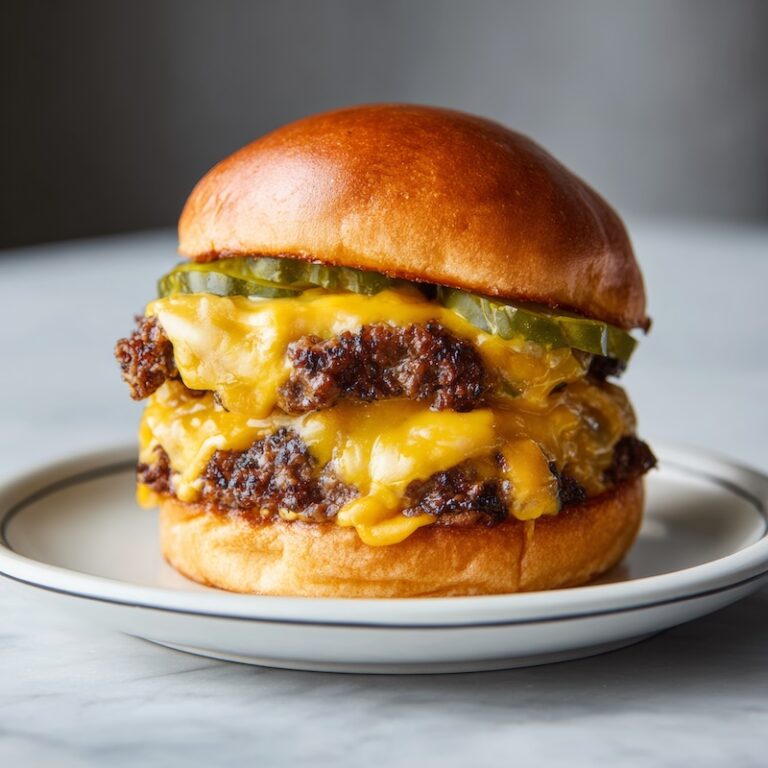
A smash burger is a thin beef patty pressed flat on a screaming-hot surface the moment it hits the pan — the pressure and contact create a crispy, deeply browned crust a thick burger can't get.
The Challenge That Started on a Pickleball Court
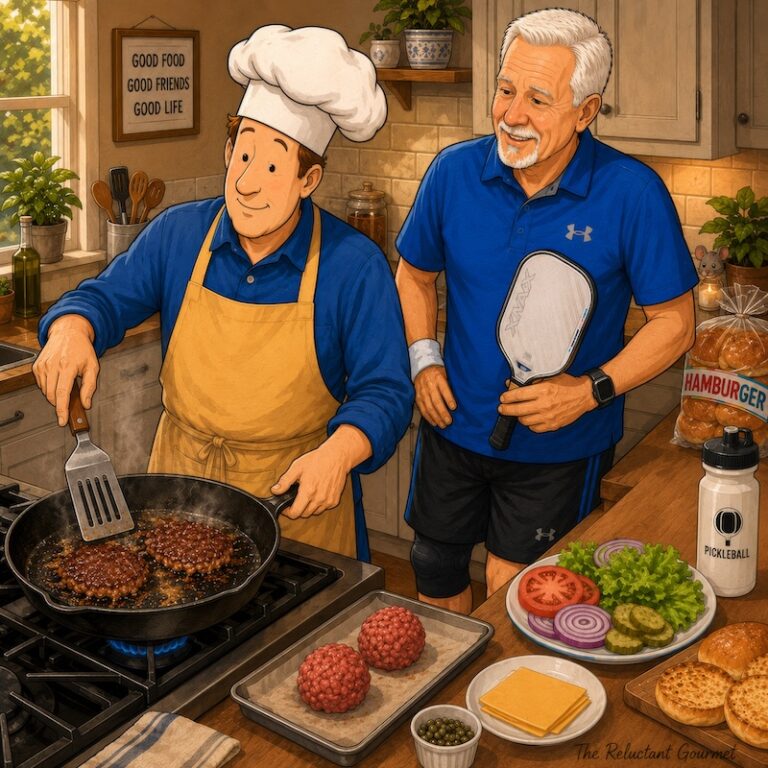
Dale walked me through his method — hot surface, press it flat right away, leave it alone — right there on the pickleball court, which is not where I expected to get burger advice.
That night I looked up what I was missing, tried it on a plain cast iron skillet, and got a response from my family good enough that smash burgers stuck around.
Start Here
- Use 80/20 beef: the fat is what keeps the burger juicy once it hits high heat.
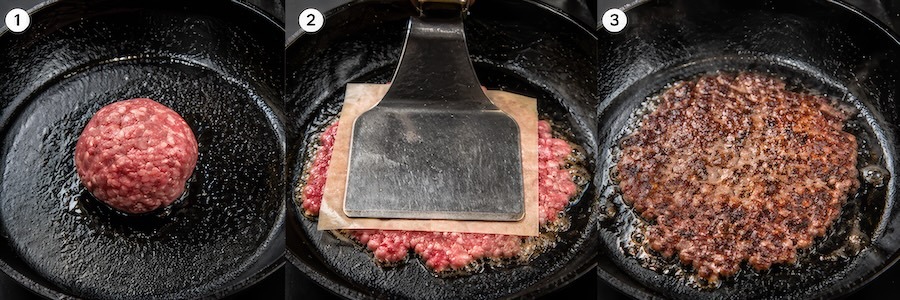
- Start with a ball, not a patty: you smash it flat on the hot surface itself — that's the whole method.
- Get the pan hot first: a screaming-hot cast iron skillet or griddle matters more than any other ingredient here.
- Smash once, then leave it alone: press firmly at the start and don't touch it again until it's time to flip.
- It cooks fast: a thin patty is done in 2 to 3 minutes total, so have everything else ready first.
Why This Works
- Surface contact is the whole game: flattening the meat presses far more of it against the hot pan at once, so it browns instead of just cooking through.
- Thin cooks fast: by the time the crust is deep brown, the inside is barely past medium — there's no window for it to dry out.
- Salt and pepper are enough: the crust does the flavor work; anything more just competes with it.
- Two thin patties beat one thick one: more crust-to-meat ratio per bite, and the cheese has two layers to melt into instead of one.
Smash Burgers
Equipment
- Cast iron skillet or outside grill
Ingredients
- 1 pound ground beef 80/20
- Kosher salt
- freshly ground black pepper
- 4 soft burger buns potato buns preferred
- 4 slices American cheese
- pickles, onions, burger sauce optional
Instructions
Preheat Your Cooking Surface
- Heat a cast iron skillet or griddle over medium-high heat for 3 to 5 minutes — you want it hot enough that a drop of water sizzles and skitters across the surface the instant it lands.
Form the Beef Balls
- Divide the beef into 4 equal portions (about 3 to 4 ounces each) and roll loosely into balls.
Toast the Buns
- Lightly butter and toast buns in the pan until golden. Set aside.
Smash the Burgers
- Place a beef ball on the hot surface and press it flat immediately with a spatula or burger press — this has to happen the second it touches the pan, not after.
- Press firmly for about 10 seconds. A sheet of parchment paper between the spatula and the meat prevents the meat from sticking.
Season & Cook
- Season with salt and pepper, then cook undisturbed for 1 to 2 minutes, until the edges are deeply crisp and browned.
Flip & Add Cheese
- Scrape firmly under the patty with a metal spatula, then flip. Add cheese immediately. Cook another 30 to 60 seconds.
Assemble & Serve
- Stack two patties per burger, add your toppings, and serve immediately — these don't hold, and they're not trying to.
Notes
Nutrition
What Most Cooks Get Wrong
- Not enough heat: a pan that isn't screaming hot won't give you a crust — it'll just steam the meat gray.
- Overworking the meat: pack the ball too tight and the burger turns dense instead of tender.
- Smashing too late: the press has to happen the instant the meat hits the heat, not thirty seconds in.
- Flipping too soon: let the crust actually form before you touch it, or it'll tear instead of release.
- Using lean beef: less fat means a dry, flavorless patty no amount of seasoning fixes.
Quick Fixes and Tips
- No crust forming? Your pan isn't hot enough — give it another few minutes before the next batch.
- Meat sticking to the spatula? Use a metal spatula and scrape firmly under the crust rather than trying to lift straight up.
- Too greasy? Go slightly smaller on the beef portions, or blot between batches.
- Want more flavor? Press thin-sliced onions into the meat right before you smash it so they cook directly into the crust.
- Cheese not melting fast enough? Cover the pan for the last 20 seconds to trap the heat.
What to Serve With This
- Crispy fries or tots: the classic pairing for a reason — something crunchy to match the crust.
- A simple green salad: cuts the richness without competing with it.
- Pickle spears on the side: more acidity than you'd get from a few slices on the burger alone.
- Cold beer, lager or pilsner: light enough not to fight the char and fat.
Storage and Make-Ahead
- Best fresh: smash burgers don't hold well — the crust is the whole point, and it softens fast.
- Make-ahead: portion the beef into balls and refrigerate up to 24 hours before cooking.
- Leftovers: cooked patties keep in the fridge up to 3 days, but they'll lose the crisp texture on reheating — worth knowing going in.
- The pan matters more than the recipe here — if you're not sure yours is up to the job, see buying, seasoning, and cleaning cast iron.
- Salt timing isn't arbitrary in this recipe — here's how to season to taste generally.
- If you want another fast, high-heat way to cook beef well, how to grill a steak covers the same hot-surface logic.
- Ground beef doesn't have to mean burgers — the best sloppy joe recipe is another fast weeknight option.
- For a slower, low-heat use of ground beef instead of a fast one, there's classic chili con carne.
Frequently Asked Questions About Smash Burgers
What makes a smash burger different from a regular burger? It’s pressed flat onto a hot surface the instant it hits the pan, creating a thin patty with a crispy crust — a regular burger is formed first and cooked at a more moderate heat.
Why do you smash the burger? Flattening it increases surface contact with the hot pan, which is what creates the deep browning and crust.
Can I use a nonstick pan? Yes, but cast iron or steel holds heat better and gives a noticeably better crust.
What is the best beef for smash burgers? 80/20 ground beef — enough fat to stay juicy through the high heat, not so much that it’s greasy.
What’s the best seasoning for smash burgers? Kosher salt and freshly ground black pepper, added right after smashing. The crust does most of the flavor work, so anything more just competes with it.
Should I season before or after smashing? After — season the moment the patty is flat, so it’s evenly distributed on the surface that’s about to crisp up.
How thin should the patty be? About 1/4 inch or less once smashed.
Can I make smash burgers on a grill? Yes, but you need a flat griddle surface — the technique doesn’t work on a grate.
Why are my burgers sticking? Either the crust hasn’t fully formed yet or the pan wasn’t hot enough to begin with — give it more preheat time.