
Essential Kitchen Knives
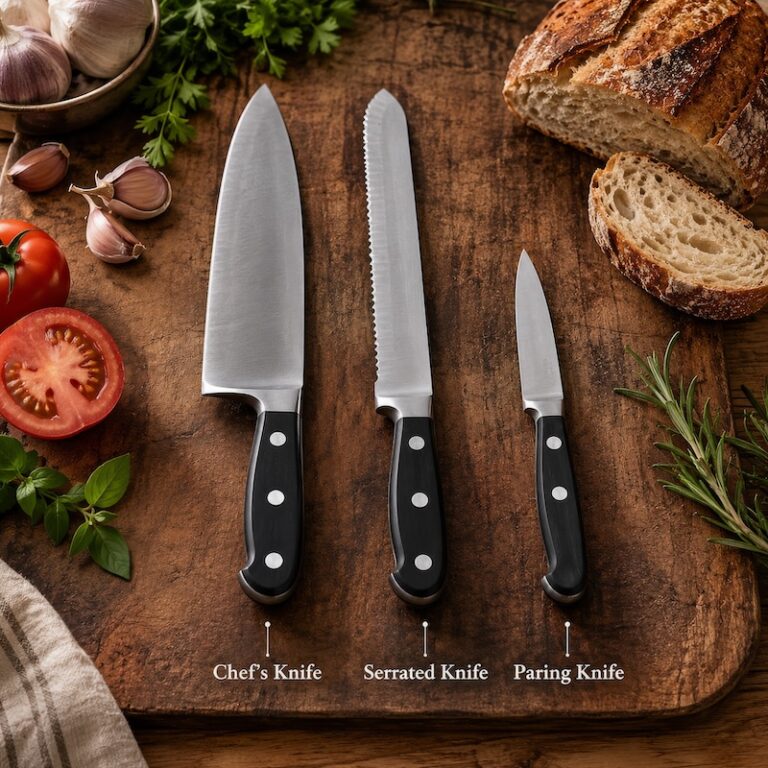
A closer look at the essential kitchen knives every home cook should know.
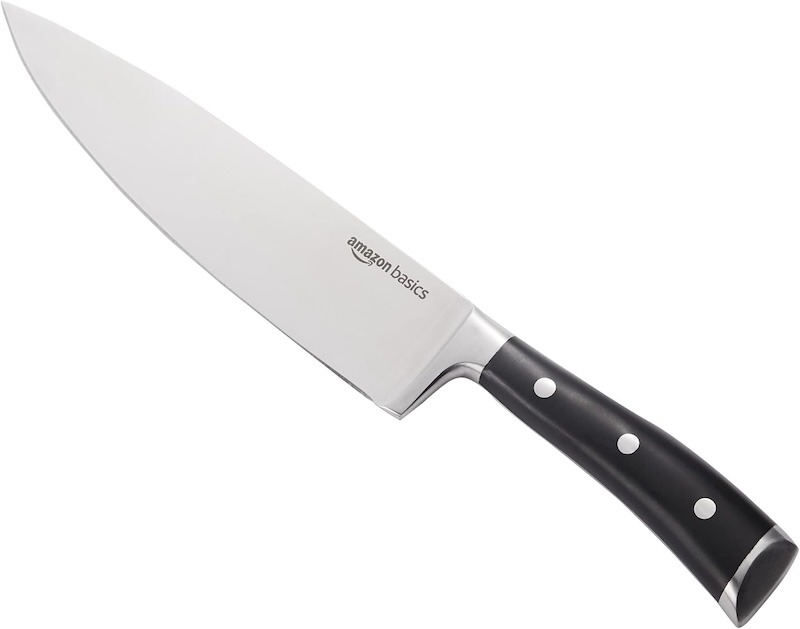
Chef’s Knife
The everyday workhorse for chopping, slicing, and mincing.
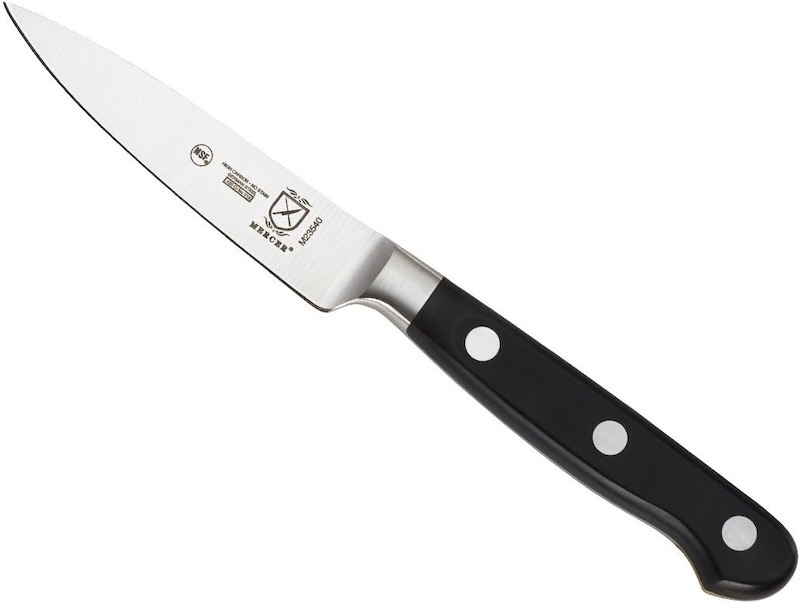
Paring Knife
Precision tool for peeling, trimming, and detail work.
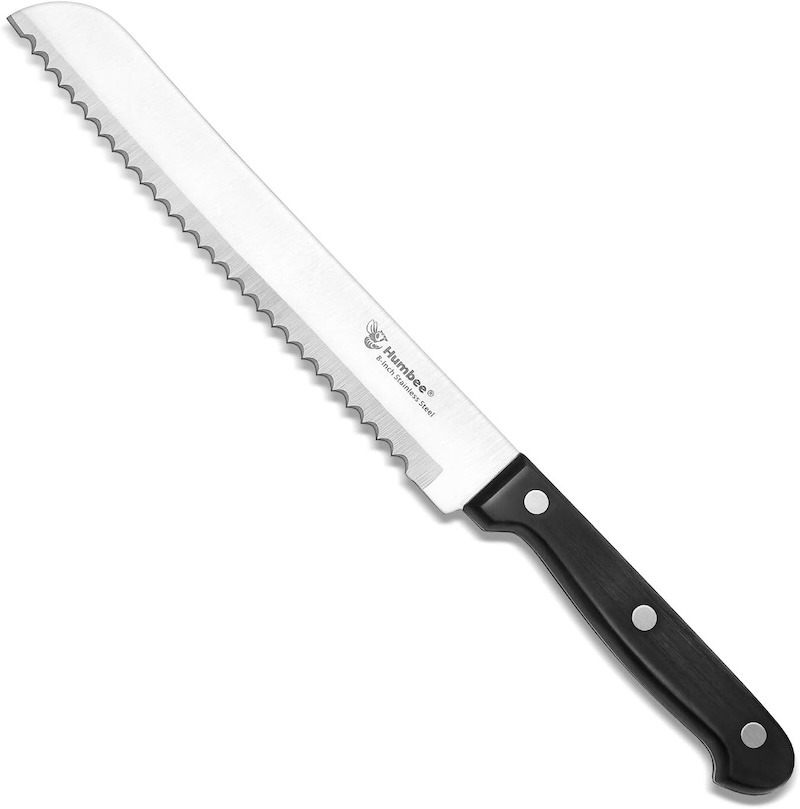
Serrated Knife
Ideal for bread, tomatoes, and soft foods that need clean slicing.
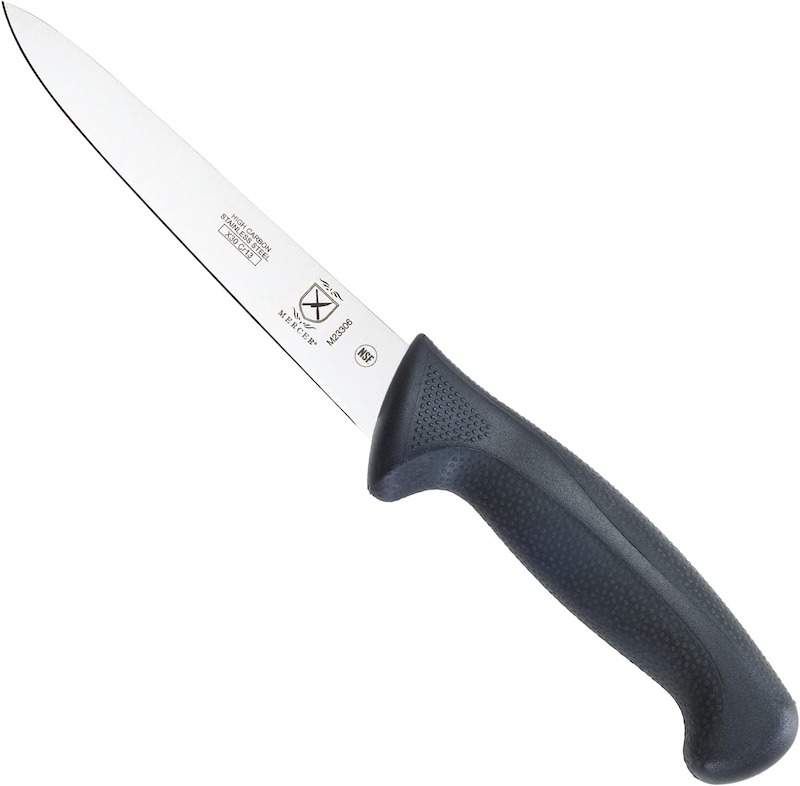
Utility Knife
A versatile in-between knife for small slicing tasks.
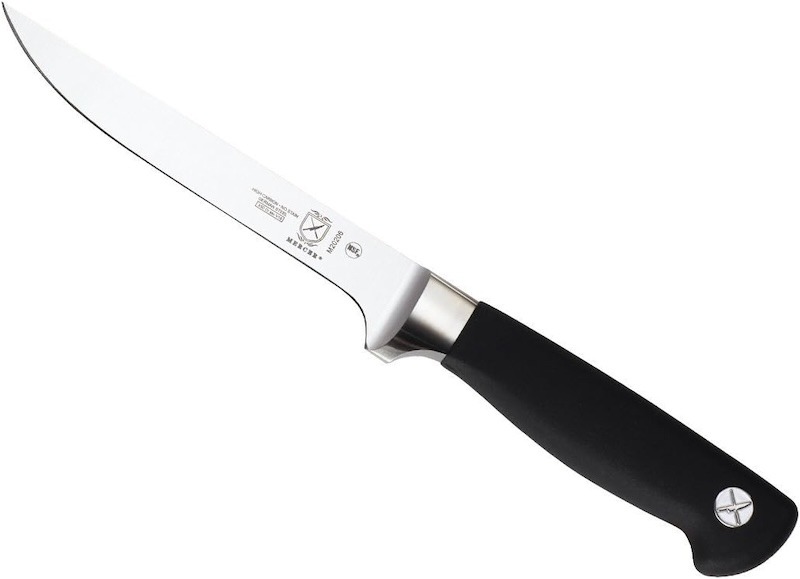
Boning Knife
Designed for removing bones from meat and poultry with precision.
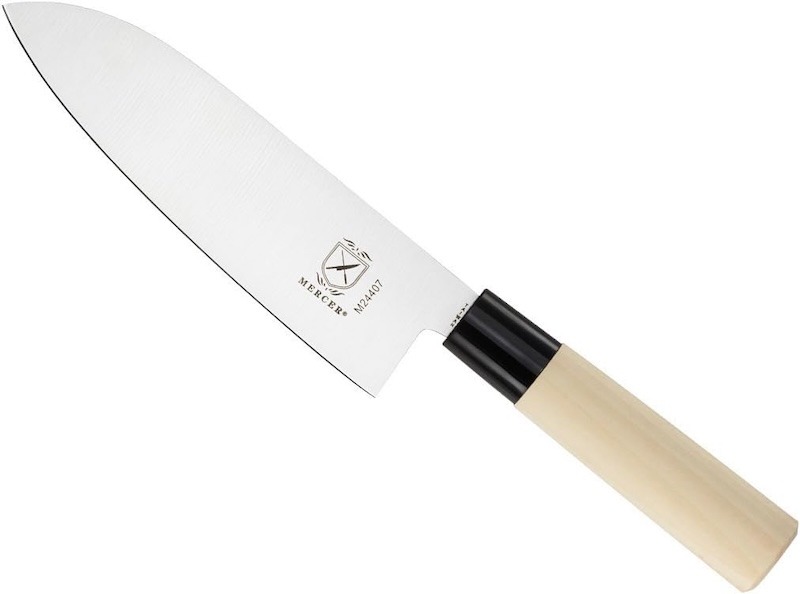
Santoku Knife
Japanese all-purpose knife for slicing, dicing, and chopping.
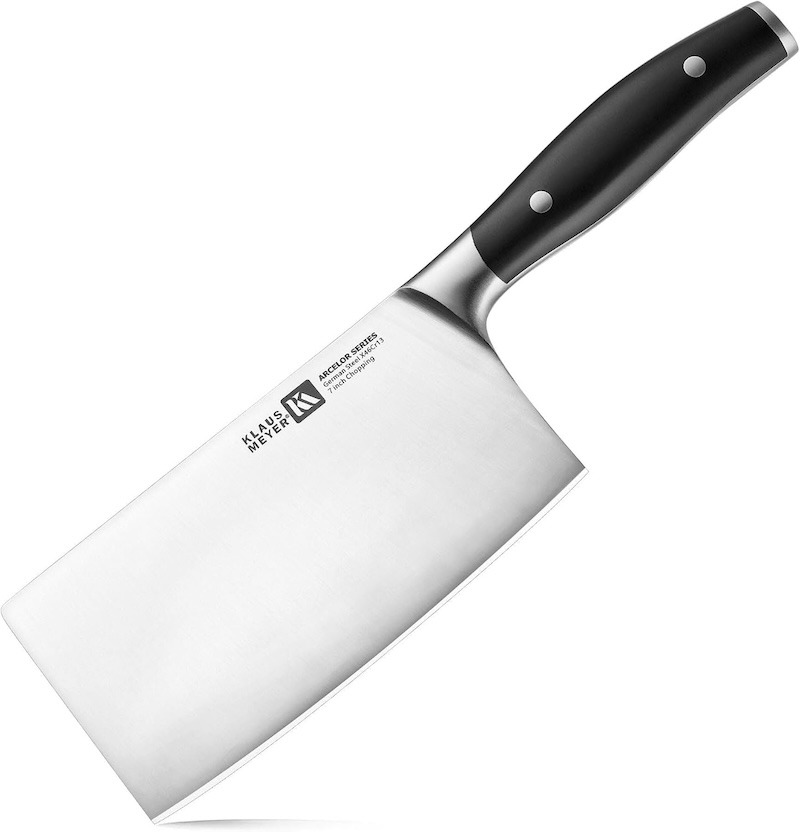
Cleaver
Heavy-duty knife for breaking down dense meats and vegetables.
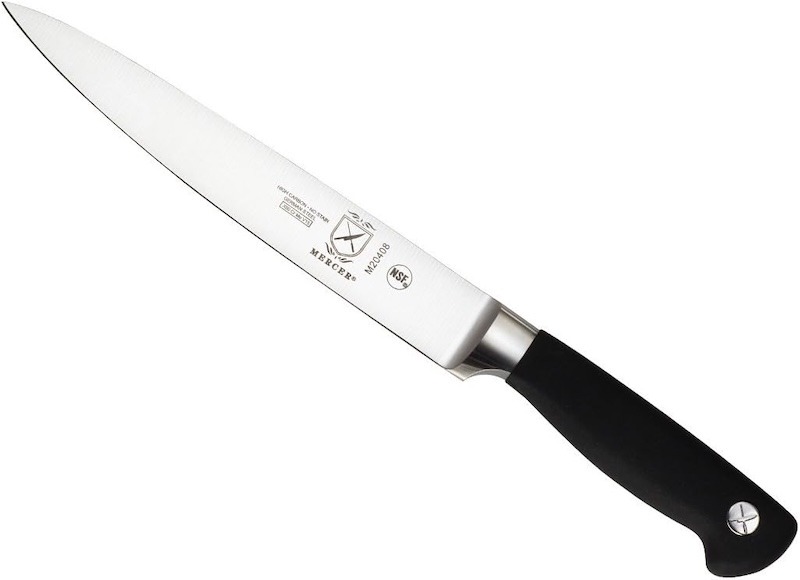
Carving Knife
Long, thin blade for clean slices of cooked meats and roasts.


3 Responses
Good points, Stephen. If I can add something to the discussion, then with knives, like with almost anything crucial which we buy, it really depends on a person’s budget and purpose of use. While I can’t give an opinion about Western-type knives, I know a lot about Japanese ones (I co-founded a shop with handcrafted Japanese knives, japana.uk). Within them, you can get a decent kitchen knife within the range of $150-$200. So for set of three knives, you are looking to spend around $450-$700.
I agree with you: a person only needs 3-4 knives to have a well-balanced set for different purposes.
As for knife types: Gyuto (chef’s knife) and Santoku are the most critical since you use them daily. Our clients who are professional chefs tend to choose R2/SG2 steel knives, Sakai Takayuki and Yu Kurosaki are their favorite blacksmiths. Next, you would need a petty knife (utility) and a Deba or Nakiri.
Good luck and happy knife hunting!
It sure was nice how you suggested checking the shop for knives and giving the items a test drive so as to be sure that I buy the right one that will match my hands perfectly. I never knew that buying a knife can be so complicated, but I will still take note of that. I am a beginner in the kitchen, so it’s paramount that I choose the right supplies for me so that the job will be a lot less problematic. Thank you for the tips!
As usual stephen! Your knowledge about kitchen knives is beyond from my thinking. Thanks dude for helping me to choose the J.A Henkels Knife for my kitchen. That’s match my hands and do work perfectly.