What is a pressure cooker and how does it work?
A pressure cooker is a sealed pot that traps steam as liquid heats. This builds pressure, which raises the boiling point of water and cooks food faster. The result is shorter cook times, tender textures, and concentrated flavors.
Are pressure cookers safe to use?
Yes. Modern pressure cookers are extremely safe and include multiple safety features such as locking lids, pressure release valves, and sensors that prevent operation if the lid isn’t sealed properly. They are far safer than older models from decades ago.
What’s the difference between a pressure cooker and an Instant Pot?
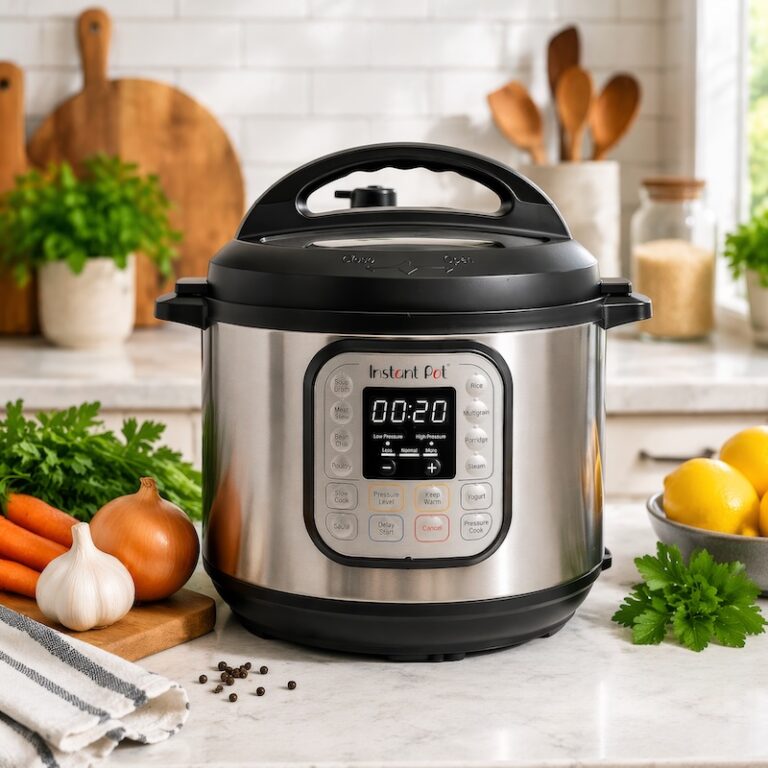
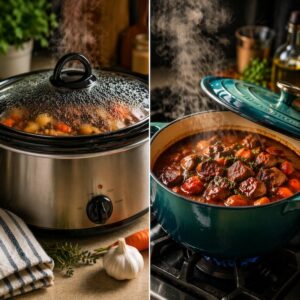
An Instant Pot is an electric pressure cooker with additional functions like slow cooking, sautéing, and yogurt making. Traditional stovetop pressure cookers cook faster and allow more manual control, while electric models are more convenient and beginner-friendly.
What can you cook in a pressure cooker?
You can cook a wide variety of foods including soups, stews, beans, rice, grains, meats, poultry, stocks, and even desserts like cheesecake and custards. It’s especially useful for foods that normally take a long time to cook.
Do you need to add liquid to a pressure cooker?
Yes. Liquid is essential to create steam and build pressure. Without enough liquid, the cooker won’t function properly and may trigger a burn warning or undercook food.
How much liquid do you need?
Most recipes require at least 1 to 1½ cups of liquid, depending on the size and type of pressure cooker. Always follow your manufacturer’s minimum liquid guidelines.
Can you put frozen meat in a pressure cooker?
Yes. Pressure cookers are great for cooking frozen meat safely. You’ll need to increase the cooking time slightly, but it’s a convenient option when you forget to thaw.
How long does it take to cook food in a pressure cooker?
Cooking times vary, but most meals are ready in 15 to 45 minutes under pressure. This is significantly faster than traditional stovetop or oven cooking.
What is natural release vs quick release?
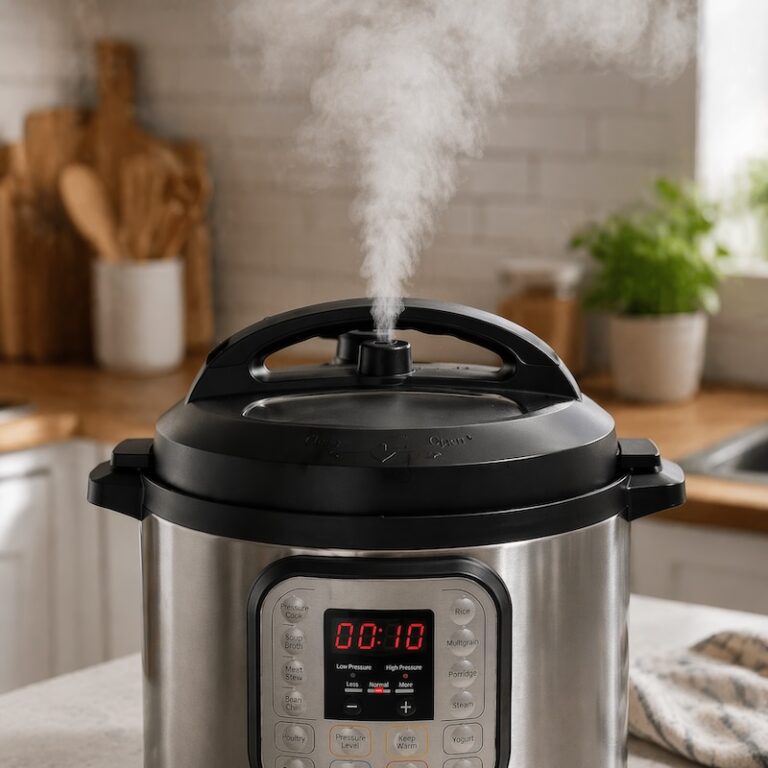
Natural release allows the pressure to drop slowly on its own, which is best for meats and soups. Quick release manually vents the steam and is better for vegetables and delicate foods to prevent overcooking.
Why is my food overcooked or mushy?
Pressure cooking happens quickly, so even a few extra minutes can overcook food. Following recipe timing and using the correct pressure release method helps prevent this.
Can you overfill a pressure cooker?
Yes. Most pressure cookers should not be filled more than two-thirds full, and only halfway for foods that expand like beans or grains. Overfilling can block the pressure valve and affect safety.
Do pressure cookers save energy?
Yes. Because they cook food much faster, they use less energy than ovens or stovetops over long cooking times, making them more efficient.
What size pressure cooker should I buy?
A 6-quart model is ideal for most households. An 8-quart is better for larger families or batch cooking, while smaller models work well for individuals or couples.
Is food healthier in a pressure cooker?
Pressure cooking can preserve more nutrients compared to boiling because of shorter cooking times and less water loss. It also requires less added fat.
Can you use a pressure cooker for meal prep?
Absolutely. Pressure cookers are excellent for batch cooking grains, beans, proteins, and soups, making them ideal for weekly meal prep.
Do pressure cookers replace slow cookers?
They can, especially electric models that include a slow cook function. However, the cooking style is different, and some people still prefer the flavor development of slow cooking for certain dishes.
Why isn’t my pressure cooker building pressure?
Common reasons include not enough liquid, an improperly sealed lid, a damaged sealing ring, or a blocked valve. Checking these usually solves the problem.
Is there a learning curve with pressure cooking?
There’s a small learning curve, but most people become comfortable after just a few uses. Once you understand timing and pressure release, it becomes one of the easiest cooking methods.