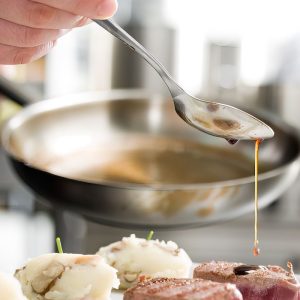
Saute Pan | Choosing and Buying the Right Saute Pan

Picture this: you’re cooking chicken for dinner, the heat is right, the oil is shimmering… and yet instead of a golden sear, you get a pale, crowded mess swimming in its own juices. That’s not a skill problem—it’s a pan problem. The right sauté pan gives your food room to breathe, browns instead of steams, and turns simple ingredients into something restaurant-worthy. With its wide surface and straight sides, it’s the difference between “just cooked” and deeply flavorful, confident cooking—and once you use the right one, you’ll wonder how you ever managed without it.

Sauté Pan Guide: What It Is, How to Use It, and How to Choose the Best One

Sauté Pan vs Frying Pan: What’s the Difference?

Shape

Sauté Pan: Straight, vertical sides that hold in liquids and ingredients

Frying Pan: Sloped sides designed for flipping, tossing, and quick evaporation

Cooking Style

Sauté Pan: Ideal for browning, simmering, and building pan sauces

Frying Pan: Best for fast searing, frying, and high-heat movement

Capacity

Sauté Pan: More usable volume—great for sauces, braises, and one-pan meals

Frying Pan: Shallower design encourages evaporation and quicker reduction

Best For

Sauté Pan: Chicken, vegetables, pan sauces, shallow braises, pasta finishes

Frying Pan: Eggs, pancakes, burgers, and quick stovetop cooking

Quick Insight

A sauté pan is built for control, moisture, and flavor development. A frying pan is built for speed, heat, and movement. One builds dishes—one moves them along.

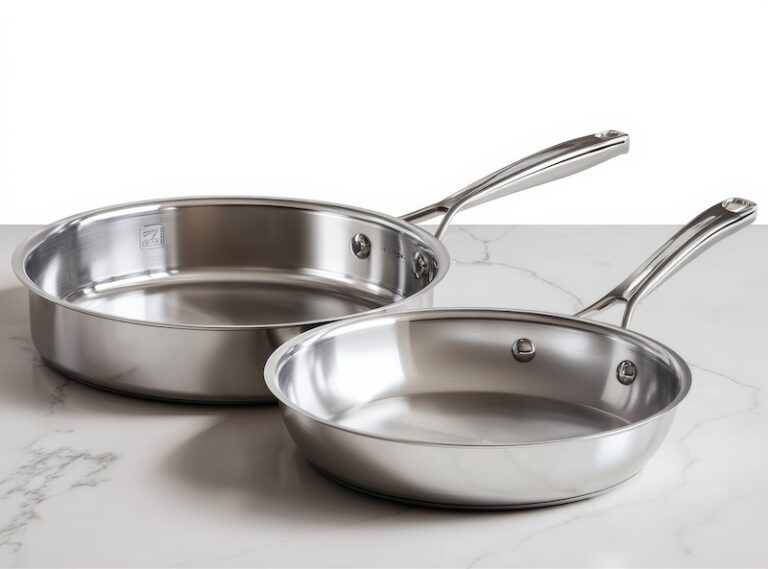
a sauté pan and a frying pan

What Makes a Great Sauté Pan (Buying Checklist)

Straight, High Sides

Helps you cook more food without crowding and keeps sauces, oils, and ingredients contained while you stir and sauté.

Heavy, Even Base

Prevents hot spots so food browns properly instead of steaming or burning in patches.

Well-Fitting Lid

Essential for simmering, braising, and finishing dishes that need moisture retention and gentle heat.

3 to 5 Quart Capacity

The sweet spot for most home cooks—large enough for one-pan meals but still easy to handle.

Oven-Safe Design

Lets you move seamlessly from stovetop searing to oven finishing for more complex dishes.

Comfortable, Balanced Handle

A must for control and safety, especially when the pan is full and heavy.

Quick Insight

A great sauté pan isn’t just about cooking—it’s about control. The right one lets you brown, simmer, and finish a dish all in the same vessel without losing flavor, texture, or momentum.

Sauté Pan Materials: Pros and Cons Explained

Stainless Steel (Tri-Ply / Clad)

Pros: Excellent heat control, durable, non-reactive, great for browning and pan sauces.

Cons: Food can stick if not used properly, takes practice to master heat control.

Nonstick (PTFE or Ceramic)

Pros: Easy cleanup, great for delicate foods like eggs and fish, low-fat cooking.

Cons: Less effective browning, shorter lifespan, not ideal for high heat or fond development.

Hard-Anodized Aluminum

Pros: Lightweight, heats quickly and evenly, usually comes with nonstick coating.

Cons: Not as durable as stainless, coating can wear over time, limited oven tolerance.

Cast Iron

Pros: Superior heat retention, excellent browning, naturally nonstick when seasoned.

Cons: Heavy, slow to heat up, requires maintenance and seasoning.

Carbon Steel

Pros: Fast heating, great browning, lighter than cast iron, develops natural nonstick surface.

Cons: Needs seasoning, can rust if neglected, requires care and technique.

Quick Insight

If you want a lifelong “do-it-all” sauté pan, stainless steel is the most versatile choice. If you want easy cooking with less effort, nonstick wins—but at the cost of durability and high-heat performance.

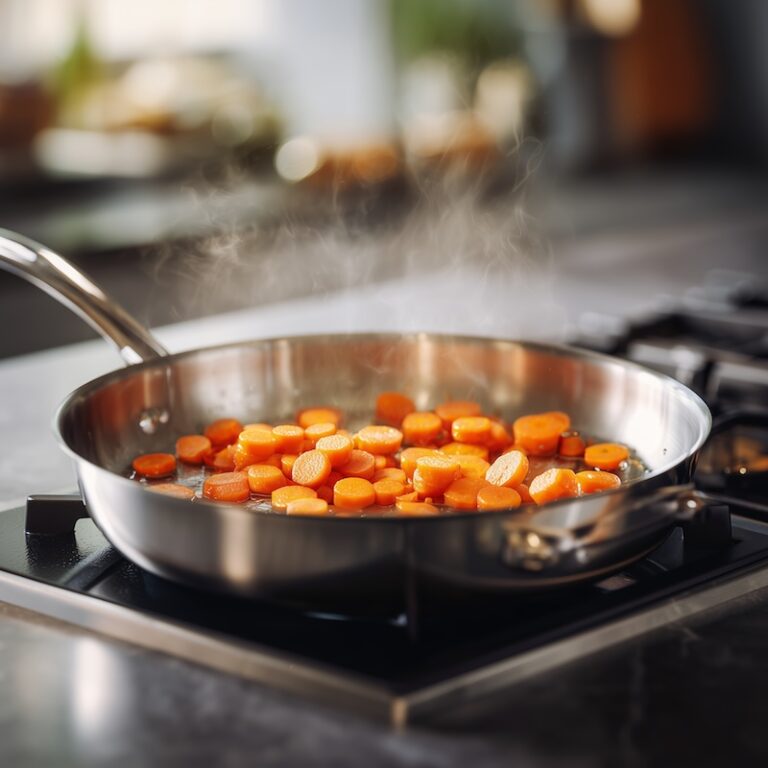
A stainless steel saute pan sauteing carrots

What Size Sauté Pan Should You Buy?

2–3 Quart

Best for solo cooking, small sides, sauces, and reheating. Ideal if you’re cooking for one or making quick, simple meals.

3–4 Quart

A versatile mid-size option for 1–2 people. Great for sautéing vegetables, chicken breasts, and everyday stovetop cooking.

4–5 Quart

The sweet spot for most home cooks. Handles family meals, one-pan dinners, pan sauces, and recipes with more volume.

5–6 Quart

Best for batch cooking, larger families, and meals that start on the stovetop and finish in the oven.

6+ Quart

For entertaining, meal prep, or cooking large portions. Think stews, braises, and big one-pan dishes.

Quick Insight

If you're unsure, the 4–5 quart range is the safest choice. It’s large enough for most recipes without feeling bulky on the stovetop.

Buying a Sauté Pan: Individual Pan vs. Full Cookware Set

Buying a Single Sauté Pan

Pros: You choose exactly the size, material, and quality you want. Better long-term performance and more control over your cookware collection.

Cons: Can cost more per piece, and you’ll need to build your cookware collection gradually.

Buying a Cookware Set

Pros: Lower cost per piece, consistent design across all pans, and you get multiple tools at once.

Cons: You may end up with sizes or pieces you rarely use, and sauté pans in sets are often lower quality than standalone versions.

Quick Insight

If your goal is better cooking performance, start with a high-quality standalone sauté pan in the 4–5 quart range. If you're building a kitchen from scratch, a set can be a practical starting point—but the sauté pan is often the first piece worth upgrading.

Buying a Sauté Pan

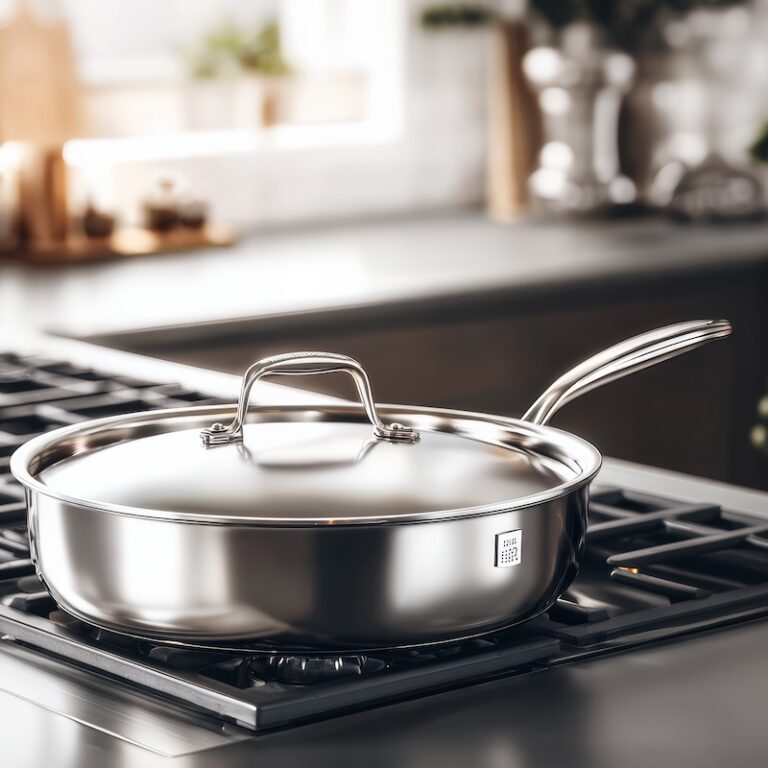
Why a Sauté Pan: Straight, high sides and a wide cooking surface make it perfect for browning, simmering sauces, shallow frying, and one-pan meals without spills.

Choose the Right Material: Stainless steel offers excellent browning and durability, while nonstick is helpful for delicate foods. Look for a heavy, clad base for even heat distribution.

Where to Shop: Kitchenware and specialty cooking stores allow you to feel the balance, test the handle comfort, and compare lid fit before buying.

Amazon Convenience: Amazon carries a wide range of sauté pans in multiple sizes and brands. Compare reviews, features, and prices with easy home delivery.

What to Look For: Oven-safe rating, sturdy helper handle, tight-fitting lid, and a size that fits your stovetop and typical recipes.

🛒 Check Prices for Saute Pans on Amazon

Available on Amazon
Sauté Pan FAQ

What is the difference between a sauté pan and a frying pan?

A sauté pan has straight, vertical sides that hold more food and liquid, making it ideal for sauces and one-pan meals. A frying pan has sloped sides designed for quick cooking and flipping.

Do I really need a sauté pan if I already have a skillet?

If you only cook simple meals, a skillet may be enough. But a sauté pan gives you more capacity and control, especially for sauces, braises, and larger meals.

What size sauté pan is best for home cooking?

Most home cooks are best served by a 4–5 quart sauté pan. It’s large enough for family meals but still easy to handle on the stovetop.

Can a sauté pan go in the oven?

Many stainless steel and cast iron sauté pans are oven-safe, but always check the handle and lid materials before using it at high oven temperatures.

Does a sauté pan need a lid?

A lid is not required, but it greatly increases versatility. It allows you to simmer, braise, and finish dishes with retained moisture.

Quick Insight

If you’re unsure whether you need one, think of a sauté pan as a skillet with “expansion mode”—more room, more liquid control, and more flexibility for full meals in one pan.

12 Responses

  1. Thanks for all this info! I was previously looking at a Le Creuset steel shallow casserole, which seemed to do it all: sautéeing, stir-frying and being good for the oven. But its big, bowl-shaped design and small ‘ear’ handles would make it a nightmare to agitate, something I hadn’t considered. If your cookware doesn’t allow you to develop useful skills I guess there’s no point in buying it, especially when we’re talking a premium brand.

  2. I would really like to find a heavy gauge (4 mm) 7″ aluminium vertical sided sauté pan in the UK. They sell them in the US for around $9. I use them at work and they’re ideal for one / two person portions.

    Gary

      1. A bit late n the day but you should look at Nisbetts catering website where they have a huge range of fry and sauté pans in non stick and bare metal.

  3. Hey, great website, lots of useful information. I will be cooking for two people mostly, I was wondering whether I should go with a 3 quart or a 5 quart pan. Using the pan mostly for meats and reduction sauces. Thanks!

    1. For two people, I think you can get away with a 3 quart saute pan but what if you are having friends over and need to cook for 4 or 6 people? If you are looking for an everyday cooking pan for pan frys and pan sauces and think the 3 quart is too small and the 5 quart is too big, why not try a 4 quart? Also, I would go to a cookware store or a department store that has a cookware section and put the pans in your hands to figure out which is right for you.

    1. Yes! I love my all clad copper core. So far, I’ve 3 qt saute pan, 5.5 qt dutch oven and 3 qt saucepan. I may add a 2/3 qt saucepan in the near future. I threw away all my old kitchenwares.

Leave a Reply

Your email address will not be published. Required fields are marked *

This site uses Akismet to reduce spam. Learn how your comment data is processed.