
Fast Answer
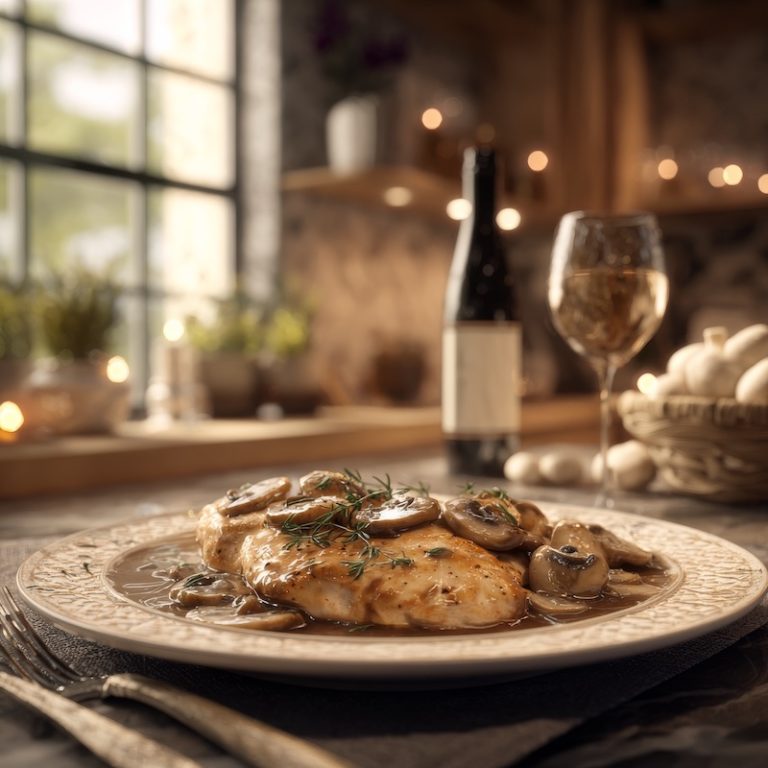
Chicken Marsala is a pan-fried chicken dish finished in a Marsala wine and mushroom sauce. Pound boneless chicken breasts thin, dredge in flour, sear in butter and oil, then deglaze the pan with Marsala wine. Add sautéed mushrooms back in, reduce the sauce, and serve immediately. Total time: about 45 minutes.
The Best Chicken Marsala Recipe (With a Sauce You'll Actually Want to Eat)
Chicken Marsala is one of those dishes that looks and tastes far more impressive than the effort it requires. Pounded chicken, a quick flour dredge, a hot pan, and a splash of Marsala wine — that’s the whole framework. Master those four steps, and you control the dish. This guide walks you through the technique, the sauce, the sides, and every mistake worth avoiding along the way.
Start Here: Read Before You Cook
- Pound your chicken evenly. Uneven thickness = uneven cooking. Get every breast to about ¼ inch before you do anything else.
- Don't skip the flour dredge. It creates the golden crust and helps the sauce cling to the chicken. Shake off the excess — too much flour makes the sauce gummy.
- Cook your mushrooms first, separately. Adding them too early turns them soggy. Brown them in butter, pull them out, and add them back at the end.
- Use a real Marsala wine. Cooking wine from the grocery shelf has added salt and kills the sauce. Spend $8 on a bottle of dry or sweet Marsala — it makes a real difference.
- Deglaze off the heat. Remove the pan from the burner before adding wine to a hot pan. It prevents flare-ups and gives you better control of the reduction.
Why This Recipe Works
- Pounding the chicken thin ensures fast, even cooking — no dry edges and no raw centers. It's not optional; it's what makes the whole technique work.
- The flour dredge does double duty: it creates a golden crust on the chicken and lightly thickens the sauce when the pan is deglazed.
- Cooking mushrooms separately lets them brown properly instead of steaming. Browning = flavor. Steaming = mush.
- Deglazing with Marsala wine lifts the browned bits (fond) off the pan. Those bits are concentrated flavor — don't leave them behind.
- Butter in the pan adds richness and helps the sauce emulsify into something silky instead of thin and watery.
Chicken Marsala Recipe
Ingredients
- 4 chicken breasts boneless
- ½ cup all purpose flour
- 2 tablespoons butter
- 2 cups mushrooms
- 1 tablespoons olive oil
- ½ cup Marsala wine
- salt and freshly ground black pepper to taste
- 2 sprigs fresh flat-leafed parsley
Instructions
Pound the Chicken
- Place each chicken breast between two sheets of plastic wrap or inside a zip-lock bag. Use a meat mallet, rolling pin, or the bottom of a heavy skillet to pound each breast to an even ¼-inch thickness. This is the most important step — even thickness means even cooking.
- Season both sides generously with salt and pepper.
Prep the Mushrooms and Parsley
- Slice the mushrooms into thin, even pieces.
- Finely chop the parsley and set it aside. Having everything prepped before you start cooking makes the whole process flow much faster.
Cook the Mushrooms
- Melt 1 tablespoon of butter in a large skillet over medium heat. Add the mushrooms in a single layer and cook without stirring for 3–4 minutes, letting them brown. Then stir and continue cooking until they're golden brown and any released liquid has cooked off — about 8–12 minutes total.
- Remove the mushrooms from the pan and set them aside.
Dredge the Chicken
- Pour the flour onto a shallow plate. Dredge each chicken breast in flour, coating both sides lightly. Shake off any excess — too much flour will make your sauce gummy.
Sear the Chicken
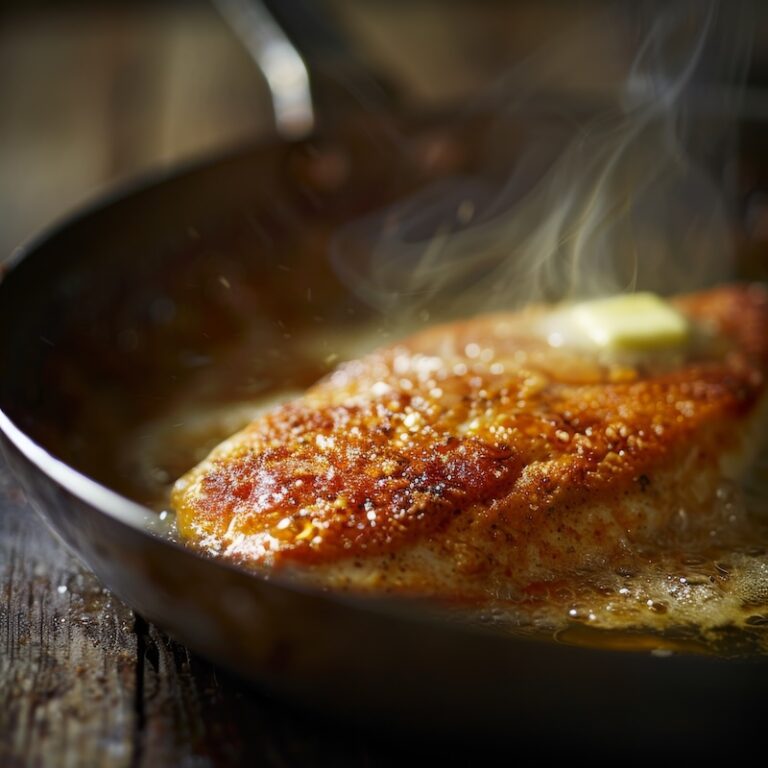
- Add the olive oil and the remaining 1 tablespoon of butter to the same skillet. Raise the heat to medium-high.
- When the butter stops foaming, and the pan is hot, add the chicken breasts — don't crowd the pan. Cook in batches if necessary.
- Sear each breast for 1–2 minutes per side until golden brown.
- Remove the cooked breasts to a platter and tent loosely with foil to keep warm.
Deglaze with Marsala
- Remove the pan from the heat. Carefully pour in the Marsala wine — removing the pan from the burner prevents flare-ups.
- Return to medium heat and use a wooden spoon to scrape up all the browned bits stuck to the bottom of the pan. Those bits are concentrated flavor.
- Simmer until the wine has reduced by about half, roughly 2 minutes.
Build the Sauce
- Add the reserved mushrooms back into the pan.
- Taste and season with salt and pepper.
- Stir in the chopped parsley. Let everything simmer together for 1 minute so the flavors meld.
Plate & Serve
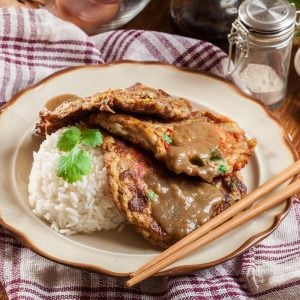
- Arrange the chicken breasts on individual plates alongside your chosen sides. Spoon the mushroom Marsala sauce generously over the top. Serve immediately.
Notes
- Sweet vs. dry Marsala: Sweet Marsala makes a richer, more crowd-pleasing sauce. Dry Marsala is more savory and nuanced. Both are correct. Avoid "cooking wine" from the grocery shelf — it tastes nothing like real Marsala.
- For extra richness: Stir a tablespoon of demi-glace into the sauce when you deglaze for restaurant-level depth.
- For a cream sauce version: Add 2–3 tablespoons of heavy cream after reducing the wine. Stir and cook one more minute.
What Most Cooks Get Wrong
- Using "cooking wine" from the grocery shelf. It's loaded with salt and tastes nothing like real Marsala. Use actual Marsala wine — dry or sweet both work, just pick one and stick with it.
- Skipping the pounding step. A thick, uneven chicken breast will be raw in the middle before the outside overcooks. Five minutes of pounding saves you a ruined dinner.
- Crowding the pan. Too many pieces at once drops the pan temperature and the chicken steams instead of sears. Cook in batches if needed — it's worth the extra few minutes.
- Not reducing the sauce enough. If your sauce tastes too sweet or too winey, it hasn't reduced. Give it another 1–2 minutes on medium heat. It should coat the back of a spoon.
- Adding mushrooms too early. They release water, which floods the pan and prevents browning. Cook them separately, set them aside, and stir them in at the end.
Quick Fixes & Pro Tips
- Sauce too thin? Let it reduce longer over medium heat, or stir in a small pat of cold butter off the heat (beurre monté) to thicken and enrich it.
- Sauce too sweet? You likely used sweet Marsala. Add a small splash of chicken broth and a squeeze of lemon to balance it. Reduce again briefly.
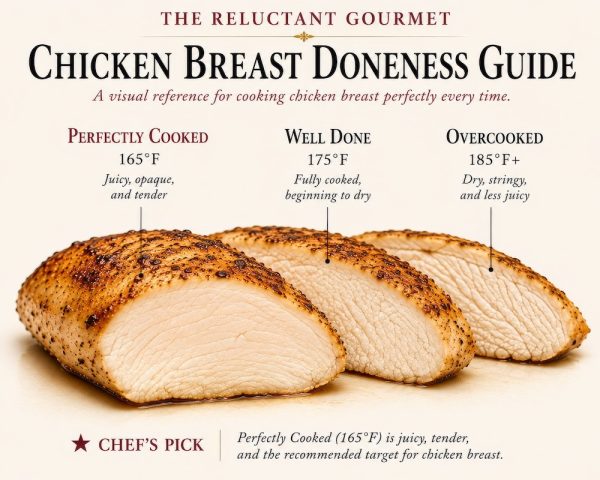
- Chicken dried out? It cooked too long. Breasts this thin need only 1–2 minutes per side. Pull them early — they'll finish cooking on the platter under foil.
- Want more depth? Add a tablespoon of demi-glace or a splash of chicken stock when you deglaze. It rounds out the sauce and adds a restaurant-quality richness.
- No meat pounder? Use the bottom of a heavy skillet or a soup can wrapped in a towel. Works just as well.
- Make it a full Italian meal: Start with a simple green salad, add Marsala chicken over pasta or polenta, finish with a scoop of gelato. Done.
What to Serve With Chicken Marsala
- Creamy mashed potatoes — the classic pairing. They soak up the sauce better than almost anything else on this list.
- Buttered egg noodles — light, neutral, and fast. A weeknight staple that lets the sauce shine.
- Soft polenta — slightly sweet, deeply creamy, and a natural match for the earthy mushroom sauce.
- Risotto — a more elegant option for dinner parties. Parmesan risotto alongside Marsala chicken is hard to beat.
- Roasted asparagus — the slight bitterness cuts through the richness of the sauce and adds color to the plate.
- Sauteed spinach — fast (5 minutes), healthy, and the garlic echoes the savory notes in the sauce.
- Crusty bread or baguette — when in doubt, give people something to mop the plate with. They will.
- Wine pairing: Serve with the same Marsala you cooked with, or try a medium-bodied Italian white like Pinot Grigio or Soave. For red lovers, a light Chianti works well.
Storage & Make-Ahead
Storing leftovers: Let the chicken cool completely, then store it in an airtight container with the sauce spooned over the top. It keeps in the refrigerator for up to 3 days.
Reheating: Warm gently over low heat in a covered skillet with a splash of chicken broth to loosen the sauce. Avoid the microwave if you can — it toughens the chicken fast.
Make-ahead tip: You can pound and dredge the chicken breasts up to several hours ahead. Keep them on a plate in the fridge, uncovered, until ready to cook. The light flour coating actually adheres better after a short rest.
Freezing: This dish doesn't freeze particularly well. The sauce can separate and the mushrooms turn mushy after thawing. Better to eat it fresh or within a few days.
Try the Sauce With Other Proteins
- Veal — the original. Thinly sliced cutlets cooked the same way as chicken. More delicate flavor, worth trying if you can find it.
- Pork — thinly sliced tenderloin or chops work great. Stays tender and soaks up the sauce well.
- Beef — not traditional, but sliced tenderloin or sirloin seared and finished in Marsala sauce makes a rich, hearty plate.
- Tofu — firm tofu, sliced and sautéed until golden, then simmered in the sauce. A solid plant-based option that actually absorbs the flavor.
- Mushrooms only — skip the protein entirely and let a mix of cremini, portobello, and shiitake carry the dish. Earthy, satisfying, and completely vegetarian.
Where Did Chicken Marsala Come From?
No one invented Chicken Marsala. It evolved.
Marsala wine itself has a clear origin: English merchant John Woodhouse settled in Marsala, Sicily in the late 18th century and began producing a fortified wine modeled on Spanish sherry. It caught on fast and became one of the region’s most important exports.
The dish came later — most likely as Italian-American cooks found ways to cook with what they had. By the mid-20th century, Chicken Marsala had become a staple on Italian-American restaurant menus across the U.S. It’s stayed there ever since.
Worth noting: if you travel to Italy, you probably won’t find it on the menu. This one belongs to the Italian-American kitchen, not the Sicilian one.
Chicken Marsala FAQ
What kind of Marsala wine should I use — sweet or dry? Either works. Dry Marsala gives you a more savory, complex sauce. Sweet Marsala makes the sauce a bit richer and more crowd-pleasing. Most recipes (and restaurants) use sweet. If you’re unsure, start with sweet.
Can I use chicken thighs instead of breasts? Yes — and many cooks prefer them. Boneless, skinless thighs are more forgiving, stay moist longer, and have more flavor. Pound them to an even thickness just like you would a breast.
My sauce came out watery. What went wrong? Two likely causes: you didn’t cook off enough liquid from the mushrooms before adding the wine, or you didn’t reduce the sauce long enough after deglazing. Both are easy fixes. Cook mushrooms until they’re dry and browned, then let the wine reduce until it coats a spoon.
Can I make Chicken Marsala without alcohol? You can substitute chicken broth with a small splash of balsamic vinegar and a teaspoon of grape juice to approximate the flavor profile. It won’t taste the same, but it works in a pinch. The dish is fundamentally built around the wine, so expect a different result.
Is Chicken Marsala actually Italian? It’s Italian-American. Marsala wine comes from Sicily, and the technique mirrors classic Italian pan-sauce cooking, but the dish as most people know it was popularized in Italian-American restaurants in the U.S. You won’t find it on most menus in Italy.
What mushrooms work best? Cremini (baby bella) mushrooms are the standard choice — they have more flavor than white button mushrooms and hold their shape well. Shiitake or a wild mushroom blend adds even more depth if you want to upgrade. Avoid large portobello caps; they release too much water.
Can I add cream to the sauce? Yes, and it’s delicious. Add 2–3 tablespoons of heavy cream after reducing the wine, stir to combine, and let it cook for another minute. It makes the sauce richer and mellows the acidity of the wine. This version is sometimes called Chicken Marsala with cream sauce.
How do I keep the chicken warm while I make the sauce? Place the cooked chicken breasts on a platter, tent loosely with foil, and keep them near (not on) the stove. The residual heat keeps them warm for 5–8 minutes — more than enough time to finish the sauce.
Can I double this recipe for a larger group? Yes, but cook the chicken in batches — never crowd the pan. You can keep finished batches warm in a 200°F oven on a sheet pan. Make the sauce once all the chicken is done using the same pan.
What’s the difference between Chicken Marsala and Veal Marsala? Same technique, same sauce — different protein. Veal is the original Italian preparation and has a more delicate, subtle flavor. Chicken is more affordable, easier to find, and just as satisfying. If you like this recipe, the veal version is worth trying.


11 Responses
Great recipe and easy to follow!!
This REALLY is a PHENOMENAL recipe. Cooked it for Valentines day since it’s my girlfriends favorite dish (I’ve personally never made it until then). It BLEW HER AWAY!
In the directions above you said “add the mushrooms and cook until lightly browned”. When I saute mushrooms I will cook them to the point that the liquid I am cooking them with is released again. Is the “lightly browned” stage at that point or a little earlier?
Hi Dave, in my experience, the browning takes place after they have released their liquids, the liquids cook off and then they start to brown.
I followed the link to this recipe for Marsala from your piece re: Demi glacé gold, So where does the Demi glacé come into play in this recipe? (By the way when referencing amounts of DG in your recipes, would be helpful to know how much in tsp/tablespoons of Demi glacé gold with how much water). Thx!
Hi Amy, thanks for pointing this out to me. The recipe shown is an adaptation from the New Basics Cookbook version and does not include Demi Glace as one of the ingredients. It’s a great recipe that I’ve used many times but once I learned how my friend and professional chef Ricco DeLuca prepared it, I wrote an ebook with his recipe describing way more than how to make chicken Marsala but a mini tutorial on how to saute, make pan sauces and how to make multiple sauces with these techniques. The ebook is no longer available, so I’m going to post Chef Ricco’s recipe here and I’ll post this version in another post.
To answer your question about Demi Glace Gold, one of my favorite commercial demi-glace products, I don’t use teaspoons or tablespoons because it is so gelatinous, it’s difficult to measure out that way. I prefer to use 1 ounce Demi Glace Gold to 5 ounces of hot water.
If you had to use tablespoons, 1 fluid ounce = 2 tablespoons but the Demi Glace Gold is not fluid. Maybe if you heated it up it would work but I don’t suggest that. In the future, I’ll try to only use demi-glace in my ingredients and suggest Demi Glace Gold as a good commercial substitute.
So I am learning about sauces (your website has been an wonderful tool). However i am wondering whether to attempt making my own demi glace or to buy demi glace gold. The container seems rather small. How many servings do you get out of a typical container? Also Ive read you article on how to make beef broth, brown sauce and demi-glace and am wondering if you have any resources for making larger quantities (i’m the make it and freeze it type).
THanks!
Danielle, I have made demi-glace from scratch just a couple of times, and unless you are a purist, I find there are some very good commercial products, like Demi Glace Gold, that work just as well for me and my cooking. It takes a lot of work and time to make demi at home, so if you do, I recommend making a bunch and freezing it, as you suggested.
Tried to use your print button but it would not work.
so dissappointed
Not sure why Mac. I just tried it and it worked fine.
Tried it but turned out too sweet. Did I not reduce long enough?