Best Shrimp Scampi Recipe — Tips for Perfect Garlic Butter Scampi

Shrimp scampi isn’t just dinner—it’s a fast, garlicky, buttery miracle that makes you feel like a gourmet chef in minutes. Tender shrimp, zesty lemon, and pasta that soaks up every drop of sauce? Yes, please. This recipe proves weeknight meals can be indulgent, impressive, and ridiculously easy.

Easy Shrimp Scampi (Garlic Butter Sauce) — Ready in 25 Minutes

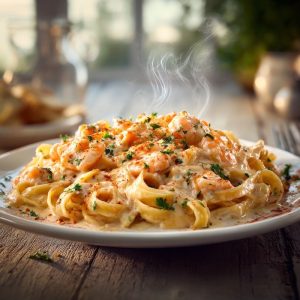
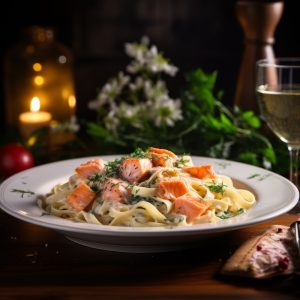
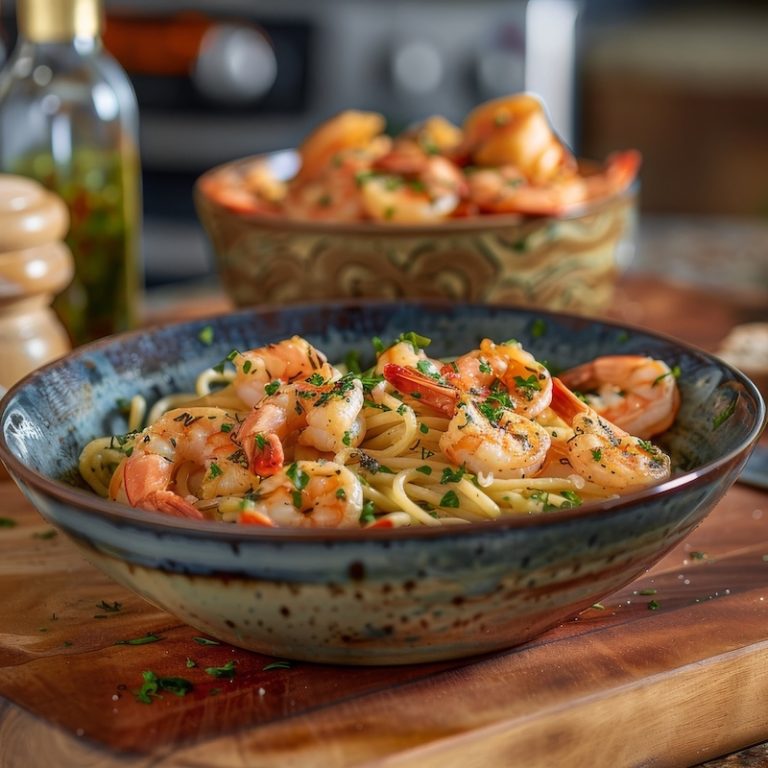
This shrimp scampi recipe is a delicious and flavorful dish that has gained popularity worldwide. It is a classic Italian-American recipe with succulent shrimp cooked in a garlic-infused buttery sauce. With its rich flavors and simple preparation, shrimp scampi has become a go-to for seafood lovers and those seeking a quick, satisfying meal.

Of course, shrimp is the star ingredient of shrimp scampi. These crustaceans are known for their sweet, delicate flavor, making them a perfect choice for this dish. Whether you opt for jumbo shrimp or smaller varieties, the key is to ensure they are fresh and properly cleaned before cooking.

The dish begins with sautéing the shrimp in butter and olive oil, which imparts a rich, luscious flavor. The shrimp are cooked until they turn pink and start to curl, indicating that they are perfectly cooked and tender. This process takes only a few minutes, making shrimp scampi ideal for a quick, effortless meal.

Shrimp Scampi Recipe

A classic Italian American Dish prepared with shrimp.
Prep Time12 minutes
Cook Time13 minutes
Total Time25 minutes
Course: Main Course
Cuisine: American, Italian
Keyword: scampi, shrimp
Servings: 3 people

Ingredients

Instructions

  • In a large skillet, melt the butter and olive oil over medium heat.
  • Add the minced garlic and red pepper flakes (if using) to the skillet and sauté for about 1 minute or until the garlic becomes fragrant and lightly golden.
  • Increase the heat to medium-high and add the shrimp to the skillet—season with salt and pepper to taste. Cook the shrimp for 2-3 minutes on each side, or until they turn pink and curl up.
  • Remove the shrimp from the skillet and set them aside.
  • Pour the white wine into the skillet and stir, scraping the bottom of the pan to deglaze it.
  • Add the lemon juice and zest to the skillet, and let the mixture simmer for 2-3 minutes to reduce slightly.
  • Return the cooked shrimp to the skillet and toss them in the sauce to coat them evenly. Cook for an additional minute or two to reheat the shrimp.
  • Remove the skillet from the heat and sprinkle fresh parsley over the shrimp scampi.
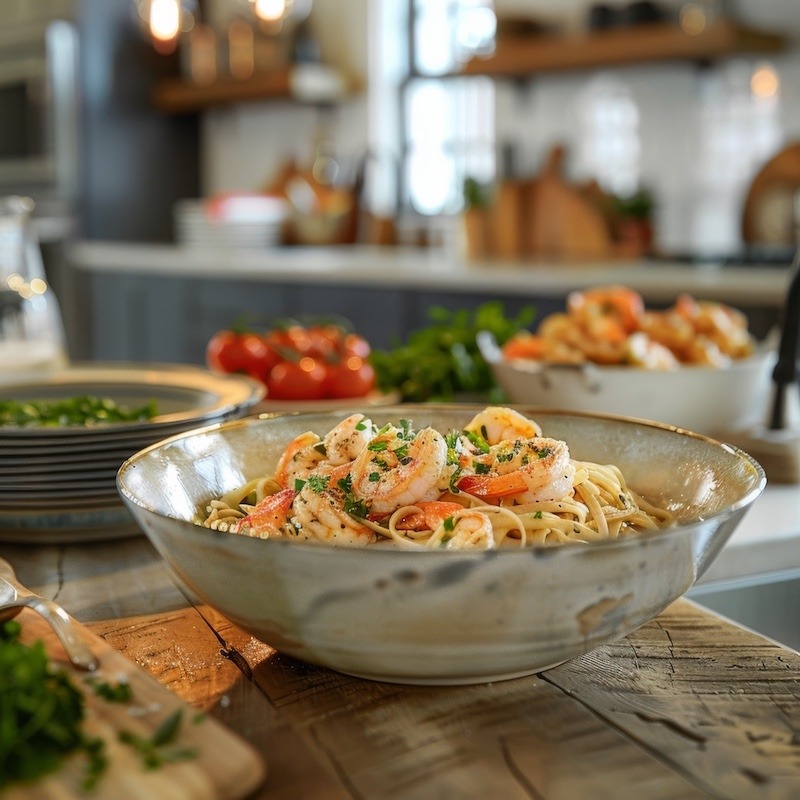
  • Serve the shrimp scampi over cooked pasta or with crusty bread to soak up the flavorful sauce.
  • Garnish with additional parsley and lemon wedges if desired, and enjoy!

Notes

This recipe serves approximately 2-3 people, but you can easily adjust the quantities based on your needs. Feel free to add your own variations, such as additional herbs or spices, to personalize the dish to your taste.
Love this recipe? Leave a star rating and comment below!”

Cooking Tips for Preparing Shrimp Scampi

Pro Tip Description
Use Large or Jumbo Shrimp They stay juicy and tender, and are less likely to overcook. Peel and devein for best results.
Pat Shrimp Dry Dry shrimp sear better in the pan, developing a slight golden edge for more flavor.
Don’t Overcook Shrimp cook fast—about 2 minutes per side. Overcooking makes them rubbery.
Use Fresh Garlic Freshly minced garlic infuses the oil and butter with more intense flavor than pre-minced jars.
Deglaze with Wine White wine lifts flavorful bits from the pan and adds brightness to the sauce. Use dry varieties like Sauvignon Blanc or Pinot Grigio.
Balance with Lemon Juice Add lemon juice at the end to cut richness and bring freshness to the dish.
Finish with Cold Butter Swirl in cold butter off-heat to thicken the sauce and create a silky texture.
Serve Immediately Shrimp scampi is best hot off the stove—serve over pasta, rice, or crusty bread right away.
Shrimp Scampi Recipe

Pittfalls to Avoid When Making This Dish

Overcooking the shrimp – They turn rubbery fast; 1–2 minutes per side is usually enough.

Cooking shrimp straight from the fridge – Cold shrimp lower the pan’s heat and steam instead of sear. Let them sit at room temp for 10–15 minutes.

Using pre-minced or old garlic – Freshly minced garlic gives a sweeter, more vibrant flavor.

Letting garlic brown or burn – Burnt garlic turns bitter. Sauté it gently over medium heat.

Skipping the deglazing step – White wine lifts browned bits and builds deeper flavor.

Adding lemon juice too early – Acidity can dull during cooking; add at the end for brightness.

Breaking the butter sauce – Don’t add cold butter over high heat or it will separate. Swirl it in off-heat for a silky finish.

Using low-quality shrimp – Watery, frozen shrimp can dilute flavor. Choose wild-caught or dry-packed if possible.

Skipping seasoning layers – Season the shrimp and the sauce for depth. Salt only at the end can taste flat.

Shrimp Scampi FAQ

What is shrimp scampi, exactly?
Shrimp scampi is a classic Italian-American dish made with shrimp cooked quickly in olive oil or butter, garlic, white wine, and lemon. In Italy, “scampi” refers to langoustines. In the U.S., it describes shrimp prepared in this garlic-butter style.

What size shrimp works best for shrimp scampi?
Large or extra-large shrimp work best. Look for 16/20 or 21/25 count shrimp. They stay juicy, cook evenly, and hold up well in the sauce without overcooking.

Should I use fresh or frozen shrimp?
Frozen shrimp are perfectly fine and often fresher than “fresh” shrimp at the seafood counter. Thaw them completely, pat them dry, and season just before cooking.

Do I have to use white wine?
No. You can replace the wine with chicken broth, seafood stock, or even extra lemon juice. The flavor will change slightly, but the dish will still be bright and delicious.

How do I keep shrimp from turning rubbery?
Cook shrimp quickly over medium-high heat. As soon as they turn pink and curl into a loose “C” shape, they’re done. Overcooking is the most common mistake.

Is shrimp scampi spicy?
Shrimp scampi is mildly seasoned. Red pepper flakes add gentle heat, but you can increase or omit them based on your preference.

Can I make shrimp scampi ahead of time?
Shrimp scampi is best served immediately. If needed, you can prep ingredients in advance, but cook the shrimp just before serving to preserve texture and flavor.

What should I serve with shrimp scampi?
Shrimp scampi pairs well with pasta, crusty bread, rice, or zucchini noodles. A simple green salad or roasted vegetables balance the richness of the sauce.

Can I use butter instead of olive oil?
Yes. Many versions use butter, olive oil, or a combination of both. Olive oil adds fruitiness, while butter adds richness. Using both creates the best balance.

How long does leftover shrimp scampi last?
Store leftovers in an airtight container in the refrigerator for up to two days. Reheat gently to avoid overcooking the shrimp.

Adding to the Flavor

To enhance the flavor, minced garlic is added to the pan, infusing the buttery sauce with its aromatic essence. The garlic turns golden and fragrant as it cooks, infusing the dish with its distinct flavor. Some recipes also call for adding red pepper flakes, which add a hint of heat and elevate the overall taste profile.

Once the shrimp and garlic are cooked to perfection, a splash of white wine is added to deglaze the pan. The wine not only adds a tangy note to the sauce but also helps to create a delicious glaze that coats the shrimp. Lemon juice and zest are also commonly used to add a refreshing citrusy element, balancing the richness of the butter and enhancing the shrimp’s natural flavors.

It is traditionally served over pasta, such as linguine or spaghetti, allowing the noodles to soak up the flavorful sauce. However, it can also be enjoyed on its own or accompanied by crusty bread to mop up every last bit of the delectable sauce.

Combining succulent shrimp, garlic, butter, and white wine creates a harmonious blend of comforting and indulgent flavors. It is a versatile dish that can be served as an appetizer, main course, or as part of a seafood pasta dish. Its simplicity and delicious taste have made it a favorite among seafood enthusiasts and home cooks alike.

Whether you’re preparing a special meal for guests or simply craving a flavorful seafood dish, shrimp scampi is sure to impress with its vibrant flavors and enticing aroma. Its timeless appeal and easy preparation make it a classic recipe worth adding to your culinary repertoire.

Restaurant-Level Swaps for Next-Level Flavor

  • Use colatura di alici (Italian anchovy essence) to boost depth.
  • Try preserved lemon zest instead of fresh for complexity.
  • Add Calabrian chili paste for heat with personality.

History

The origins of the shrimp scampi recipe can be traced back to Italian cuisine, specifically in the southern region of Italy. The word “scampi” refers to a small lobster found in the Mediterranean Sea. However, in the context of shrimp scampi, it has come to represent the cooking style rather than the specific seafood.

While the exact inventor of shrimp scampi remains unclear, it is believed to have originated in Italian-American communities in the United States during the early 20th century. Italian immigrants brought their culinary traditions with them, adapting their recipes to incorporate local ingredients and flavors.

The dish gained popularity in Italian-American restaurants, particularly in the 1950s and 1960s, as it became a beloved seafood option on the menu. Its simple preparation and delicious flavors made it a crowd-pleaser and quickly became a staple in Italian-American cuisine.

Over time, variations of shrimp scampi have emerged, allowing for personal touches and regional adaptations. While the classic version includes shrimp cooked in butter, garlic, and white wine, some recipes may incorporate additional ingredients such as herbs, spices, or tomatoes.

The popularity of shrimp scampi has spread beyond Italian-American communities and has become a widely recognized dish in many parts of the world. Its appeal lies in its simplicity, versatility, and the combination of flavors that perfectly complement the delicate sweetness of the shrimp.

Today, shrimp scampi is a beloved dish served in restaurants and prepared in home kitchens around the globe. While its exact origins and inventor may remain a mystery, the dish’s delicious flavors and enduring popularity make it a classic seafood favorite.


Shrimp Scampi Recipe Is Not So Popular in Italy

While shrimp scampi is a well-known and beloved dish in Italian-American cuisine, it is not as widely popular or commonly found in Italy. In fact, the term “shrimp scampi” itself is more commonly used in the United States.

In Italy, the term “scampi” typically refers to a type of small lobster found in the Mediterranean Sea. It is often prepared differently than the shrimp scampi dish commonly known in the US. In Italian cuisine, scampi is often grilled, roasted, or used in pasta dishes, but the preparation and flavors can vary by region.

That being said, Italian cuisine offers a wide variety of seafood dishes using fresh and local ingredients, including shrimp. While shrimp scampi may not be as prominent in Italy, you can find an abundance of delicious seafood preparations in Italian coastal regions, such as grilled prawns, seafood pasta dishes, or shrimp cooked in various sauces.

It’s important to note that culinary traditions and preferences can vary within Italy, so while shrimp scampi may not be widely popular across the country, it’s still possible to find regional variations or adaptations of the dish in certain areas or restaurants that cater to international tastes.

Ultimately, shrimp scampi, as it is known in the United States, has its roots in Italian cuisine but has evolved and become more associated with Italian-American culinary traditions.

Leave a Reply

Your email address will not be published. Required fields are marked *

Recipe Rating


This site uses Akismet to reduce spam. Learn how your comment data is processed.