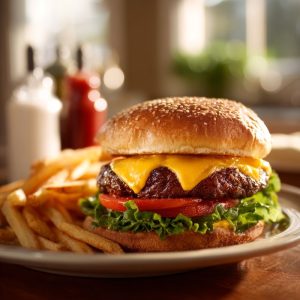
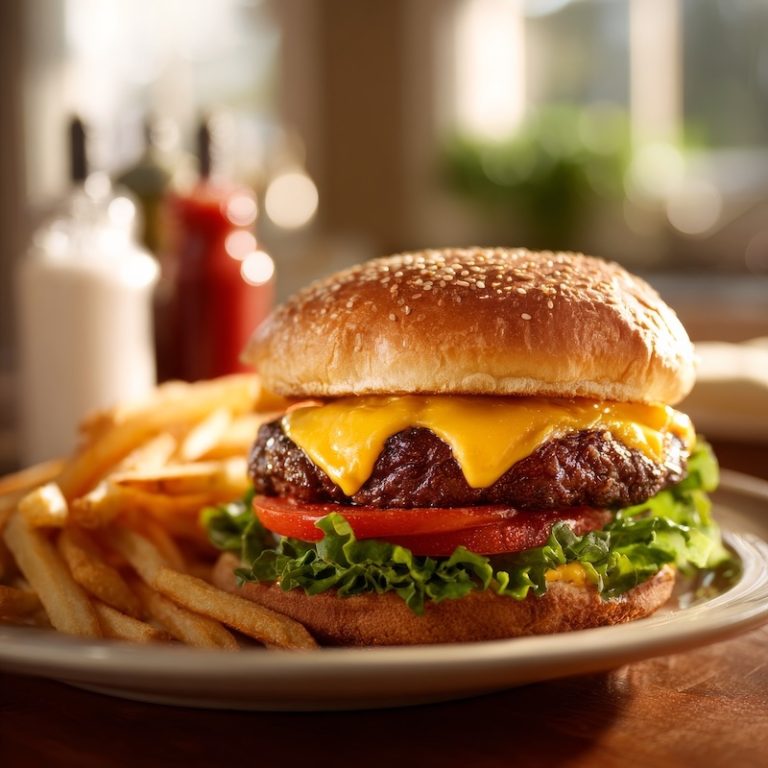

Perfect Cheeseburger Recipe for Juicy, Flavor-Packed Burgers

Somewhere along the way, the cheeseburger became either a fast-food disappointment or a backyard hockey puck. It doesn’t have to be that way. A great cheeseburger is juicy, messy, beefy, cheesy, and just a little dangerous to eat while wearing a white shirt. Once you understand a few simple burger rules, you’ll stop chasing “pretty good” burgers forever.

Fast Answer

The secret to a perfect cheeseburger is using ground beef with enough fat, handling it gently, seasoning at the right time, and cooking over high heat without pressing the patties. Add cheese during the final minute so it melts perfectly without overcooking the burger.

Anatomy of a Perfect Classic Cheeseburger

This perfect cheeseburger recipe focuses on the small details that separate dry, forgettable burgers from restaurant-quality cheeseburgers at home.

You’ll learn how to choose the right beef, shape patties correctly, cook them evenly, and melt cheese without ruining the burger. Whether you grill outdoors or cook indoors in a skillet, these techniques help you make consistently juicy cheeseburgers every time.

Start Here

  • Use 80/20 ground beef: Lean beef makes dry burgers. Fat equals flavor and juiciness.
  • Handle the meat gently: Overworking ground beef creates dense, tough burgers.
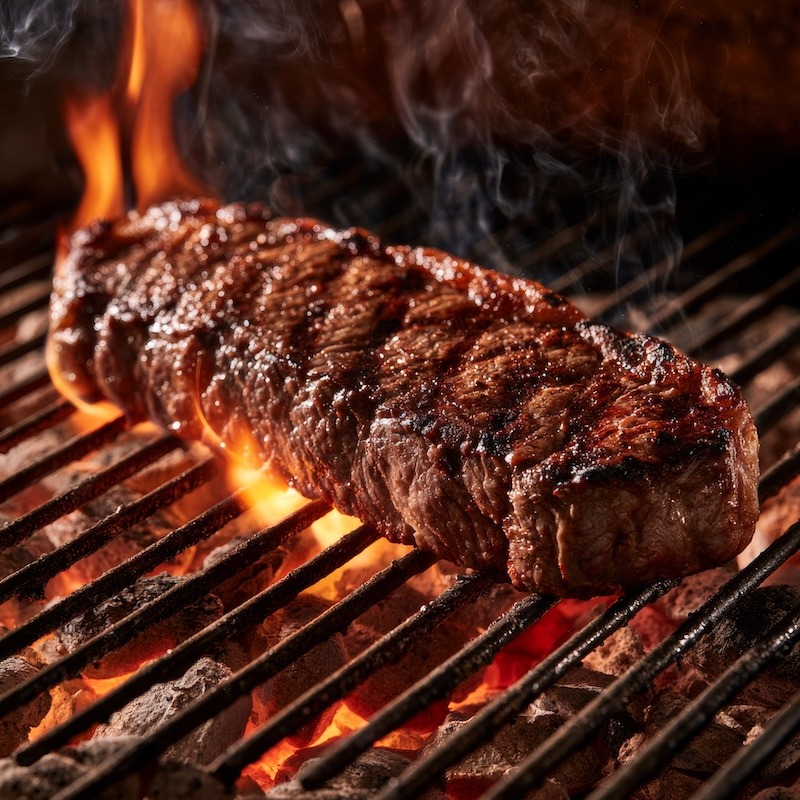
  • Cook over high heat: A strong sear builds flavor and creates crispy edges.
  • Don’t press the patties: Pressing squeezes out juices and dries out the burger.
  • Add cheese late: Melt the cheese during the last minute so it stays creamy, not greasy.

Why This Recipe Works

  • High-fat beef: The 80/20 blend stays juicy while developing rich beef flavor.
  • Simple seasoning: Salt and pepper let the beef taste like beef instead of meatloaf.
  • Proper shaping: A slight dimple in the center helps burgers cook evenly.
  • High heat cooking: Fast cooking creates a flavorful crust while keeping the center juicy.
  • Resting time: A short rest keeps juices inside the burger instead of on the plate.
“What’s your ultimate cheeseburger move? Smash-style crust, thick pub burgers, special sauce, grilled onions, bacon, dangerously high cheese-to-burger ratio? Tell me how you build your perfect burger in the comment below.”

Classic Cheeseburger

A juicy, flavorful cheeseburger recipe that teaches you how to build restaurant-quality burgers at home with simple techniques that actually matter.
Prep Time10 minutes
Cook Time12 minutes
Total Time22 minutes
Course: Dinner, Lunch
Cuisine: American
Keyword: cheeseburger, hamburger
Servings: 4 servings

Ingredients

  • pounds ground beef (80/20 fat ratio) 4 patties x 6 ounces each
  • salt & freshly ground black pepper
  • 4 slices cheese Cheddar, American, Swiss or ?
  • 4 burger buns sesame seed, potato, brioche
  • 4 leaves lettuce
  • 4 slices tomato if in season
  • 4 slices onion raw or caramelized
  • pickles optional
  • 2 teaspoons butter or oil for toasting the buns
  • condiments ketchup, mustard, mayo, relish, burger sauce

Instructions

Prepare the Patties

  • Remove the ground beef from the refrigerator about 20 minutes before cooking. Cold meat cooks unevenly.
  • Divide the beef into equal portions and gently shape into patties about ¾-inch thick. Do not compress the meat tightly.
  • Press a shallow indentation into the center of each patty with your thumb. This helps prevent burger “doming.”
  • Season both sides generously with kosher salt and freshly ground black pepper just before cooking.

Cook the Patties

  • Preheat your grill or cast-iron skillet over medium-high to high heat until very hot. A properly heated surface creates better crust and flavor.
  • Place the burgers on the grill or skillet. Cook without moving them for 3–4 minutes to develop a crust.
  • Flip once. Avoid pressing the patties. Cook another 3–4 minutes, depending on desired doneness.

Melt the Cheese

  • Add cheese during the final minute of cooking. Cover briefly if needed to help it melt evenly.

Toast the Buns

  • Toast the buns while the burgers rest for 2–3 minutes. This small step makes a big difference in texture.

Assemble the Burgers

  • Assemble the burgers with your favorite toppings and serve immediately while hot and juicy.

Serve Immediately

    Notes

    Enjoy your elevated classic cheeseburger!
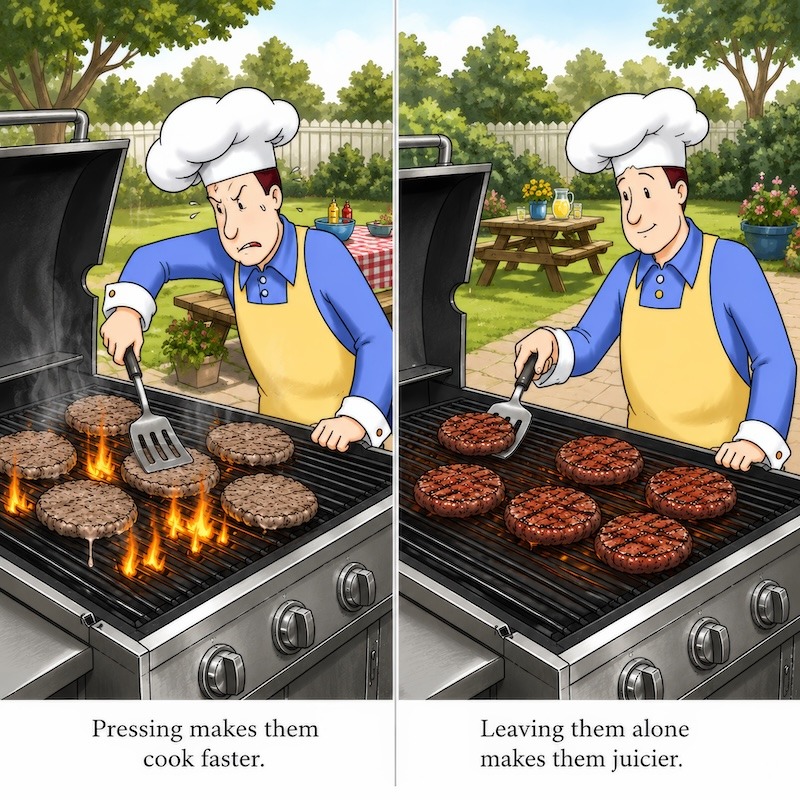
    Frustrated cook making common mistakes.

    What Most Cooks Get Wrong

    • Using lean beef: Extra-lean beef sounds healthy but usually cooks up dry and crumbly.
    • Overmixing the meat: Compact patties turn chewy instead of tender.
    • Pressing burgers while cooking: That dramatic sizzling sound is flavor leaving the burger.
    • Flipping too often: Let the crust form before turning the burger.
    • Cooking straight from the fridge: Very cold patties cook unevenly.
    Quick Fixes & Pro Tips

    • Burgers shrinking? Press a shallow thumbprint into the center before cooking.
    • Cheese not melting? Cover the skillet or grill for 30 seconds.
    • No grill? Use a cast iron skillet for incredible crust and flavor.
    • Want crispier edges? Try slightly thinner patties and higher heat.
    • Toast the buns: A toasted bun prevents sogginess and adds texture.

    What You Can Serve With This

    • Classic sides: French fries, onion rings, potato salad, or coleslaw.
    • Lighter sides: Grilled corn, cucumber salad, or roasted vegetables.
    • Burger toppings: Caramelized onions, sautéed mushrooms, bacon, or avocado.
    • Beer pairings: Pale ale, lager, or IPA work beautifully with burgers.
    • Wine ideas: Zinfandel, Syrah, or Cabernet Sauvignon pair well with beef and cheese.

    The Anatomy of a Great Cheeseburger

    Element Description Why It Matters
    Quality Beef 80/20 ground beef, preferably freshly ground. Enough fat keeps burgers juicy, rich, and flavorful.
    Seasoning Kosher salt, black pepper, and optional garlic powder or smoked paprika. Simple seasoning enhances the beef instead of masking it.
    Patty Formation Shape patties gently and press a slight dimple in the center. Prevents dense burgers and helps them cook evenly.
    Cooking Technique Cook over high heat and avoid pressing the patties. Creates a flavorful crust while keeping the inside juicy.
    Cheese American, Cheddar, Swiss, or other melting cheeses added near the end. Melts smoothly and adds creamy richness to the burger.
    Bun Toasted brioche, potato, or sesame seed buns. Adds texture and helps prevent a soggy burger.
    Toppings Lettuce, tomato, onions, pickles, or caramelized onions. Adds freshness, crunch, and contrast to rich beef.
    Sauces Ketchup, mustard, mayo, burger sauce, or smoky BBQ sauce. Balances richness and adds moisture and tang.
    Assembly Layer ingredients carefully and avoid overstuffing. Keeps the burger balanced and easier to eat.
    Texture Contrast Crispy bacon, fried onions, crunchy pickles, or shredded lettuce. Great burgers need crunchy contrast, not just richness.
    Classic Cheeseburger Recipe

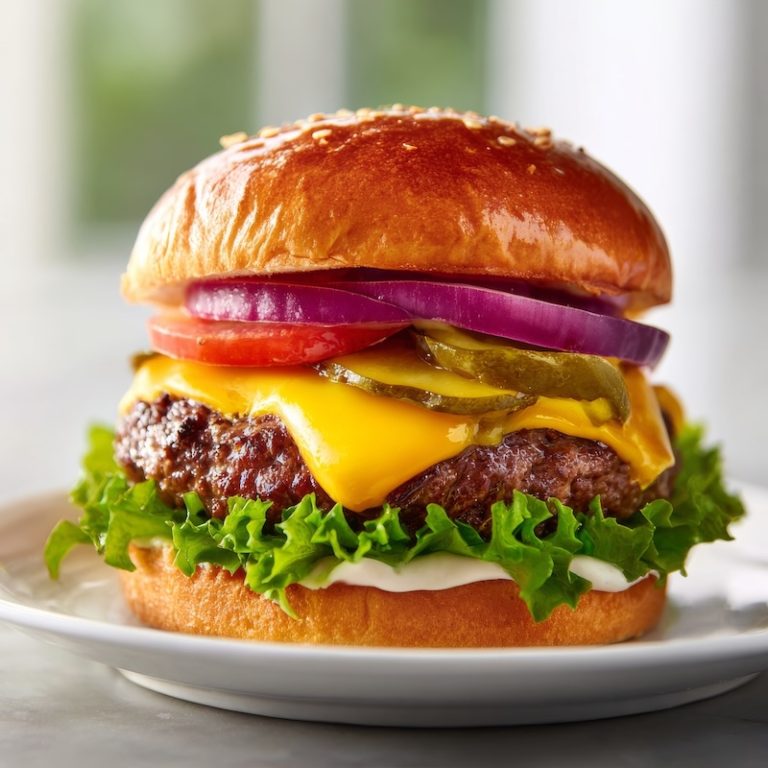
    How to Build a Better Cheeseburger

    Layer What to Add Why It Matters
    Bottom Bun Lightly toasted bun Creates structure and helps prevent sogginess.
    Condiments Ketchup, mustard, mayo, or burger sauce Adds flavor to the first bite and creates a moisture barrier.
    Lettuce Crisp lettuce leaves Adds crunch and helps protect the bun from juices.
    Cheese-Covered Patty Hot burger patty with melted cheese Keeps the burger juicy and delivers maximum flavor.
    Tomato Fresh tomato slices Adds freshness and balances the richness of the burger.
    Onion Raw or caramelized onions Adds sharpness, sweetness, and texture contrast.
    Pickles Dill or bread-and-butter pickles Adds acidity and crunch to balance rich beef and cheese.
    Top Bun Toasted top bun with optional sauce Finishes the burger without overwhelming the fillings.

    Burger Secrets Most Cooks Miss

    • Use 80/20 beef: Lean burgers dry out fast.
    • Don’t overwork the meat: Compact patties become dense and chewy.
    • Season right before cooking: Salt too early and the meat loses moisture.
    • Preheat the grill or skillet: High heat creates the flavorful crust burgers need.
    • Never press the patties: That sizzling sound is juice escaping.
    • Toast the buns: It adds texture and prevents sogginess.
    • Rest burgers briefly: Juices redistribute instead of running onto the plate.
    • Use fresh toppings: Crisp lettuce and fresh onions balance rich beef.
    • Don’t crowd the pan: Burgers steam instead of sear.
    • Add cheese late: Melt it during the final minute so the burger stays juicy.
    “What’s your ultimate cheeseburger move? Smash-style crust, thick pub burgers, special sauce, grilled onions, bacon, dangerously high cheese-to-burger ratio? Tell me how you build your perfect burger.”

    Cheeseburger FAQ

    What is the best ground beef for cheeseburgers?

    80/20 ground beef gives the best balance of flavor, moisture, and texture.

    Why do my burgers shrink while cooking?

    Ground beef contracts as it cooks. A shallow indentation in the center helps reduce shrinking.

    Should I season burgers before or after shaping?

    Shape first, then season the outside right before cooking.

    How long should I cook cheeseburgers?

    Cooking time depends on thickness, but most burgers need about 3–5 minutes per side over high heat.

    What cheese melts best on burgers?

    American cheese melts the smoothest, but cheddar, Swiss, pepper jack, and provolone also work well.

    Should burgers rest before serving?

    Yes. Let burgers rest for 2–3 minutes so the juices redistribute.

    Can I cook cheeseburgers indoors?

    Absolutely. A cast iron skillet creates excellent crust and flavor indoors.

    Why shouldn’t I press burgers on the grill?

    Pressing forces juices and fat out of the burger, making it drier.

    How do I know when burgers are done?

    Use an instant-read thermometer. Medium burgers should reach 145°F to 150°F before resting.

    Leave a Reply

    Your email address will not be published. Required fields are marked *

    Recipe Rating


    This site uses Akismet to reduce spam. Learn how your comment data is processed.