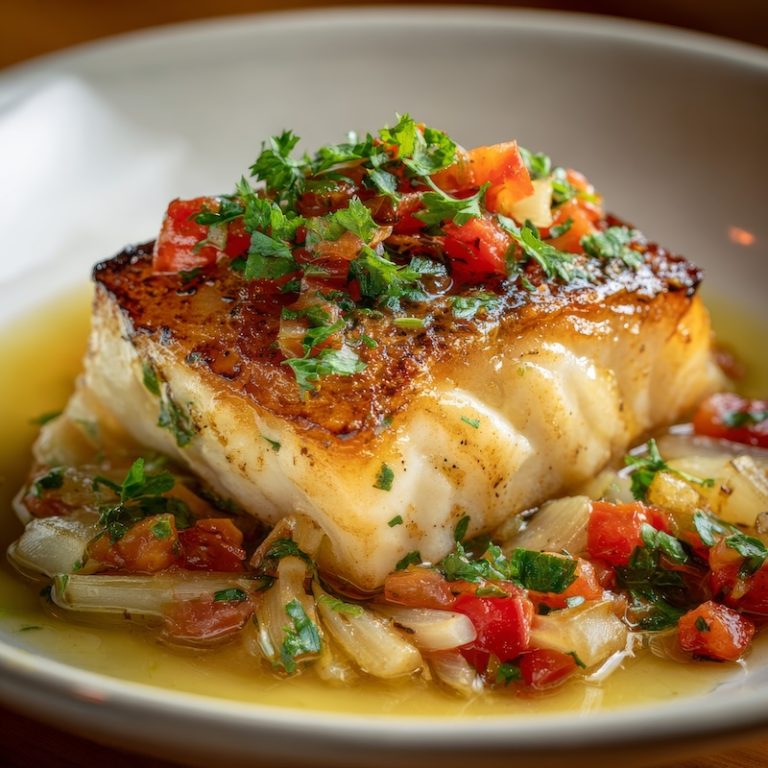


How to Braise Sea Bass Like a Chef (Step-by-Step Guide)

Sea bass looks fancy. It sounds expensive. And somehow, it intimidates perfectly capable home cooks. But here’s the truth: braising fish is one of the easiest ways to get restaurant-quality results at home. Once you understand the method, you stop guessing… and start cooking with confidence.

Start Here

  • Think gentle cooking: Braising is about low heat and moisture, not searing and rushing.
  • Build your base first: Aromatics and liquid create the flavor before the fish goes in.
  • Fish cooks fast: Add sea bass late and avoid overcooking.
  • Don’t move it: Let the fish sit undisturbed to stay intact and tender.
  • Sauce is part of the dish: Taste and adjust before serving.

Braised Sea Bass Recipe (Simple, Elegant, and Foolproof)

This braised sea bass recipe delivers tender, flaky fish in a flavorful broth built from simple ingredients. The technique is straightforward but powerful. You’ll learn how to control heat, build flavor, and finish with a balanced sauce. Whether you’re cooking for a weeknight dinner or a special occasion, this method helps you cook fish with confidence every time.

Why This Works

  • Moist heat cooking: Keeps sea bass tender and prevents drying out.
  • Layered flavor: Aromatics infuse the liquid before the fish is added.
  • Controlled temperature: Gentle simmer avoids tough, overcooked fish.
  • Natural sauce: The braising liquid reduces into a flavorful finish.
  • Flexible method: Works with different herbs, wines, and vegetables.
Braised Chilean Sea Bass Recipe
Print Recipe
5 from 1 vote

Braised Chilean Sea Bass Recipe

How to braise Chilean sea bass for one of the most delicious seafood meals.
Prep Time15 minutes
Cook Time45 minutes
Total Time1 hour
Course: Main Course
Cuisine: American
Keyword: Chilean sea bass
Servings: 4

Ingredients

  • 1 ½ pounds Chilean Sea Bass skin on and cut into four pieces
  • salt and pepper freshly ground
  • 2 tablespoons olive oil
  • 1 tablespoon butter
  • 1 bulb fennel sometimes called anise or sweet anise
  • 2 cloves garlic
  • ½ cup dry white wine
  • 14 ½ ounce tomatoes with juice diced
  • 3 tablespoons cilantro chopped

Instructions

Prep the Ingredients

  • Pat the sea bass dry. Season lightly with salt and pepper. Chop aromatics (shallots, garlic, herbs).

Build the Flavor Base

  • Heat a pan over medium heat.
  • Add olive oil. Sauté shallots and garlic until soft and fragrant, not browned.

Add Liquid

  • Pour in white wine (or stock). Let it reduce slightly, about 2–3 minutes, to concentrate flavor.

Add Supporting Ingredients

  • Add tomatoes, herbs, or vegetables if using. Bring to a gentle simmer.

Add the Fish

  • Place sea bass fillets into the liquid. The liquid should come about halfway up the sides.

Braise Gently

  • Cover and cook on low heat for 6–10 minutes, depending on thickness. Do not boil.

Check for Doneness

  • Fish should flake easily and look opaque. Remove carefully.

Finish the Sauce

  • Taste the liquid. Reduce slightly if needed. Adjust salt, pepper, or acidity.

Serve

  • Spoon sauce over fish. Garnish with fresh herbs.

What Most Cooks Get Wrong

Frustrated cook making common mistakes
  • Cooking too hot: Boiling breaks the fish apart and dries it out.
  • Adding fish too early: It overcooks while the sauce develops.
  • Skipping seasoning: The liquid needs flavor before the fish goes in.
  • Overhandling the fish: It’s delicate and can fall apart easily.
  • Ignoring the sauce: The liquid should taste balanced before serving.
Have you tried braising fish before, or is this your first time? I’d love to hear what worked (or what surprised you) when you made this.

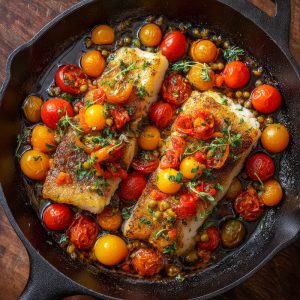
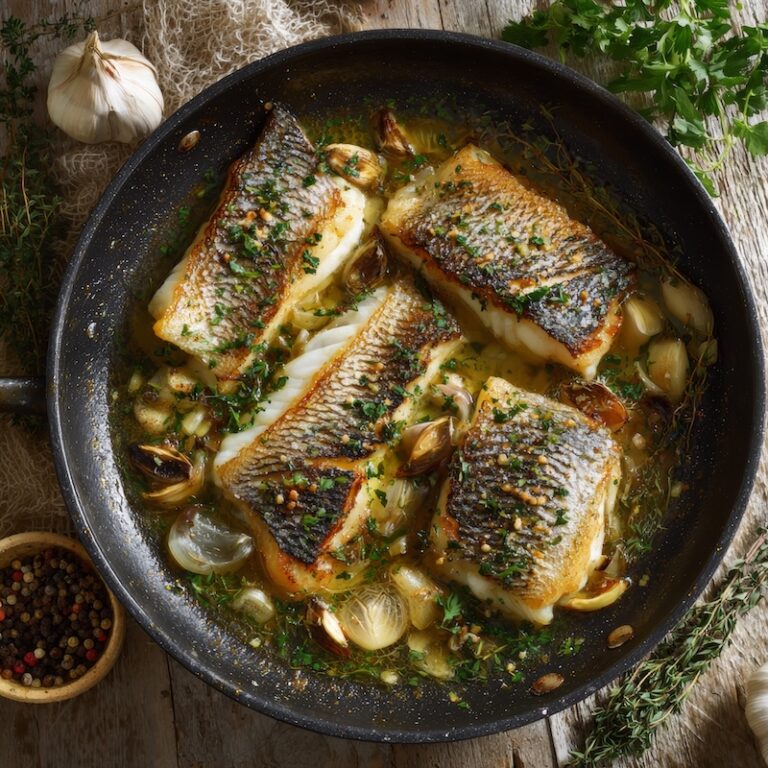
Sea bass fillet gently braising in pan with white wine, garlic, and herbs

Quick Fixes & Pro Tips

  • Fish falling apart? Lower the heat and avoid stirring.
  • Flavor flat? Add a splash of acid like lemon juice or vinegar.
  • Sauce too thin? Remove fish and reduce the liquid briefly.
  • Overcooked fish? Serve with extra sauce to restore moisture.
  • Want more depth? Add a pat of butter at the end for richness.

What You Can Make From This

  • Mediterranean version: Add olives, tomatoes, and capers.
  • Asian-style braise: Use ginger, soy sauce, and scallions.
  • Seafood stew base: Add shrimp or mussels to the liquid.
  • Pasta topping: Flake fish and toss with the sauce.
  • Light dinner bowl: Serve over rice or couscous.

Chilean Sea Bass

Chilean sea bass, also known as Patagonian toothfish (Dissostichus eleginoides), is a type of fish that is highly prized for its succulent, white flesh and rich flavor. Despite its name, it is not a true bass but rather a deep-sea fish found in the cold, deep waters of the Southern Hemisphere, particularly in the sub-Antarctic and Antarctic regions.

Know Your Ingredient: Chilean Sea Bass

  • Flavor & Texture: Rich, buttery, and silky with large, moist flakes that stay tender during braising.
  • Why It Works: High fat content protects the fish from drying out, making it ideal for gentle cooking methods.
  • Also Known As: Patagonian toothfish (the real name behind the marketing label).
  • Cooking Methods: Excellent for braising, roasting, grilling, or pan-searing with bold or acidic sauces.
  • Best Pairings: Works well with mashed potatoes, rice, greens, and citrus-forward sides.
  • Wine Match: Chardonnay or Viognier for richness; light Pinot Noir if you want contrast.
  • Sustainability Tip: Look for MSC-certified sources to avoid overfished options.
  • Availability: Sold year-round, but often expensive and sometimes limited.

Storage & Make-Ahead

  • Store leftovers in an airtight container for up to 2 days
  • Reheat gently over low heat to avoid overcooking
  • Sauce can be made ahead; cook fish fresh for best texture
••Do not freeze cooked sea bass (texture suffers)

Frequently Asked Questions

Can I use frozen sea bass?
Yes, but thaw completely and pat dry before cooking.

What liquid is best for braising fish?
White wine, stock, or a mix works best.

How do I know when sea bass is done?
It turns opaque and flakes easily with a fork.

Can I use another fish?
Yes, try halibut, cod, or snapper.

Should the fish be fully submerged?
No, about halfway up the sides is ideal.

Can I make this without wine?
Yes, substitute with stock and a splash of lemon juice.

Why is my fish tough?
It likely cooked too long or at too high a temperature.

Can I add vegetables?
Yes, but cook firm vegetables first before adding fish.

3 Responses

  1. Hi there,

    I just stumbled across this blog and I think it’s really cool. I have a lot of self-seeded fennel in the garden and I’ll be using your recipe ideas – but I won’t be using any Chilean Sea Bass. “Chilean Sea Bass” actually refers to Antarctic Toothfish, sourced from the Ross Sea, the most pristine ocean ecosystem on the planet. The Antarctic toothfish fishery is relatively new, and since fishing began in the area, toothfish numbers have plummeted, which is likely to have flow-on effects for the greater ecosystem. Responsible fishmongers will be able to recommend more-sustainable options in your local area. For more information, please see http://www.lastocean.org/

  2. 5 stars
    I’ve cooked this recipes a handful of times and I have to say that my toddlers and I enjoy it unreasonably so. Today was the first time I lost the skin. Still enjoyed by my family. Thank you for the recipe!

Leave a Reply

Your email address will not be published. Required fields are marked *

Recipe Rating


This site uses Akismet to reduce spam. Learn how your comment data is processed.