Frequently Asked Questions
What’s the difference between braising and stewing? The short answer is liquid and cut size. In a braise, you’re cooking a large piece of meat partially submerged — liquid comes halfway up. In a stew, everything is cut into smaller pieces and fully submerged. Both use low, slow, moist heat, and both turn tough cuts tender. The real difference shows up on the plate — a braise gives you a dramatic presentation, a stew gives you something spoonable.
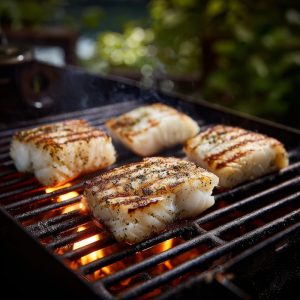
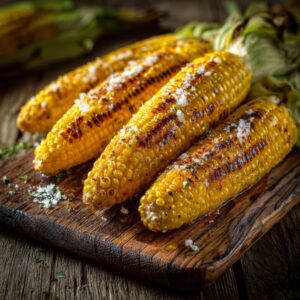
When should I use dry heat instead of moist heat? Reach for dry heat — roasting, grilling, sautéing, broiling — when you want browning, crust, or caramelization. That’s the Maillard reaction, and it only happens without water present. Moist heat — simmering, steaming, poaching, braising — is for tenderness, gentle cooking, and building flavor into a liquid. The simplest rule: if you want color on the outside, stay dry. If you want it to fall apart, go wet.
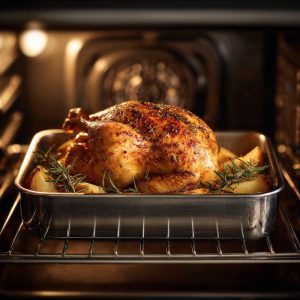
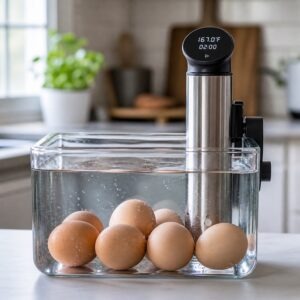
Why does the same ingredient taste completely different depending on how you cook it? Because cooking method determines what happens to the proteins, sugars, and water in the food — not just how hot it gets. A chicken breast that’s poached stays tender and mild because it never exceeds 165°F in a gentle liquid. The same breast roasted at 425°F develops a crust through caramelization, loses surface moisture, and concentrates flavor. Same bird, same seasoning, fundamentally different result. Method isn’t just a detail — it’s half the recipe.
How do I know which cooking method to use without a recipe telling me? Start with two questions: what’s the cut or ingredient, and what texture do you want at the end? Tough cuts with connective tissue — short ribs, pork shoulder, lamb shanks — need long moist heat to break down collagen. Tender cuts and delicate proteins — fish, chicken breast, vegetables — need fast high heat or gentle low heat. Once you know those two things, the method usually picks itself. The widget on this page is built to walk you through exactly that decision.
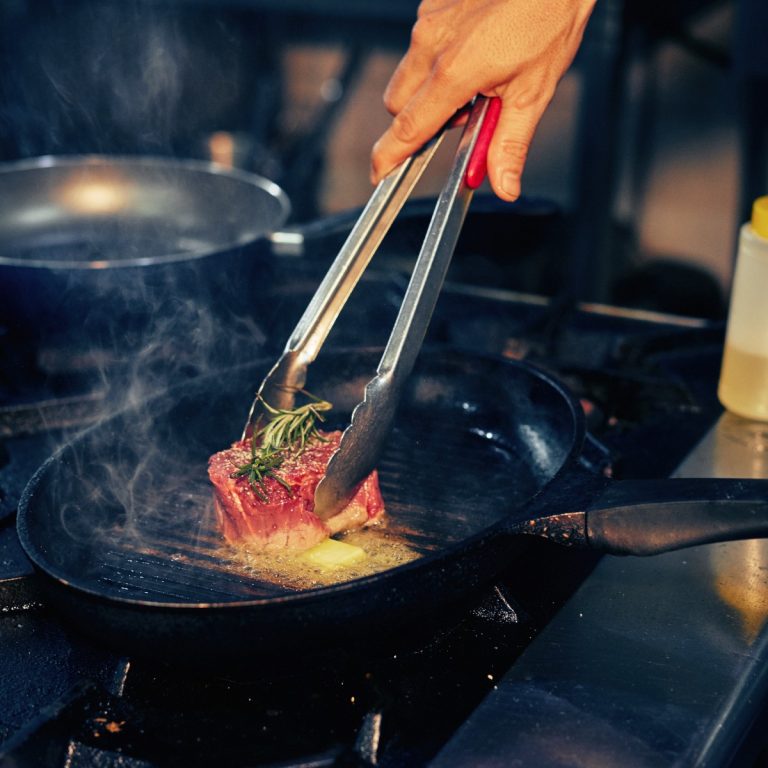
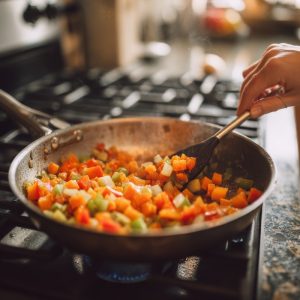
What’s the easiest cooking method to learn first? Sautéing. It’s fast, forgiving in terms of timing, and teaches you more about heat control than almost any other technique. Once you understand what a properly hot pan looks and sounds like, and what it means for food to release naturally instead of sticking, you’ve learned something that applies to grilling, pan roasting, and stir frying too. Start there.
Does it matter what pan or pot I use for different cooking methods? More than most people realize. A thin pan can’t hold heat evenly — it creates hot spots that burn one part of your food while undercooking another. A wide shallow pan lets moisture escape, which is what you want for sautéing but exactly wrong for braising. Cast iron holds heat better than stainless for searing. A heavy-bottomed pot distributes heat evenly for simmering. The vessel isn’t just a container — it’s part of the technique.
Can I switch cooking methods mid-recipe? Yes, and some of the best techniques are combinations. Pan roasting starts on the stovetop and finishes in the oven. A braise often starts with a hard sear before any liquid goes in. Blanching vegetables before stir frying gives you more control over the final texture. Understanding that methods can be layered is one of the things that separates a cook who improvises from one who just follows steps.