How to Cook with Guanciale (and When It Beats Bacon)

If your pasta tastes good but not restaurant-good, this might be why. Guanciale delivers a richer, silkier flavor than bacon or pancetta—and it changes everything. Once you cook with it, you’ll understand why Italians don’t compromise here.

What Is Guanciale? How to Choose, Use, and Substitute It

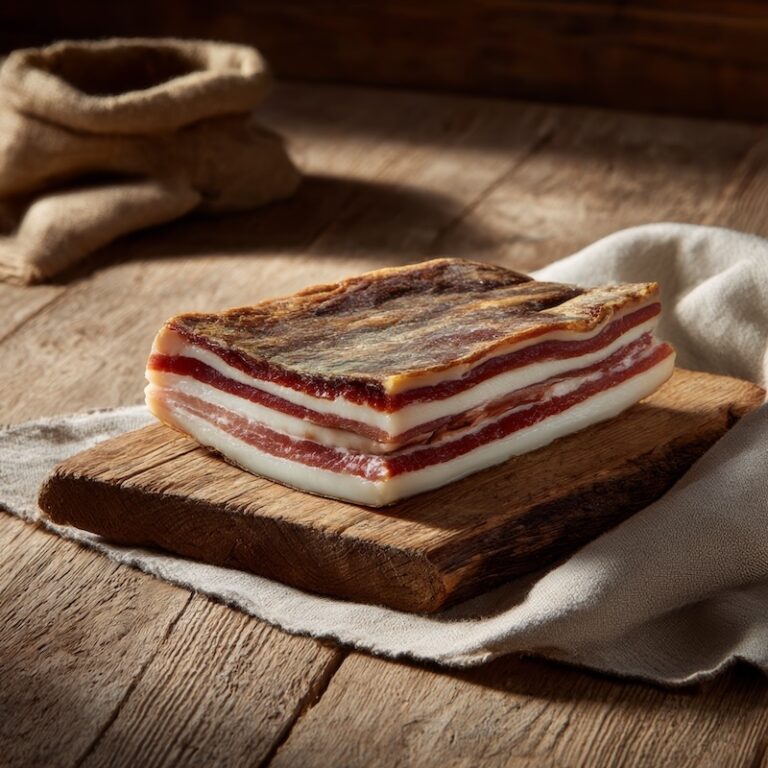
Guanciale is a traditional Italian cured meat made from pork cheek. It plays a key role in iconic dishes like carbonara, amatriciana, and gricia. Unlike bacon or pancetta, guanciale has a higher fat content and a more delicate, savory flavor. Understanding how it behaves in the pan helps you build deeper flavor and better texture in your cooking.

Fast Answer

Guanciale is an Italian cured pork cheek with rich, silky fat and deep savory flavor. It’s essential for classic dishes like carbonara and amatriciana.

Start Here: Why Guanciale Matters

  • What it is: Salt-cured pork cheek with a high fat content.
  • What it does: Renders silky fat that coats and flavors dishes.
  • When to use it: Classic Italian pasta like carbonara, amatriciana, and gricia.
  • Why it matters: It delivers richer flavor and better texture than bacon or pancetta.

Flavor & Function

  • Flavor profile: Rich, porky, slightly sweet, with a delicate cured saltiness.
  • Texture: Crisps on the outside while staying tender inside.
  • Primary role: Fat rendering that builds sauce structure and mouthfeel.
  • Secondary role: Adds depth and umami without overpowering the dish.

Think Like a Cook

  • Guanciale is a fat ingredient first, protein second. Its job is to flavor the entire dish.
  • The rendered fat is the sauce base. Don’t discard it—build around it.
  • Control heat carefully. Slow rendering creates flavor without burning.

How to Choose the Best

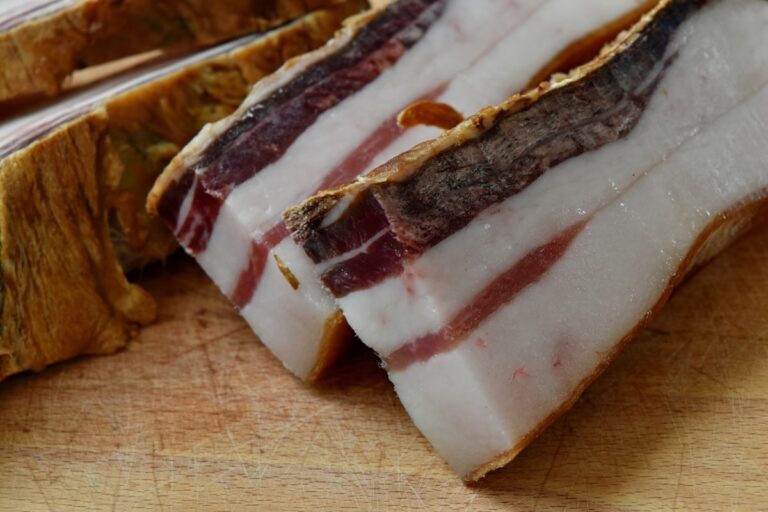
  • Look for balance: Good guanciale has a mix of fat and meat layers.
  • Color matters: Fat should be creamy white, not yellow.
  • Aroma: Clean, slightly sweet, never sour or funky.
  • Buy whole if possible: Slice fresh for better texture and flavor.

Types & Variations

  • Traditional guanciale: Salt-cured, sometimes pepper-coated.
  • Spiced versions: May include garlic, herbs, or chili.
  • Sliced vs whole: Whole retains freshness longer; sliced is convenient.
  • Regional differences: Flavor intensity varies by curing method.
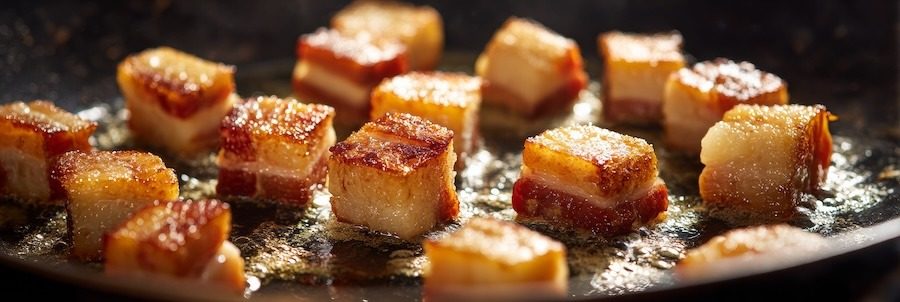
Guanciale cubes sizzling in pan, golden crisp edges

Substitutions That Work

  • Pancetta: Closest substitute; less rich, slightly firmer texture.
  • Bacon: Smokier and saltier; changes the flavor profile significantly.
  • Salt pork: Similar fat but lacks depth and curing complexity.
  • What changes: Expect less silkiness and more aggressive flavor.

How to Use It (Best Practices)

  • Start cold: Place in a cold pan to render fat slowly.
  • Use medium-low heat: Prevents burning and improves texture.
  • Use the fat: Toss pasta directly in rendered fat.
  • Balance with liquid: Pasta water helps emulsify the sauce.

Flavor Pairing Ideas

  • Pasta: Spaghetti, rigatoni, bucatini
  • Cheese: Pecorino Romano, Parmesan
  • Vegetables: Tomatoes, onions, peas
  • Herbs: Black pepper, chili flakes

Best Dishes for Guanciale

  • Carbonara: Eggs, Pecorino, and black pepper. Guanciale provides the silky fat that creates the sauce—no cream needed.
  • Amatriciana: Tomato, chili, and Pecorino. Guanciale balances acidity and adds deep savory richness.
  • Gricia: Pecorino and black pepper only. This dish showcases guanciale as the main flavor driver.
  • Bruschetta with Ricotta: Creamy meets crispy. Guanciale adds salty crunch that contrasts with soft cheese and sweet toppings.
  • Frittata: Eggs absorb the rendered fat, while crispy bits add texture and umami throughout.
  • Carbonara-Style Pizza: Guanciale crisps in the oven and delivers rich, porky flavor in every bite.

Storage & Shelf Life

  • Refrigerate: Wrap tightly; lasts 2–3 weeks opened.
  • Freeze: Keeps for several months; slice before freezing.
  • Watch for spoilage: Sour smell or slimy texture means discard.

Types of Guanciale (and When to Use Them)

  • Traditional Guanciale: Pork cheek, salt-cured. Best for classic dishes like carbonara, amatriciana, and gricia where authenticity matters.
  • Spicy Guanciale: Cured with chili or spices. Use when you want built-in heat without adding extra ingredients.
  • Smoked Guanciale: Adds a subtle smoky flavor. Works well in rustic dishes, but changes traditional Roman recipes.
  • Wild Boar Guanciale: Leaner and more intense. Great for game dishes or when you want deeper, earthier flavor.
  • Duck Guanciale: Rich and slightly sweet. Pairs well with fruit, greens, and elegant dishes.
  • Beef “Guanciale”: Not traditional, but richer and heavier. Use in hearty, non-Italian applications.
  • Herb-Crusted Guanciale: Coated in herbs before curing. Adds aromatic flavor—best when you want complexity without extra seasoning.
Guanciale

How to Cook with Guanciale (Beyond Pasta)

  • Build a flavor base: Render slowly and use the fat to cook onions, garlic, or aromatics. This becomes your foundation for soups and stews.
  • Swap for bacon or pancetta: Use it when you want deeper, cleaner pork flavor without smokiness.
  • Upgrade eggs: Crisp first, then fold into frittatas or omelets for richness and texture.
  • Level up pizza: Add thin slices before baking so it renders and crisps in the oven.
  • Boost vegetables: Toss crispy bits with roasted or sautéed vegetables for contrast and depth.
  • Master pasta technique: Render, then toss with pasta and a splash of pasta water to create a silky sauce.
  • Add depth to beans and legumes: Simmer small pieces to replace stock or smoked meats.
  • Elevate simple starters: Pair crispy guanciale with creamy cheese on crostini or bruschetta.
  • Balance with sweet: Use with figs, honey, or fruit to contrast its saltiness.
  • Finish risotto: Add at the end for texture or at the start to flavor the base fat.

What’s the Difference Between Guanciale and Bacon?

Guanciale and bacon are both cured pork products, but they behave very differently in cooking.

Guanciale comes from the pork cheek, giving it a higher fat content and a richer, more delicate pork flavor. Bacon comes from the belly and is typically smoked, which adds a stronger, more assertive taste.

Guanciale is salt-cured and unsmoked, making it ideal for classic Italian dishes where the fat becomes part of the sauce. Bacon, on the other hand, is often pre-sliced and ready to cook, making it more convenient but less subtle.

In short, guanciale builds flavor into a dish, while bacon tends to stand out on top of it.

Feature Guanciale Bacon
Cut of meat Pork cheek (jowl) Pork belly
Flavor Rich, porky, subtle Smoky, bold, sometimes sweet
Curing Salt-cured, not smoked Usually smoked and sometimes sweetened
Fat content Higher, silkier fat Lower, firmer fat
Cooking role Builds sauce and flavor base Adds standalone flavor and crunch
Best use Carbonara, amatriciana, gricia Breakfast, sandwiches, general cooking

Which Should You Use?

  • Use guanciale: When you want a silky, integrated sauce (carbonara, amatriciana, gricia).
  • Use bacon: When you want smoky flavor that stands out (breakfast, sandwiches, sides).
  • Substitute carefully: Bacon works in a pinch, but expect a different flavor profile.
  • Big idea: Guanciale blends into the dish. Bacon dominates it.

Why Guanciale Costs More

  • Limited cut: It comes from the pork cheek, which yields much less meat per animal than pork belly.
  • Time-intensive curing: It’s salt-cured and air-dried for weeks, tying up time and storage space.
  • Higher fat quality: The silky fat is prized for cooking, not just eating.
  • Specialty production: Often made by small producers using traditional methods.
  • Strong demand: Essential for classic Italian dishes, so chefs and serious home cooks seek it out.

Is It Worth the Price?

  • Worth it: For carbonara, amatriciana, and gricia—this is where it makes a real difference.
  • Optional: In soups, eggs, or vegetables, pancetta can work just fine.
  • Stretch it: A little goes a long way because the fat flavors the entire dish.
  • Think like a cook: You’re not buying meat—you’re buying flavor and texture.
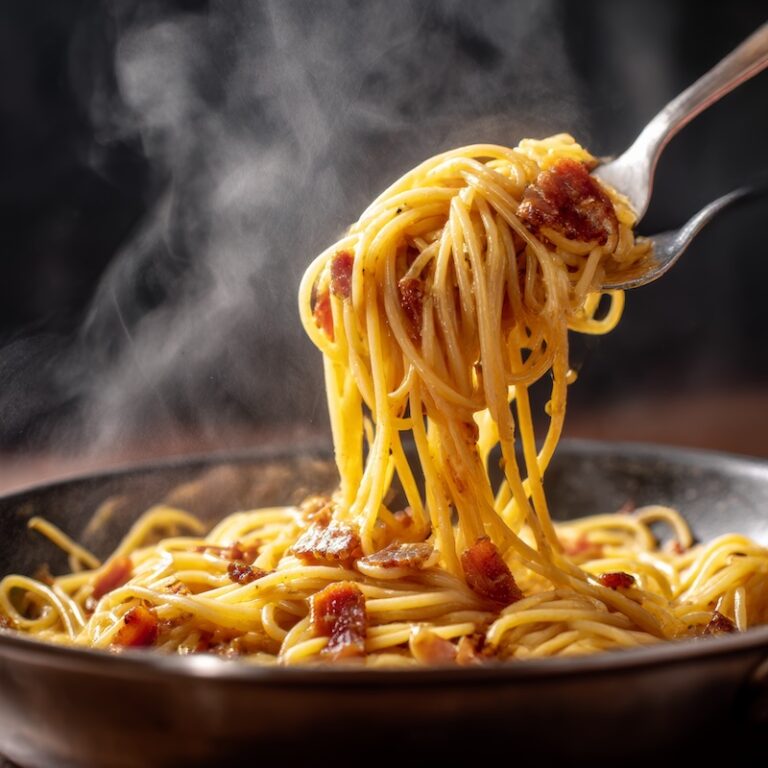
Spaghetti carbonara being tossed with guanciale

Cooking Guanciale Like Bacon (The Right Way)

  • Start in a cold pan: This helps the fat render slowly instead of seizing or burning.
  • Use medium-low heat: Guanciale needs gentler heat than bacon to avoid scorching.
  • No added fat: It releases plenty of its own rich fat as it cooks.
  • Watch the texture: Aim for crisp edges with a tender center, not fully rigid.
  • Stop early: It continues to firm up after you remove it from the pan.

Big Difference: Bacon vs Guanciale

  • Bacon: You cook it for crisp slices you eat on their own.
  • Guanciale: You cook it to create flavorful fat that becomes part of the dish.
  • Bottom line: Bacon is the star. Guanciale is the foundation.

Pan vs Oven: What Works Best?

  • Pan method: Best for pasta dishes where you need the rendered fat.
  • Oven method: Works for crisping slices, but you lose control over the fat.
  • Best choice: Use a pan when flavor matters (which is most of the time).

FAQ

What is guanciale made from?
Guanciale is made from pork cheek or jowl, cured with salt and spices.

Is guanciale the same as pancetta?
No. Pancetta comes from pork belly and has less fat and a firmer texture.

Can I use bacon instead of guanciale?
You can, but it adds a smoky flavor that changes the dish.

Why is guanciale so expensive?
It’s a specialty product with a longer curing process and limited production.

Do you cook guanciale before adding it to pasta?
Yes. Render it slowly to release its fat before combining with other ingredients.

Is guanciale safe to eat raw?
It’s cured but typically cooked before eating.

What dishes use guanciale?
Carbonara, amatriciana, and gricia are the most famous.

How do you pronounce guanciale?
“gwan-CHA-leh.”
Leave a Reply

Your email address will not be published. Required fields are marked *

This site uses Akismet to reduce spam. Learn how your comment data is processed.