


How to Make the Perfect Sauce for Stuffed Pork Tenderloin

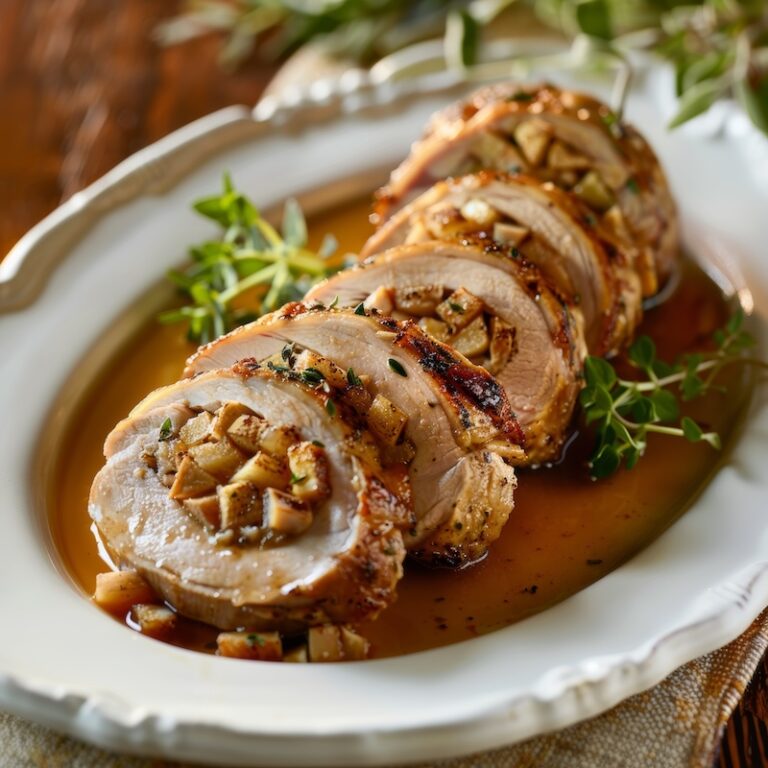
Stuffed pork tenderloin looks impressive—but the sauce is what makes it unforgettable. The right sauce balances the richness of the pork and the flavors inside the stuffing, turning a good dish into a restaurant-level plate. Once you understand how to match the sauce to your stuffing, you’ll never guess again—you’ll build it on purpose.

Best Sauce for Stuffed Pork Tenderloin

🍽️ Start Here: Choose the Right Sauce for Your Pork

  • Fruit stuffing (apples, cranberries): Use a slightly sweet pan sauce with cider, maple, or fruit reduction.
  • Herb stuffing: Go with a white wine + mustard + cream sauce.
  • Savory stuffing (mushrooms, sausage): Use a deeper pan sauce with stock, garlic, and maybe a touch of balsamic.
  • Want it lighter? Skip cream and finish with butter + acid.

Bottom line: Match the sauce to the stuffing—not just the pork.

The best sauce for stuffed pork tenderloin is a pan sauce made from the cooking juices, deglazed with wine or cider, then finished with stock, butter, and a balancing element like mustard, cream, or fruit. The exact flavor depends on your stuffing.

🧠 How This Sauce Works

  • Fat: Butter rounds out the flavor
  • Acid: Wine, cider, or vinegar cuts richness
  • Umami: Pan drippings + stock build depth
  • Balance: Sweet or mustard ties it to the stuffing

Once you see these parts, you can improvise any sauce—not just follow one.

Simple Reduction Sauce for Pork Tenderloin

This sauce is great with roasted pork, stuffed or not stuffed.
Prep Time10 minutes
Cook Time20 minutes
Total Time30 minutes
Course: Sauces
Cuisine: French
Keyword: sauce
Servings: 4 people

Ingredients

Instructions

Rest the Pork and Save the Flavor

  • Remove the stuffed pork tenderloin from the pan and transfer it to a cutting board to rest.
  • Do not clean the pan. Those browned bits on the bottom are pure flavor and the foundation of your sauce.

Build the Aromatic Base

  • Place the pan back over medium heat. Add a small amount of butter or oil if needed.
  • Stir in minced shallots or garlic and cook for 1–2 minutes until softened and fragrant. You’re creating the first layer of flavor here—don’t rush it.

Deglaze the Pan

  • Pour in wine, apple cider, or another liquid to deglaze the pan. Use a wooden spoon to scrape up all the browned bits from the bottom.
  • Let the liquid simmer and reduce by about half. This step concentrates flavor and ties the sauce to the pork.

Add Stock for Depth

  • Stir in chicken or pork stock. Bring the sauce to a gentle simmer and let it reduce slightly, about 3–5 minutes. Now the sauce starts to feel fuller and more rounded.

Match the Sauce to the Stuffing

  • Adjust the flavor. This is where a good sauce becomes a great one.
  • Add a touch of mustard for herb-based stuffing.
    Add a splash of cider or a bit of fruit preserves for apple or cranberry stuffing
    Add a drop of balsamic for savory or mushroom fillings

Finish for Texture and Shine

  • Reduce the heat to low. Whisk in a small knob of butter or a splash of cream. This gives the sauce a silky texture and a glossy finish.

Taste & Adjust

  • Taste the sauce and fine-tune. You’re balancing, not overpowering.
    Add salt if needed.
    Add a splash of vinegar or lemon juice to brighten.
    Add a pinch of sugar if the sauce feels too sharp.

Slice & Serve

  • Slice the rested pork tenderloin into medallions.
  • Spoon the sauce over the top just before serving.
  • Serve extra sauce on the side—people will want it.

Notes

A great sauce isn’t complicated—it’s built in layers:
pan drippings → deglaze → reduce → balance → finish
Master that flow, and you can adapt this to almost anything you cook.

👅 Taste and Adjust the Sauce

Before serving, taste the sauce and make a few small adjustments. This is where you bring everything into balance.

  • Too flat? Add a small splash of lemon juice, vinegar, or cider to brighten the flavor.
  • Too sharp? Add a small pat of butter or a tiny pinch of sugar to soften the edges.
  • Too weak? Let it simmer a little longer to reduce and concentrate.
  • Too thick? Stir in a spoonful of stock, broth, or water to loosen it.
  • Needs more depth? Add a touch more mustard, pan drippings, or fruit element depending on the stuffing.
  • Needs seasoning? Add a little salt and a few grinds of black pepper at the end.

Think like a cook: Don’t look for one perfect flavor. Look for balance: rich, bright, savory, and just sharp enough to wake up the pork.

⚠️ What Most Cooks Get Wrong

  • Using a generic sauce: The stuffing should dictate the flavor
  • Skipping deglazing: That’s where the flavor lives
  • Too thick, too fast: Reduction beats flour-heavy sauces
  • Forgetting acid: Without it, the dish tastes flat

🔍 Which Sauce Should You Use?

  • Holiday meal: Cranberry or apple-based sauce
  • Weeknight dinner: Simple pan sauce with stock + butter
  • Dinner party: Wine + mustard + cream
  • Light meal: No cream, finish with lemon or vinegar

❓ Frequently Asked Questions: Sauce for Stuffed Pork Tenderloin

What sauce goes best with stuffed pork tenderloin?

The best sauce depends on the stuffing. Fruit-based stuffing pairs well with cider or cranberry sauces. Herb stuffing works best with mustard or white wine cream sauces. Savory fillings like mushrooms or sausage benefit from deeper pan sauces made with stock and a touch of balsamic.

Can I make the sauce ahead of time?

Yes, but it’s best made fresh using the pan drippings from cooking the pork. If making ahead, prepare the base (stock, wine, aromatics), then reheat and finish with butter or cream just before serving for the best texture and flavor.

What liquid should I use to deglaze the pan?

White wine, apple cider, chicken stock, or even a splash of vinegar all work well. Choose based on your stuffing—cider for fruit fillings, wine for herbs, and stock for a more neutral base.

How do I thicken the sauce?

The best way is to let it reduce naturally over heat. If needed, you can whisk in a small amount of butter or cream at the end. Avoid heavy flour-based thickeners, which can make the sauce taste dull.

Can I make the sauce without wine?

Absolutely. Use apple cider, chicken stock, or a mix of broth and a splash of vinegar or lemon juice to add acidity and balance.

Should I use cream or keep the sauce light?

It depends on the dish. Cream adds richness and works well with herb or savory stuffing. For a lighter sauce, skip the cream and finish with butter and a touch of acid like lemon juice or vinegar.

What herbs work best in pork sauces?

Thyme, sage, rosemary, and parsley all pair well with pork. Use them sparingly so they enhance rather than overpower the sauce.

How do I fix a sauce that tastes too salty?

Add a splash of water, stock, or a bit of cream to dilute the saltiness. A small amount of acid or sweetness can also help rebalance the flavor.

How do I fix a sauce that tastes too acidic or sharp?

Add a small pat of butter or a pinch of sugar to round out the flavor. Reducing the sauce slightly can also help mellow harsh notes.

Can I use store-bought broth instead of homemade stock?

Yes. Use a good-quality low-sodium broth so you can control the seasoning as the sauce reduces.

What’s the difference between a pan sauce and a gravy?

A pan sauce is made quickly in the same pan using drippings, liquid, and reduction. Gravy is usually thickened with flour or a roux and has a heavier texture.

How much sauce should I make?

Plan for about ½ cup of sauce per pork tenderloin. It’s always a good idea to make extra—people tend to want more once they taste it.

Can I freeze leftover sauce?

You can, but sauces finished with butter or cream may separate slightly when reheated. Reheat gently and whisk to bring it back together.

Should I strain the sauce before serving?

Optional. Straining gives a smoother, more refined texture, while leaving it unstrained keeps more rustic flavor and body.

What’s the biggest mistake when making sauce for pork?

Not balancing the flavors. A great sauce needs richness, acidity, and seasoning working together. Skipping the final taste-and-adjust step often leads to a flat or one-dimensional sauce.

6 Responses

  1. 5 stars
    Nice sauce. Here’s something I might do and suggest you try. Put the shallots in the pan first on very low heat, after they wilt a little add some fresh thyme and fresh sage. Then deglaze the pan with your wine, next add your stock, bring it all to a boil and reduce by half. Now add the vinegar and cook for no more that 3-4 minutes. Finish with cold butter. You get a better result of the vinegar with the sourness toward the end of the cooking.

  2. After I sear the pork on top of the stove do I have to add anything to the pan before putting it in oven?

    1. Hi Joanne, you don’t need to add anything to the pan before transferring it to the oven—just move the seared pork as is, and save those flavorful drippings to make your sauce afterward.

Leave a Reply

Your email address will not be published. Required fields are marked *

Recipe Rating


This site uses Akismet to reduce spam. Learn how your comment data is processed.