Meal Planning – Where to Start

Where to Start Your Meal Planning

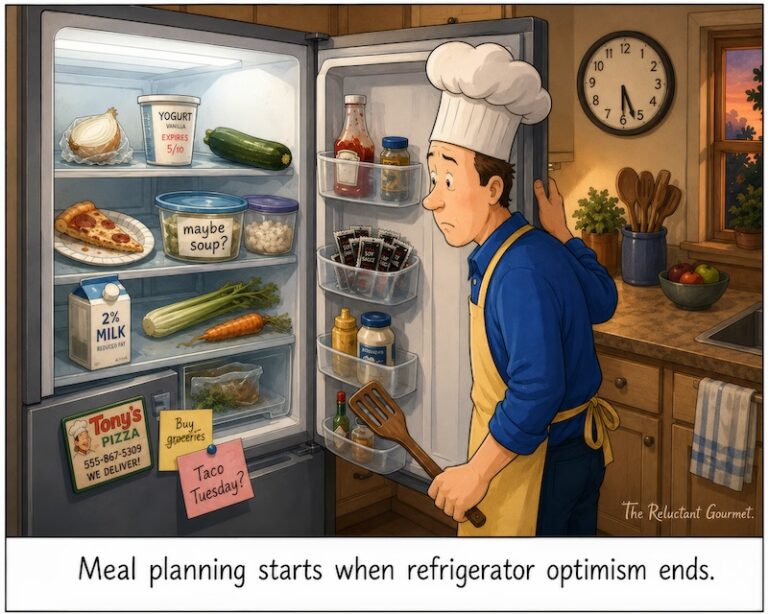
Meal planning is a powerful tool that can transform how meals are approached each week. Through thoughtful planning, time can be saved, and healthier choices are more accessible. By setting aside a small window of time to organize and plan meals, individuals are more likely to stick to their nutritional goals, waste less food, and spend less money.

In recent years, meal planning has gained popularity due to its practical benefits, especially in managing a busy lifestyle. From helping to avoid last-minute takeout to making grocery shopping more efficient, a good meal plan creates a roadmap that simplifies the week ahead.

Whether cooking for a family, preparing meals for one, or experimenting with new recipes, meal planning can be tailored to fit any dietary needs or culinary preferences. Meal planning can help reduce food waste and maximize the value of each dollar spent at the grocery store by focusing on in-season ingredients, bulk items, or family-friendly recipes.

This post will cover essential tips for starting a meal plan, creative ways to organize meals, and strategies for making meal planning a habit that sticks. Embracing meal planning can lead to nutritious meals, a more organized kitchen, and peace of mind every day of the week.

Summary of Suggestions

Tip Description Why It Works
Find Recipes Gather 8–12 reliable recipes you love or want to try. Keep them in one place for easy access when planning. Reduces decision fatigue and makes planning faster by giving you a ready pool of meal ideas.
Just Do It Set aside 20–30 minutes each week to sketch out meals and write a short grocery list. Consistency builds the habit, saving time and reducing stress from last-minute decisions.
Keep An Inventory List Maintain a simple list of what’s in your fridge, freezer, and pantry, updating it after shopping or cooking. Helps avoid duplicate purchases, reduces waste, and speeds up planning using what you already have.
Keep Your Calendar In Mind Match meals to your schedule—quick dinners on busy nights and batch-cooking on slower days. Makes your plan realistic and easier to follow, reducing the temptation to order takeout.
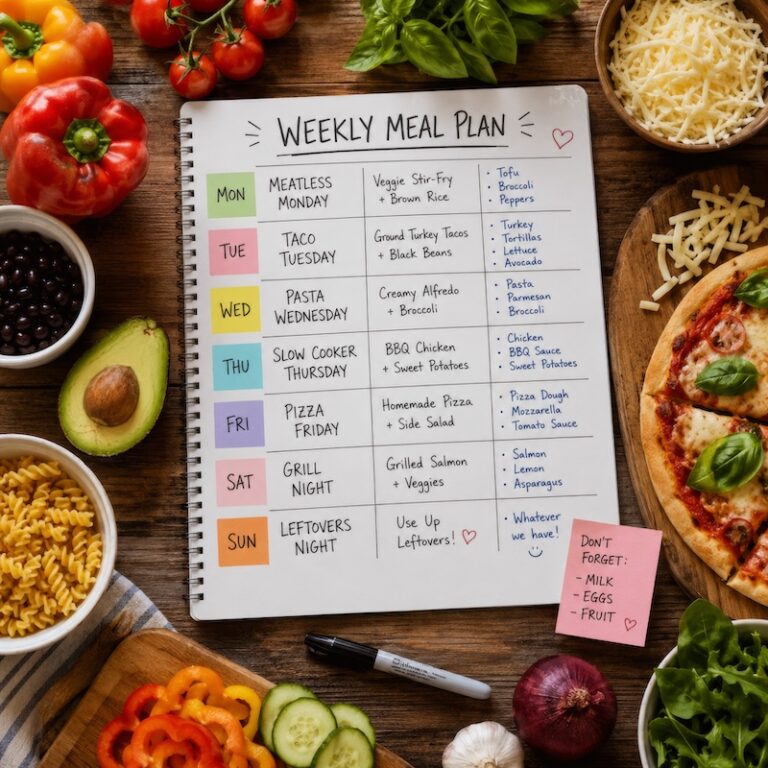
Plan Each Night According to a Theme Use themes like Meatless Monday or Taco Tuesday to guide meal choices and reuse ingredients creatively. Themes cut planning time and make shopping predictable, while adding fun variety to your week.
Be Flexible & Creative Have a backup plan to swap proteins, sides, or repurpose leftovers into new meals when needed. Flexibility prevents waste and keeps your plan adaptable to changing schedules or cravings.

Find Your Recipes

Start your meal planning by collecting reliable recipes. Choose meals you already love and know how to make. Add a few new ones to keep things interesting.

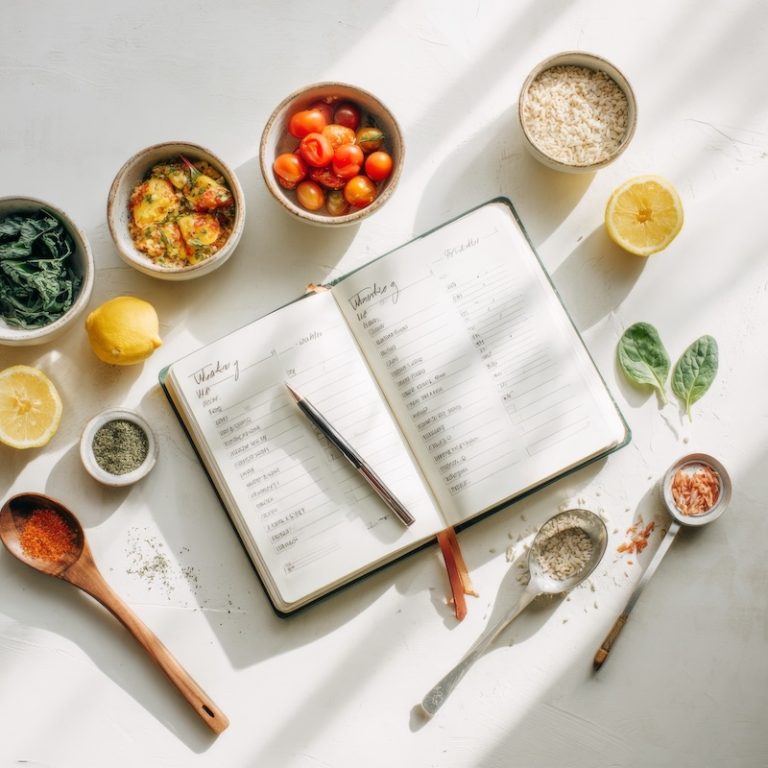
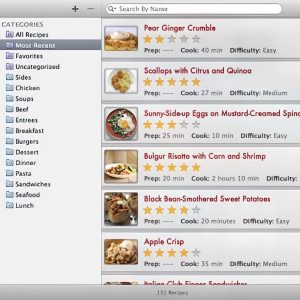
Store your recipes in one place, like a notebook, binder, or digital app. Keep the format simple and easy to scan. Include notes about prep time, cook time, and serving size. This information helps you plan faster.

Group similar recipes together, such as chicken dishes or vegetarian meals. Rotate them each week to avoid repetition. Use family favorites as anchors in your plan.

Fill the rest of the week with new or seasonal ideas. Update your collection regularly. Remove recipes you no longer enjoy. Add new ones you want to try.

Make this process fun and relaxed. The more recipes you collect, the easier meal planning becomes. A solid recipe bank saves time, reduces stress, and helps you stay consistent every week.

“Just Do It”

Start planning even if it feels messy at first. Set aside 20–30 minutes each week. Sit down with a blank sheet or a meal planner. Write down simple meals for each night. Don’t overthink the details.

Choose quick and familiar recipes at first. Focus on getting something down, not making it perfect. Create a concise grocery list with your ingredients. Keep it realistic for your schedule.

Expect your plan to change sometimes. That’s okay. What matters is showing up and doing it again next week. Over time, this small habit builds confidence.

Each plan becomes easier than the last. You’ll spend less time wondering what to cook. You’ll save money by avoiding last-minute takeout.

Planning once a week frees up mental space all week long. The more you practice, the smoother it gets. The key is to act now. Progress happens when you simply start planning your meals.

Keep an Inventory List

Create a running list of what you already have. Start with your pantry, fridge, and freezer. Write down common staples and their amounts. Mark when you run low. Keep the list in a visible spot.

Update it after each shopping trip. Check it quickly before you plan your meals. Use items you already have to build your weekly menu. This cuts your grocery costs. It also helps prevent food waste. You’ll stop buying duplicates and forgetting what’s in the back.

Break your list into categories like proteins, produce, and dry goods. That makes it faster to scan. Cross things off when you use them. Add new ingredients as you restock. A clear inventory makes planning feel easier.

It saves time and keeps your kitchen organized. With practice, this will become second nature. You’ll always know what’s on hand. That knowledge gives you confidence and control in your meal planning.

Keep Your Calendar In Mind

Look at your weekly schedule before you plan meals. Mark your busiest days. Choose quick or make-ahead dinners for those nights. Pick slow-cooker or batch meals for less busy days. Include one or two leftover nights. This reduces cooking time and food waste.

Add notes about school events, work shifts, or late nights. Use them to guide your plan. Be honest about how much energy you’ll have.

Avoid planning complicated meals when you know you’ll be tired. Shift those recipes to slower days. Balance your week with a mix of easy and more involved meals. This keeps cooking enjoyable.

A calendar-based plan also reduces stress. You won’t feel rushed or overwhelmed. Your meals will fit naturally into your life.

Planning around your real schedule makes success more likely. You’ll cook more often, waste less food, and enjoy smoother evenings. This one habit keeps your meal plan practical and doable.

Plan Each Night According To A Theme

Assign a theme to each night of the week. Use simple ideas like Meatless Monday, Taco Tuesday, or Pasta Wednesday. Choose themes your family enjoys. Pick ones that fit your routine.

Plan meals that match each theme. Reuse similar ingredients to save time. Rotate recipes under the same theme for variety. For example, serve veggie stir-fry one Monday and lentil soup the next.

Themes help you make faster decisions. They give you a starting point every week. You’ll spend less time wondering what to cook. Grocery shopping becomes easier because you know what to buy.

Kids also like the predictability. It makes dinner fun and familiar. Themes add structure without limiting creativity. You can still try new recipes inside each category.

This method simplifies planning and keeps meals exciting. It removes stress while building a routine. Over time, themed nights become automatic, saving time and energy every week.

Be Flexible & Creative

Expect your plan to change sometimes. Stay flexible when life shifts. Keep backup ideas on hand. Use easy meals that come together fast. Swap proteins or sides when needed. Turn leftovers into new dishes.

Roast extra vegetables and use them in salads or wraps. Cook extra chicken for tacos or soups. Keep pantry staples like pasta, beans, and rice stocked. These can rescue your plan on busy nights.

Let your plan guide you, not trap you. Adjust it without guilt when things change. Flexibility keeps planning stress-free. It also reduces waste by using what you have.

Creativity adds variety and fun. Try new flavor twists on familiar meals. Mix and match ingredients you already have. This approach builds confidence in the kitchen.

It helps you enjoy cooking instead of dreading it. A flexible mindset turns meal planning into a supportive tool, not a strict rule you must follow.

4 Responses

  1. 5 stars
    Thank you for your site. It’s been very helpful. Also using supercook.com which allows me to prepare meals using only ingredients I have on hand.

  2. 5 stars
    Thank you for you tips and advise. This blog has helped me a busy housewife to assimilate my thoughts.
    It’s always a killer what to prepare for dinner intact every meal with the ever hungry kids and their different tastes.

Leave a Reply

Your email address will not be published. Required fields are marked *

This site uses Akismet to reduce spam. Learn how your comment data is processed.