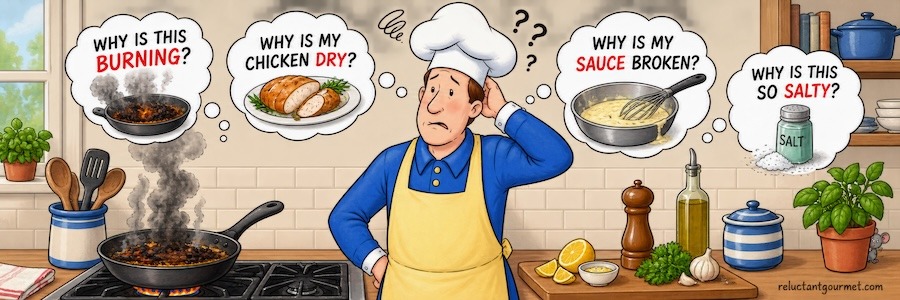
Ever feel like you’re just following recipes instead of actually cooking? Kitchen confidence isn’t about talent—it’s about understanding what’s happening in the pan. Once you learn how food behaves, everything gets easier, faster, and a lot more fun.
From Nervous to Natural: How to Actually Feel Confident Cooking at Home
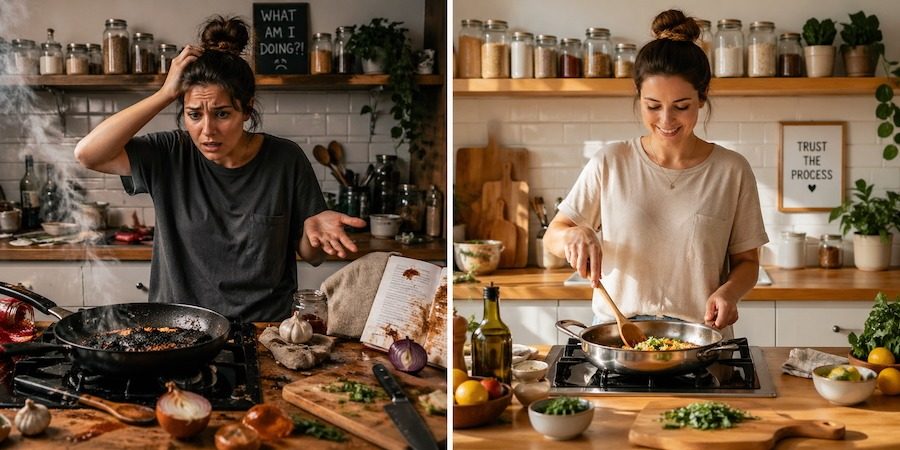
Cooking can feel intimidating. One minute you’re confidently chopping onions, the next your smoke alarm is cheering you on.
The truth is, every confident cook started exactly where you are. Kitchen confidence isn’t about perfection—it’s about learning what works, adjusting as you go, and getting a little better each time.
Fast Answer: How Do You Build Kitchen Confidence?
- Learn a few core techniques instead of chasing recipes
- Cook the same dishes repeatedly to build instinct
- Use your senses—look, smell, and feel—not just timers
- Focus on small improvements instead of perfection
Start Here: Build Your Kitchen Confidence Step by Step
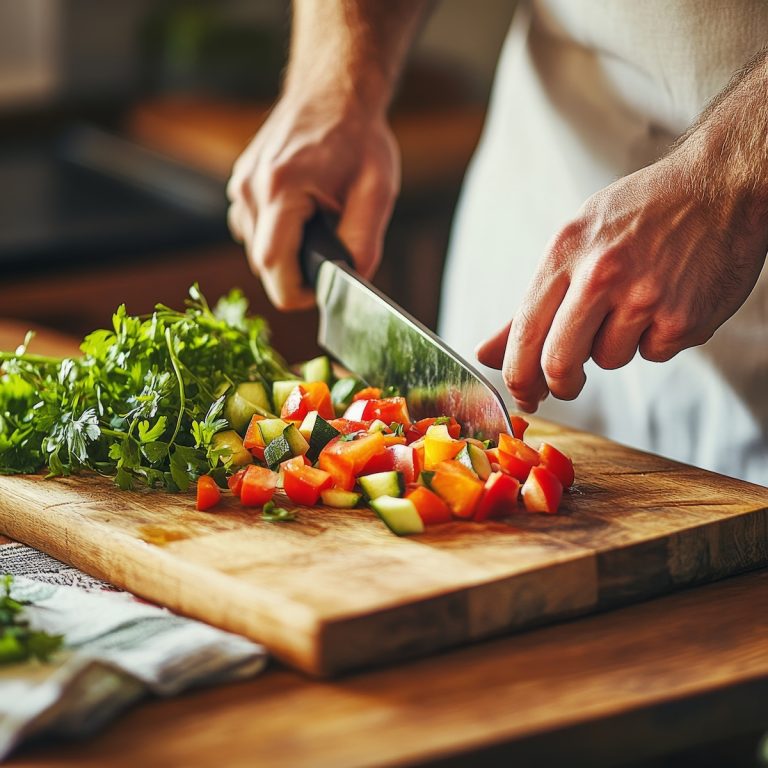
- 👉 Learn Basic Knife Skills
- 👉 Master Seasoning Properly
- 👉 Understand When Food Is Done
- 👉 Improve Heat Control
Quick Diagnosis: What’s Holding You Back?
- ❌ Food doesn’t taste right → You’re under-seasoning
- ❌ Meals feel stressful → You’re relying on timing, not cues
- ❌ Recipes fail → You’re missing technique, not ingredients
- ❌ You feel overwhelmed → You’re trying too much at once
Confidence Comes From Repetition
- Cooking the same dish builds muscle memory
- Each attempt teaches you something new
- Small improvements compound quickly
Understand Ingredients, Don’t Memorize Recipes
- Learn how salt, fat, acid, and heat interact
- Know how ingredients change when cooked
- Adjust based on taste, not instructions
Build the Right Mindset
- Adopt a growth mindset: “I can learn this.”
- Let go of perfectionism—progress beats perfect
- Treat cooking like an experiment, not a test
The Emotional Side of Cooking
- Cooking builds independence and self-esteem
- It can be a form of stress relief or self-care
- Focus on enjoying the process, not just the result
Build Routines That Reinforce Confidence
- Create a “go-to” recipe for tough days
- Use a simple weekly meal plan to reduce decisions
- Develop rituals: music, lighting, or a pre-cooking routine
Lose the Pressure
- Cook simple meals often instead of complex ones occasionally
- Practice low-stakes foods like eggs or toast with intention
- Cook for supportive people who give helpful feedback
Create a Support System
- Follow relatable home cooks or join cooking communities
- Ask friends or family for simple, reliable recipes
- Share meals (and mistakes) without fear of judgment
Use Tools That Build Confidence
- Set up your kitchen in a way that feels comfortable
- Master one tool (like a chef’s knife) really well
- Invest in something that makes cooking enjoyable
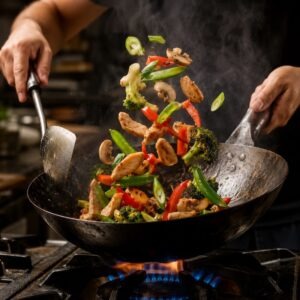
How Confident Cooks Read Food
Quick Wins to Build Confidence Today
- Salt earlier and taste often
- Use medium heat more than high
- Let proteins rest before cutting
- Cook one dish multiple times this week
What Most Home Cooks Get Wrong About Confidence
- They think confidence comes from recipes instead of repetition
- They try complex dishes before mastering basics
- They follow instructions blindly instead of observing
- They expect perfection instead of progress
Common Cooking Myths That Kill Your Confidence
- Myth: Some people are just naturally good cooks
Truth: Confidence comes from practice, not talent. Every great cook started as a beginner and improved through repetition and mistakes. - Myth: You have to follow recipes exactly
Truth: Recipes are guides. Confident cooks adjust, taste, and adapt based on what they have and what they like. - Myth: If you mess up, you're not a good cook
Truth: Mistakes are part of the process. Every burnt dish or overcooked egg teaches you something useful. - Myth: You need fancy equipment to cook well
Truth: Great food comes from technique, not gadgets. A few basic tools used well beat expensive gear every time. - Myth: Cooking should feel easy if you're doing it right
Truth: Cooking can be messy and uncertain. That’s how you learn and improve. - Myth: You have to cook everything from scratch
Truth: Smart shortcuts still count. Confidence comes from making good decisions, not doing everything the hard way.
Build Your Skills Next
- Master Sautéing
- Learn Roasting Techniques
- Understand Flavor Building
- Practice Simple, Repeatable Recipes
Kitchen Confidence FAQ
How do I build confidence in the kitchen?
Start small and focus on learning a few core techniques instead of trying complicated recipes. Cook the same dishes repeatedly, taste as you go, and pay attention to how food looks, smells, and feels. Confidence builds through experience, not perfection.
Why do I feel so intimidated when cooking?
Most people feel intimidated because they rely too much on recipes and not enough on understanding how cooking works. When something goes wrong, it feels like failure instead of feedback. Learning basic techniques and trusting your senses reduces that fear quickly.
How long does it take to become confident at cooking?
Most home cooks start feeling more confident within a few weeks of consistent practice. The key is repetition—cooking simple meals regularly teaches you more than occasionally attempting complex dishes.
Do I need to follow recipes exactly to cook well?
No. Recipes are helpful guides, but confident cooks adjust based on taste, ingredients, and experience. Over time, you’ll rely less on exact measurements and more on your instincts.
What are the most important skills for beginner cooks?
The most important skills are knife handling, heat control, seasoning, and knowing when food is done. Mastering these basics will improve nearly every dish you cook.
How do I stop overthinking while cooking?
Focus on one step at a time and avoid trying to do everything perfectly. Keep your process simple, taste frequently, and accept that mistakes are part of learning. Confidence grows when you stop aiming for perfection.
Can I become a good cook without expensive equipment?
Absolutely. A sharp knife, a good pan, and basic tools are all you need. Technique matters far more than equipment when it comes to cooking well.
What should I cook to build confidence quickly?
Start with simple, repeatable dishes like eggs, pasta, roasted vegetables, or grilled chicken. These teach core techniques and give you fast feedback on what works.
Why does my food taste bland even when I follow recipes?
Bland food usually comes from under-seasoning or not tasting as you cook. Salt, acid, and proper cooking techniques are key to building flavor. Learning how to adjust seasoning is a major step toward confidence.
How do I learn to cook without relying on recipes?
Start by understanding basic cooking patterns—like sautéing, roasting, or building a sauce. Once you recognize these patterns, you can mix and match ingredients without needing step-by-step instructions.
Is it normal to make mistakes when learning to cook?
Yes, and it’s essential. Mistakes are how you learn what works and what doesn’t. Even experienced cooks still make adjustments and learn from errors.
How can I make cooking feel less stressful?
Plan simple meals, prep ingredients ahead of time, and keep your kitchen organized. Reducing decisions and distractions makes cooking feel more manageable and enjoyable.
What’s the fastest way to improve my cooking skills?
Repeat the same dish several times in a row and focus on improving one thing each time—seasoning, timing, or texture. This builds skill much faster than constantly trying new recipes.
Do I need to cook everything from scratch to be confident?
No. Using shortcuts like pre-cut vegetables or store-bought ingredients is completely fine. Confidence comes from making good decisions, not doing everything the hard way.
How do I know when food is done cooking?
Use your senses. Look for color changes, feel the texture, and listen for sounds like sizzling. These cues are often more reliable than cooking times alone.

Everyone starts somewhere—and every cook has a story. What’s one thing that still makes you feel unsure in the kitchen? Or what’s a small win you’ve had recently? Share it in the comments. I read every one, and your experience might help someone else feel more confident too.


2 Responses
I love the reminder that mistakes are just ‘flavor experiments.’ It really takes the pressure off being perfect!
Hi Janet, thanks for noticing that line.