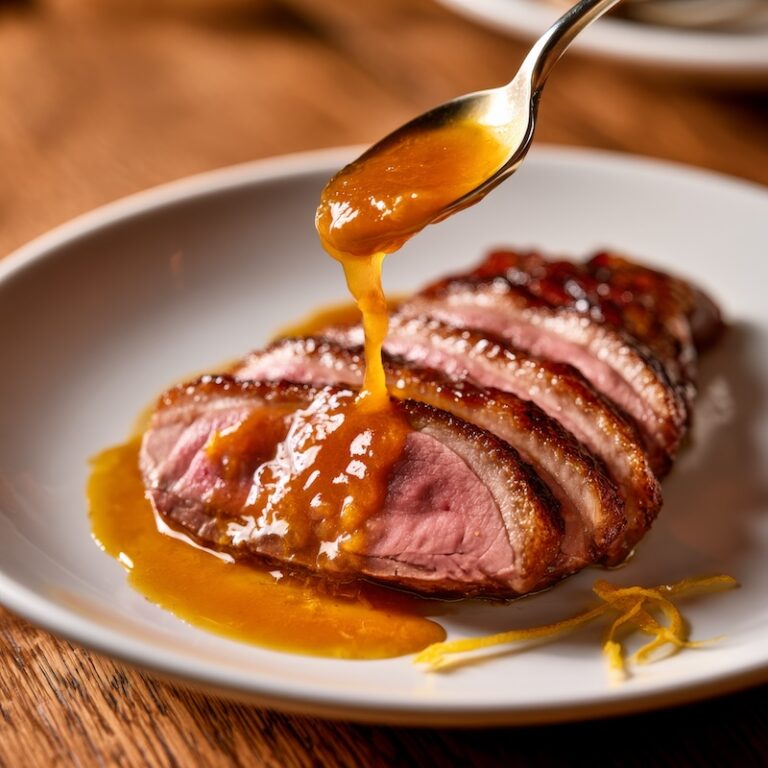

Duck without sauce can feel a little... formal. Like it showed up wearing cufflinks. Bigarade sauce fixes that with bright citrus, gentle bitterness, and just enough richness to make roasted meats taste restaurant-worthy without turning dinner into a culinary exam.
Fast Answer
Bigarade sauce is a classic French orange sauce traditionally served with duck. It combines citrus juice, stock, vinegar, aromatics, and a touch of sweetness to create a balanced sauce that is bright, savory, slightly bitter, and rich.
French Bigarade Sauce That Balances Sweet, Bitter, and Savory
Bigarade sauce is one of those classic French sauces that sounds intimidating but is surprisingly approachable once you understand the balance behind it.
The magic comes from combining sweet orange, bitter citrus notes, stock, and acidity into a sauce that cuts through rich meats beautifully. Whether you serve it with duck, pork, or game birds, this sauce teaches an important lesson: great sauces are all about balance, not complexity.
Start Here
- Think balance first: Bigarade sauce should taste bright and savory, not sugary like marmalade.
- Use fresh citrus: Fresh orange juice and zest give the sauce depth bottled juice cannot match.
- Reduce slowly: Gentle simmering concentrates flavor and creates a silky texture.
- Taste as you go: Adjust sweetness, bitterness, and acidity near the end for better control.
- Best pairing: Duck is traditional, but pork tenderloin and roasted chicken work beautifully too.
Why This Recipe Works
- Citrus cuts richness: The orange and vinegar brighten fatty meats like duck without overpowering them.
- Stock adds depth: A reduced stock gives the sauce body and savory backbone.
- Bitterness creates balance: Slight bitter notes keep the sauce from becoming dessert-like.
- Reduction intensifies flavor: Simmering concentrates everything into a glossy, flavorful sauce.
- Classic flavor structure: Sweet, sour, bitter, and savory elements all work together instead of competing.
Bigarade Sauce Recipe
Ingredients
- 1 orange Seville if possible
- 1 tablespoon shallot finely minced
- 2 tablespoons butter
- 1 tablespoon sherry vinegar
- 1 ounce orange liqueur Grand Marnier, Cointreau or Curacao (optional)
- ½ cup demi glace
- salt & white pepper to taste
Instructions
Prepare the Citrus
- Zest the oranges first, then juice them. Fresh zest adds concentrated flavor without extra sweetness
Cook the Aromatics
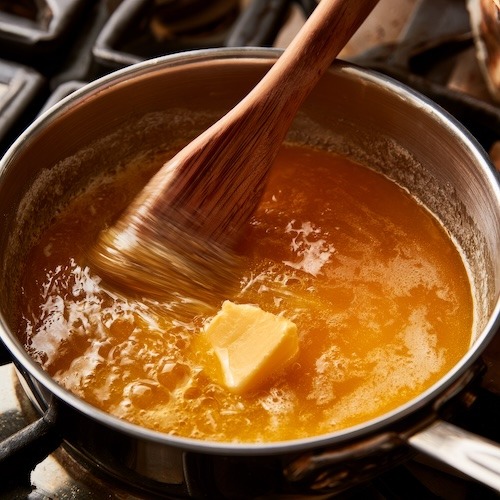
- Melt butter in a saucepan over medium heat and cook the shallots until soft but not browned, about 3 to 4 minutes.
Deglaze the Pan
- Add vinegar and, if desired, Cognac or orange liqueur. Simmer briefly to cook off harsh alcohol notes while concentrating flavor.
Add the Stock & Citrus
- Pour in the stock, orange juice, and a small amount of zest. Bring to a gentle simmer.
Reduce Slowly
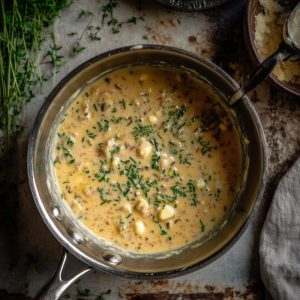
- Simmer uncovered until the sauce reduces by about one-third and lightly coats the back of a spoon. Don’t rush this step with high heat.
Taste & Balance
- Taste the sauce carefully. Add a touch of sugar if it's too bitter or a splash of vinegar if it's too sweet.
Finish the Sauce
- Remove from the heat and whisk in cold butter for a shiny, silky texture.
Strain if Desired
- For a smoother restaurant-style finish, strain the sauce before serving.
Serve Immediately
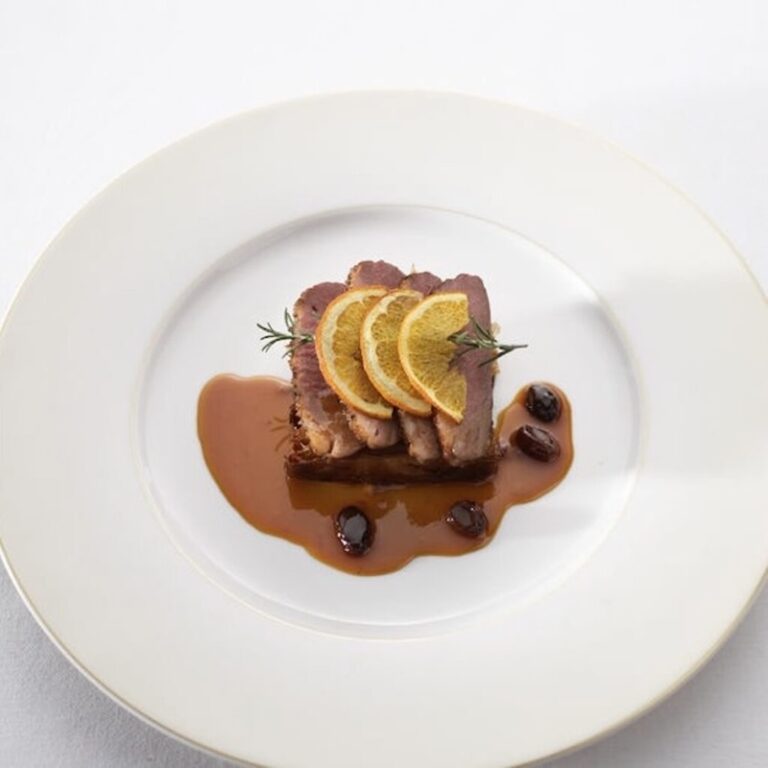
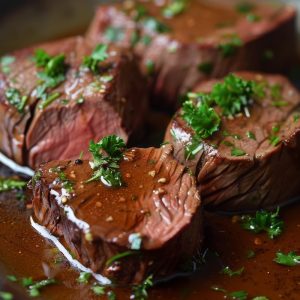
- Spoon over duck breast, pork tenderloin, or roasted chicken while warm.
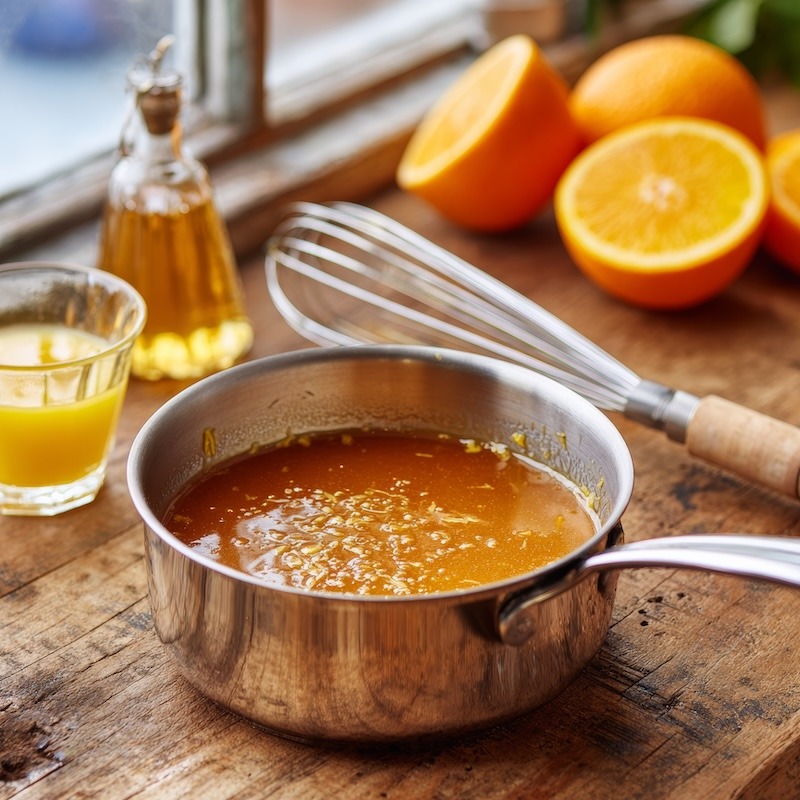
Sometimes you don’t have hours to simmer bones—or the freezer space to store the results. If you still want that rich, restaurant-style flavor, try my demi-glace substitute recipe, which delivers surprisingly deep flavor in minutes.
What Most Cooks Get Wrong
- Too sweet: Bigarade sauce is not orange syrup. Too much sugar flattens the savory balance.
- Skipping reduction: Thin sauce tastes watery and disconnected. Reduction builds body and flavor.
- Using weak stock: Bland stock leads to bland sauce. Use homemade or high-quality stock if possible.
- Adding citrus too early: Long cooking dulls fresh citrus flavor. Finish with fresh juice near the end.
- Ignoring bitterness: A tiny bitter edge is part of the sauce’s personality. Don’t try to erase it completely.
Quick Fixes & Pro Tips
- Sauce too sharp? Add a small knob of butter to soften acidity.
- Sauce too sweet? Add a splash of vinegar or a squeeze of lemon juice.
- Need more body? Reduce longer before adding any thickener.
- Want deeper flavor? Deglaze the pan with Cognac or Grand Marnier.
- For cleaner texture: Strain the sauce before serving for a restaurant-style finish.
- Make it glossy: Whisk in cold butter off the heat right before serving.
Storage & Make-Ahead
Bigarade sauce stores well in the refrigerator for up to 3 days. Reheat gently over low heat to avoid separating the sauce. You can make the base sauce a day ahead and finish with fresh citrus juice and butter just before serving for brighter flavor.
What You Can Serve With This
- Classic pairing: Duck breast or duck à l’orange.
- Pork: Excellent with pork tenderloin or roasted pork loin.
- Chicken: Works beautifully with roasted or pan-seared chicken breasts.
- Side dishes: Serve with roasted potatoes, wild rice, creamy polenta, or mashed parsnips.
- Vegetables: Roasted carrots, asparagus, green beans, or sautéed spinach balance the richness.
- Wine pairing: Pinot Noir, Côtes du Rhône, or an off-dry Riesling pair especially well.
Why Bigarade Sauce Became a Classic
- It solved a cooking problem: Rich meats like duck need acidity and brightness to feel balanced instead of heavy.
- The idea is centuries old: European cooks paired fruit and meat long before modern French cuisine existed.
- Bitter oranges changed everything: Their sharp, slightly bitter flavor created more sophisticated sauces than simple sweet fruit glazes.
- French chefs refined it: In the 1800s, chefs like :contentReference[oaicite:1]{index=1} helped codify sauces like bigarade into classic French cooking.
- American versions became sweeter: Many modern adaptations use marmalade or extra sugar, but traditional bigarade keeps bitterness and acidity in balance.
Bigarade Sauce FAQ
What is Bigarade sauce?
Bigarade sauce is a classic French orange sauce traditionally served with duck. It combines citrus, stock, vinegar, and aromatics for a balanced sweet-savory flavor.
Why is it called Bigarade sauce?
The name comes from “bigarade” oranges, which are bitter oranges commonly used in traditional French cooking.
Is Bigarade sauce sweet?
Not overly. A good Bigarade sauce balances sweetness with acidity, bitterness, and savory richness.
What meats pair best with Bigarade sauce?
Duck is the classic choice, but pork tenderloin, roast chicken, turkey, and game birds work very well too.
Can I make Bigarade sauce ahead of time?
Yes. Make the sauce base ahead and finish with fresh citrus and butter before serving.
Can I freeze Bigarade sauce?
Yes, although sauces finished with butter may separate slightly when thawed. Reheat gently while whisking.
What oranges work best?
Fresh navel oranges work well, but adding a little grapefruit or Seville orange creates more traditional bitterness.
How do I thicken Bigarade sauce?
Reduction is the best method. Simmer slowly until the sauce lightly coats the back of a spoon.
Can I make it without alcohol?
Absolutely. Simply replace any Cognac or liqueur with extra stock or orange juice.