


This is the dish that separates “I followed the recipe” from “I understand cooking.” Sole Meunière looks simple, but it punishes hesitation and rewards confidence. Master this, and suddenly fish isn’t intimidating anymore—it’s your quiet little flex at the dinner table.
Fast Answer
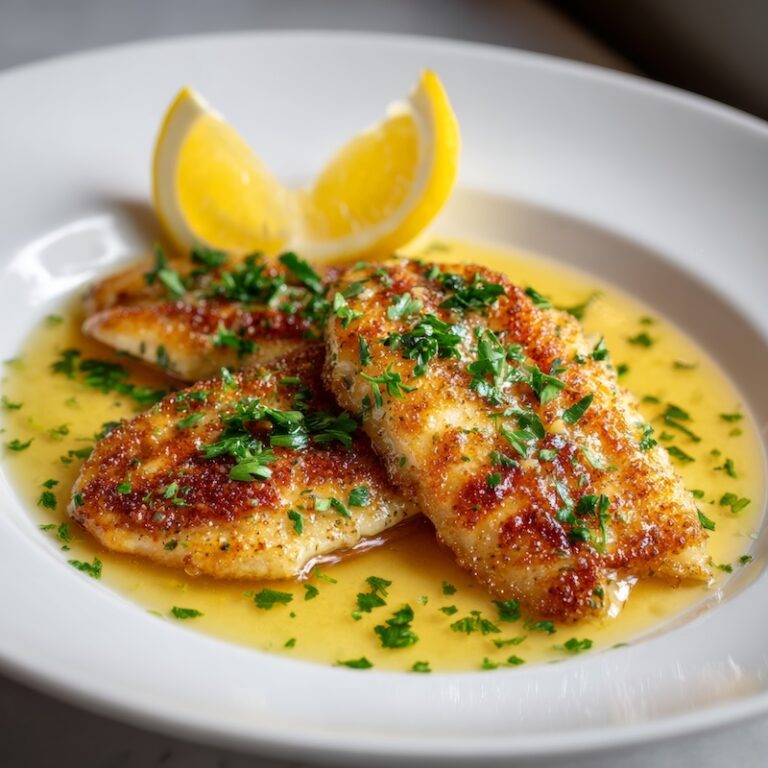
Sole Meunière is a classic French dish where delicate sole fillets are lightly floured, pan-fried in butter, and finished with lemon and parsley for a simple, elegant sauce.Sole Meunière: The Foolproof French Fish Recipe at Home
Sole Meunière is one of the simplest and most elegant French fish recipes you can make at home. It uses just a few ingredients—but technique matters.
The goal is a lightly crisped fish with a nutty butter sauce brightened by lemon. Once you understand the timing and heat control, this dish becomes fast, repeatable, and impressive every time you cook it.
Start Here
- Use thin fillets: Dover sole is classic, but flounder or lemon sole work beautifully.
- Dry the fish well: Moisture prevents browning and causes sticking.
- Light flour only: You want a delicate crust, not a coating.
- Cook fast: This dish happens in minutes—have everything ready.
- Butter timing matters: It should brown lightly, not burn.
Why This Recipe Works
- Thin fish cooks evenly: Prevents dry edges and undercooked centers.
- Flour creates a light crust: Helps the butter cling to the fish.
- Butter browns for flavor: Develops a nutty, rich base.
- Lemon balances richness: Cuts through the fat and brightens the dish.
- Simple ingredients highlight technique: Nothing hides mistakes, which makes it a great learning recipe.
Choosing the Right Sole
- Best choice: Dover sole delivers the classic result—mild, sweet, and firm enough to hold together in the pan.
- Great substitutes: Flounder, lemon sole, or other thin white fish work well if Dover sole isn’t available.
- What matters most: Choose thin fillets that cook quickly and won’t fall apart when flipped.
- Flavor profile: Look for fish with a mild taste—this dish highlights butter and lemon, not strong fish flavor.
- Texture check: The fish should feel firm and fresh, not mushy or watery.
- Sustainability tip: Check labels or ask your fishmonger for responsibly sourced options.
Sole Meuniere Recipe
Ingredients
- 1 lemon
- 4 fillets of Dover Sole 6 to 7 ounces each
- salt and freshly ground pepper to taste
- flour for dredging
- 5 tablespoons butter unsalted
- 2 tablespoons olive oil
- 4 tablespoons fresh parsley chopped
Instructions
Prep the Fish
- Pat fillets completely dry with paper towels. Season lightly with salt and pepper.
Lightly Dredge
- Dust both sides with flour. Shake off excess.
Heat the Pan
- Heat a large skillet over medium heat. Add butter and let it melt and begin to foam.
Cook the Fish
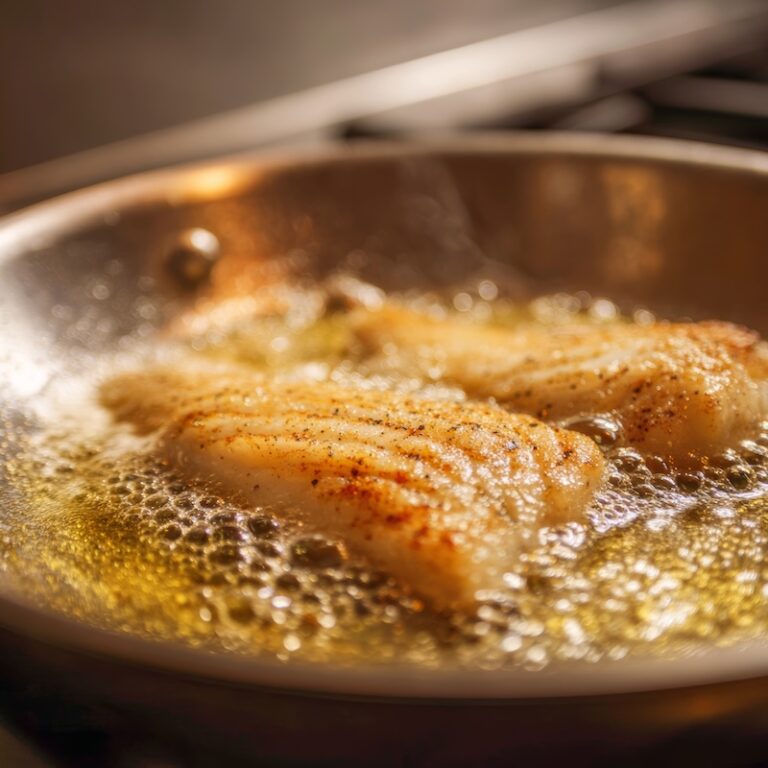
- Add fillets and cook 2–3 minutes per side. The first side should turn lightly golden
- Flip gently using a thin spatula
Build the Sauce
- Remove fish. Add more butter if needed. Let it turn lightly golden (not dark brown).
- Add lemon juice and swirl.
Finish & Serve
- Return fish briefly or spoon sauce over top. Finish with chopped parsley.
- Serve immediately.
Nutrition
Quick Fixes & Pro Tips
- Use fresh fish: Fresh sole delivers cleaner flavor and better texture than previously frozen.
- Dry the fillets well: Moisture prevents browning and causes sticking.
- Season before flouring: Salt and pepper stick better directly on the fish.
- Keep the flour light: Shake off excess so the coating stays delicate, not gummy.
- Don’t crowd the pan: Give each fillet space or it will steam instead of sear.
- Watch the butter: When foaming slows, the pan is ready for the fish.
- Flip gently: Use a thin spatula—sole tears easily.
- Add lemon at the end: Keeps the flavor bright, not bitter.
- Serve immediately: The sauce loses its magic as it sits.
What Most Cooks Get Wrong
- Wet fish: Leads to steaming instead of browning.
- Too much flour: Creates a heavy, pasty coating.
- Burning the butter: Dark brown = bitter, not nutty.
- Overcooking: Thin fish cooks fast—don’t walk away.
- Cold pan: Prevents proper crust formation.
Quick Fixes & Pro Tips
- Butter burning? Lower heat and add a fresh knob to stabilize.
- Fish sticking? Pan wasn’t hot enough or fish wasn’t dry.
- No sole? Use flounder, tilapia, or thin white fish.
- Want deeper flavor? Let butter go just to light hazelnut color.
- Restaurant finish: Spoon sauce continuously over fish before serving.
Storage & Leftovers
Sole Meunière is best served immediately.- Store leftovers in the fridge up to 1 day
- Reheat gently in a pan with a little butter
- Avoid microwaving—it ruins texture
Side Dishes That Pair Well With Sole Meunière
| Side Dish | Description | Why It Works |
|---|---|---|
| Haricots Verts (French Green Beans) | Thin, tender green beans blanched and lightly sautéed in butter or olive oil. | They add freshness and a crisp texture that complements the delicate fish. |
| Roasted Baby Potatoes | Small potatoes roasted until golden with olive oil, garlic, and herbs. | Provide a hearty yet simple side to soak up the lemon-butter sauce. |
| Rice Pilaf | Fluffy rice cooked with onions, garlic, and broth for added flavor. | Light and aromatic, it pairs well without overwhelming the sole. |
| Steamed Asparagus | Tender asparagus spears finished with a squeeze of lemon. | Echoes the citrus in the dish while adding a clean, spring-like taste. |
| Mixed Green Salad | Fresh greens with a light vinaigrette of olive oil, lemon, and Dijon mustard. | The acidity balances the richness of the butter-based sauce. |
| Crusty Baguette | Freshly baked French bread with a crisp crust and soft interior. | Perfect for sopping up every drop of the lemon-parsley butter sauce. |
Have you tried making Sole Meunière at home? What tripped you up—or what finally made it click? Share your experience in the comments below so others can learn from it.
Frequently Asked Questions
What is Sole Meunière?
A classic French preparation where fish is lightly floured, sautéed in butter, and finished with lemon and parsley.
Can I use a different fish?
Yes. Flounder, tilapia, or any thin white fish works well.
Why is my fish soggy?
You likely didn’t dry it enough or used too much flour.
How do I know when the fish is done?
It should flake easily and be opaque throughout.
What does “meunière” mean?
It refers to the flour coating used before cooking.
Can I use oil instead of butter?
You can, but you’ll lose the signature flavor.
How do I keep butter from burning?
Control heat and watch color closely. Add fresh butter if needed.
Is this dish difficult?
No—but it requires attention. It’s simple, not forgiving.