
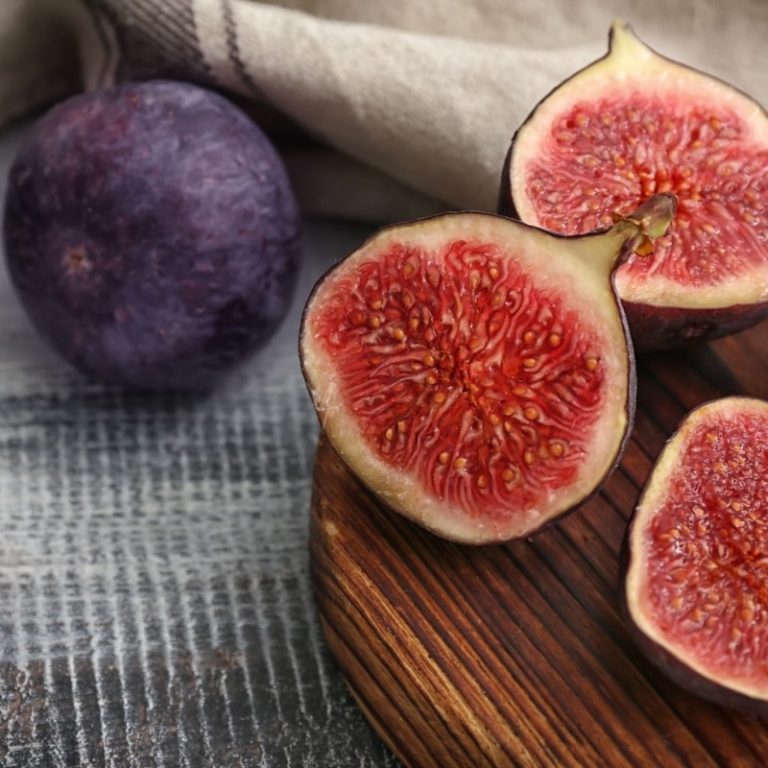


Sweet, ancient, and often misunderstood, figs have been prized in kitchens and cultures for thousands of years—but most people only think of them in cookie bars. What makes them unique, how do you choose them, and how do you actually cook with them so they shine? This guide will take you from curious to confident with every fig dish you try.
Why Cook With Figs?
- Sweet & Savory Versatility: Works in salads, desserts, sauces, and meats.
- Natural Sweetness: Replaces refined sugar in baking or preserves.
- Rich in Nutrients: Provides fiber, potassium, antioxidants, and prebiotics.
- Flavor Intensifies When Cooked: Roasting, grilling, or caramelizing deepens sweetness.
- Quick Gourmet Upgrade: Elevates cheese boards, appetizers, and breakfast dishes instantly.
- Perfect for Pairing: Pairs beautifully with nuts, cheeses, herbs, and balsamic glazes.
- Long Shelf Life (Dried Figs): Ideal for baking, sauces, and year-round cooking.
Figs 101: History, Health Benefits, and Cooking Tips for Home Chefs
Figs have shaped human kitchens for thousands of years. Ancient civilizations cultivated them for flavor, nutrition, and ritual, and today, home cooks still rely on their sweet, chewy flesh to elevate salads, cheeses, baked goods, and savory dishes.
In this guide, you’ll explore the history of figs, uncover their health benefits, and learn practical ways to cook with fresh and dried figs. Whether you want to roast, grill, or bake, this page shows you exactly how to turn a simple fig into a culinary highlight.
How Figs Are Used in Cooking
- Fresh Figs: Slice into salads, cheese boards, or breakfast bowls.
- Roasted or Grilled: Intensifies sweetness; pairs with meats or cheeses.
- Dried Figs: Chop for breads, cakes, cookies, or trail mixes.
- Fig Jam & Preserves: Simmer with sugar or honey for spreads and glazes.
- Stuffed Figs: Fill with cheese, nuts, or chocolate for elegant appetizers.
- Pureed Figs: Create sauces, dressings, or dessert fillings.
- Fig Leaves: Wrap foods for steaming or baking, or brew as tea.
Where Are Figs From
Figs originate in the sun-drenched regions of the Middle East and Western Asia, where humans first cultivated them thousands of years ago. Ancient farmers selected trees for sweetness, size, and resilience, turning wild figs into one of the earliest domesticated fruits.
From there, figs spread across the Mediterranean, thriving in Greece, Egypt, and Rome. Traders carried them farther, introducing them to North Africa, Europe, and eventually the Americas. Missionaries and settlers planted figs in California, where they flourished in warm, dry climates.
Today, figs grow across the globe, from Turkey and Spain to Chile and the United States, each region producing unique varieties that reflect local soil and sun. When you slice into a fresh fig, you taste a fruit shaped by centuries of human cultivation and natural adaptation, carrying a story from ancient orchards straight to your kitchen.
Fig Varieties: Diversity on Your Plate
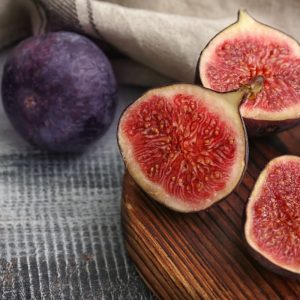
Figs display a stunning variety of shapes, colors, and flavors. Mission figs are deep purple and intensely sweet, perfect for snacking or baking.
Brown Turkey figs offer a milder flavor, making them ideal for salads or roasted dishes. Calimyrna figs, golden and nutty, often appear dried or in preserves, while Adriatic figs shine in desserts and jams with their light, candy-like sweetness.
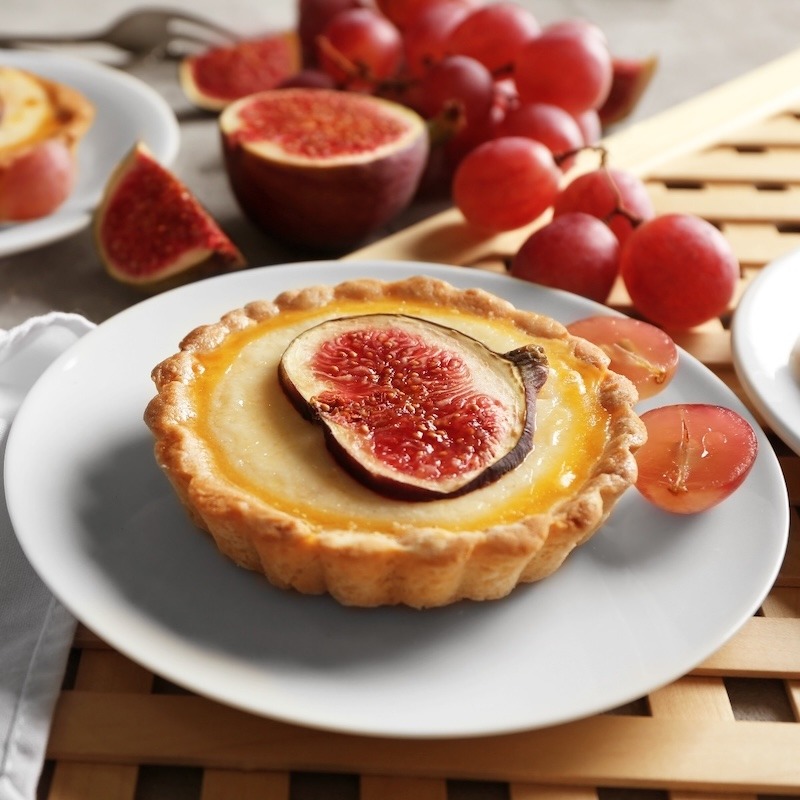
Each variety responds differently to heat: some caramelize beautifully on the grill, while others hold their shape in pies and tarts. Farmers cultivate figs to balance sweetness, texture, and resilience, producing fruit that adapts to local climates.
By exploring different varieties, you unlock new flavors and textures in your kitchen. Understanding the distinctions helps home cooks pair figs with cheeses, meats, herbs, and spices for maximum culinary impact.
Fig Nutrition: Sweet Health in Every Bite
Figs provide more than flavor—they deliver real nutrition. Fresh and dried figs contain dietary fiber, supporting digestion and gut health. They also supply potassium, which helps regulate blood pressure, and calcium and magnesium, supporting strong bones.
Antioxidants in figs reduce cellular stress, while natural sugars provide energy without refined ingredients. Unlike many desserts, figs offer sweetness and health benefits, allowing home cooks to indulge responsibly.
Dried figs concentrate nutrients, making them ideal for baked goods, trail mixes, or sauces. Incorporating figs into daily meals can stabilize digestion, enhance heart health, and provide a natural, satisfying sweet element. By understanding their nutritional profiles, cooks can effortlessly balance taste and wellness, transforming a simple fruit into a versatile kitchen ally.
Culinary Uses: From Sweet to Savory
Figs can be used in countless recipes, enhancing both sweet and savory dishes. Slice fresh figs into salads or cheese boards for natural sweetness. Roast or grill them to intensify flavor, then pair with goat cheese, balsamic, or nuts.
Dried figs excel in breads, cakes, and cookies, or rehydrate them for sauces and stews. Puree figs to create dressings, glazes, or dessert fillings. Chefs also stuff figs with nuts or cheese for elegant appetizers, while fig leaves wrap foods for steaming or baking, imparting a subtle aroma.
Using figs creatively allows home cooks to transform everyday meals into standout dishes.
Understanding preparation techniques—fresh vs dried, raw vs cooked—unlocks their full culinary potential. Whether you aim for a sweet snack or a sophisticated entrée, figs provide flavor, texture, and visual appeal in every bite.
About Their Trees
A fig tree is a large, deciduous tree that is native to the Middle East and parts of Asia. Fig trees are grown for their sweet, juicy fruit, which is used in a variety of dishes and is a popular snack.
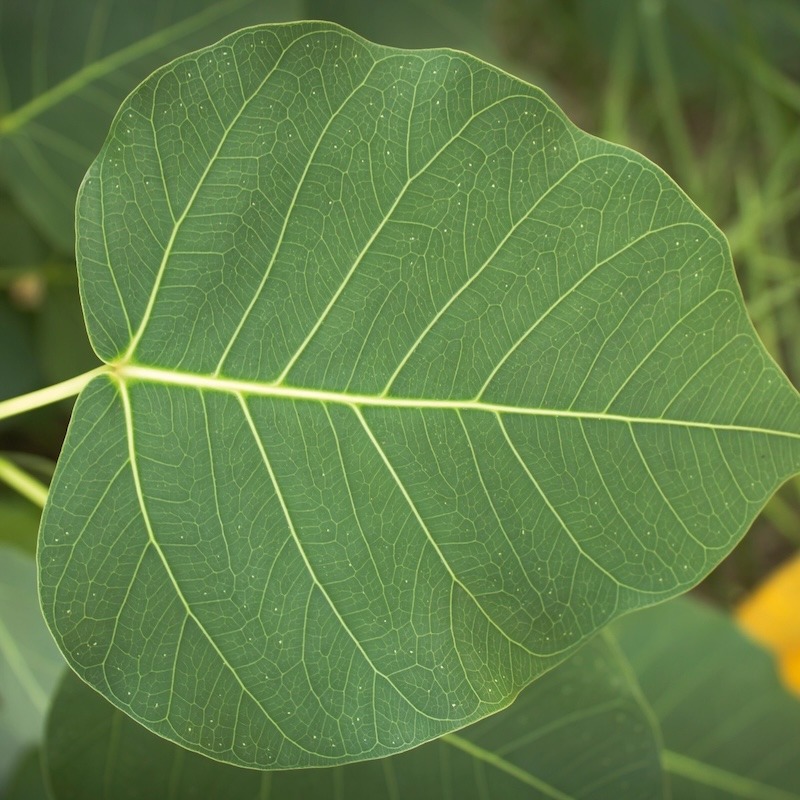
Fig trees can grow quite large, reaching heights and spreads of up to 50 feet. They have large, glossy leaves that are typically green and arranged in a symmetrical pattern on the branches. The leaves are typically large and oblong, with smooth, wavy edges. Fig trees produce small, inconspicuous flowers that are hidden inside the fruit.
Fig trees are generally hardy and easy to care for. They prefer warm, dry climates and well-draining soil and can tolerate drought conditions. Fig trees should be planted in a sunny location and should be protected from strong winds. They may require pruning to maintain their shape and to encourage new growth.
Overall, fig trees are attractive, hardy plants that are prized for their delicious fruit. They are a popular choice for home gardens and can be grown in a variety of climates.
Caprification
One of the most interesting things about figs is their unusual reproductive process. Unlike most fruit, figs do not have a visible flower. Instead, the flowers are inside the fruit and are pollinated by a small wasp that enters the fruit through a tiny opening. This process is known as “caprification”.
Adam and Eve Are Linked to Figs
In the Bible, figs are mentioned in the story of Adam and Eve in the Garden of Eden. According to the story, after Adam and Eve were expelled from the Garden, they covered their nakedness with fig leaves. This is why the fig has often been associated with modesty and shame in Western culture.
It’s worth noting that the fig tree is not specifically mentioned in the story of Adam and Eve in the Bible. Some scholars believe that the fig tree was chosen as a symbol of modesty and shame because it was a commonly available plant that produced large, broad leaves that could be used to cover the body.
In addition to the story of Adam and Eve, figs are mentioned several other times in the Bible. They are described as a staple food in ancient Israel and are mentioned as a symbol of prosperity and abundance. Figs are also mentioned in the Quran as a food that was favored by the prophet Muhammad.
Overall, figs have a long and storied history that is closely tied to religion and cultural traditions. While they are perhaps most well-known for their association with the story of Adam and Eve, figs have played a significant role in many different cultures and religions throughout history.
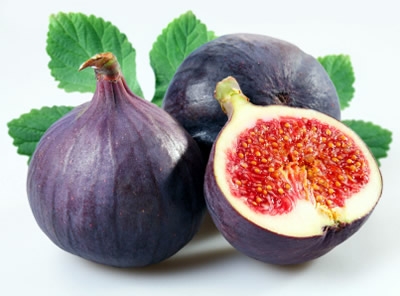
Fig FAQ
What are figs?
Figs are the sweet, chewy fruit of the Ficus carica tree, native to the Middle East and Mediterranean regions. They come in fresh and dried varieties and are enjoyed for their flavor, texture, and nutritional benefits.
What types of figs are there?
Popular fig varieties include:
- Mission figs – dark purple, sweet, great fresh or dried
- Brown Turkey figs – mild, less sweet, good for baking
- Calimyrna figs – golden, nutty flavor, often dried
- Adriatic figs – light-colored, very sweet, ideal for preserves
Are figs healthy?
Yes! Figs are rich in dietary fiber, potassium, calcium, antioxidants, and prebiotics, supporting digestion, heart health, and bone strength. They can also be a natural alternative to sugar in recipes.
How do fresh figs differ from dried figs?
- Fresh figs – juicy, delicate, best eaten raw or lightly cooked. Ideal for salads, cheese boards, and desserts.
- Dried figs – concentrated sweetness, long shelf life, great for baking, jams, or savory dishes.
How do you store figs?
- Fresh figs: Keep in the refrigerator for up to 5 days. Handle gently as they bruise easily.
- Dried figs: Store in an airtight container in a cool, dark place for up to 6–12 months.
When are figs in season?
- Fresh figs: Peak season is late summer to early fall (July–September in the Northern Hemisphere).
- Dried figs: Available year-round.
Can you eat fig leaves?
Yes! Fig leaves can be used to wrap food for steaming or baking or brewed into tea. They add a subtle sweet, earthy flavor.
How do you cook with figs?
- Fresh: Slice into salads, roast or grill, pair with cheeses, drizzle with honey.
- Dried: Chop for breads, cakes, cookies, or rehydrate in water or wine for sauces and stews.
- Jam & preserves: Simmer figs with sugar or honey for spreads.
Are figs safe for everyone?
Figs are generally safe but can trigger allergic reactions in people sensitive to latex or certain pollens. High fiber content may cause digestive discomfort if consumed in large quantities.
Do figs contain insects or wasps?
Some wild figs are pollinated by fig wasps, but commercially sold figs in the U.S. do not contain insects. The fruit is completely safe to eat.
How long do figs last once picked or opened?
- Fresh figs: Eat within 3–5 days; do not wash until ready to eat.
- Dried figs: Can last 6–12 months if stored in an airtight container.
What pairs well with figs in cooking?
- Cheese: Goat, ricotta, blue, brie
- Nuts: Almonds, walnuts, pistachios
- Herbs & spices: Thyme, rosemary, cinnamon, cardamom
- Proteins: Pork, chicken, lamb
- Drizzles: Honey, balsamic glaze
Can you freeze figs?
Yes! Wash, dry, and freeze fresh figs on a baking sheet, then transfer to a sealed container. They last up to 6 months and are great for smoothies or baking.
How do figs help digestion?
Figs are rich in soluble and insoluble fiber, promoting regular bowel movements and feeding beneficial gut bacteria.
Can figs help with heart health?
Yes. Their potassium and fiber help regulate blood pressure and cholesterol, reducing cardiovascular risk.
What About Fig Leaves?
Fig leaves are the large, broad leaves of the fig tree. They are commonly used for decorative purposes in landscaping and garden design. Fig leaves are often used to add a tropical or Mediterranean touch to gardens and can be used as a backdrop for other plants.
The leaves are also sometimes used in cooking, although they are not as commonly used as the fruit of the fig tree. Fig leaves can be used to wrap and steam fish or other types of meat, giving them a subtle, slightly sweet flavor. They can also be used to make a tea or infusion, which is believed to have a calming effect and can be used to treat digestive issues.
Fig leaves have also been used in traditional medicine to treat a variety of ailments, including skin conditions, respiratory issues, and inflammation. Some people believe that the leaves have anti-inflammatory and antifungal properties and may be effective in treating conditions such as eczema and athlete’s foot. However, there is limited scientific evidence to support these claims.
Overall, fig leaves are a versatile plant that can be used in landscaping, cooking, and traditional medicine. While they are not as commonly used as the fruit of the fig tree, fig leaves have a number of potential uses and may have some health benefits.




One Response
In my south-facing garden, I can grow figs but find it hard to find recipes beyond cooked in honey and in flans/tarts.
I admit to enjoying them fresh off the tree with goat cheese, but feel sure I am missing out on many other ways of enjoying this wonderful fruit.