
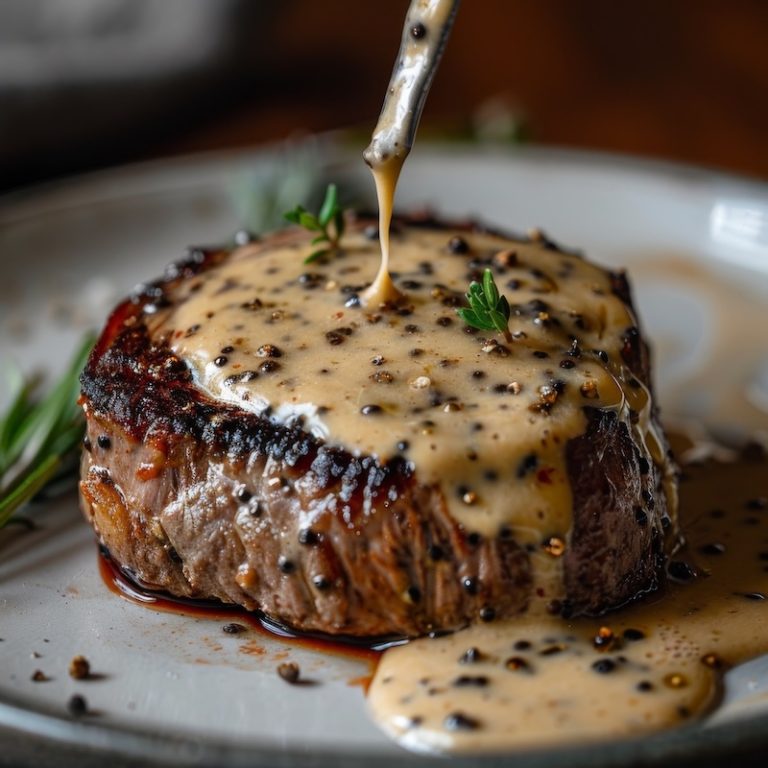

Sauce can make or break a dish, yet many home cooks settle for bland, store-bought shortcuts. Learning to create incredible sauces at home unlocks flavor, elevates meals, and impresses every guest at your table. This guide breaks down techniques, tips, and tricks to help you craft sauces that transform ordinary dishes into extraordinary experiences.
Why This 5-Step Method Works
- Simple and Reliable – Each step builds on the last, taking the guesswork out of sauce-making so you can consistently achieve delicious results.
- Layered Flavor – By starting with a strong base and gradually adding complementary ingredients, your sauces develop depth and complexity, rather than tasting flat or one-note.
- Perfect Texture – The method teaches proper thickening and reduction techniques, ensuring your sauces are smooth, luscious, and coat your proteins, vegetables, and starches perfectly.
- Balanced Taste – Adjusting seasoning throughout the process prevents overpowering flavors and guarantees a harmonious balance of sweet, salty, acidic, and umami notes.
- Finishing Touches – Adding butter, fresh herbs, or a squeeze of citrus at the end elevates the sauce to a restaurant-quality level, creating shine, richness, and freshness that impresses every time.
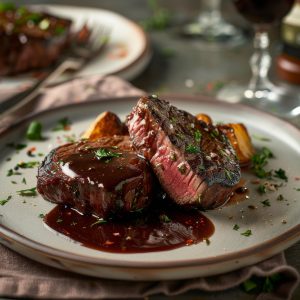
My 5-Step Method for Preparing Professional Quality Brown Sauces
Learning how to make incredible sauces at home is one of the fastest ways to elevate your cooking. With a few simple sauce-making techniques, you can transform everyday ingredients into rich, flavorful homemade sauces that rival those served in restaurants.
My Five Step Method for making sauces simplifies the process and builds confidence in the kitchen. Instead of guessing, you follow a reliable approach that professional cooks use to create balanced, restaurant-quality sauces from scratch.
You’ll start by building a flavorful base with aromatics and fats. Next, you’ll layer flavors to balance sweet, salty, acidic, and umami elements. Then you’ll master thickening techniques that create smooth, perfectly textured sauces.
Finally, you’ll fine-tune the seasoning and add finishing touches that bring shine, richness, and freshness to the sauce. Follow this method and you’ll turn simple ingredients into sauces that elevate meats, seafood, vegetables, and pasta.
Mastering homemade sauce making doesn’t just improve one recipe. It upgrades your entire cooking repertoire and helps you create memorable meals any night of the week.
My Quick & Easy 5-Step Method
- Build a Flavorful Base – Start with aromatics like onions, garlic, shallots, or herbs. Cook them gently in olive oil, butter, or another fat to release aroma and build the foundation of your sauce.
- Layer Flavors – Add ingredients gradually to create balance. Combine salty, sweet, acidic, and umami elements like vinegar, citrus, soy sauce, or tomato paste to develop depth.
- Achieve the Right Texture – Use the proper thickening method for your sauce: reduction, flour, cornstarch, or emulsification. Stir well to create a smooth texture that coats food without becoming heavy.
- Season and Adjust – Taste carefully and adjust with salt, pepper, sugar, or acid. Small tweaks at this stage transform a good sauce into a well-balanced one.
- Finish with Flair – Add the final touch. Butter creates silkiness, fresh herbs add brightness, and a splash of cream or squeeze of lemon can elevate the entire sauce.
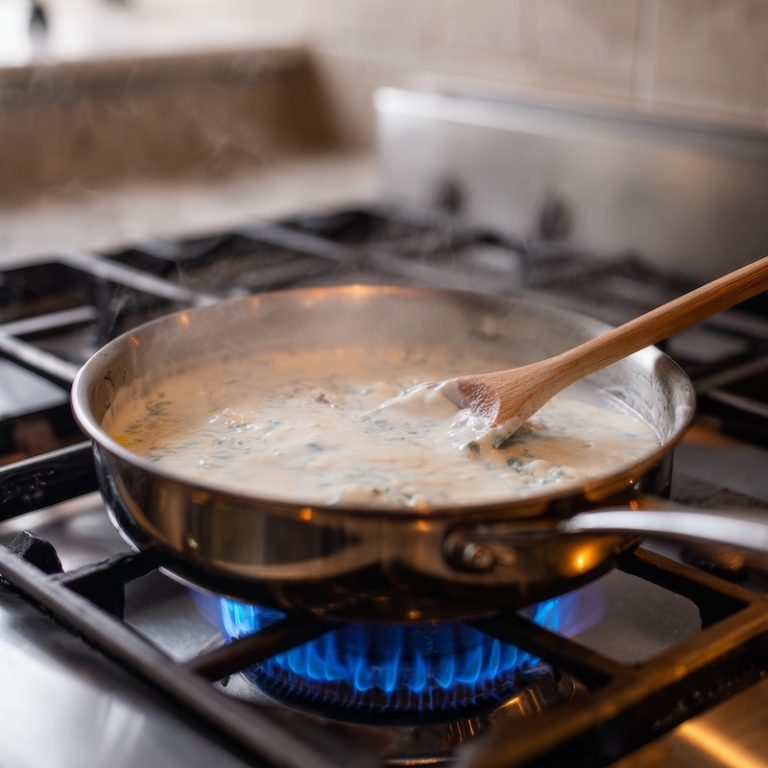
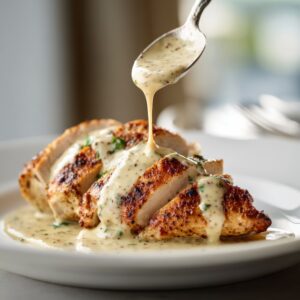
Example Recipe: Pan-Seared Chicken with Five-Step Sauce
| Step | Core Ingredients | Optional Ingredients | Instructions / Tips |
|---|---|---|---|
| Step 1: Build a Flavorful Base | 2 tbsp butter or olive oil, 1 small shallot (finely chopped), 1 clove garlic (minced) | Herbs: thyme, rosemary, parsley | Heat butter or oil over medium heat. Sauté shallot and garlic until fragrant. Add herbs if desired. Avoid burning. |
| Step 2: Layer Flavors | 1/2 cup chicken stock | 1 tsp tomato paste, 1 tsp soy sauce, splash of white wine | Add stock to the pan. Stir in optional ingredients gradually. Taste and balance flavors as you go. |
| Step 3: Achieve Perfect Texture | 1 tsp cornstarch (mixed with 1 tbsp water) | 1 tbsp cream | Slowly whisk in cornstarch slurry to thicken. Optional cream adds richness. Simmer until smooth. |
| Step 4: Season and Adjust | Salt and pepper to taste | Dash of smoked paprika, squeeze of lemon | Taste and adjust seasoning carefully. Optional paprika adds depth; lemon adds brightness. |
| Step 5: Finish with Flair | Fresh parsley, 1 tsp butter | Microgreens, drizzle of truffle oil | Stir in finishing ingredients for shine and aroma. Serve over pan-seared chicken. Optional garnishes enhance presentation. |
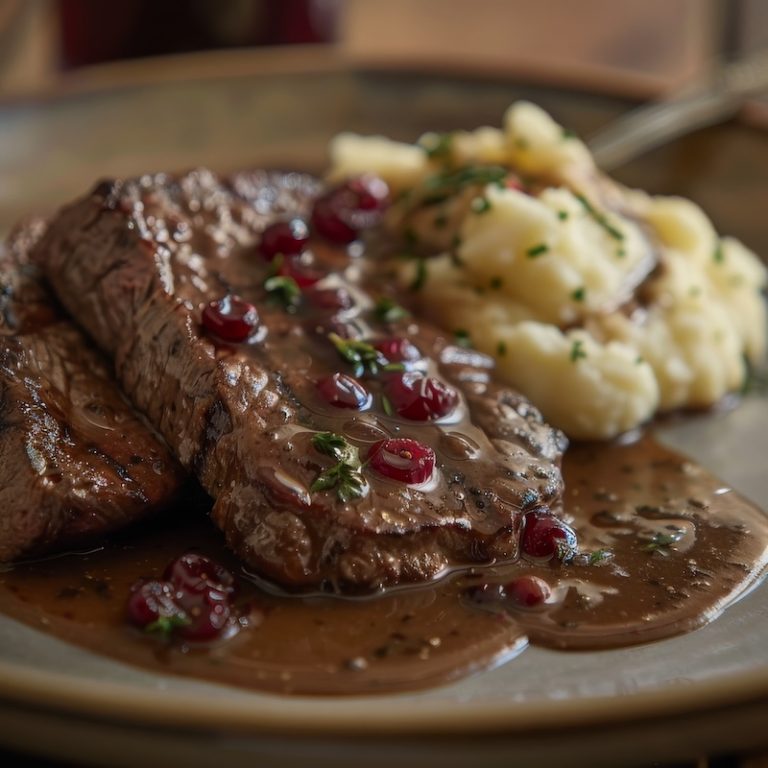
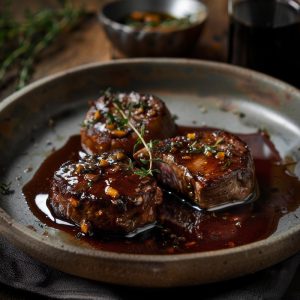
Classic Brown Sauce for Steak (with Demi-Glace)
| Step | Core Ingredients | Optional Ingredients | Instructions / Tips |
|---|---|---|---|
| Step 1: Build a Flavorful Base | 2 tbsp butter, 1 small onion (finely chopped), 1 clove garlic (minced) | Carrot, celery, fresh thyme, bay leaf | Melt butter and sauté onion and garlic until fragrant. Add optional aromatics for extra depth. Avoid burning. |
| Step 2: Layer Flavors | 1/2 cup red wine, 1 cup beef stock | Splash of balsamic vinegar, Worcestershire sauce | Deglaze the pan with red wine. Stir in beef stock and optional flavor boosters. Reduce slightly to concentrate flavors. |
| Step 3: Achieve Perfect Texture | 1/2 cup demi-glace | 1 tsp cornstarch slurry (optional for thicker sauce) | Stir in demi-glace for richness. Simmer until smooth. Optional slurry can thicken further for a velvety texture. |
| Step 4: Season and Adjust | Salt and freshly ground black pepper | Pinch of smoked paprika, dash of cayenne, splash of lemon | Taste carefully and adjust seasoning. Optional spices add complexity; acid brightens flavors. |
| Step 5: Finish with Flair | 1 tsp cold butter, fresh parsley (chopped) | Drizzle of truffle oil, crispy shallots, microgreens | Swirl in cold butter off heat for shine. Add fresh herbs and optional garnishes for a restaurant-quality finish. Serve over steak. |
Classic Brown Sauce for Steak (Without Demi-Glace)
| Step | Technique | What to Do |
|---|---|---|
| 1 | Build the Flavor Base | In the same pan used to cook the steak, leave about 1 tablespoon of fat. Add finely chopped shallots and cook over medium heat until softened and fragrant, about 1–2 minutes. |
| 2 | Deglaze the Pan | Pour in ½ cup dry red wine or beef stock. Use a wooden spoon to scrape up the browned bits (fond) from the bottom of the pan. Let the liquid simmer and reduce by about half. |
| 3 | Add Stock | Stir in ¾ cup good-quality beef stock. Continue simmering until the sauce reduces and develops a richer flavor. |
| 4 | Adjust Texture | If needed, thicken slightly by simmering longer to reduce, or whisk in a small beurre manié (equal parts softened butter and flour) for a slightly thicker consistency. |
| 5 | Finish the Sauce | Remove the pan from heat and whisk in 1 tablespoon cold butter to create a glossy finish. Taste and adjust with salt and freshly ground black pepper. |
Sauce Making FAQ
What is the easiest sauce to make at home?
Pan sauces are one of the easiest sauces to make. After cooking meat, simply deglaze the pan with wine, stock, or broth, reduce the liquid, and finish with butter or cream. This quick method uses the flavorful browned bits in the pan to create a rich sauce in just a few minutes.
What are the basic components of a good sauce?
Most great sauces contain a flavorful base, liquid, thickening element, seasoning, and finishing ingredient. Aromatics and fats build the base, liquids like stock or wine provide body, thickening agents create texture, and finishing ingredients such as butter or herbs add richness and freshness.
How do you thicken a sauce properly?
You can thicken a sauce using several techniques including reduction, flour-based roux, cornstarch slurry, beurre manié, or emulsification with butter or cream. The best method depends on the type of sauce and the texture you want to achieve.
What is the difference between a roux and a slurry?
A roux is made by cooking equal parts flour and fat together to form a thickening base for sauces like gravy or béchamel. A slurry is a mixture of cornstarch and cold liquid that thickens sauces quickly when stirred into simmering liquid.
How do you fix a sauce that is too thin?
If your sauce is too thin, simmer it longer to reduce and concentrate the liquid. You can also whisk in a beurre manié, roux, or cornstarch slurry to quickly thicken the sauce without changing its flavor significantly.
How do you fix a sauce that is too thick?
If a sauce becomes too thick, simply whisk in small amounts of warm stock, broth, cream, or water until the sauce reaches the desired consistency.
Why do chefs finish sauces with butter?
Finishing a sauce with cold butter, known as mounting with butter, adds richness, shine, and a smooth texture. It also helps balance acidity and creates a silky mouthfeel.
What is deglazing and why is it important?
Deglazing is the process of adding liquid to a hot pan to dissolve the flavorful browned bits left after cooking meat or vegetables. These caramelized bits add deep flavor and are the foundation for many pan sauces.
What liquids are best for making sauces?
Common liquids used in sauces include stock, broth, wine, cream, milk, vinegar, citrus juice, and tomato products. The best liquid depends on the dish and the flavor profile you want to create.
How do you balance flavors in a sauce?
Balancing flavors involves adjusting the levels of saltiness, acidity, sweetness, bitterness, and umami. A splash of vinegar or lemon juice can brighten flavors, while a pinch of sugar can soften excessive acidity.
Can sauces be made ahead of time?
Yes, many sauces can be made ahead and reheated gently before serving. If the sauce thickens too much during storage, simply whisk in a little stock, water, or cream while reheating.
What are the five French mother sauces?
The classic French mother sauces are béchamel, velouté, espagnole, hollandaise, and tomato sauce. These foundational sauces serve as the base for many classic sauces used in professional kitchens.
Why does my sauce taste flat?
A flat-tasting sauce often needs better seasoning or more acidity. Adding a small amount of salt, lemon juice, vinegar, or fresh herbs can brighten flavors and bring the sauce to life.
How do you make restaurant-quality sauces at home?
Focus on building flavor layers, using good-quality stock, reducing sauces properly, and finishing with butter or fresh herbs. Taking the time to taste and adjust seasoning throughout the cooking process also makes a big difference.



21 Responses
Man…ya lost me, to make good sauce at home add 8 oz’s of demi glace? What? Where in the double hockey sticks do I get demi-glace?
So, let me re-read and re-comment, ok. so I can buy it or make it myself? OK if I get some beef or veal bones and have a spare 12 hours and read some old school recipe I might be able to make it up myself? If so, can I freeze it in one dinner batches for later use? Either as a brown sauce or a demi glace?
Hi Arnie, if you do make it yourself, there’s no reason why you can’t freeze it. If you want to make it in one dinner batches, you might try freezing it in one of those plastic ice cube trays, then you have them at the ready. It’s a lot of work to make it yourself but that’s what they use in top end restaurants for making classic sauces. If you decide to purchase a commercial brand, you are close but it’s not “hockey sticks”, but pucks. You can buy the Demi Glace Gold in 1.5 ounce puck size containers and 1 puck reconstitutes into about 8 ounces.
I am stuffing pork tenderloins and my husband is going to cook them on the greenegg. I will not have any drippings so I would like to know how to make a cider reduction sauce. Thanks so much.
Martha,
You would use the same method as the author describes, just omitting the pan drippings, since there are none, or replacing them (a couple of slices of finely chopped rendered bacon would be a perfect replacement), and then substituting your cider for the wine.
Hope that helped.
Thanks Russ for your explanation.
I am loving this site! Thank you thank you thank you!!
Hi Chef, thanks for the site.
What do you think about making demi glace with commercial stock? I’ve read recipes that suggest carmelizing mirepoix, deglazing with wine, reduce, add commercial stock, reduce.
I’ve done it once and tastes pretty good but I haven’t tried your real thing recipe.
Thanks for any thoughts.
Chris, for home cooks I think your idea is a good one. As you can see from my site, I prefer to buy a commercial brand like Demi Glace Gold because making it from scratch is a huge effort most home cooks are not interested in trying and I don’t blame them. I’ll have to try your shortcut method. Sounds good.
Isn’t a Demi glaze the same as a bone reduction? I’m confused at what I made after simmering bones for 2 days.
Hi Shaun, demi glace is made from simmering bones but there is a little more to it as shown in the recipe http://www.reluctantgourmet.com/demi-glace-recipe/
What you made by simmering those bones for 2 days is a stock reduction which is used to make demi glace and if you continued to reduce that reduction down to a glace, it would work well for making incredible sauces but wouldn’t be considered a classic demi glace.
Chef, you mention adding mushrooms “or other ingredients” as an option while reducing the wine. What are some examples of some other ingredients. I imagine capers might be one. What else? Just looking for a variety of ways to mix this up based on what I might be serving the sauce over. Thanks!
Hi Chris, thanks for your email. I appreciate your calling me “chef”, but I am not. Just a home cook who enjoys food and writing about it. Capers are a great example of what you can add to a sauce reduction to work with what you are preparing. The other night, I added some apple butter to serve with pork chops but I could have used some diced up apples too. If I were serving lamb, I might add some mint or some rosemary. Duck, some orange zest or pieces of orange. The list goes on but this gives me a great idea for a post. Thanks.
Thanks for posting info about More Than Gourmet Demi-Glacé. I recently purchased some of their all veal, rather than the Gold, and was surprised by how solid it was. I used to purchase from my culinary instructor, but moved too far to get from him. The instructions mentioned adding water, but was concerned that would make it more an Españole not Demi. Glad to know it’s going to be same consistency as what my instructor makes. Making this sauce, Bordelaise, tomorrow night for some fillet mignon steaks I have! Yummy!!
Thanks for letting me know Laura.
I’m making a classic demi glace from roasted veal bones and mirepoix. I am going to reduce it down to 1 quart, refrigerate then cut and vacuum pack for the freezer. My intended purpose is to defrost it and serve as as the “sauce” for a prime rib roast. Question is: do I add anything to it as I heat it up ( such as additional liquid) prior to serving? Thanks in advance for your reply.
Hi Mary Jane, are you making the demi glace and then reducing it?
I have a jar of veal demi glace from Williams Sonoma. It is a very thick paste. Surely I would not use 8 ounces of this, right? What would you recommend so far as quantity?
Hi Mariah, I just visited their site and they don’t provide any reconstitution ratios so I’m not sure. They say “Add a spoonful or two” to sauces, soups, etc. but they don’t show you how to make a sauce from scratch. I’ll have to pick up a jar and play around with it to see how it works. I can say if you make a pan sauce (see https://www.reluctantgourmet.com/simple-pan-sauces/) you can add a spoonful or two to the pan sauce and you’ll have a delicious sauce.
I really wonder about some of the people who comment; they don’t take the time for actually follow the recipe or don’t read what’s written. Yes, no one wants to spend 12 hrs making a traditional demi glace and as you showed them there are several alternatives. One you didn’t give them was from D’Artagnan; they have a couple of nice demi glace that are reasonably priced.
This five-step method for crafting velvety, restaurant-quality sauces at home is both accessible and brilliant—love how it breaks down base building, flavor layering, and that shine-making final flourish. Turning simple ingredients into show-stopping sauces has never felt so doable
Thank you for your feedback. Much appreciated.